Table of Contents
In today’s rapidly evolving energy landscape, smart heat meters have emerged as indispensable tools for buildings, industries, and utilities aiming to optimize energy use, reduce waste, and enhance cost transparency. If you’re navigating the world of heat metering technologies, you may have encountered the term smart heat meter manufacturers frequently—but what does it really mean, and how do you choose the right solution for your project?
This comprehensive guide equips you with everything you need to know—from how smart heat meters work, to real-world case studies, comparison data, and actionable criteria for selecting your ideal product. By the end, you’ll feel confident evaluating smart heat meters on performance, reliability, and scalability.
🧠 What Is a Smart Heat Meter, and Why Does It Matter to You?
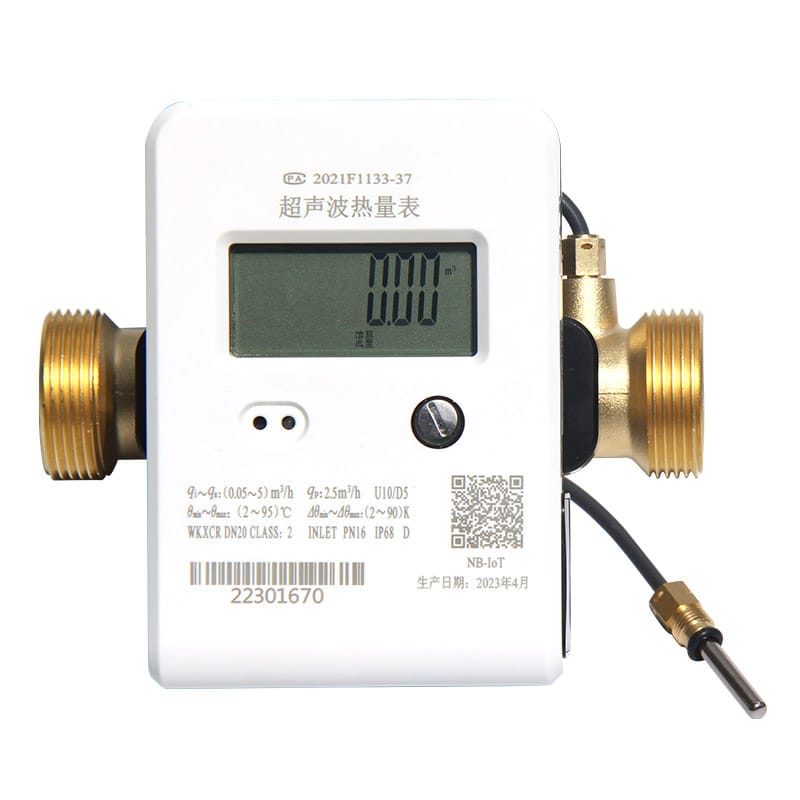
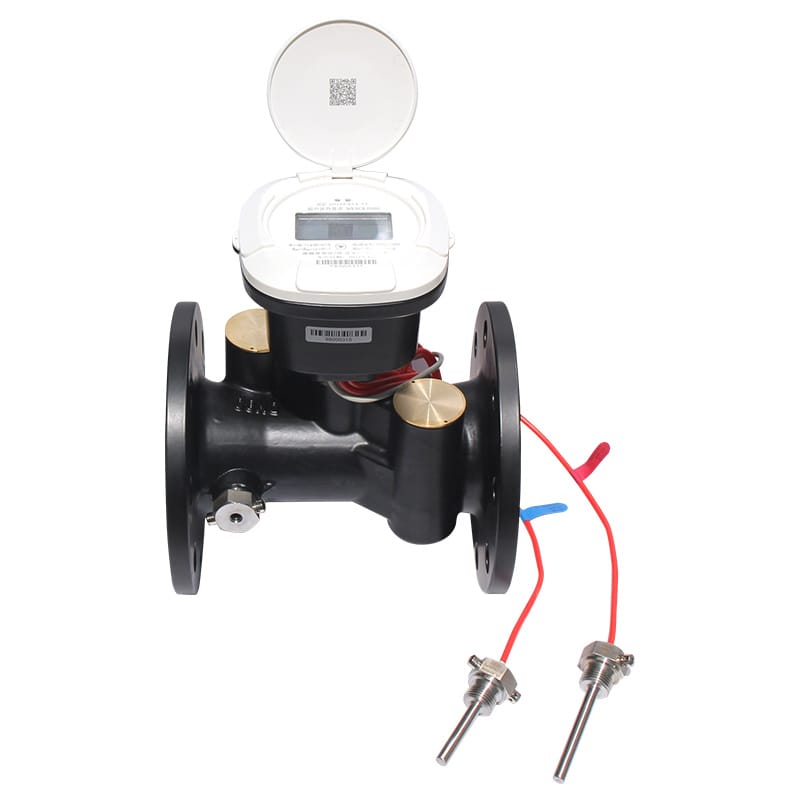
A smart heat meter measures thermal energy transferred in heating or cooling systems and communicates that data digitally. Unlike traditional heat meters, which may require manual reads, a smart heat meter automatically collects and transmits usage data to centralized systems for analysis and billing.
To understand the foundational concept behind heat metering, you can refer to the technical overview on Wikipedia — Heat Meter.
👉 https://en.wikipedia.org/wiki/Heat_meter
🔍 Key Functions of Smart Heat Meters
A smart heat meter typically enables the following capabilities:
- 📊 Accurate energy measurement (heat and sometimes cooling energy)
- 📡 Real-time data transmission via wired or wireless networks
- ⚙️ Remote configuration & diagnostics
- 🔐 Secure data handling
- 📈 Integration with Building Management Systems (BMS)
Modern meters often connect to IoT platforms using protocols such as LoRaWAN, NB-IoT, or Modbus, ensuring flexible deployment across industries.
Let’s break down how these functions translate into real value:
| Function | What It Means for You | Business Value |
|---|---|---|
| Real-time data | Instant visibility into consumption | Identify inefficiencies early |
| Remote reading | No site visits required | Lower OPEX |
| Automatic alerts | Immediate notification of anomalies | Reduce system failures |
| Secure reporting | Compliance with regulations | Build trust & accuracy |
🏢 How Smart Heat Meters Deliver Value in Different Sectors
Smart heat metering can feel abstract until you see its impact across real-world industries. Below are practical applications where smart heat meters make a measurable difference:
📍 1. Commercial Buildings & Complexes
In office buildings, hotels, and malls, heating often accounts for a large part of utility expense. Smart heat meters help facility managers:
- Understand hourly/daily heating patterns
- Allocate costs per tenant or department
- Detect inefficient equipment operation
For example, a large university campus implemented smart heat meters across its district heating network and achieved a 15% reduction in annual energy consumption by identifying zones with excessive heat loss.
🏭 2. Industrial and Manufacturing Facilities
Industries often have complex heating needs (steam networks, process heat). Smart meters help operations teams:
- Monitor energy use per machine or zone
- Improve process efficiency
- Prevent overheating or underutilization
In one case, a chemical plant reduced process energy costs by 8% in the first year after deploying smart heat metering linked to predictive maintenance workflows.
🏘️ 3. District Heating Systems
District heating systems deliver heat to multiple buildings from a central source. Smart heat metering brings transparency and fairness:
- Tenants only pay for what they use
- Operators balance system load more effectively
The International Energy Agency (IEA) documents the importance of advanced metering for district energy optimization.
👉 https://www.iea.org/reports/district-energy
🧩 What to Look for When Evaluating Smart Heat Meter Manufacturers
Choosing the right manufacturer isn’t trivial, especially when suppliers vary in technology maturity, quality, and service support.
Here are the key criteria you must consider:
✅ 1. Measurement Accuracy and Certification
Ensure the meter meets recognized standards like:
- EN 1434 (European standard for heat meters)
- MID (Measuring Instruments Directive) compliance
This guarantees measurements are legally valid for billing and regulatory reporting.
✅ 2. Communication Platforms & Protocol Support
Your future-proof solution should support:
| Protocol | Typical Use Case |
|---|---|
| LoRaWAN | Wide-area low-power systems |
| NB-IoT | Cellular IoT connectivity |
| M-Bus | Wired metering networks |
| Modbus | Industrial SCADA integration |
✅ 3. Integration Flexibility
A smart heat meter is only useful if it connects with your data systems:
- BMS & SCADA platforms
- Energy analytics software
- Billing and ERP tools
Look for manufacturers offering open APIs and standardized data formats.
✅ 4. Remote Service & Diagnostic Capabilities
Especially in large-scale deployments, remote configuration and health monitoring save time and travel costs.
Example capabilities:
- Firmware updates over the air
- Fault self-diagnosis
- Data retention logs
These features reduce downtime and ensure continuous reliability.
🧠 Case Study: How Smart Heat Meters Reduced Energy Costs in a Multi-Building Campus
Below is a real-life scenario showing how a thoughtful deployment can drive results:
📍 Scenario: Centralized Heat in a Multi-Building Facility
Background: A regional corporate campus with five connected facilities struggled with fluctuating heating bills and poor visibility into which buildings consumed the most energy.
Challenge: The organization needed:
- Accurate tenant-level energy breakdown
- Reduction of wasted heat
- Automated data collection for reporting
Solution Implemented:
| Component | Purpose |
|---|---|
| Smart Heat Meters | Installed at each building connector |
| IoT Connectivity | Provided real-time transmission |
| Analytics Dashboard | Allowed energy trend visualization |
| Alerts | Identified abnormal usage patterns |
Results within One Year:
- ➖ Total energy waste dropped by 18%
- 💰 Energy costs reduced by 13%
- 🧠 Maintenance team reduced on-site visits by 40%
- 📈 Tenant billing transparency improved
This case demonstrates how combining accurate heat metering hardware with robust data communication and analytics creates tangible business benefits.
📊 Smart Heat Meter Performance Benchmarks You Should Know
To make intelligent decisions, it helps to compare typical metrics:
| Metric | Traditional Meter | Smart Meter |
|---|---|---|
| Data Frequency | Monthly / Manual | Daily or Hourly |
| Error Detection | Manual inspection | Automated |
| Integration Capability | Low | High |
| Operational Cost | High | Lower long-term |
| Billing Accuracy | Moderate | High |
With smart metering, you can not only measure energy—you can optimize it.
🔗 Glossary of Key Terms
To level up your heat metering expertise, here are essential terms explained:
- Heat Meter – A device that measures heat energy transferred in systems.
- MID Compliance – Standards that ensure metering accuracy and legal acceptability.
- IoT Connectivity – Networked capability that enables remote data reporting.
- Modbus – A communications protocol often used in industrial systems.
- LoRaWAN – A wireless protocol optimized for low-power, long-range connectivity.
You can explore more about IoT protocols and smart metering standards through reputable sources like the LoRa Alliance and the International Electrotechnical Commission (IEC).
👉 https://lora-alliance.org
👉 https://www.iec.ch
🚀 Top Strategies to Maximize the Value of Your Smart Heat Meter Investment
Here’s how you can make sure your smart heat metering project succeeds:
🛠️ Implement a Structured Deployment Plan
Break your project into phases:
- Assessment: Define goals and baseline energy usage.
- Pilot: Test a small set of meters in selected areas.
- Evaluate: Review pilot results and refine.
- Scale: Deploy across your entire organization.
📈 Use Data Analytics to Drive Decision-Making
Raw data has limited value without insight. Make sure your system:
- Visualizes consumption trends
- Identifies abnormalities (e.g., spikes, discrepancies)
- Supports predictive maintenance
Many energy analytics platforms integrate seamlessly with smart heat meters to give you actionable insights.
📚 Educate Your Team
Your investment is only as good as your team’s ability to use it. Conduct training that covers:
- Reading analytics dashboards
- Responding to alerts
- Understanding basic thermodynamics
When your people understand the system, the technology delivers more value.
🔚 Conclusion
Smart heat metering is more than just a measurement tool—it’s a gateway to better energy management, lower costs, and a sustainable operational future.
By choosing the right smart heat meter manufacturer, investing in proper deployment, and leveraging data effectively, you can transform how energy is consumed and managed in your facilities.
Whether you’re responsible for commercial buildings, industrial sites, or district heating systems, this guide gives you the context, criteria, and case-based insights to make informed decisions that deliver measurable results.
🙋♂️ FAQ
❓ What is the difference between a basic heat meter and a smart heat meter?
A basic heat meter measures thermal energy but typically requires manual reading and has limited connectivity. A smart heat meter adds automation, data communication, remote diagnostics, and real-time monitoring.
❓ Can I retrofit smart heat meters into existing systems?
Yes — in many cases smart heat meters can be retrofitted into legacy heating systems. Ensure compatibility with existing pipe sizes, communication networks, and building management systems.
❓ How accurate are smart heat meters?
Accuracy depends on the quality of the meter and compliance with standards such as EN 1434. High-quality smart heat meters routinely deliver accuracy within ±2%.
❓ What connectivity options are best for large facilities?
For wide-area deployments, LoRaWAN or NB-IoT often provide the best balance of coverage and low power usage. For tighter networks or industrial campuses, wired protocols like Modbus or M-Bus may be appropriate.
❓ Do smart heat meters require maintenance?
Yes — like all precision instruments, they should undergo periodic calibration checks, software updates, and network health reviews to ensure long-term performance.