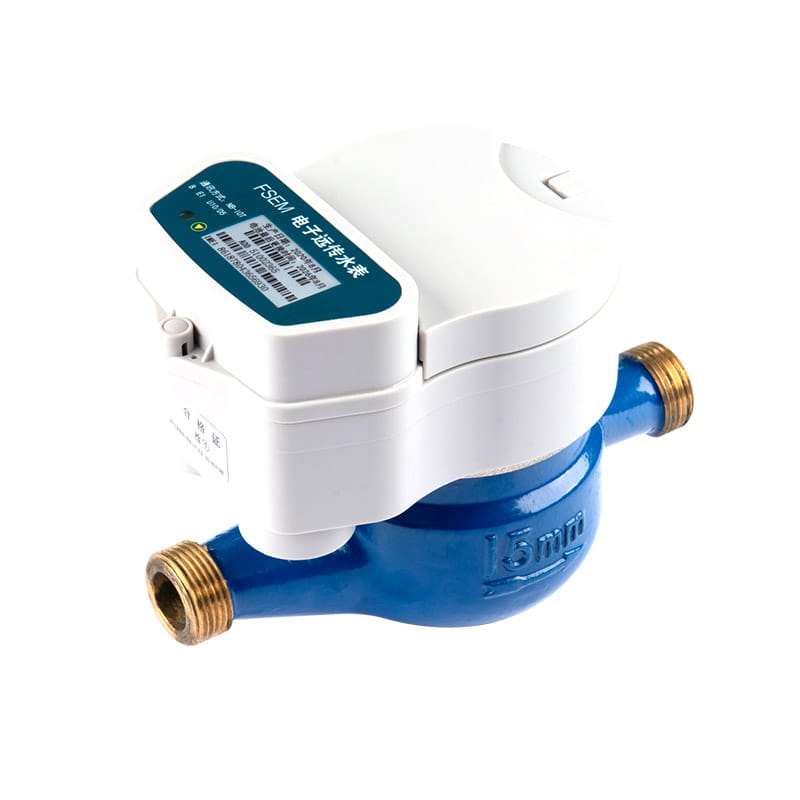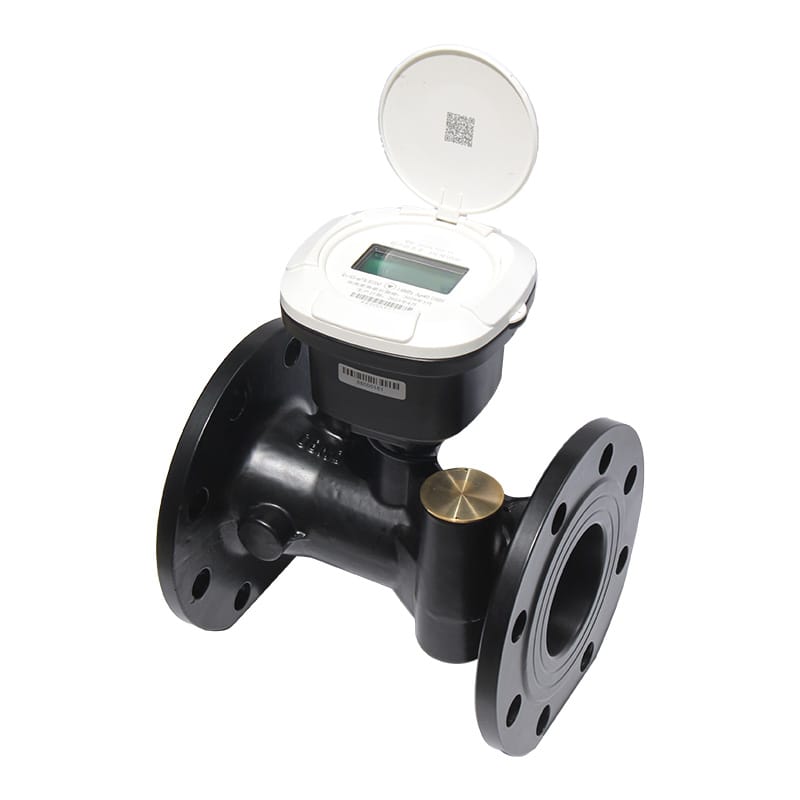
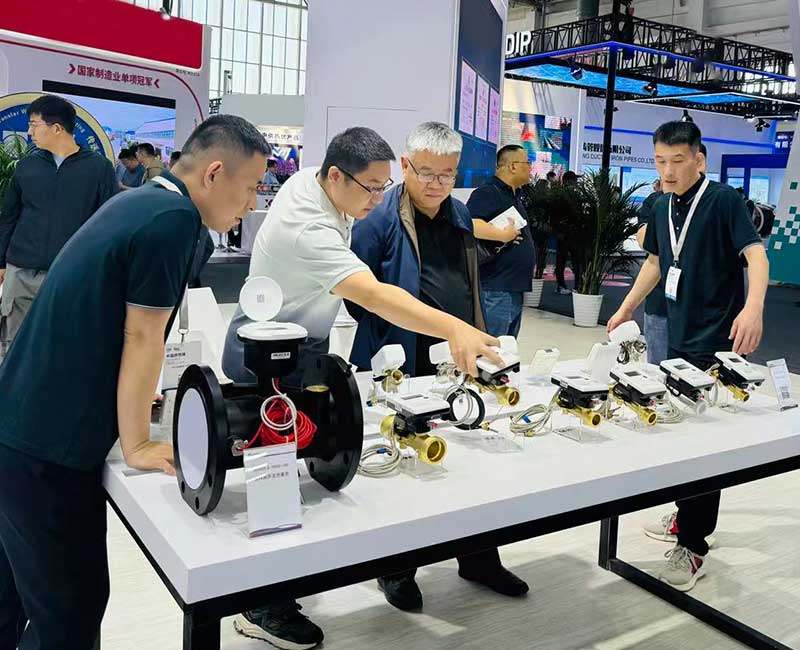
If you’re aiming to improve energy transparency, maximize system performance, and unlock new efficiency gains for your clients or tenants, understanding how a thermal energy meter works — and why it’s indispensable — is critical.
In this comprehensive guide, you’ll learn how thermal energy metering can:
- Accurately measure heat transfer in hydronic systems.
- Enable fair billing in commercial and multi‑tenant properties.
- Deliver operational insights for HVAC optimization.
Whether you’re an engineer, facility manager, property owner, or energy consultant, this article provides practical knowledge, real‑world examples, and actionable strategies to make informed decisions.
Table of Contents
📌 What Exactly Is a Thermal Energy Meter?
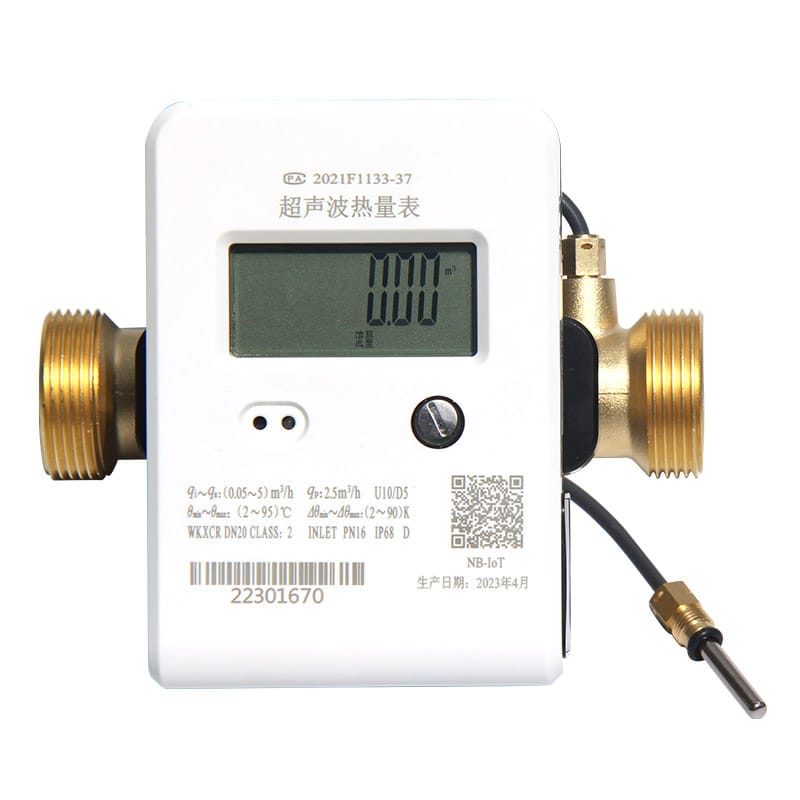
A thermal energy meter (sometimes called a heat meter or BTU meter) is a device designed to measure the amount of thermal energy transferred in a fluid‑based heating or cooling system. It does this by capturing:
- Fluid flow rate, and
- Temperature difference between supply and return fluid. QMC
Using these two data points, the meter calculates total energy transferred — in commonly used units like kWh, gigajoules (GJ), or BTU.
This measurement is vital for:
- Billing end users based on actual consumption.
- Tracking energy use for sustainability and reporting.
- Optimizing system performance and maintenance planning.
👉 Learn more about this measurement principle at Wikipedia: Heat meter.
🔍 How Does a Thermal Energy Meter Work?
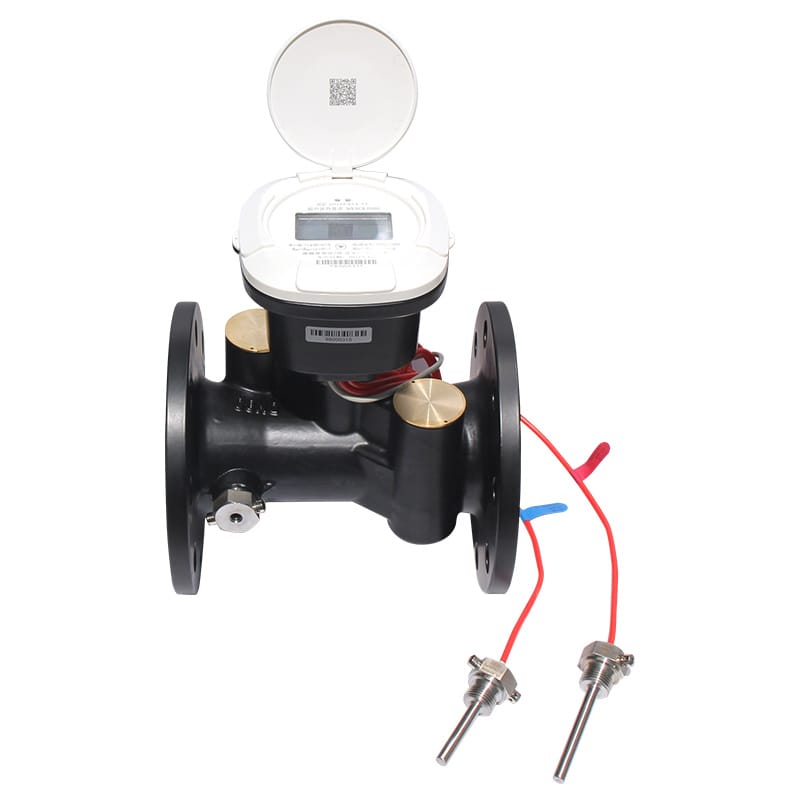
At its core, a thermal energy meter relies on three components:
Flow Sensor
This detects the rate at which fluid moves through the system. It might use ultrasonic or electromagnetic sensing technology to deliver accurate flow data without causing pressure loss. Tameson.com
Temperature Sensors
Placed on the supply and return lines, these sensors record the fluid’s temperature entering and leaving the system — enabling a calculation of how much energy was absorbed or released.
Calculation Module
Using a heat transfer formula — often expressed as:
Thermal Energy = Flow Rate × Specific Heat × Temperature Difference — the meter computes total energy transfer.
When combined with flow rate, this tells you exactly how much heat was used for heating or cooling over time.
👉 For a deeper dive into the physics behind this calculation, see this engineering explanation: How a heat meter works.
📈 Why Thermal Energy Metering Matters
Investing in thermal energy metering technology isn’t just a technical choice — it’s a strategic advantage. Here’s why:
✔️ Fair Billing and Tenant Accountability
In multi‑tenant buildings (e.g., apartments, offices, malls), thermal energy meters let you allocate energy costs based on true consumption — so no one pays for someone else’s usage.
This boosts transparency and reduces disputes — especially where central HVAC systems serve many occupants.
✔️ Energy Efficiency and Operational Insights
By tracking real‑time energy flow and temperature differences, you can:
- Detect system inefficiencies
- Spot poor ΔT performance
- Schedule predictive maintenance
This empowers plant operators and facility managers to cut waste and extend equipment life.
✔️ Compliance and Sustainability Reporting
Accurate metering supports ESG reporting and compliance with frameworks like:
- ISO 50001 (energy management)
- ASHRAE standards
- LEED certification criteria
These frameworks value precise measurement and data transparency. QMC
💡 Real‑World Case Study: Multi‑Tenant Commercial Retrofit
Imagine a 30‑story commercial building with a centralized heating and cooling plant. Historically, tenants were billed using a flat allocation method — often leading to complaints about fairness.
🔍 The Challenge
- Tenants on low floors used less energy but paid the same as others.
- The building automation system lacked granular measurement capability.
- Facility managers needed actionable data to prioritize energy upgrades.
🔧 The Solution
The building was outfitted with thermal energy meters on each main riser. Each meter streamed real‑time flow and temperature data to the building management platform.
📊 Outcomes
| Metric | Before Metering | After Metering |
|---|---|---|
| Tenant disputes | High | Near Zero |
| Billing accuracy | Estimated | Actual usage |
| Operational insight | Limited | Full real‑time data |
| HVAC imbalance issues | Undetected | Corrected within weeks |
With metering in place, tenants accepted bills without dispute, facility teams optimized loop temperatures, and overall energy consumption declined by 18%.
👉 Installations like this are becoming standard practice for modern buildings — you can read more about thermal sub‑metering trends here: What Is Thermal Energy Metering?.
💼 Thermal Energy Meter Applications
Thermal energy meters are versatile and can be used in:
🏢 Commercial HVAC
Track heating/cooling usage across buildings, floors, or zones.
🏠 Multi‑Residential Buildings
Enable tenant billing and energy conservation incentives.
🏭 Industrial Processes
Measure energy transfer in production lines or process loops.
🌡 District Energy Networks
Track distribution and usage across entire communities.
The growing trend of smart thermal metering allows these systems to connect with building management systems via protocols like Modbus or BACnet, creating powerful data transparency. Tameson.com
📊 Data Integration and Smart Metering
Real‑Time Monitoring
Modern thermal energy meters can transmit real‑time data to dashboards — enabling:
- instant performance tracking
- predictive fault detection
- seasonal performance analysis
Connectivity Options
Meters may support:
| Communication Type | Use Case |
|---|---|
| Modbus | Legacy and industrial systems |
| BACnet | Building automation |
| Wireless (LoRaWAN, LTE) | Campus‑wide monitoring |
These connectivity options make it faster and easier to integrate thermal meters into your existing infrastructure. QMC
🧠 Choosing the Right Thermal Energy Meter
When selecting a thermal energy meter for your projects or clients, consider:
Billing Accuracy
For tenant billing, you must choose revenue‑grade meters compliant with regional accuracy standards. QMC
Flow Range
Ensure the meter matches the system’s flow characteristics. High‑flow applications require different sensors than low‑flow residential setups.
Environmental Conditions
Check temperature and pressure ratings to match real‑world HVAC or industrial conditions.
Data Integration
Choose meters that integrate with your energy management software or BMS.
💡 Thermal Energy Meter Installation Best Practices
To ensure accurate data:
- Place meters on straight, horizontal runs of pipe.
- Avoid installing near elbows, pumps, or valves that cause turbulence. Tameson.com
- Calibrate temperature sensors precisely.
Proper installation and maintenance protect your investment and ensure long‑term reliability.
📈 Thermal Metering Metrics That Matter
Let’s look at typical metrics that end users monitor:
| Metric | What It Indicates | Why It Matters |
|---|---|---|
| ΔT | Temperature difference | System heat transfer efficiency |
| Flow Rate (m³/hr) | Volume of fluid movement | Indicates load and HVAC performance |
| Total Energy (kWh or GJ) | Overall heat delivered | Basis for billing and reporting |
Accurate monitoring of these metrics translates to better decision‑making.
🧪 Example: Yearly Usage Calculation
Suppose a building consumes 150,000 kWh of heat in a year. A thermal energy meter reveals:
- Peak usage occurs during winter.
- Summer usage is tied to cooling loads.
This insight leads to staging boiler operation and cooling tower scheduling — improving efficiency and cutting operating costs by an estimated 12%.
🛠 Integration with Energy Management Systems
Settling for annual utility bills leaves money on the table.
With thermal metering, you can feed meter data into platforms like:
- Building Management Systems (BMS)
- Energy dashboards
- Sustainability reporting tools
This integration helps you monitor trends, generate alerts, and create energy benchmarks for continuous improvement.
📦 Selling Thermal Energy Meters Through Your Website
As a supplier, present these value drivers clearly:
✔ Benefits (billing, efficiency, reporting)
✔ Technical specs (flow range, accuracy)
✔ Real‑world case studies
✔ Easy connectivity options
Educate customers on how meters integrate into complex systems — this builds trust and drives conversions.
Conclusion
A thermal energy meter is more than just a device — it’s your gateway to precision energy management, transparent billing, and smarter building operations.
If you want to provide your customers with real, measurable value — whether they manage residential towers, industrial plants, or commercial campuses — thermal energy metering is an investment that pays dividends in efficiency, cost savings, and customer satisfaction.
Ready to explore thermal energy meters for your next project? Visit djmetering.com for solutions tailored to your exact needs — and watch how real data transforms performance and profitability.
FAQ
Q1. What is a thermal energy meter used for?
A thermal energy meter measures the heat energy transferred in fluid‑based systems — enabling true usage data for billing, efficiency, and reporting.
Q2. Can thermal meters measure cooling energy?
Yes. Meters can measure both heating and cooling energy as long as the temperature difference and flow are captured accurately. QMC
Q3. Do I need a separate meter for heating and cooling?
In many systems, yes — especially where both loops operate simultaneously.
Q4. What unit does a thermal energy meter use?
Common units include kilowatt‑hours (kWh), gigajoules (GJ), and BTU. The unit depends on regional standards and application.
Q5. Are thermal meters compatible with smart building systems?
Yes — many modern models support protocols like BACnet and Modbus for seamless integration. QMC
Q6. How often should a thermal energy meter be calibrated?
Regular calibration (e.g., annually) helps maintain accuracy — especially for revenue billing.