Modern heating systems are no longer just about delivering thermal energy—they are about measuring it, controlling it, and proving it. In district heating networks, commercial HVAC systems, and building-level energy management platforms, accuracy is now directly tied to operational efficiency.
That is exactly where the role of a smart heat meter manufacturer becomes critical. Not as a simple device supplier, but as a technical partner responsible for measurement reliability, data continuity, and system compatibility.
This article breaks down how these devices are actually developed, what separates manufacturers in real engineering terms, and how buyers can evaluate suppliers beyond surface-level specifications.
Table of Contents
Before Anything Else: What Problem Does a Smart Heat Meter Actually Solve?
In most heating systems, energy distribution is invisible. You can move heat, but without measurement, you cannot manage it.
A smart heat meter solves three core problems:
- It measures how much thermal energy is consumed
- It translates physical flow into digital data
- It makes heating consumption traceable and accountable
This is why utilities, building operators, and industrial facilities are gradually shifting toward smart metering systems instead of traditional mechanical devices.
But the performance of the entire system depends heavily on how the meter is designed and manufactured.
Inside the Product: What a Smart Heat Meter Manufacturer Actually Builds
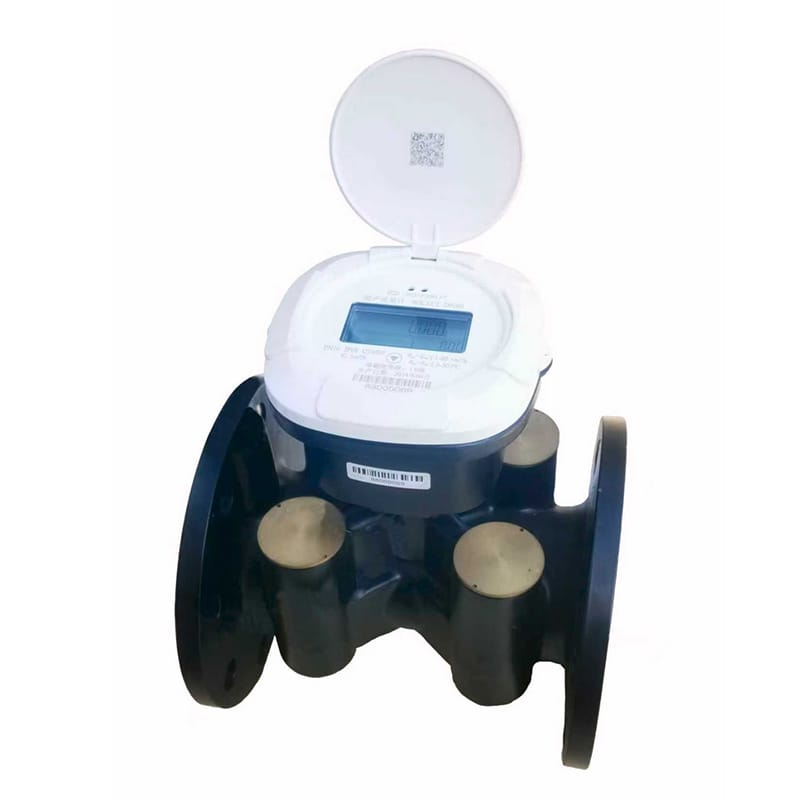
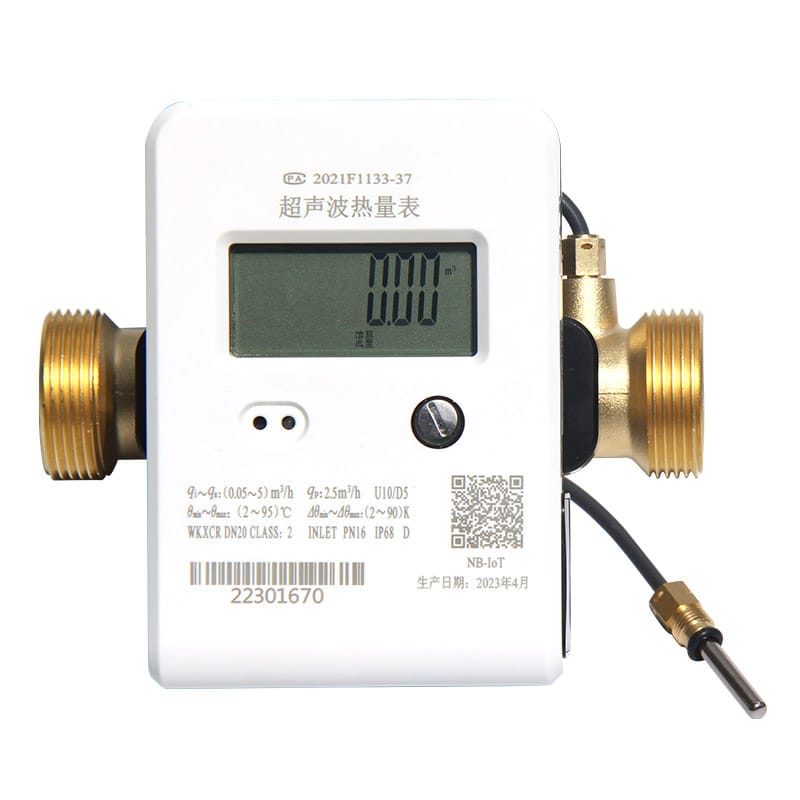
From the outside, a heat meter looks like a compact industrial device. Inside, it is a combination of multiple precision systems working together.
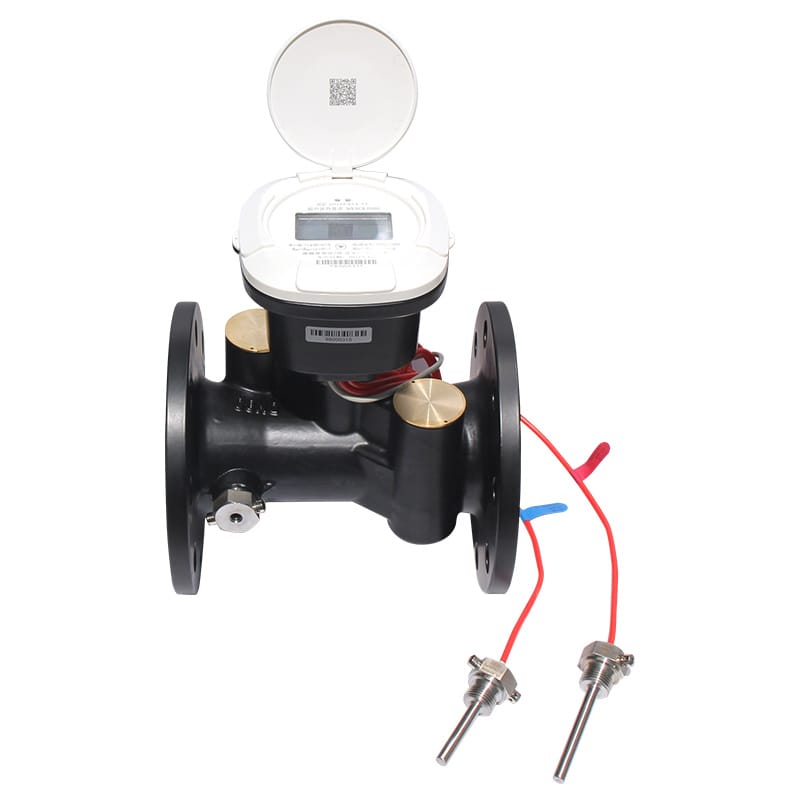
A typical structure includes:
- Flow measurement unit (often ultrasonic-based)
- Temperature sensors installed at inlet and outlet
- Electronic calculation module for energy computation
- Communication unit for remote data transmission
The key point is not the components themselves, but how they are calibrated and synchronized.
For example, even a minor deviation in temperature measurement can significantly affect energy calculation accuracy over long operating cycles. This is why manufacturing consistency matters more than individual component quality.
A professional smart heat meter manufacturer focuses heavily on calibration stability rather than just assembly output.
Why Accuracy Is Not a Feature, But a Manufacturing Discipline
Accuracy is often treated as a product specification. In reality, it is a manufacturing discipline built over multiple stages.
In a mature production environment, accuracy is controlled through:
- Multi-point calibration systems
- Flow simulation testing under variable conditions
- Sensor pairing validation before assembly
- Long-cycle stability verification
What matters most is not whether a device is accurate on day one, but whether it remains stable after long-term operation in real pipeline environments.
District heating systems, for example, rarely operate under fixed flow conditions. Load changes throughout the day, which means meters must handle instability without drifting in readings.
This is where manufacturing capability becomes visible in real-world performance.
The Shift Toward IoT-Connected Heat Metering
A major change in the industry is the transition from standalone meters to connected energy devices.
Modern smart heat meters are expected to communicate with external systems through protocols such as:
- NB-IoT for wide-area remote communication
- LoRa for private network deployment
- M-Bus for building integration
- Modbus for industrial control systems
Once connected, the meter becomes part of a larger digital ecosystem rather than an isolated measurement tool.
This allows:
- Remote data reading without manual inspection
- Continuous energy monitoring at system level
- Centralized billing and consumption analysis
- Integration with smart building platforms
From a manufacturing perspective, this means hardware and communication systems must be designed together, not separately.
What Experienced Buyers Look For (Beyond the Datasheet)
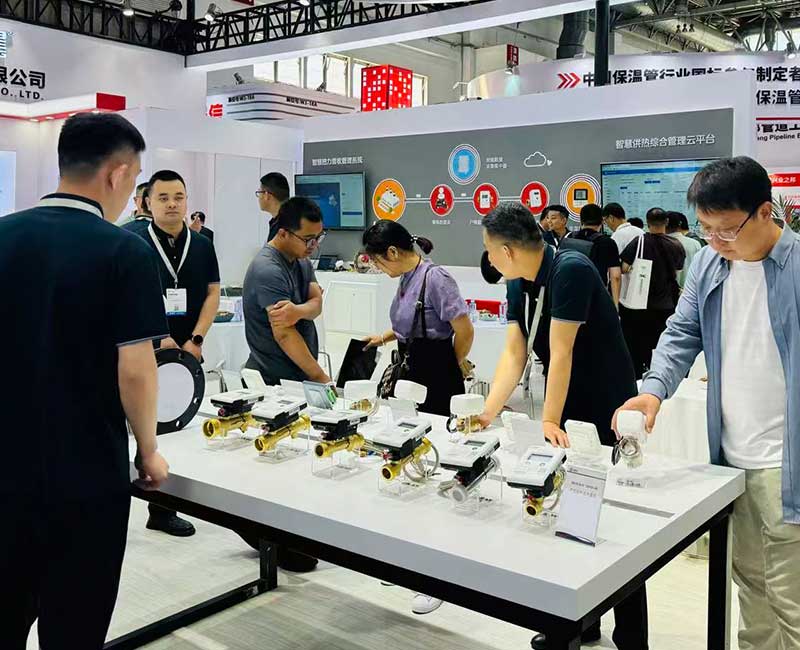
Technical procurement teams rarely make decisions based on brochures alone. Real evaluation happens through deeper checks.
Here are the aspects that usually matter most:
Stability over time
Not just initial accuracy, but consistency after months or years of operation.
Communication compatibility
Whether the device integrates smoothly with existing HVAC or utility systems.
Engineering transparency
Availability of technical documentation, calibration data, and performance curves.
Production consistency
Whether batch-to-batch output remains stable under large-scale manufacturing.
System adaptability
Ability to adjust hardware or firmware for project-specific requirements.
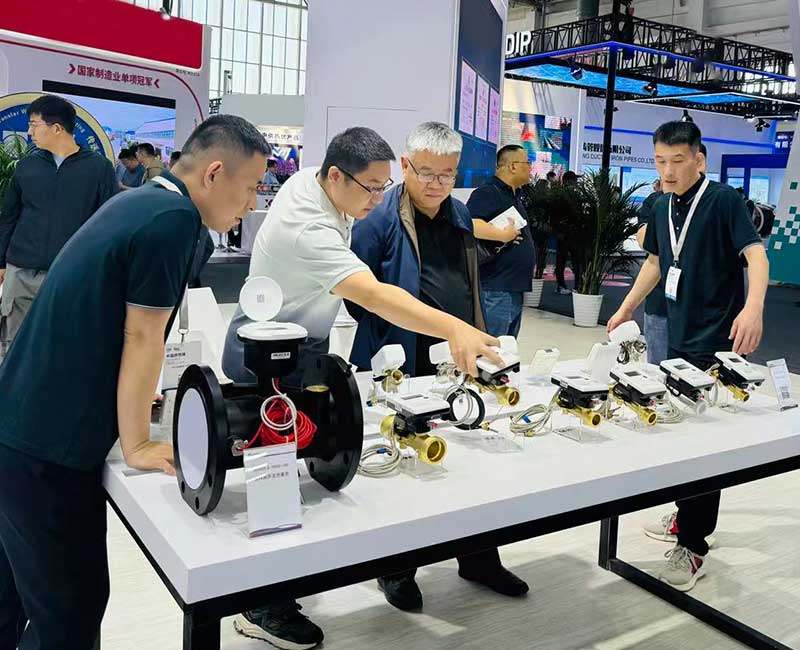
A reliable smart heat meter manufacturer is usually identified through these operational signals rather than marketing claims.
OEM and ODM: Why Customization Has Become a Standard Requirement
In global infrastructure projects, standardized products are often not enough.
Different regions and systems require different:
- Communication protocols
- Installation interfaces
- Data reporting formats
- Housing and structural designs
This is why OEM and ODM capabilities have become a baseline expectation.
In practical terms, customization may include:
- Adjusting firmware logic for regional systems
- Modifying communication modules for compatibility
- Designing installation formats for specific pipeline layouts
- Supporting private-label production for distributors
Manufacturers that can support these requirements are typically better suited for long-term engineering cooperation.
Where Smart Heat Meters Are Actually Used (Real-World Context)
Understanding application context helps explain why manufacturing quality matters so much.
Typical deployment environments include:
- District heating networks in urban infrastructure
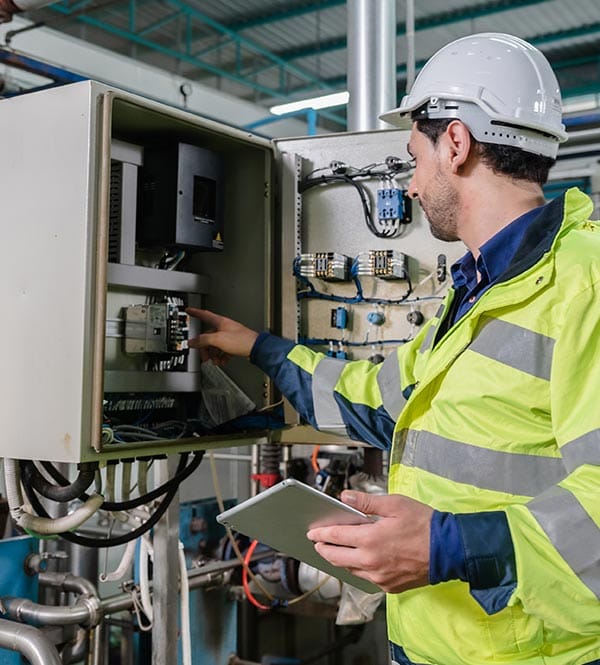
- Commercial buildings with centralized HVAC systems
- Residential complexes with shared energy systems
- Industrial plants monitoring process heat usage
- Smart city platforms managing energy consumption data
Each environment introduces different challenges such as flow variability, communication distance, or system integration complexity.
A one-size-fits-all approach rarely works in these scenarios.
Manufacturing Reality: Why Factory Control Defines Product Reliability
Behind every stable smart heat meter is a tightly controlled production process.
Key manufacturing controls typically include:
- Sensor matching before assembly
- Flow calibration under controlled conditions
- Communication signal stability testing
- Environmental stress simulation
- Final inspection under full operating simulation
What separates advanced manufacturers from average ones is not equipment alone, but process discipline.
Even small variations in assembly or calibration can lead to long-term data drift, which is unacceptable in billing or energy management systems.
Industry Direction: Where Smart Heat Meter Technology Is Heading
The market is clearly moving in a specific direction:
- From manual reading → remote automated reading
- From isolated devices → connected energy ecosystems
- From basic measurement → data-driven optimization
- From hardware focus → system intelligence focus
In the coming years, heat metering will increasingly connect with:
- AI-based energy optimization platforms
- Carbon tracking systems
- Smart grid infrastructure
- Predictive maintenance models
This evolution places more responsibility on manufacturers to provide not just devices, but data-ready systems.
Why Direct Manufacturer Collaboration Changes Project Outcomes
Working directly with a manufacturer changes the entire engineering workflow.
It typically results in:
- Faster technical clarification during project design
- More accurate system integration planning
- Better alignment between hardware and software
- Reduced communication loss across supply chains
- More consistent support during installation and operation
For large-scale HVAC projects or district heating systems, this difference can directly affect project efficiency.
Conclusion
Selecting a smart heat meter manufacturer is not a product decision—it is a system decision.
A well-designed heat meter is not defined only by its specifications, but by how it performs inside a real heating network, under real load variations, and within real data systems.
As energy infrastructure becomes increasingly digital, the role of manufacturers is expanding from equipment production to system-level engineering support. The most reliable partners are those who combine measurement precision, stable manufacturing processes, and integration capability into one consistent platform.
For long-term projects in HVAC systems, district heating, and smart energy networks, this alignment matters far more than any single product feature.
FAQ
What does a smart heat meter manufacturer actually provide?
A smart heat meter manufacturer designs and produces thermal energy meters that measure heating consumption using flow and temperature data, often combined with IoT communication modules for remote monitoring and system integration.
How does a smart heat meter work in HVAC or district heating systems?
It calculates energy usage by measuring the temperature difference between supply and return pipes and combining it with flow data to determine total thermal energy consumption in real time.
What technologies are commonly used in smart heat meters?
Most modern devices use ultrasonic flow measurement, high-precision temperature sensors, and communication technologies such as NB-IoT, LoRaWAN, or M-Bus for remote data transmission.
Why is manufacturer quality important for smart heat meters?
Manufacturing quality directly affects measurement accuracy, long-term stability, and data reliability, which are essential for billing, energy management, and system optimization in heating networks.
Can smart heat meters be customized for different projects?
Yes. Many manufacturers offer OEM and ODM customization, including communication protocols, firmware integration, installation structure adjustments, and system compatibility for different HVAC or district heating applications.