
Table of Contents
Two-way valves vary circuit flow; three-way valves mix or divert flow. The correct arrangement depends on pump strategy, equipment minimum flow and the intended control sequence. For 2 way vs 3 way control valve, begin with “Map the Hydronic System First” and then “Understand Two-Way Valve Operation.” Together, “Map the Hydronic System First” and “Understand Two-Way Valve Operation” define the 2 way vs 3 way control valve evidence needed before “Understand Three-Way Mixing and Diverting.”
After “Understand Three-Way Mixing and Diverting,” the 2 way vs 3 way control valve workflow continues to “Evaluate Pump Energy and Return Temperature” and ends at “Commission the Complete Hydraulic Response.” The move from “Understand Three-Way Mixing and Diverting” to “Commission the Complete Hydraulic Response” explains the 2 way vs 3 way control valve logic behind this H1.
Map the Hydronic System First
Identify primary and secondary circuits, pump control, terminal units, bypasses and minimum-flow requirements. Valve symbols alone do not explain system behavior. Change one “Map the Hydronic System First” variable at a time during 2 way vs 3 way control valve diagnosis. The “Map the Hydronic System First” baseline separates “Map the Hydronic System First” hardware, process and installation causes.
- Verify identify primary and secondary circuits.
- Document bypasses and minimum-flow requirements.
- Compare valve symbols alone do not explain system behavior.
Understand Two-Way Valve Operation
A two-way valve throttles terminal flow and supports variable-flow pumping. Differential pressure control is needed as other valves close. Close “Understand Two-Way Valve Operation” with a named 2 way vs 3 way control valve owner. For “Understand Two-Way Valve Operation,” keep its photographs, configuration export and “Understand Two-Way Valve Operation” comparison readings.
- Verify a two-way valve throttles terminal flow and supports variable-flow pumping.
- Document differential pressure control is needed as other valves close.
Understand Three-Way Mixing and Diverting
A three-way valve can maintain branch flow while changing the proportion through a coil or bypass. Port function and flow direction must be specified. For “Understand Three-Way Mixing and Diverting,” the 2 way vs 3 way control valve team ties assumptions to field evidence. Its “Understand Three-Way Mixing and Diverting” record names the source, unit and “Understand Three-Way Mixing and Diverting” exception owner.
- Verify a three-way valve can maintain branch flow while changing the proportion through a coil or bypass.
- Document port function and flow direction must be specified.
Evaluate Pump Energy and Return Temperature
Bypass flow can increase pumping and alter return temperature. Variable-flow designs can reduce flow but require coordinated pump control. Use drawings and measurements to complete “Evaluate Pump Energy and Return Temperature” in 2 way vs 3 way control valve. A written “Evaluate Pump Energy and Return Temperature” decision keeps installation and operations aligned.
- Verify bypass flow can increase pumping and alter return temperature.
- Document variable-flow designs can reduce flow but require coordinated pump control.

Protect Equipment Minimum Flow
Boilers, chillers and pumps may need minimum circulation. Meet it deliberately through system design rather than assuming every three-way valve is necessary. A plausible “Protect Equipment Minimum Flow” result can hide a 2 way vs 3 way control valve error. Store “Protect Equipment Minimum Flow” limits, test conditions and exception ownership.
- Verify chillers and pumps may need minimum circulation.
- Document meet it deliberately through system design rather than assuming every three-way valve is necessary.
Check Valve Authority and Differential Pressure
Both arrangements need adequate controllable pressure drop. Excess differential pressure causes noise and unstable low-load control. Share “Check Valve Authority and Differential Pressure” evidence with the 2 way vs 3 way control valve stakeholders. If “Check Valve Authority and Differential Pressure” misses its basis, revise the “Check Valve Authority and Differential Pressure” selection and record why.
- Verify both arrangements need adequate controllable pressure drop.
- Document excess differential pressure causes noise and unstable low-load control.

Write the Control Sequence Before Selection
Describe commanded position during startup, normal load, low load, shutdown and failure. Then select mixing, diverting or two-way action. Give “Write the Control Sequence Before Selection” a dedicated 2 way vs 3 way control valve acceptance test. Preserve “Write the Control Sequence Before Selection” values and diagnostics for a repeatable “Write the Control Sequence Before Selection” check.
- Verify describe commanded position during startup.
- Document shutdown and failure.
- Compare then select mixing.
- Confirm diverting or two-way action.
Commission the Complete Hydraulic Response
Stroke valves, observe branch and bypass temperatures, verify pump speed and confirm stable control at full and part load. Treat “Commission the Complete Hydraulic Response” as a complete 2 way vs 3 way control valve decision. Recheck “Commission the Complete Hydraulic Response” against 2 way vs 3 way control valve pipework, controls, interfaces and service access.
- Verify observe branch and bypass temperatures.
- Document verify pump speed and confirm stable control at full and part load.
Map the Hydronic System First Decision Table
| Decision | Evidence | Release condition |
|---|---|---|
| Map the Hydronic System First | Identify primary and secondary circuits, pump control, terminal units, bypasses and minimum-flow requirements | Release “Map the Hydronic System First” only after its 2 way vs 3 way control valve evidence is accepted |
| Understand Two-Way Valve Operation | A two-way valve throttles terminal flow and supports variable-flow pumping | Release “Understand Two-Way Valve Operation” only after its 2 way vs 3 way control valve evidence is accepted |
| Understand Three-Way Mixing and Diverting | A three-way valve can maintain branch flow while changing the proportion through a coil or bypass | Release “Understand Three-Way Mixing and Diverting” only after its 2 way vs 3 way control valve evidence is accepted |
| Evaluate Pump Energy and Return Temperature | Bypass flow can increase pumping and alter return temperature | Release “Evaluate Pump Energy and Return Temperature” only after its 2 way vs 3 way control valve evidence is accepted |
| Protect Equipment Minimum Flow | Boilers, chillers and pumps may need minimum circulation | Release “Protect Equipment Minimum Flow” only after its 2 way vs 3 way control valve evidence is accepted |
Five Questions About “Commission the Complete Hydraulic Response”
Which “Map the Hydronic System First” check comes first for 2 way vs 3 way control valve?
Identify primary and secondary circuits, pump control, terminal units, bypasses and minimum-flow requirements. Valve symbols alone do not explain system behavior.
Why does understand two-way valve operation affect 2 way vs 3 way control valve?
A two-way valve throttles terminal flow and supports variable-flow pumping. Differential pressure control is needed as other valves close.
How should write the control sequence before selection be verified?
Describe commanded position during startup, normal load, low load, shutdown and failure. Then select mixing, diverting or two-way action.
When must the 2 way vs 3 way control valve basis be reviewed?
Review 2 way vs 3 way control valve when inputs to “Map the Hydronic System First,” “Evaluate Pump Energy and Return Temperature” or “Write the Control Sequence Before Selection” change.
Which details support “Understand Two-Way Valve Operation” in 2 way vs 3 way control valve?
For 2 way vs 3 way control valve, provide the inputs for “Map the Hydronic System First,” the constraints from “Understand Two-Way Valve Operation” and the evidence expected under “Write the Control Sequence Before Selection.”
Before approving “Map the Hydronic System First,” revisit its project assumptions. Identify primary and secondary circuits, pump control, terminal units, bypasses and minimum-flow requirements. Valve symbols alone do not explain system behavior. Record the resulting “Map the Hydronic System First” decision and any site-specific “Map the Hydronic System First” exception.
Technical references for “Map the Hydronic System First” include US DOE Pumping Systems for “Map the Hydronic System First”, CIBSE Knowledge Portal for “Understand Two-Way Valve Operation”, ISA Standards for “Understand Three-Way Mixing and Diverting”, IEC Standards for “Evaluate Pump Energy and Return Temperature”. The project specification should name the applicable edition and local rules.
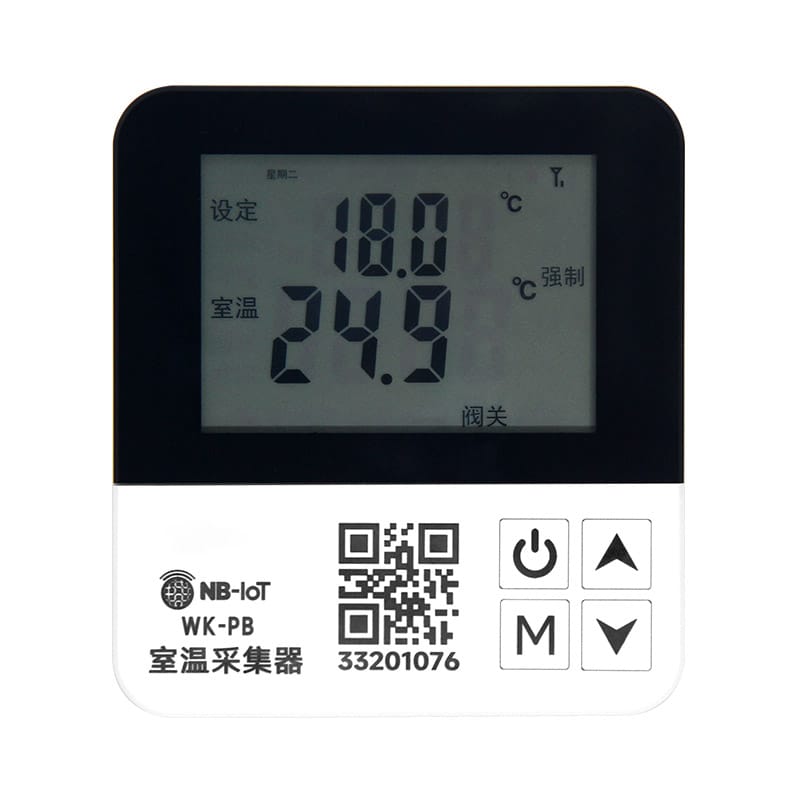
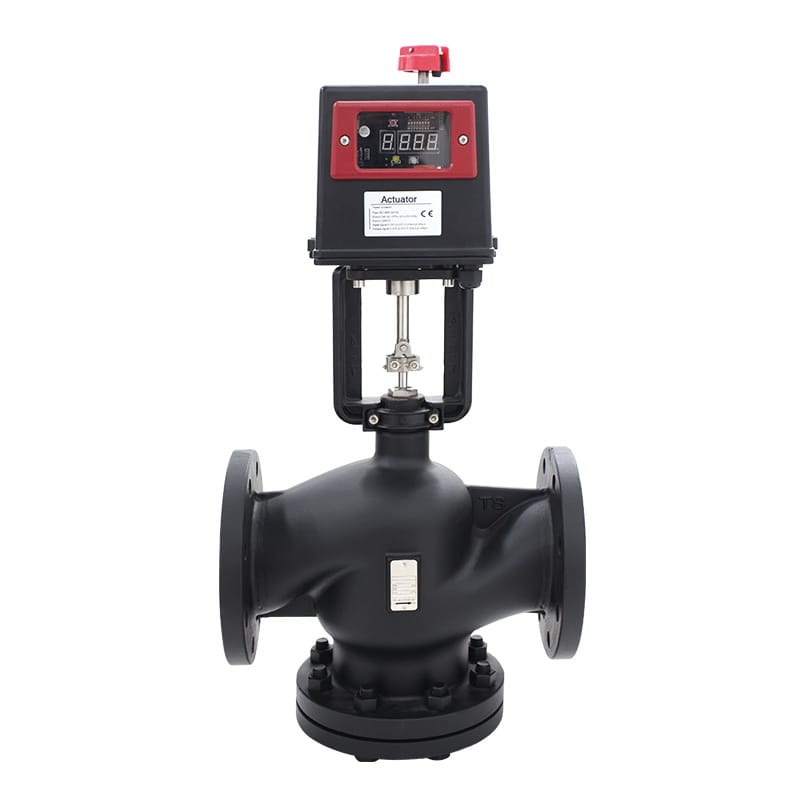
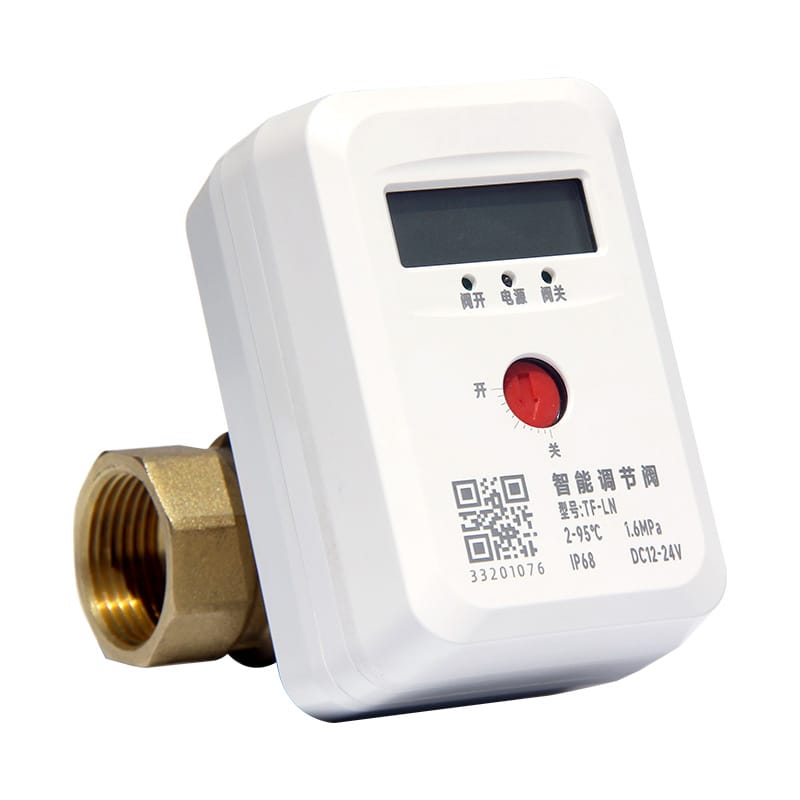
Dingjia options supporting “Understand Two-Way Valve Operation” include the on/off controller for “Map the Hydronic System First”, flanged regulating valve for “Understand Two-Way Valve Operation”, electric control valve for “Understand Three-Way Mixing and Diverting”, intelligent control valve for “Evaluate Pump Energy and Return Temperature”. For “Understand Two-Way Valve Operation,” send operating conditions and interface requirements to the engineering team before selection. The inquiry should also assign responsibility for “Protect Equipment Minimum Flow” and “Check Valve Authority and Differential Pressure.”