Table of Contents
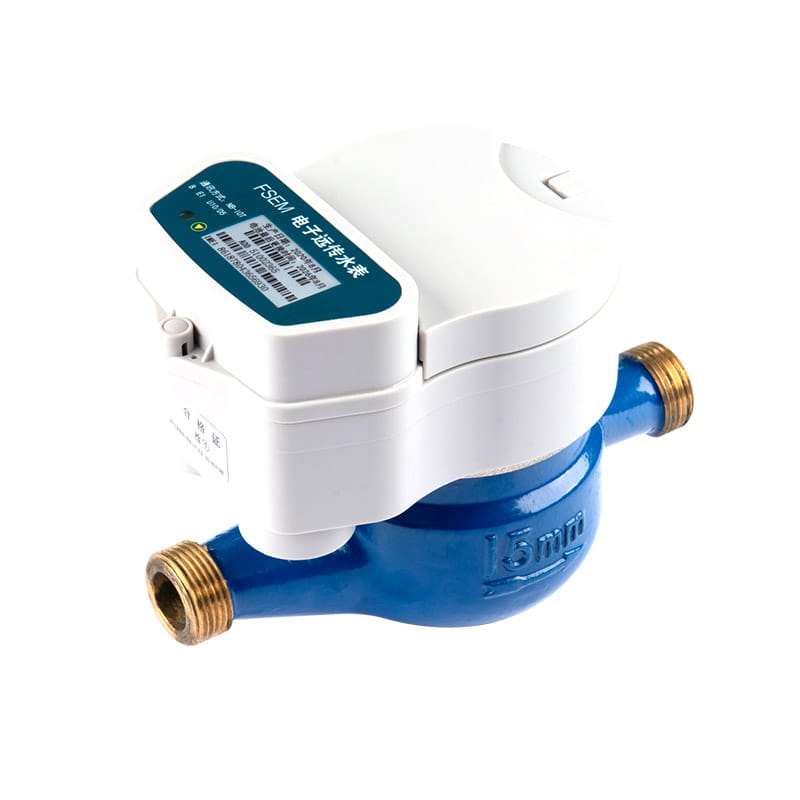
As a leading manufacturer of remote read water meters, we understand the growing importance of accurate, efficient, and modern water measurement solutions. In today’s fast-paced world, traditional water meters are increasingly being replaced by smart water meters, wireless water meters, and IoT-integrated water management systems that provide real-time data and enable better resource management. This comprehensive guide will walk you through everything you need to know about remote read water meters, from how they work to their applications, benefits, and future trends.
What is a Remote Read Water Meter?
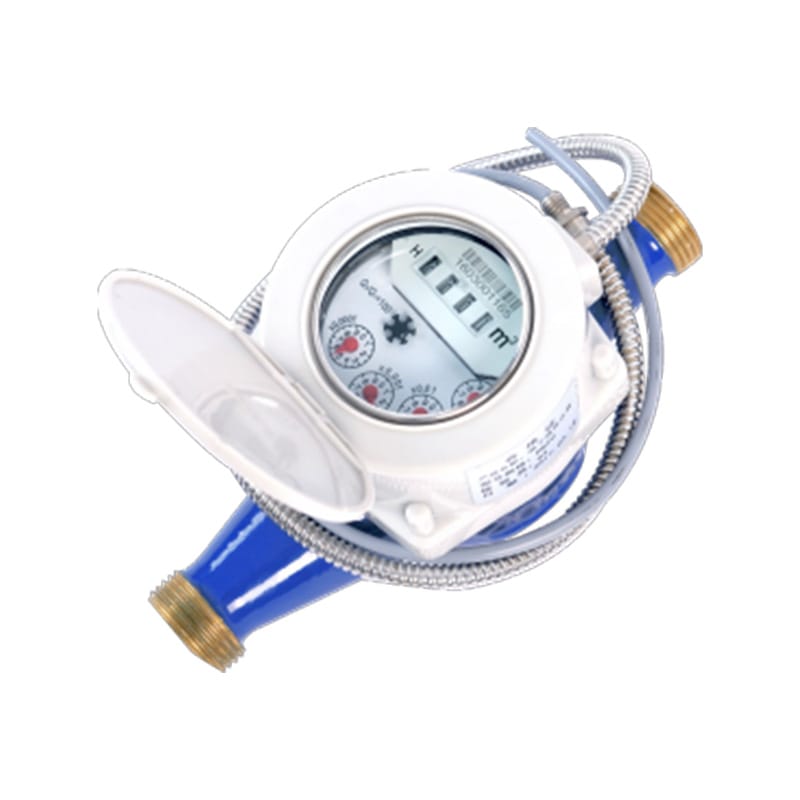
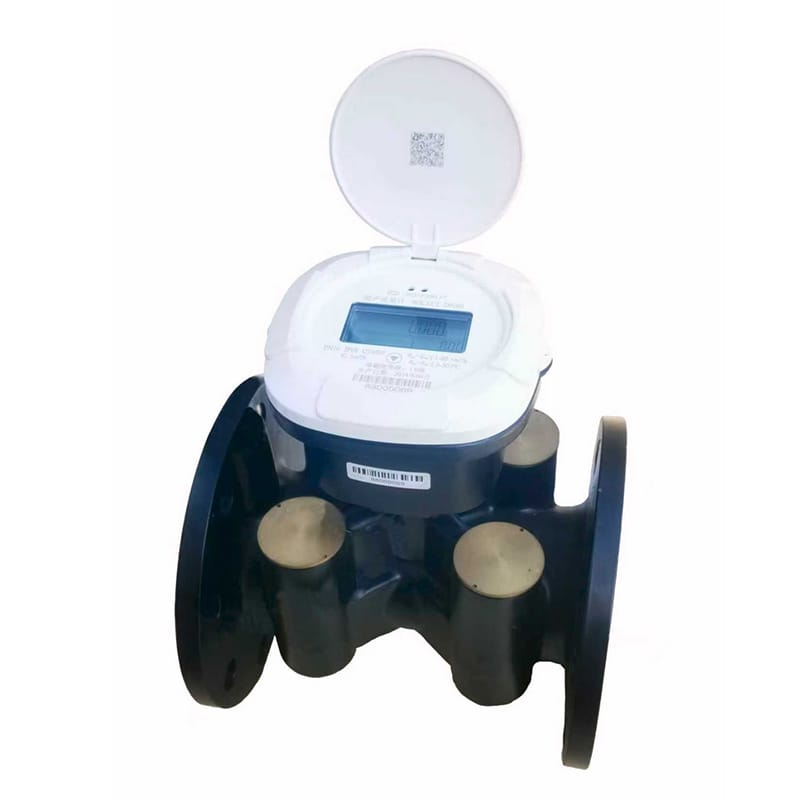
A remote read water meter is a type of water measurement device that allows water usage to be monitored and recorded without the need for manual readings. Unlike traditional meters, which require on-site inspection, remote read water meters transmit consumption data electronically, making them ideal for residential, commercial, and industrial applications.
These meters typically consist of:
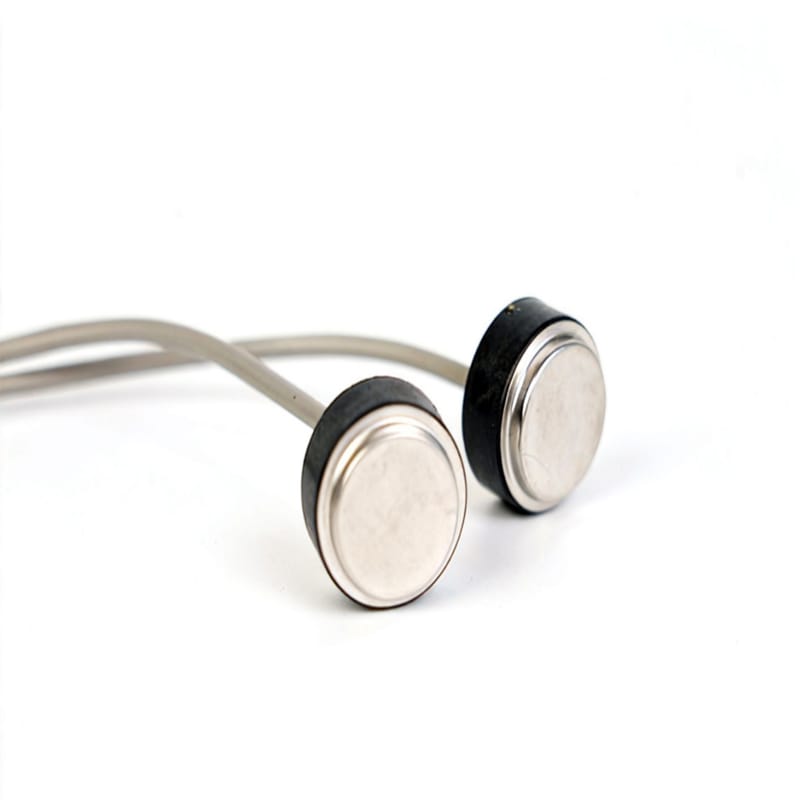
- Measuring unit: Accurately records water flow.
- Communication module: Transmits data via wireless networks like RF, LoRa, NB-IoT, or cellular systems.
- Software platform: Integrates with water management systems for monitoring, billing, and analysis.
Compared to conventional water meters, remote water meters significantly reduce human errors, provide timely consumption reports, and support advanced analytics for water utilities and property managers.
How Remote Read Water Meters Work
Remote read water meters rely on advanced technologies to measure and transmit water usage. Most modern systems use wireless communication, enabling users to access real-time data remotely through web platforms or mobile apps.
Key steps in the process include:
- Flow Measurement: Water passes through the meter, and the internal measuring unit records usage.
- Data Transmission: The meter sends data via wireless networks (RF, NB-IoT, LoRa) to a central system.
- Integration and Analysis: Water management systems collect, analyze, and store the data for reporting, alerts, and optimization.
By automating these steps, remote water meters enable utilities and businesses to monitor consumption trends, detect leaks, and optimize water distribution.
Types of Remote Read Water Meters
Remote read water meters come in a variety of types to suit different applications:
- Smart Water Meters: Offer real-time monitoring, app connectivity, and advanced analytics. Ideal for smart homes and modern buildings.
- Digital Remote Read Meters: Accurate and easy-to-install meters that transmit data periodically for billing purposes.
- Residential, Commercial, and Industrial Models: Designed according to flow capacity and usage patterns.
- Wired vs Wireless: Wired meters connect to central systems through physical cables, while wireless meters use RF or IoT technology for easier installation and scalability.
Advantages of Remote Read Water Meters
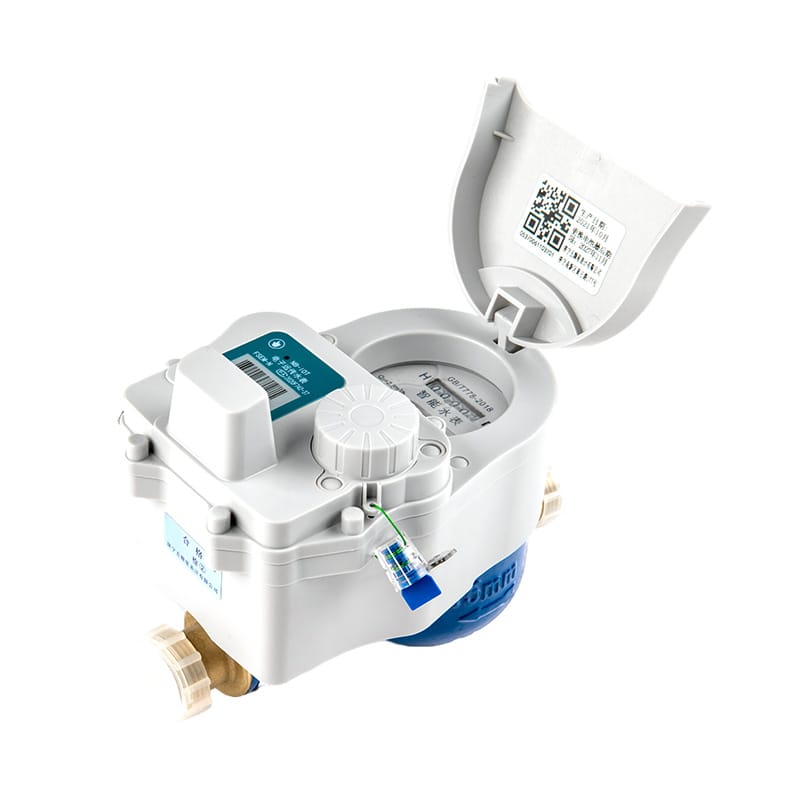
Investing in a remote water meter offers multiple benefits:
- Improved Accuracy: Automated readings reduce human error and billing disputes.
- Remote Monitoring: Users can track consumption data in real-time, even off-site.
- Operational Efficiency: Utilities save time and cost on manual meter reading.
- Water Conservation: Early leak detection and usage analytics promote sustainable water management.
- Cost Savings: Reduced labor and maintenance costs improve long-term ROI.
Applications of Remote Water Meters
Remote water meters are versatile and used in a wide range of scenarios:
- Municipal Water Supply Systems: Monitor large-scale consumption and optimize distribution.
- Residential Smart Homes: Integrate with home automation systems for real-time usage alerts.
- Commercial Buildings and Industrial Facilities: Enable efficient water management and cost tracking.
- IoT-Based Smart Cities: Support sustainable urban water management with real-time data analytics.
Key Features to Look for in a Remote Read Water Meter
When selecting a remote read water meter, consider the following features:
| Feature | Importance | Notes |
|---|---|---|
| Connectivity Options | High | RF, NB-IoT, LoRa for wireless monitoring |
| Battery Life | High | Longer battery reduces maintenance frequency |
| Data Logging | Medium | Enables historical usage analysis |
| Remote Monitoring App | High | Provides real-time alerts and reports |
| Compatibility | High | Must integrate with existing water management systems |
| Accuracy | High | Ensure precise billing and leak detection |
| Durability | Medium | Resistant to environmental factors and long-lasting |
These factors ensure that the meter meets your technical requirements and provides reliable, long-term performance.
Buying Guide for Remote Read Water Meters
As a manufacturer of remote water meters, we recommend evaluating the following when purchasing:
- Application Needs: Residential, commercial, or industrial usage determines flow capacity and connectivity requirements.
- Connectivity Options: Choose meters compatible with your monitoring platform (RF, LoRa, NB-IoT).
- Budget Considerations: High-quality meters may have higher upfront costs but offer significant long-term savings.
- Supplier Reliability: Work with trusted manufacturers to ensure quality, warranty, and technical support.
Choosing the right meter ensures accuracy, efficiency, and long-term cost savings.
Installation and Maintenance Tips
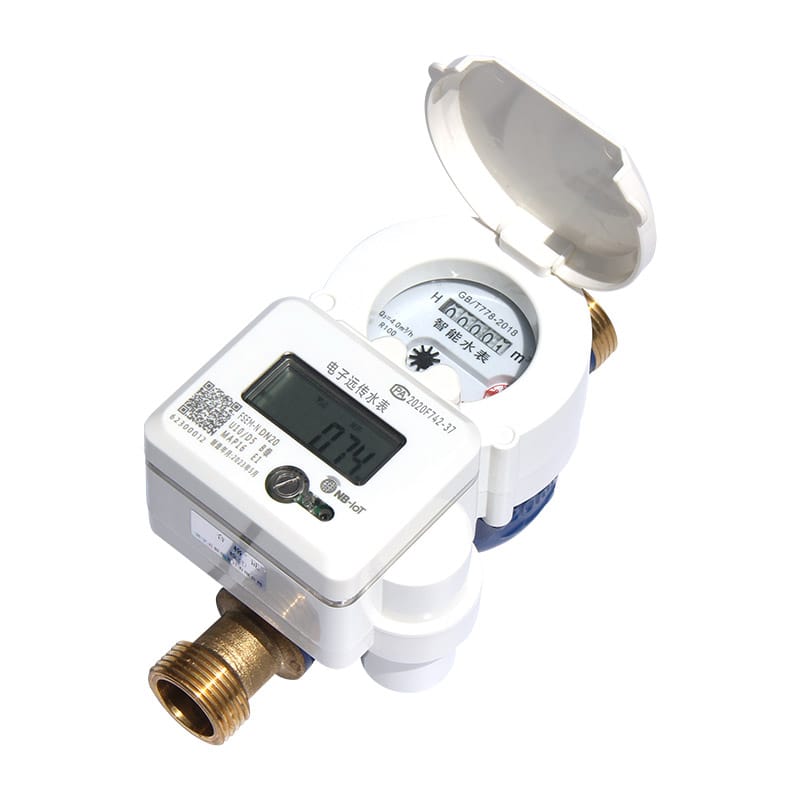
Proper installation and maintenance are crucial for reliable meter performance:
- Professional vs DIY: For large systems, professional installation ensures accuracy and reduces errors.
- Common Mistakes: Avoid incorrect placement, improper sealing, and misaligned connections.
- Routine Maintenance: Check battery levels, inspect for leaks, and periodically validate readings to maintain performance.
By following best practices, users can extend meter lifespan and maintain accurate water usage data.
Conclusion
Remote read water meters are transforming water management for residential, commercial, and industrial users. As a trusted manufacturer, we offer high-quality meters with advanced features, reliable connectivity, and long-term support. By adopting smart, wireless, and IoT-enabled meters, users can improve accuracy, reduce costs, and contribute to sustainable water usage.
If you are looking to upgrade your water management system with reliable and efficient remote read water meters, contact us today for a tailored solution that meets your specific needs.
FAQ
Q1: What is a remote read water meter?
A1: A remote read water meter is a device that measures water usage and transmits data electronically, eliminating the need for manual readings. It can be integrated with smart water management systems for real-time monitoring.
Q2: How does a remote read water meter work?
A2: Remote read water meters use wireless communication technologies like RF, LoRa, or NB-IoT to send water consumption data to a central system, allowing users to track usage remotely via apps or online dashboards.
Q3: What are the benefits of using a remote read water meter?
A3: Benefits include improved accuracy, real-time monitoring, reduced labor costs, leak detection, and enhanced water management efficiency for residential, commercial, and industrial applications.
Q4: Can remote read water meters be used in smart homes?
A4: Yes, smart water meters with remote reading capabilities can integrate into home automation systems, providing real-time water usage data, alerts, and insights to help conserve water.
Q5: How do I choose the right remote water meter?
A5: Consider factors like connectivity options (RF, LoRa, NB-IoT), accuracy, battery life, compatibility with existing water management systems, and whether it is suited for residential, commercial, or industrial use.
Upgrade Your Water Management Today!
Discover the benefits of our high-quality remote read water meters and optimize your water usage with precision and efficiency. Contact us now to get a customized solution tailored to your residential, commercial, or industrial needs.