Table of Contents
Introduction
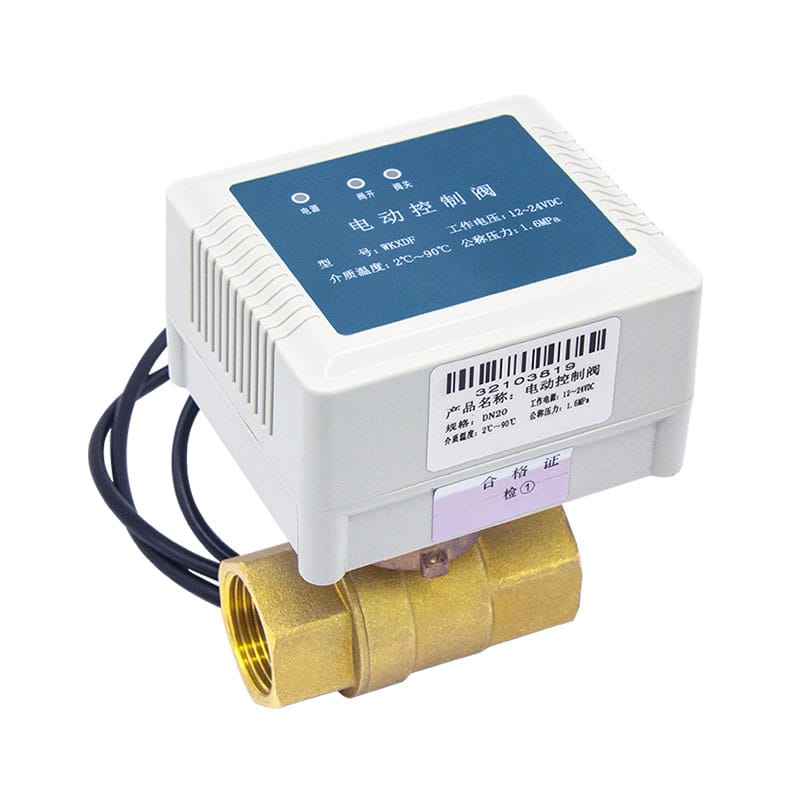
An electric actuated flow control valve is a key component in modern industrial automation systems, designed to regulate fluid flow with high precision through an electric actuator. It is widely used in pipelines where accurate flow control, remote operation, and system integration are required.
As a manufacturer of electric actuated flow control valves, the focus is not only on producing reliable hardware but also on helping industrial buyers understand how to select the right valve for long-term performance and system stability. This article is designed to provide both technical clarity and practical buying insights while supporting SEO visibility for industrial users searching for reliable valve solutions.
Electric actuated flow control valves are commonly applied in water treatment, chemical processing, HVAC systems, oil and gas pipelines, and automated industrial production lines.
How Electric Actuated Flow Control Valve Works
The working principle of an electric flow control valve is based on the combination of an electric actuator and a valve body. The actuator receives an electrical control signal and converts it into mechanical motion, adjusting the valve opening to regulate flow rate.
In most industrial systems, the valve is integrated with PLC (Programmable Logic Controller) or DCS (Distributed Control System), enabling automated and remote control.
Key operational steps:
- Control signal is sent to the actuator
- Electric motor drives internal gearing
- Valve stem adjusts opening position
- Flow rate is regulated according to system demand
- Feedback system ensures accuracy and stability
This automation structure reduces manual intervention and improves process efficiency across industrial applications.
Key Components of Electric Flow Control Valve
An electric flow control valve is built from several critical components that determine its performance and durability:
- Electric actuator unit (motor, gearbox, control module)
- Valve body (stainless steel, carbon steel, or alloy materials)
- Valve trim (disc, seat, or plug depending on design)
- Sealing system for leak prevention
- Position feedback device for accurate control
Each component plays a role in ensuring stable operation under different pressure, temperature, and medium conditions.
Advantages of Electric Actuated Flow Control Valve
Electric actuated flow control valves are widely used due to their strong performance advantages in industrial environments:
- High precision flow regulation
- Remote and automated operation capability
- Reduced labor and operational cost
- Stable performance under continuous operation
- Easy integration with modern control systems
- Long service life with low maintenance requirements
These advantages make them suitable for industries requiring consistent and accurate fluid control.
Industrial Applications of Electric Actuated Flow Control Valve
Electric actuated flow control valves are used across multiple industries where fluid regulation is critical:
- Water treatment and wastewater management systems
- Oil and gas transmission pipelines
- Chemical and petrochemical processing plants
- HVAC and building automation systems
- Power generation and steam control systems
- Food, beverage, and pharmaceutical production lines
Their adaptability makes them an essential component in both heavy industry and precision manufacturing environments.
Electric Actuated Flow Control Valve vs Other Valve Types
| Feature | Electric Actuated Valve | Pneumatic Valve | Manual Valve |
|---|---|---|---|
| Control Method | Electric signal | Compressed air | Manual operation |
| Precision | High | Medium | Low |
| Automation | Fully automated | Semi-automated | Not automated |
| Maintenance | Low | Medium | Low |
| Cost Efficiency | High long-term value | Moderate | Low initial cost |
| Industrial Integration | Excellent (PLC/DCS) | Good | Limited |
Electric actuated flow control valves provide a more stable and precise solution for modern automated systems compared to traditional manual or pneumatic alternatives.
How to Choose the Right Electric Actuated Flow Control Valve
Selecting the right valve is critical for system efficiency and long-term reliability. Key factors include:
- Flow rate and pressure requirements
- Type of fluid or medium
- Temperature and working environment
- Valve material compatibility
- Actuator torque and control accuracy
- Electrical control system compatibility
- Installation space and pipeline design
From a manufacturer’s perspective, many performance issues come from incorrect sizing or improper specification selection. That is why engineering support is essential during the purchasing process.
Electric Actuated Flow Control Valve Manufacturing Process
As a direct manufacturer, production quality control is a key factor in ensuring product reliability:
- Raw material inspection and selection
- CNC machining of valve body components
- Precision assembly of actuator system
- Electrical system integration and calibration
- Pressure and leakage testing
- Final quality inspection before shipment
Strict manufacturing standards ensure stable performance in demanding industrial environments.
Maintenance and Troubleshooting Tips
Proper maintenance helps extend valve service life and prevent system failures:
- Regular inspection of actuator operation
- Cleaning of valve body and sealing surfaces
- Lubrication of mechanical components
- Checking electrical connections and signals
- Calibration of control system feedback
Common issues include actuator failure, leakage, or inaccurate flow control, which are usually caused by improper installation or lack of maintenance.
Why Choose Us as Your Electric Actuated Flow Control Valve Manufacturer
As a professional electric actuated flow control valve manufacturer, we focus on delivering reliable industrial solutions rather than just standard products.
Key advantages include:
- Direct factory supply with competitive pricing
- Custom engineering and OEM/ODM support
- Strict quality control system
- Wide range of industrial applications
- Stable production capacity for bulk orders
- Export experience for global markets
Working directly with a manufacturer ensures better technical support, faster response, and cost efficiency for long-term projects.
Buying Guide for Electric Actuated Flow Control Valve
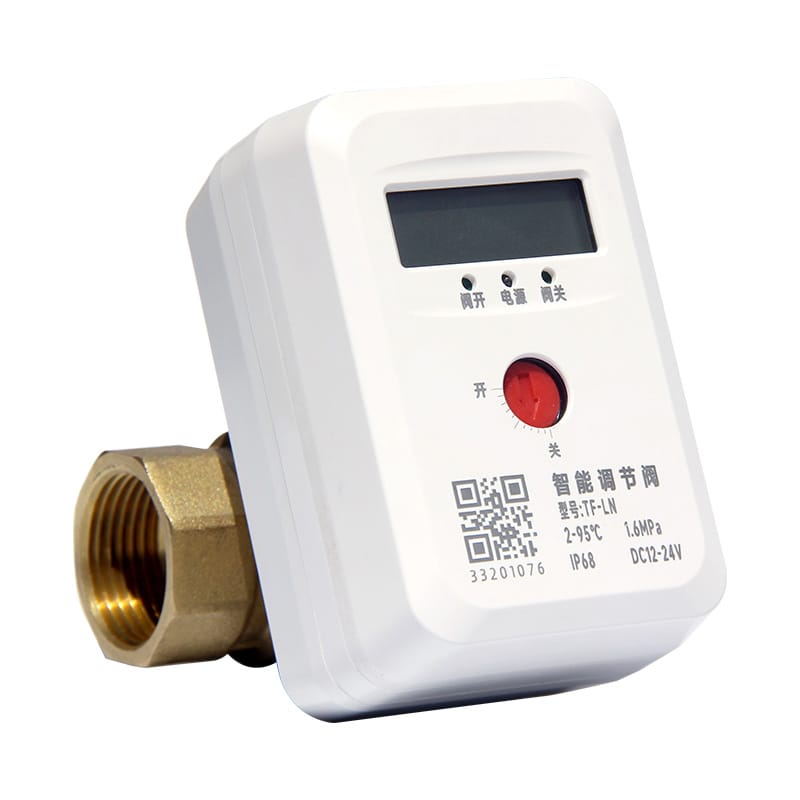
Before placing an order, industrial buyers should evaluate:
- Technical specifications and performance requirements
- Material selection based on media type
- Pressure rating and temperature limits
- Control system compatibility
- Supplier manufacturing capability
- Delivery time and after-sales support
For bulk procurement, working directly with a factory helps reduce cost while ensuring consistent product quality.
Future Trends in Electric Actuated Flow Control Valve Technology
The valve industry is evolving toward smarter and more efficient systems:
- Integration with IoT and smart monitoring systems
- Energy-efficient actuator development
- Predictive maintenance using digital diagnostics
- Increased automation in industrial pipelines
- Higher demand for corrosion-resistant materials
These advancements will continue to improve operational efficiency and system reliability in industrial flow control applications.
Conclusion
Electric actuated flow control valves play an essential role in modern industrial automation, offering precise flow regulation, improved efficiency, and reliable system performance across multiple industries.
As a dedicated electric actuated flow control valve manufacturer, our goal is to provide high-quality, durable, and customizable solutions that meet global industrial demands. By combining engineering expertise with strict manufacturing standards, we support customers in achieving stable operation and long-term cost efficiency.
With the continued growth of industrial automation, demand for electric actuated flow control valves will keep increasing, making them a critical component in future smart manufacturing and process control systems.
FAQ
What is an electric actuated flow control valve used for?
An electric actuated flow control valve is used to regulate fluid flow automatically in industrial pipelines. It is commonly applied in water treatment, oil and gas, HVAC systems, and chemical processing where precise flow control is required.
How does an electric actuated flow control valve work?
It works by receiving an electrical signal that drives the actuator motor. The actuator adjusts the valve opening to control flow rate, often integrated with PLC or automated control systems for remote and precise operation.
What are the advantages of using an electric actuated flow control valve?
Key advantages include high precision flow regulation, automation capability, reduced manual labor, stable performance, and easy integration with industrial control systems.
How do I choose the right electric flow control valve?
Selection depends on flow rate, pressure, fluid type, temperature conditions, valve material, and compatibility with your control system. Working with a reliable manufacturer ensures proper technical support.
What industries commonly use electric flow control valves?
They are widely used in water treatment plants, chemical industries, oil and gas pipelines, HVAC systems, power plants, and food processing industries where automated flow control is required.