
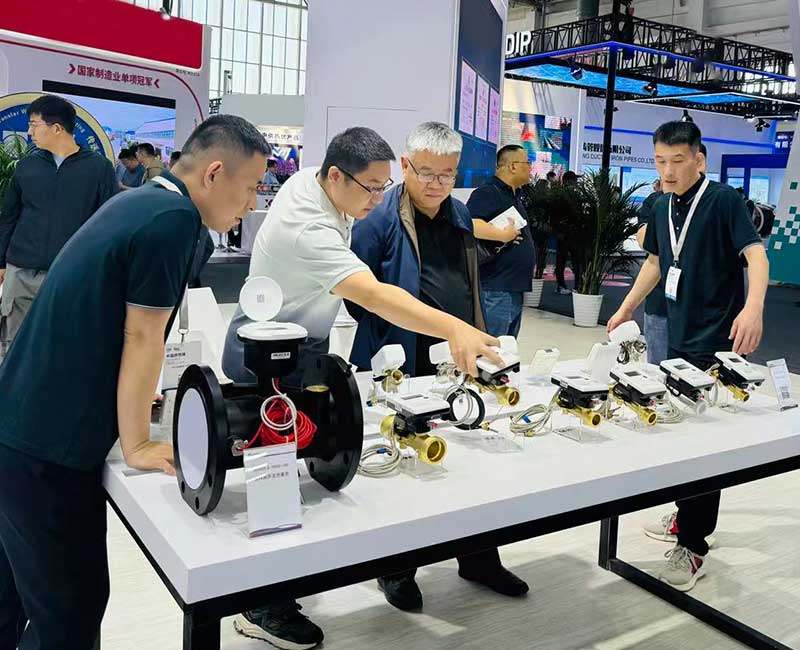
Accurate flow measurement is essential for modern industrial systems. Whether a facility is managing process water, chilled water, wastewater, chemical liquids, or utility pipelines, the right flow meter can help improve control, reduce waste, and support better decision-making. For many industrial users, an ultrasonic pipe flow meter has become a practical choice because it can measure liquid flow with flexible installation, stable performance, and low maintenance requirements.
Unlike traditional mechanical flow meters, an ultrasonic pipe flow meter uses ultrasonic signals to calculate flow velocity inside a pipe. Depending on the model and application, it can be installed outside the pipe, inserted into the pipeline, or mounted as an inline device. This flexibility makes it suitable for both new pipeline systems and existing industrial pipelines where cutting the pipe is not convenient.
As an ultrasonic pipe flow meter manufacturer, we often see buyers focus only on price or basic pipe size. However, choosing the right model requires a deeper understanding of liquid type, pipe material, flow range, installation conditions, output signal, and accuracy requirements. This guide explains the key points industrial buyers should consider before selecting an ultrasonic flow meter for their project.
Table of Contents
What Is an Ultrasonic Pipe Flow Meter?
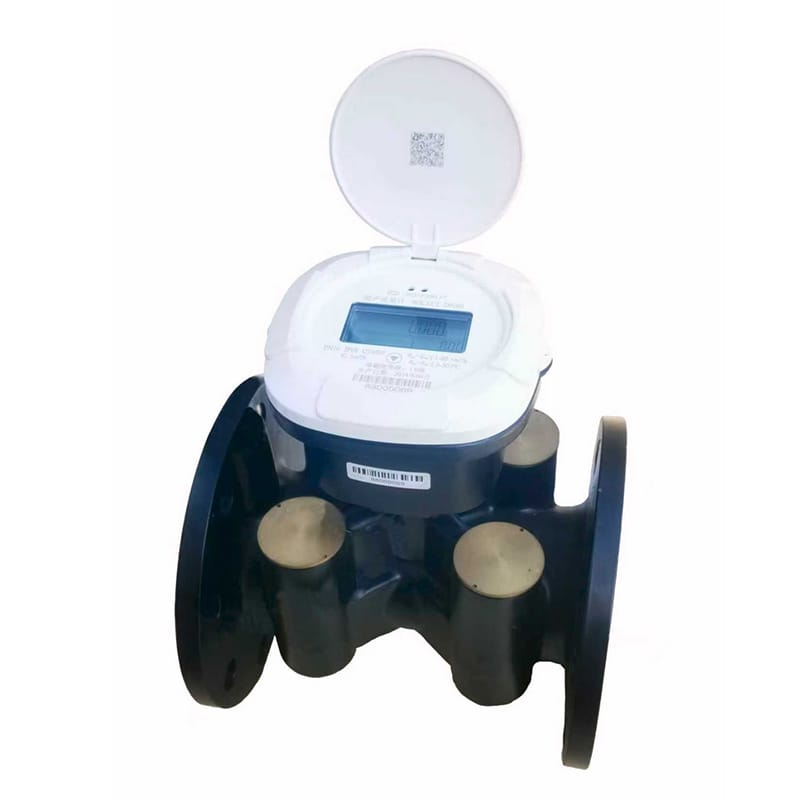
An ultrasonic pipe flow meter is a flow measurement instrument designed to measure liquid flow inside a closed pipe using ultrasonic sound waves. It does not rely on rotating blades, gears, or mechanical moving parts. Instead, it calculates flow rate by analyzing ultrasonic signal behavior through or across the flowing liquid.
In industrial applications, this type of flow meter is widely used for water supply systems, wastewater treatment, cooling water pipelines, HVAC systems, chemical processing, pump stations, energy monitoring, and factory water management. It is especially useful when users need reliable measurement without frequent mechanical maintenance.
Common Types of Ultrasonic Pipe Flow Meters
There are several common types of ultrasonic flow meters, including clamp on ultrasonic pipe flow meter, inline ultrasonic flow meter, portable ultrasonic pipe flow meter, wall mounted ultrasonic flow meter, transit time ultrasonic flow meter, and Doppler ultrasonic flow meter.
A clamp on ultrasonic flow meter is installed outside the pipe and is popular for existing pipelines. An inline ultrasonic flow meter is installed directly into the pipeline and is often used for long-term fixed measurement. A portable ultrasonic pipe flow meter is commonly used for temporary testing, flow inspection, and on-site troubleshooting.
How Does an Ultrasonic Pipe Flow Meter Work?
The working principle of an ultrasonic pipe flow meter depends mainly on ultrasonic signal transmission. In most industrial liquid applications, two main technologies are used: transit time and Doppler.
Transit Time Ultrasonic Flow Meter
A transit time ultrasonic flow meter uses two ultrasonic sensors to send and receive signals both upstream and downstream. When liquid flows through the pipe, the ultrasonic signal traveling with the flow moves faster than the signal traveling against the flow. The meter calculates the time difference between these two signals and converts it into flow velocity and flow rate.
Transit time technology is commonly used for clean liquids or liquids with low suspended solids. It is suitable for clean water, chilled water, hot water, process water, and many industrial liquid systems. For stable and accurate measurement, the pipe should usually be full, and the liquid should allow ultrasonic signals to pass through clearly.
Doppler Ultrasonic Flow Meter
A Doppler ultrasonic flow meter works differently. It measures the frequency shift of ultrasonic signals reflected by bubbles, suspended solids, or particles in the liquid. This makes it suitable for some dirty liquids, wastewater, sludge, or liquids containing impurities.
When choosing between transit time and Doppler technology, the most important question is the condition of the liquid. Clean liquids usually match transit time meters better, while liquids with particles or bubbles may require Doppler technology.
Why Industrial Users Choose Ultrasonic Pipe Flow Meters
The demand for ultrasonic pipe flow meters has grown because many industrial users want a flow measurement solution that is easier to install, easier to maintain, and more adaptable to different pipeline systems.
Non-Invasive Installation
One major advantage is non-invasive installation. A clamp on ultrasonic pipe flow meter can be mounted on the outside of the pipe, which means there is no need to cut the pipe, stop production, or change the pipeline structure. This is especially valuable for operating factories, water systems, HVAC systems, and retrofit projects.
Low Maintenance Design
Another important benefit is low maintenance. Since ultrasonic flow meters do not use internal moving parts, they avoid many wear problems found in mechanical flow meters. This can reduce maintenance costs and improve long-term reliability.
No Pressure Loss
Ultrasonic flow meters also help avoid pressure loss. Because clamp on models do not enter the pipe and inline models are designed for smooth flow measurement, they do not create the same pressure drop that some mechanical devices may cause.
Key Applications of Ultrasonic Pipe Flow Meter
An ultrasonic pipe flow meter can be used in many industries. The best application depends on the liquid type, pipe size, working environment, and measurement purpose.
Water Treatment Systems
Water treatment plants need reliable flow measurement for raw water, clean water, filtered water, chemical dosing lines, and distribution pipelines. An ultrasonic pipe flow meter for water can help operators monitor flow rate, optimize pump performance, and manage system efficiency.
Clamp on ultrasonic flow meters are especially useful when the plant wants to add measurement points without modifying existing pipelines. Inline ultrasonic flow meters are also commonly used where permanent and stable monitoring is required.
Wastewater and Sewage Pipelines
Wastewater applications can be more challenging because the liquid may contain solids, bubbles, sludge, or uneven flow conditions. In these cases, the selection of the right ultrasonic flow meter technology is very important.
For some wastewater pipelines, Doppler ultrasonic flow meters may be more suitable. For treated wastewater or relatively clean discharge lines, transit time ultrasonic flow meters may also work well. Before ordering, buyers should provide details about the liquid condition so the manufacturer can recommend the right model.
HVAC and Chilled Water Systems
HVAC systems often require accurate measurement of chilled water, hot water, and circulating water. An ultrasonic flow meter for HVAC applications helps building operators monitor energy use, balance system performance, and improve efficiency.
A wall mounted ultrasonic pipe flow meter is often used for fixed monitoring in commercial buildings, industrial facilities, hospitals, hotels, and large public buildings. When paired with temperature sensors and communication output, it can also support energy management systems.
Cooling Water and Process Water
In industrial plants, cooling water and process water flow directly affect equipment performance. Poor flow control can cause overheating, unstable production, or unnecessary energy consumption. Ultrasonic pipe flow meters can be used to monitor cooling loops, process water supply, and return water pipelines.
For these applications, buyers should pay close attention to temperature range, pipe size, liquid cleanliness, and installation location.
Chemical and Industrial Liquid Pipelines
Some chemical liquids are corrosive or difficult to measure with traditional mechanical meters. A non-invasive ultrasonic flow meter can be a good choice because clamp on sensors do not contact the liquid directly. This helps reduce corrosion risks and simplifies maintenance.
However, not every chemical liquid is suitable for ultrasonic measurement. The liquid’s acoustic properties, concentration, bubbles, viscosity, and temperature should be checked before selecting the meter.
Main Types of Ultrasonic Pipe Flow Meter
Choosing the right product type is one of the most important steps in the buying process.
| Type | Installation Method | Best For | Main Advantage |
|---|---|---|---|
| Clamp on ultrasonic pipe flow meter | Sensors mounted outside the pipe | Existing pipelines, water systems, HVAC, retrofit projects | No pipe cutting and easy installation |
| Inline ultrasonic flow meter | Installed directly in the pipeline | New pipeline systems and fixed monitoring | Stable long-term measurement |
| Portable ultrasonic pipe flow meter | Temporary external installation | Field testing, inspection, maintenance work | Easy to move between different sites |
| Wall mounted ultrasonic flow meter | Fixed control unit with external sensors | Industrial monitoring and utility systems | Suitable for continuous operation |
| Doppler ultrasonic flow meter | External or fixed installation depending on model | Wastewater and liquids with particles or bubbles | Better for certain dirty liquid applications |
| Transit time ultrasonic flow meter | External or inline installation | Clean water and low-particle liquids | High accuracy under proper conditions |
This table can help buyers quickly compare different product types, but final selection should always be based on actual working conditions.
How to Choose the Right Ultrasonic Pipe Flow Meter
Selecting the right ultrasonic pipe flow meter is not only about choosing a product from a catalog. It is a technical decision based on the pipeline and the liquid. Below are the key factors buyers should confirm before placing an order.
Confirm the Liquid Type
The first question is: what liquid needs to be measured?
Clean water, chilled water, hot water, seawater, wastewater, oil, chemical liquid, and slurry may require different meter types. Transit time ultrasonic flow meters are often suitable for clean liquids, while Doppler ultrasonic flow meters may be better for liquids containing suspended particles or bubbles.
For industrial users, it is important to provide the liquid name, temperature, concentration, cleanliness, and whether the liquid contains gas or solids. This helps the manufacturer recommend the correct technology.
Check Pipe Material
Pipe material affects ultrasonic signal transmission. Common pipe materials include carbon steel, stainless steel, cast iron, ductile iron, PVC, copper, and plastic pipes. Some pipes may have linings, coatings, rust, or scale inside, which can affect measurement accuracy.
For a clamp on ultrasonic pipe flow meter, the sensor must send ultrasonic signals through the pipe wall. That is why pipe material, wall thickness, outer diameter, and lining information should be confirmed before selection.
Confirm Pipe Size and Wall Thickness
Pipe diameter is one of the most basic selection parameters. Ultrasonic flow meters can be used for small, medium, and large diameter pipes, but different sensors may be required for different pipe sizes.
For example, a DN50 pipe and a DN500 pipe may need different sensor types or installation methods. Wall thickness also matters because it affects signal strength and sensor spacing.
Before ordering, buyers should provide pipe outer diameter, nominal diameter, wall thickness, and pipe schedule if available.
Define the Installation Method
The installation method depends on the project situation.
If the pipeline already exists and cannot be cut, a clamp on ultrasonic pipe flow meter is usually preferred. If the system is new and allows pipeline modification, an inline ultrasonic flow meter may be suitable. If the user needs temporary testing at different locations, a portable ultrasonic pipe flow meter is a practical choice.
For fixed industrial monitoring, wall mounted models are commonly used because they can connect to control systems and operate continuously.
Review Accuracy Requirements
Different projects require different accuracy levels. For general flow monitoring, a standard accuracy level may be enough. For process control, billing reference, energy management, or critical industrial measurement, higher accuracy may be required.
Accuracy is affected by many factors, including straight pipe length, pipe condition, sensor installation, liquid stability, full pipe condition, and correct parameter settings. A high accuracy ultrasonic pipe flow meter still needs proper installation to perform well.
Check Output and Communication Signals
Modern industrial systems often require more than local display. Many buyers need the flow meter to connect with PLC, SCADA, data logger, or remote monitoring systems.
Common signal options include 4-20mA output, RS485, Modbus, pulse output, relay output, and data logging. Before ordering, buyers should confirm which signal is required for their control system.
An ultrasonic flow meter with RS485 or Modbus is often used in industrial automation. A 4-20mA output is commonly used for analog control systems. Pulse output may be used for total flow recording.
Consider Power Supply and Working Environment
Power supply requirements vary depending on the model. Fixed ultrasonic flow meters may use AC or DC power, while portable ultrasonic flow meters often use rechargeable batteries.
The working environment is also important. Outdoor installation may require waterproof protection. Industrial sites may require dust resistance, stable housing, strong cables, and protection against temperature changes. For harsh environments, buyers should consider IP65, IP67, or other suitable protection levels.
Installation Tips for Better Measurement Accuracy
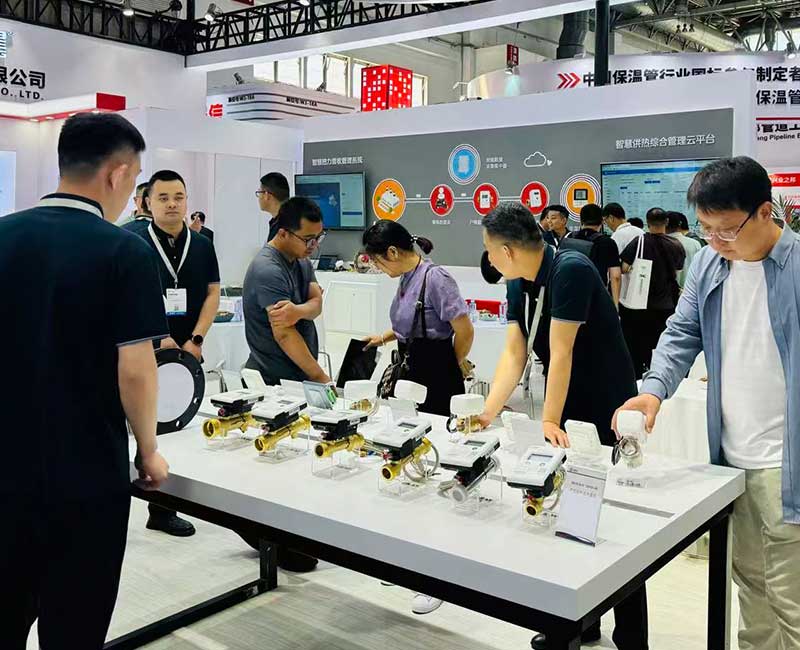
Even the right ultrasonic pipe flow meter can give poor results if installed incorrectly. Installation quality directly affects signal strength and measurement stability.
Choose a Suitable Straight Pipe Section
The meter should be installed on a straight pipe section as far as possible from pumps, valves, elbows, reducers, and other components that disturb the flow. A stable flow profile helps improve measurement accuracy.
If there is not enough straight pipe length, the manufacturer should be consulted for installation suggestions.
Make Sure the Pipe Is Full
Ultrasonic flow meters generally require full pipe conditions for reliable measurement. If the pipe is partially filled, the ultrasonic signal path may not represent the actual flow correctly.
This is especially important in drainage, wastewater, and gravity flow applications. Buyers should confirm whether the pipeline stays full during operation.
Prepare the Pipe Surface
For clamp on ultrasonic flow meter installation, the pipe surface should be clean, smooth, and free from heavy rust, paint layers, scale, or dirt. Good contact between the sensor and pipe surface improves ultrasonic signal transmission.
Coupling gel or coupling material is usually applied between the sensor and pipe to reduce signal loss.
Enter Correct Parameters
The flow meter must be configured with accurate pipe and liquid parameters. These may include pipe diameter, wall thickness, pipe material, lining material, liquid type, sound velocity, sensor type, and installation method.
Incorrect parameters can lead to incorrect flow readings even when the sensor is installed properly.
Avoid Bubbles and Heavy Sediment
Air bubbles, foam, and heavy sediment may weaken ultrasonic signals or cause unstable readings. If the liquid contains many bubbles or solids, Doppler technology or another suitable meter type may be needed.
Common Selection Mistakes to Avoid
Many buyers know they need an ultrasonic pipe flow meter, but they may not know what details affect performance. The following mistakes are common in industrial purchasing.
Choosing Only by Pipe Size
Pipe size is important, but it is not enough. Liquid type, temperature, pipe material, signal output, installation site, and accuracy requirements must also be considered.
Ignoring Liquid Condition
A meter suitable for clean water may not work well for wastewater with heavy particles. A transit time meter and a Doppler meter are designed for different liquid conditions. Choosing the wrong technology can lead to weak signals or unstable readings.
Overlooking Installation Space
Some pipelines do not have enough straight pipe length or enough space for sensor installation. Before purchasing, buyers should check the actual installation site and provide photos or drawings if possible.
Not Confirming Output Signal
If the flow meter needs to connect with a control system, output signal must be confirmed before production or shipment. Choosing the wrong signal type may create additional integration costs.
Focusing Only on Low Price
Price matters, but an unsuitable meter can cost more in the long run through inaccurate data, reinstallation, maintenance, and project delays. A reliable ultrasonic pipe flow meter manufacturer should help buyers choose the right model instead of simply offering the cheapest option.
Why Buy Directly from an Ultrasonic Pipe Flow Meter Manufacturer?
For industrial buyers, purchasing directly from a manufacturer can provide several advantages. A manufacturer understands the product structure, sensor matching, calibration process, installation requirements, and application limits better than a general trading company.
Better Model Selection
A professional manufacturer can recommend the right ultrasonic pipe flow meter based on pipe size, liquid type, flow range, installation method, and output signal. This reduces the risk of buying the wrong model.
Customization Support
Many industrial projects need customized solutions. These may include sensor cable length, display language, communication output, power supply, mounting accessories, logo customization, OEM service, or special packaging.
As a manufacturer, we can support project-based customization for distributors, engineering companies, and industrial end users.
Technical Support Before and After Purchase
Technical support is important for ultrasonic flow meter applications. Buyers may need help with sensor installation, parameter setting, signal troubleshooting, or system integration.
Direct manufacturer support can make communication faster and more accurate, especially for complex industrial projects.
More Competitive Factory Pricing
Buying from an ultrasonic pipe flow meter factory can reduce unnecessary middle costs. For bulk orders, OEM cooperation, or long-term distribution, factory-direct pricing can improve purchasing efficiency.
What Information Should Buyers Provide Before Ordering?
To recommend the right ultrasonic pipe flow meter, the manufacturer usually needs several basic details.
| Buyer Information | Why It Matters |
|---|---|
| Pipe material | Affects ultrasonic signal transmission and sensor selection |
| Pipe diameter and wall thickness | Determines sensor type and installation spacing |
| Liquid type | Helps choose transit time or Doppler technology |
| Liquid temperature | Ensures the meter and sensor can handle working conditions |
| Flow range | Helps confirm measurement stability and accuracy |
| Installation method | Determines clamp on, inline, portable, or wall mounted model |
| Output signal | Supports PLC, SCADA, data logger, or remote monitoring |
| Power supply | Ensures compatibility with the site electrical system |
| Installation environment | Helps choose suitable protection grade and accessories |
| Order quantity and application | Supports accurate quotation and project planning |
Providing this information helps the manufacturer prepare a more accurate recommendation and quotation. It also reduces the chance of installation problems after delivery.
How Ultrasonic Pipe Flow Meter Supports Industrial Efficiency
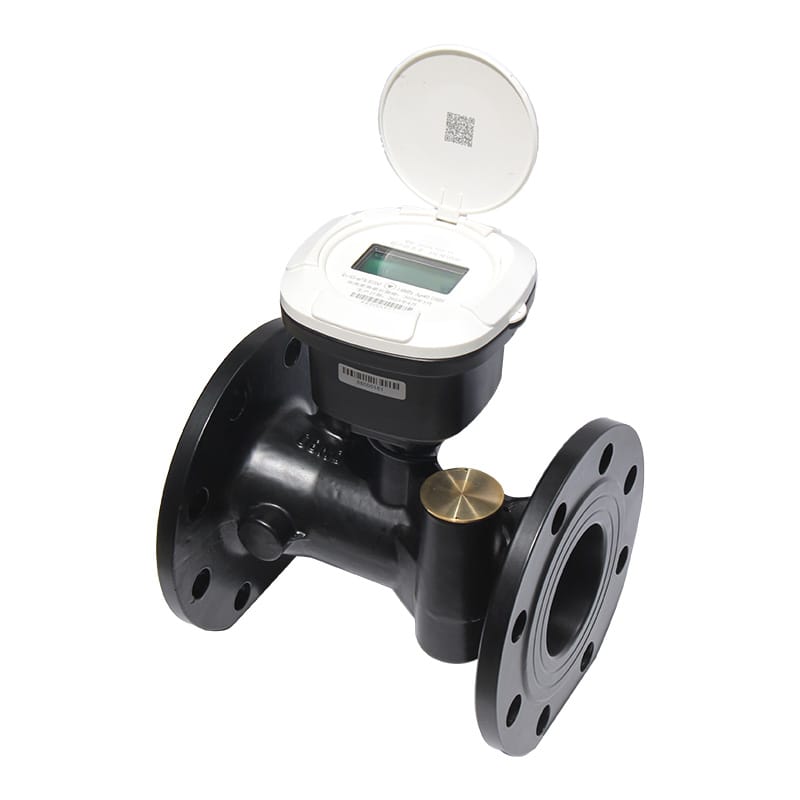
A well-selected ultrasonic pipe flow meter does more than display flow rate. It helps industrial users understand how liquid moves through their systems. This data can support energy saving, pump control, leakage detection, process optimization, and water consumption management.
In a cooling water system, flow data can help operators identify insufficient circulation or unnecessary pump operation. In a water treatment plant, it can support flow balancing and process control. In a factory water network, it can help monitor consumption and improve resource management.
For companies focused on long-term efficiency, accurate flow measurement is not just a technical requirement. It is part of better system management.
Conclusion
Choosing the right ultrasonic pipe flow meter is an important decision for industrial flow measurement. The correct model can improve measurement accuracy, reduce installation work, lower maintenance costs, and support better pipeline monitoring. For clean water, chilled water, wastewater, HVAC, cooling water, and industrial liquid applications, ultrasonic technology offers flexible options for both existing pipelines and new systems.
As an ultrasonic pipe flow meter manufacturer, we understand that every project has different requirements. Pipe size, liquid condition, installation method, signal output, and accuracy expectations all matter. If you are selecting a flow meter for an industrial pipeline project, providing detailed working conditions will help us recommend a suitable model, offer technical guidance, and prepare a reliable quotation for your application.
FAQ
What is an ultrasonic pipe flow meter used for?
An ultrasonic pipe flow meter is used to measure liquid flow inside closed pipelines. It is commonly applied in water treatment, wastewater systems, HVAC, cooling water, industrial process pipelines, chemical liquid measurement, and energy monitoring.
Is a clamp on ultrasonic pipe flow meter accurate?
Yes, a clamp on ultrasonic pipe flow meter can provide accurate and stable measurement when the pipe is full, the liquid condition is suitable, the installation position is correct, and the meter parameters are properly set.
Can an ultrasonic pipe flow meter measure wastewater?
Yes, but the right technology must be selected. For wastewater with bubbles or suspended solids, a Doppler ultrasonic flow meter may be more suitable. For treated or relatively clean wastewater, a transit time ultrasonic flow meter may also be used.
Does an ultrasonic pipe flow meter need pipe cutting?
A clamp on ultrasonic pipe flow meter does not require pipe cutting because the sensors are installed outside the pipe. Inline models, however, need to be installed into the pipeline.
What affects ultrasonic flow meter accuracy?
Accuracy can be affected by pipe material, pipe diameter, wall thickness, liquid condition, bubbles, sediment, straight pipe length, sensor position, full pipe condition, and parameter settings.
How do I choose the best ultrasonic pipe flow meter?
To choose the right meter, confirm the liquid type, pipe size, pipe material, flow range, temperature, installation method, accuracy requirement, output signal, and working environment. For industrial projects, it is best to consult the manufacturer before ordering.