Table of Contents
Introduction
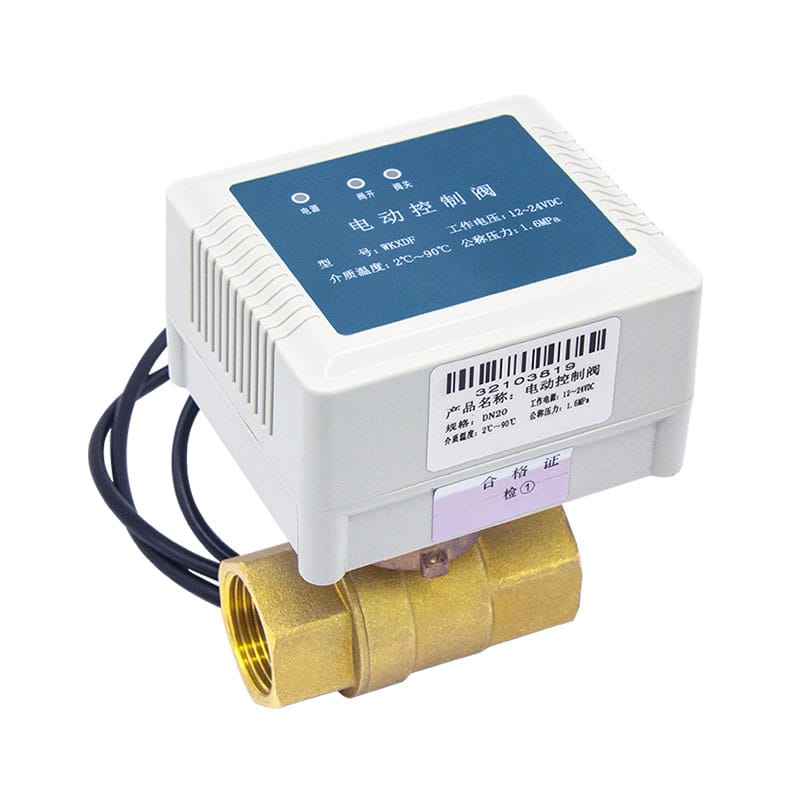
In modern industrial systems, automation is no longer optional—it is the foundation of productivity, safety, and cost control. As a manufacturer of industrial valves, we continuously observe how electric control valves have become a key component in improving process stability and operational efficiency across multiple industries.
Electric control valves are widely used to regulate flow, pressure, and temperature in automated systems. Compared with traditional manual valves, they provide more precise control and can be easily integrated into PLC and DCS automation systems. This makes them essential in industries such as water treatment, HVAC, chemical processing, and energy systems.
For companies aiming to improve efficiency and reduce operational costs, understanding how electric control valves contribute to automation is critical.
What Is an Electric Control Valve and How It Works
An electric control valve is a flow control device driven by an electric actuator. It receives control signals from an automation system and adjusts valve opening accordingly, allowing accurate regulation of process media such as water, steam, oil, or gas.
The basic working principle includes:
- A control signal (commonly 4–20mA or 0–10V) is sent from PLC/DCS
- The electric actuator converts the signal into mechanical movement
- The valve stem adjusts the opening position
- Flow rate is regulated based on system demand
Key components include the valve body, electric actuator, positioner, and feedback system. This closed-loop control system ensures high accuracy and repeatability in industrial environments.
Role of Electric Control Valves in Industrial Automation Systems
Electric control valves are essential in automated industrial processes where precision and consistency are required.
They are commonly integrated into:
- PLC (Programmable Logic Controller) systems
- DCS (Distributed Control Systems)
- SCADA monitoring systems
Once connected, the valve can automatically adjust flow parameters in real time without manual intervention. This reduces human error and improves production stability.
In industries such as chemical processing and water treatment, even small variations in flow control can affect product quality. Electric control valves help maintain consistent operating conditions throughout the system.
Key Benefits of Electric Control Valves for Efficiency Improvement
The adoption of electric control valves significantly improves industrial automation efficiency in multiple ways.
| Benefit | Description |
|---|---|
| High precision control | Ensures accurate regulation of flow, pressure, and temperature |
| Energy efficiency | Reduces unnecessary energy consumption in process systems |
| Automation compatibility | Easily integrates with PLC and DCS systems |
| Reduced labor cost | Minimizes manual operation and supervision |
| Lower maintenance demand | Fewer mechanical components compared to pneumatic systems |
| Stable performance | Improves process consistency and safety |
These advantages make electric control valves a preferred solution in modern industrial automation projects.
Electric Control Valves vs Pneumatic and Hydraulic Valves
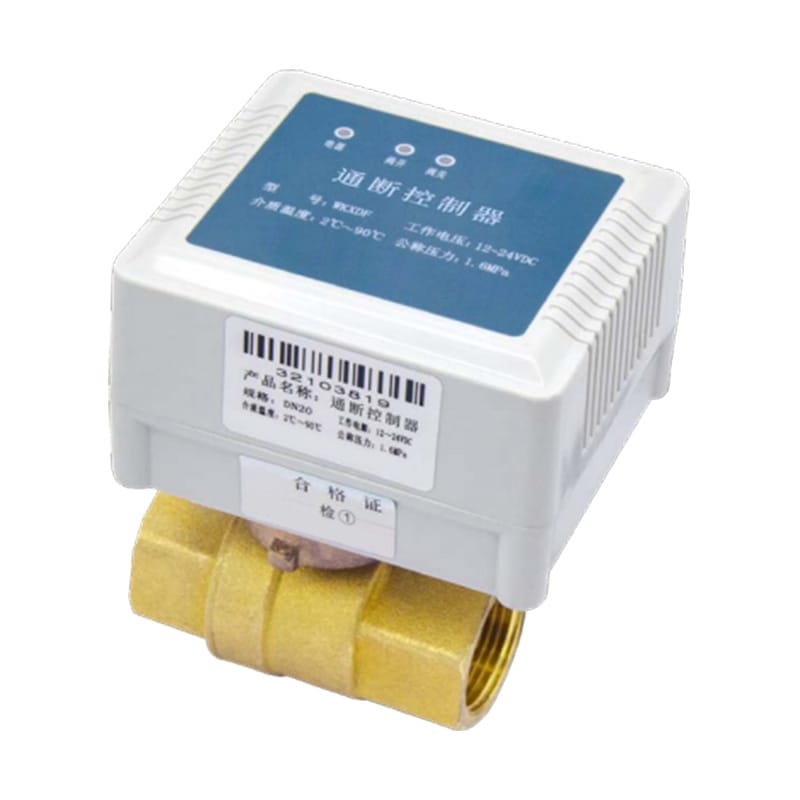
When selecting a control valve system, engineers often compare electric, pneumatic, and hydraulic options.
Electric control valves are especially advantageous in environments where clean energy use and precise digital control are required.
- Electric systems require no compressed air supply
- Pneumatic valves respond quickly but require air infrastructure
- Hydraulic valves are powerful but more complex and maintenance-heavy
Electric control valves strike a balance between efficiency, control accuracy, and ease of integration, making them suitable for most industrial automation systems.
Applications of Electric Control Valves in Industrial Sectors
Electric control valves are widely used across different industries due to their adaptability and reliability.
Common applications include:
- HVAC systems for chilled and hot water control
- Water treatment plants for flow regulation and distribution
- Oil and gas pipelines for pressure and flow balancing
- Chemical processing systems for reaction control
- Power plants for steam and boiler control
- Food and pharmaceutical production lines requiring hygienic flow control
Each application requires different valve specifications, such as pressure rating, material selection, and actuator torque.
How Electric Control Valve Design Impacts Performance
As a manufacturer, we understand that valve design directly determines performance, durability, and automation efficiency.
Key design factors include:
- Valve body materials such as stainless steel, carbon steel, or brass
- Actuator torque and responsiveness
- Flow coefficient (Cv value) affecting capacity
- Sealing structure to prevent leakage
- Compatibility with industrial communication systems
A well-designed electric control valve ensures stable operation even under high pressure and continuous working conditions.
How to Choose the Right Electric Control Valve Manufacturer
For industrial buyers, selecting a reliable supplier is as important as choosing the product itself.
When evaluating a manufacturer, consider:
- Production capability and technical expertise
- OEM and customization support
- Quality control and testing standards
- Export experience and certifications
- After-sales service and technical support
Working with an experienced factory ensures consistent product quality and long-term system reliability.
Installation and Maintenance Considerations for Electric Control Valves
Proper installation and maintenance are essential to ensure optimal performance.
Installation best practices:
- Ensure correct wiring and signal configuration
- Match actuator voltage and control system requirements
- Calibrate valve stroke accurately before operation
Maintenance recommendations:
- Regular inspection of seals and actuator components
- Monitoring response time and control accuracy
- Cleaning internal parts in contaminated environments
- Preventive maintenance scheduling based on usage intensity
A well-maintained valve system significantly extends service life and reduces downtime.
Common Problems That Affect Automation Efficiency
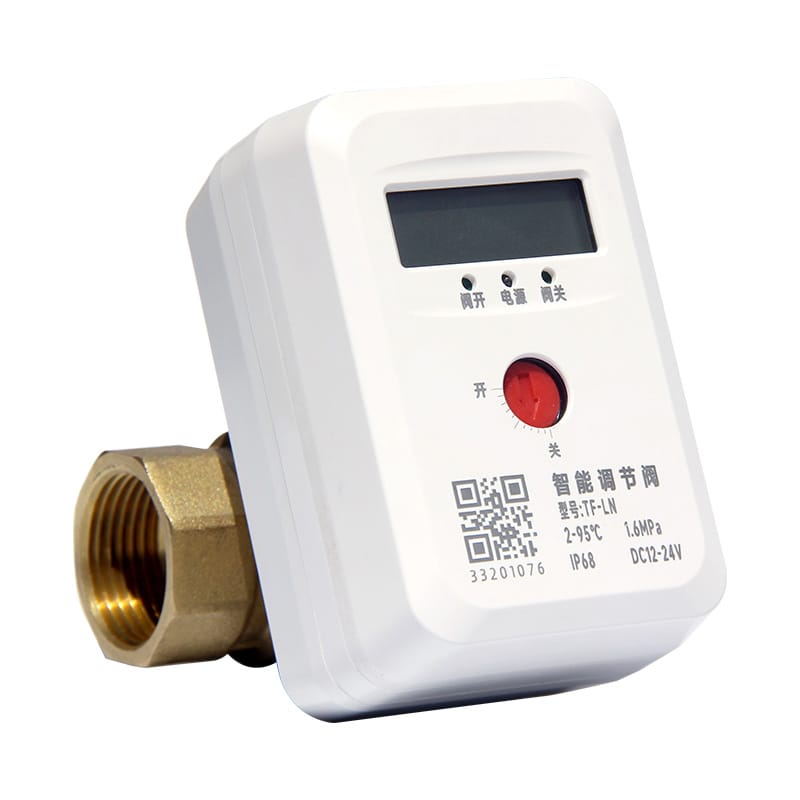
Even high-quality electric control valves may experience operational issues over time.
Common problems include:
- Valve not responding to control signals
- Actuator overheating or electrical failure
- Flow instability due to incorrect sizing
- Leakage caused by worn seals
- Delayed response in high-load systems
Most of these issues can be prevented through correct selection, proper installation, and routine maintenance.
Conclusion
Electric control valves play a vital role in modern industrial automation systems by improving control accuracy, reducing energy consumption, and enhancing overall operational efficiency. Their ability to integrate seamlessly with automation platforms such as PLC and DCS makes them an essential component in industries ranging from water treatment to chemical processing.
As a manufacturer, we focus on delivering reliable and high-performance electric control valve solutions that meet the demands of global industrial applications. With the continuous advancement of automation technology, electric control valves will remain a key driver of smarter and more efficient industrial systems worldwide.
FAQ
What is an electric control valve used for?
An electric control valve is used to automatically regulate flow, pressure, or temperature in industrial pipelines. It is widely applied in HVAC systems, water treatment plants, chemical processing, and other automation systems.
How does an electric control valve work?
It works by receiving an electrical control signal (such as 4–20mA or 0–10V), which drives an electric actuator to adjust the valve opening and control fluid flow precisely.
What are the advantages of electric control valves?
Electric control valves offer high precision, easy automation integration, low maintenance, and improved energy efficiency compared to manual or pneumatic valves.
Where are electric control valves commonly used?
They are commonly used in industrial automation systems such as HVAC, water treatment, oil and gas pipelines, chemical plants, and power generation systems.
How do I choose the right electric control valve?
You should consider factors such as working pressure, fluid type, valve material, actuator type, and compatibility with your automation control system.