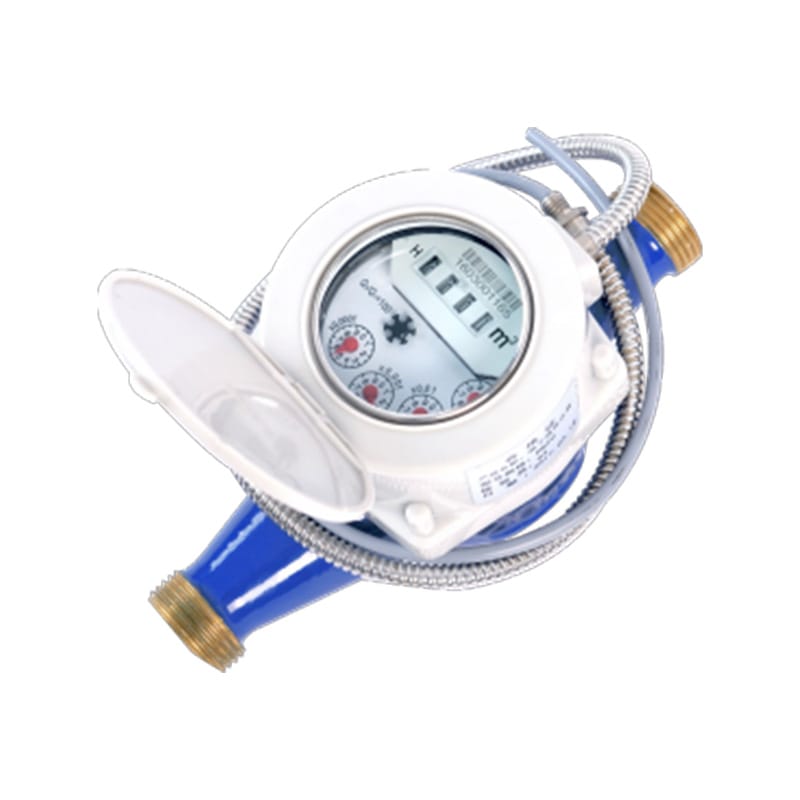
Water scarcity is becoming one of the most pressing challenges facing communities worldwide. According to industry data, traditional water management systems lose 20-30% of treated water every year—known as non-revenue water—with global costs reaching $14 billion annually. As utilities and municipalities search for effective solutions, remote water meter technology has emerged as a game-changer in the fight against water waste. These intelligent metering systems not only track consumption with remarkable precision but also detect leaks in real time, enabling faster responses and significant resource savings.
This article explores how remote water meters work, why they outperform conventional systems, and what benefits they deliver to utilities, manufacturers, and end users alike.
Table of Contents
Introduction

Remote water meter systems represent a fundamental shift in how water consumption is measured and managed. Unlike traditional mechanical meters that require manual reading, these advanced devices automatically capture and transmit usage data through wireless networks. The core purpose of a remote water meter is to provide continuous, accurate visibility into water distribution—eliminating blind spots that lead to waste and billing disputes.
Utilities and manufacturers are increasingly adopting smart metering solutions for several compelling reasons. First, aging infrastructure combined with population growth has intensified pressure on water resources. Second, operational costs for manual meter reading have continued to rise while accuracy has remained inconsistent. Third, regulatory requirements around water conservation have tightened in many regions. Remote water meter technology addresses all three challenges by enabling automated, data-driven management of water networks.
The role of remote water meter systems in improving water efficiency cannot be overstated. By providing granular consumption data at regular intervals—typically every 15 minutes—these systems enable utilities to identify anomalies, optimize pressure management, and respond to issues before they escalate. This shift from reactive to proactive water management is transforming how cities approach resource stewardship.
Modern remote reading water meters also align with broader smart city initiatives. As urban infrastructure becomes increasingly connected, water utilities are integrating metering data with cloud platforms and analytics tools to gain deeper insights into system performance. This convergence of Internet of Things (IoT) technology and water management is driving the rapid adoption of smart water monitoring solutions across residential, commercial, and industrial sectors.
How Remote Water Meter Works in Real Applications
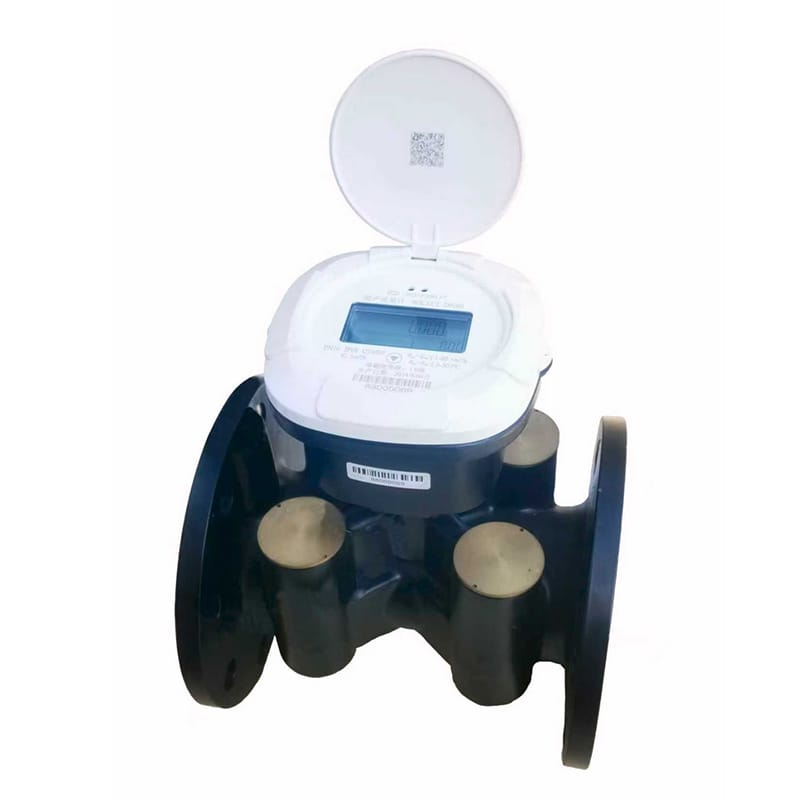
Understanding the working principle of a remote water meter system begins with its core components: the measurement module, communication module, and data management platform. The measurement module uses sensors—often ultrasonic or electromagnetic—to capture water flow data with high precision. This information is then processed by an embedded chip that prepares it for transmission.
Data collection through water flow sensors forms the foundation of accurate metering. Ultrasonic sensors, in particular, offer exceptional accuracy (within ±0.5%) and can detect flow rates as low as 0.01 liters per minute. This sensitivity is crucial for identifying silent leaks that would otherwise go unnoticed. The sensors measure the time it takes for ultrasonic signals to travel upstream and downstream through the water column, calculating flow velocity based on the time difference.
Wireless communication technologies enable the seamless transfer of collected data to central systems. Two dominant protocols have emerged for remote water metering:
| Feature | NB-IoT | LoRaWAN |
|---|---|---|
| Network Type | Cellular (carrier-operated) | Private (unlicensed spectrum) |
| Coverage | 98%+ in urban areas | 5-15 km per gateway |
| Battery Life | 8-10 years | 10+ years |
| Data Rate | Up to 200 kbps | Up to 50 kbps |
| Best For | Cities, dense areas | Rural, remote sites |
| Infrastructure | Uses existing cellular | Requires gateway deployment |
| Monthly Cost | Carrier fees apply | No recurring network fees |
NB-IoT leverages existing cellular infrastructure with coverage exceeding 98%, making it ideal for urban deployments where comprehensive connectivity is essential. LoRaWAN operates on unlicensed frequencies, allowing utilities to deploy private networks—particularly valuable for rural water systems or industrial facilities in remote locations.
Real-time water consumption monitoring and remote data transmission work together to create a comprehensive view of water distribution. Every 15 minutes (or at configurable intervals), the meter transmits consumption data to a cloud-based platform via the communication module. Utilities can then access this information through dashboards, set threshold alerts, and generate reports—all without sending technicians to physically read meters.
Main Causes of Water Waste and Leakage in Traditional Systems
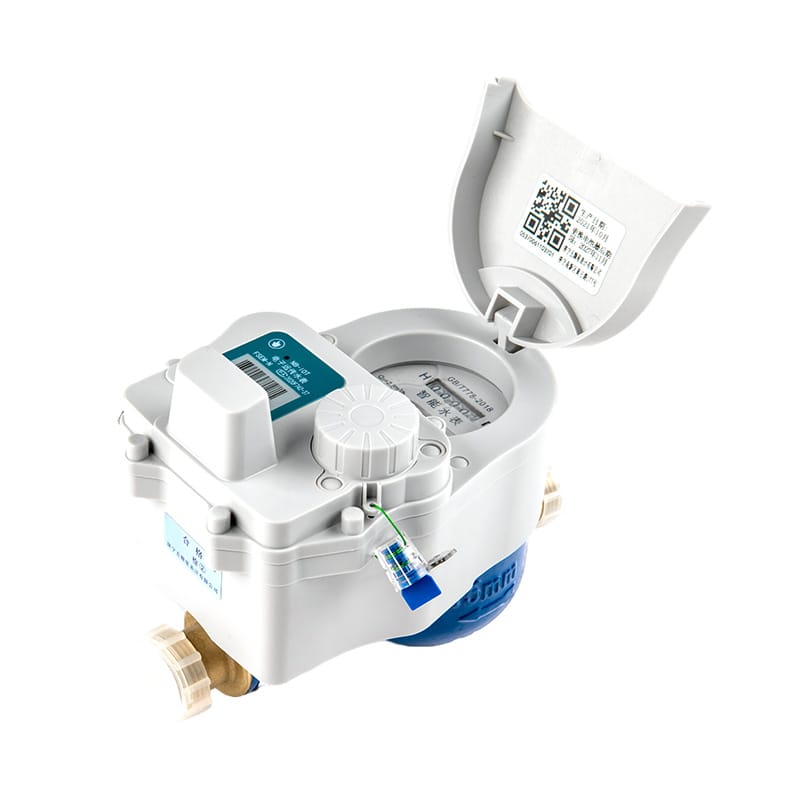
Despite their long history of use, traditional water management systems suffer from several inherent limitations that contribute to significant water loss. Understanding these issues helps explain why the industry is transitioning toward smarter solutions.
Aging mechanical water meters are a primary culprit. As meters age, internal components wear down, leading to measurement drift and inaccuracies. Many older meters under-register consumption, meaning utilities bill customers for less water than actually flows through the pipe. This not only affects revenue but also masks the true extent of water loss in a network. Additionally, mechanical meters lack the sensitivity to detect low-flow leaks, which can persist for months or years before discovery.
Manual meter reading introduces its own set of inefficiencies and errors. Human mistakes—whether misreading dial positions, transcription errors, or simple oversight—can lead to incorrect billing and disputes. Perhaps more significantly, monthly or quarterly reading schedules mean that abnormal consumption patterns go undetected for extended periods. A burst pipe or running toilet may waste thousands of liters before anyone notices.
Undetected pipe leakage represents the largest source of water loss in traditional systems. Pipes buried underground or hidden within building structures are virtually impossible to monitor without continuous instrumentation. Small leaks can develop into major breaches, causing extensive property damage and consuming enormous quantities of treated water. The inability to identify and locate leaks promptly results in both financial losses and wasted natural resources.
Traditional water supply networks also lack the infrastructure for real-time monitoring. Without continuous data streams, utility operators cannot track pressure fluctuations, flow patterns, or system anomalies as they occur. This reactive approach means problems are often discovered only after they cause visible damage or complaints from customers—far too late for preventive intervention.
How Remote Water Meter Detects Leakage More Accurately
The detection capabilities of remote water meters represent one of their most valuable features for reducing water waste. These systems move beyond simple consumption tracking to provide continuous health monitoring of the entire water distribution network.
Continuous flow monitoring forms the first line of defense against leaks. Remote water meters track flow rates around the clock, comparing current readings against historical baselines and established thresholds. When flow continues during periods when no consumption should occur—for example, between midnight and 6 a.m.—the system flags this as a potential leak indicator. This “minimum night flow” analysis is particularly effective for identifying silent leaks in residential properties.
Early warning alerts for potential pipeline leakage enable rapid response before minor issues become major problems. When the system detects abnormalities such as sustained elevated flow rates, sudden pressure drops, or unusual consumption patterns, it automatically generates alerts. Some advanced systems can identify pipeline bursts within 5 minutes of occurrence, allowing utilities to dispatch repair crews before significant water loss occurs.
High-precision ultrasonic or smart sensing technology underpins these detection capabilities. Ultrasonic sensors can identify subtle changes in flow characteristics that might indicate developing problems—before they manifest as visible leaks. These sensors detect flow rates as low as 0.01 liters per minute, enabling identification of dripping faucets, running toilets, and micro-cracks in pipes that would be invisible to traditional metering methods.
Remote diagnostics for water system performance tracking extends leak detection beyond individual meters to encompass the broader network. By aggregating data from multiple meters across a district or city, utilities can identify zones with elevated loss rates, isolate problem areas, and prioritize maintenance activities. AI-powered analytics have improved leak identification accuracy from approximately 60% to 92% in recent deployments, dramatically reducing false alarms and enabling more efficient resource allocation.
Benefits of Remote Water Meter for Utilities and Water Companies
Utilities and water companies stand to gain substantial benefits from deploying remote water meter infrastructure. These advantages span operational efficiency, cost reduction, customer satisfaction, and strategic planning capabilities.
Improved water resource management efficiency ranks among the most significant benefits. With real-time visibility into consumption patterns, pressure levels, and network performance, utility operators can make data-driven decisions about resource allocation, infrastructure investment, and demand management. Continuous monitoring enables optimization of pumping schedules, pressure reduction strategies, and maintenance prioritization—all contributing to more efficient use of treated water and energy.
Reduced operational cost through automated meter reading (AMR/AMI) transforms the economics of water utility operations. Manual meter reading requires significant labor investment—vehicles, personnel, time—with results that are error-prone and infrequent. Automated systems eliminate these recurring expenses while providing far more detailed and accurate data. Case studies from implementations worldwide demonstrate operational cost reductions of 30-50% when comparing manual versus automated reading approaches.
Enhanced billing accuracy and transparent data collection improve both utility revenues and customer relationships. Remote water meters eliminate estimation and transcription errors, ensuring that customers are billed for actual consumption. Detailed consumption data allows customers to understand their usage patterns, identify opportunities for conservation, and verify billing accuracy. This transparency builds trust and reduces disputes and customer service inquiries.
Better control of large-scale municipal water systems enables utilities to manage increasingly complex networks with greater confidence. As cities grow and infrastructure ages, the challenges of maintaining service quality, minimizing losses, and meeting regulatory requirements intensify. Remote water meter data provides the visibility needed to balance these competing priorities effectively, supporting strategic planning through historical trend analysis and scenario modeling.
Role of Smart Communication Technologies in Water Saving
The effectiveness of remote water metering depends critically on the communication technologies that connect meters to central systems. Different protocols offer distinct advantages, and selecting the appropriate technology is essential for achieving optimal results.
NB-IoT remote water meters leverage existing cellular infrastructure to provide reliable, wide-area connectivity. This technology was specifically designed for IoT applications, offering a balance of coverage, power efficiency, and data capacity. The 98%+ network coverage achieved by major carriers makes NB-IoT particularly suitable for urban deployments where comprehensive connectivity is essential. The protocol’s low power requirements enable battery life of 8-10 years, minimizing maintenance interventions in hard-to-access installations.
LoRa-based remote water metering offers an alternative for deployments requiring flexibility or coverage in areas with limited cellular service. LoRaWAN networks can be operated on unlicensed frequencies, allowing utilities to deploy private networks without reliance on carrier infrastructure. This approach is especially valuable for rural water systems, agricultural installations, or industrial facilities in remote locations. The protocol’s low power consumption extends device longevity while its long-range capabilities reduce the number of gateways required.
Cloud-based water data management platforms serve as the intelligence hub for modern metering systems. These platforms aggregate data from thousands or millions of meters, applying analytics to generate insights, trigger alerts, and support decision-making. Cloud architecture enables scalable storage and processing while providing authorized users access from any location. Integration with geographic information systems (GIS) allows visualization of meter data in spatial context, supporting network analysis and maintenance planning.
Integration with smart city water infrastructure systems creates opportunities for holistic urban management. Water metering data can be combined with information from other utility networks (electricity, gas, telecommunications), environmental sensors, weather forecasts, and municipal systems. This integration enables sophisticated applications such as predictive maintenance, demand forecasting, emergency response coordination, and cross-utility optimization—all contributing to more sustainable urban water management.
Remote Water Meter Applications Across Different Industries
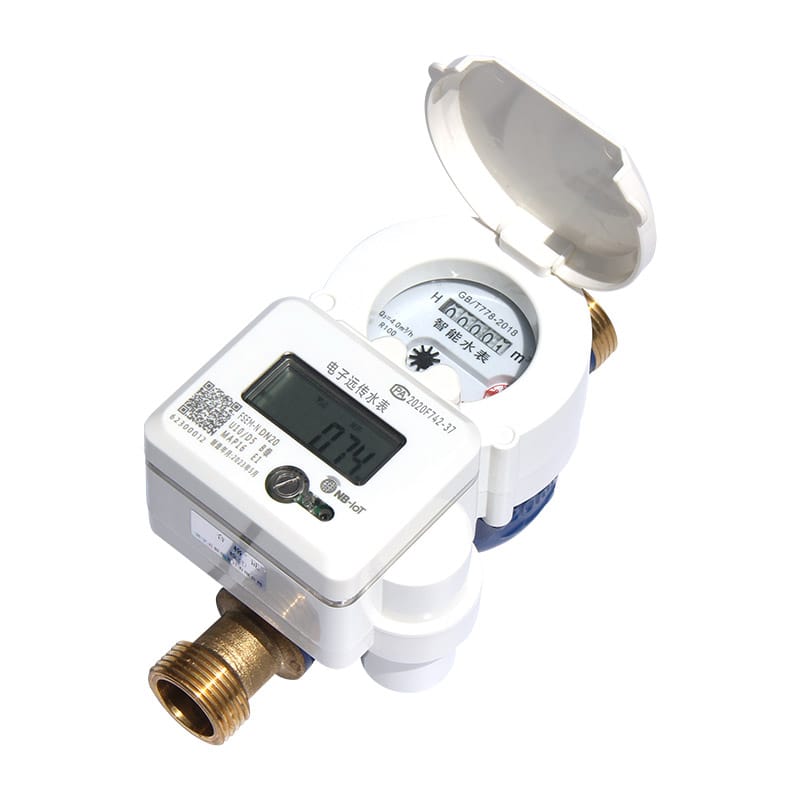
The versatility of remote water meter technology enables deployment across diverse sectors, each with unique requirements and benefits. Understanding these applications illustrates the broad impact of smart metering on water conservation.
Residential apartments and smart housing projects represent a major growth area for remote water metering. Multi-unit buildings benefit from sub-metering capabilities that enable fair allocation of water costs among tenants while identifying individual units with elevated consumption or potential leaks. Smart housing developments increasingly incorporate remote water meters as standard features, integrated with building automation systems and resident portals that display real-time usage data.
Industrial water usage monitoring and control systems require robust, high-capacity metering solutions capable of tracking significant flows with precision. Industrial facilities use remote water meters to optimize processes, identify efficiency opportunities, and ensure compliance with discharge permits. Continuous monitoring enables rapid detection of equipment malfunctions (such as cooling tower overflows or process water leaks) that could result in both water waste and production losses.
Agricultural irrigation water management solutions address the substantial water demands of food production. Remote water meters combined with soil moisture sensors and weather data enable precision irrigation scheduling that applies water only when and where needed. Studies indicate that smart irrigation management can improve water utilization efficiency by more than 30%, a critical improvement given that agriculture accounts for approximately 70% of global freshwater withdrawals.
Municipal water supply and public utility networks form the largest-scale application domain. City-wide deployments of remote water meters provide comprehensive visibility into distribution networks, enabling utilities to identify and address system losses, optimize infrastructure investment, and improve service reliability. Success stories from cities like Le Mans, France—which saved 250,000 cubic meters annually after deploying 120,000 smart meters—demonstrate the transformative potential of municipal-scale implementations.
Manufacturer Perspective: Why Quality Remote Water Meter Matters
From a manufacturing standpoint, producing high-quality remote water meters requires careful attention to materials, design, and precision engineering. The performance and longevity of these devices directly impact the outcomes that utilities and end users experience.
Precision manufacturing in water meter accuracy is non-negotiable for reliable operation. Even small measurement errors compound across thousands of meters and millions of readings, resulting in significant revenue losses or customer billing discrepancies. Quality manufacturers employ rigorous calibration processes, statistical quality control, and traceable standards to ensure that every meter meets specified accuracy requirements. Ultrasonic sensing technology, in particular, requires precise component alignment and advanced signal processing to achieve the ±0.5% accuracy that modern applications demand.
Differences between OEM remote water meter systems and standard models can be substantial. Original Equipment Manufacturer (OEM) partnerships allow utilities and system integrators to obtain meters tailored to their specific requirements—whether for particular communication protocols, form factors, or integration capabilities. Quality OEM manufacturers provide not only the hardware but also technical support, firmware customization, and long-term supply commitments that generic suppliers cannot match.
Durability requirements for long-term outdoor installation demand robust construction. Remote water meters must withstand environmental challenges including temperature extremes, humidity, UV exposure, and temporary submersion. Quality manufacturers use corrosion-resistant materials, герметичные enclosures, and components rated for extended outdoor service. The investment in durable construction pays dividends through reduced failure rates, fewer replacements, and maintained measurement accuracy over meter lifetimes that typically span 10-15 years.
Choosing a reliable remote water meter manufacturer impacts performance throughout the system lifecycle. Beyond the meter itself, factors such as firmware reliability, communication stack stability, data integrity assurance, and technical support responsiveness all influence overall system success. Manufacturers with demonstrated track records, established quality management systems, and commitment to ongoing product development provide utilities with confidence that their investment will deliver expected benefits over the long term.
Installation and Maintenance Considerations
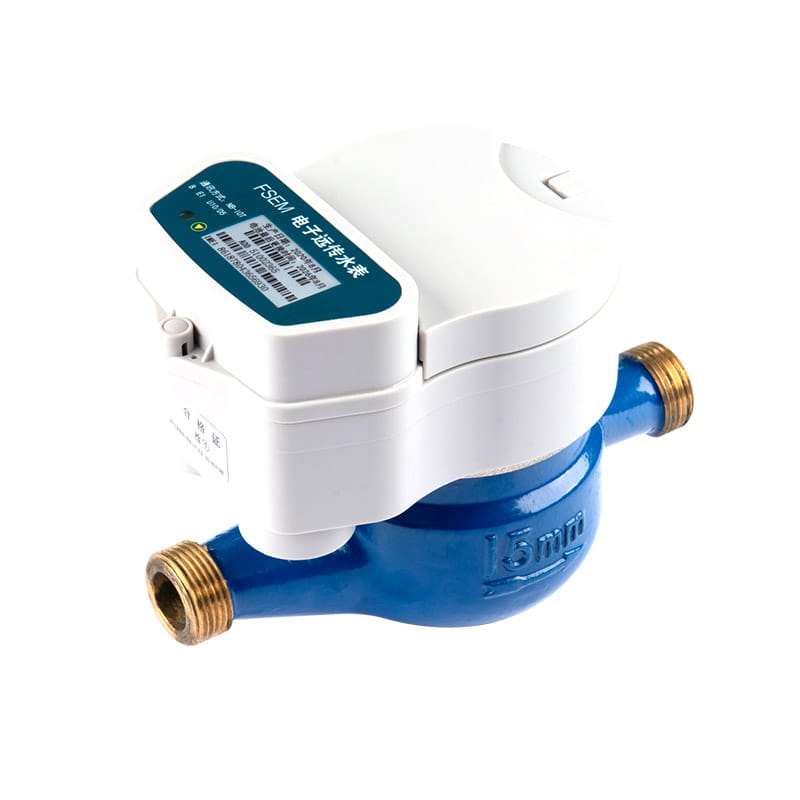
Proper installation and ongoing maintenance are essential for achieving the full potential of remote water meter investments. Attention to these details distinguishes successful deployments from problematic ones.
Proper installation methods for remote water meter systems begin with site assessment and planning. Installers must consider pipe orientation, accessibility for future maintenance, communication signal strength, and protection from environmental hazards. Following manufacturer specifications for pipe preparation, meter positioning, and connector torque values ensures reliable operation and accurate measurement.
Common installation mistakes that affect measurement accuracy include improper pipe preparation (debris, burrs, or misaligned connections), incorrect meter orientation, and insufficient grounding of electrical components. Flow conditioners or straight pipe runs upstream and downstream of the meter are often required for ultrasonic designs to achieve rated accuracy. Failure to address these requirements can result in measurement errors of several percent—undermining the precision benefits that remote water meters provide.
Maintenance tips to ensure long service life and stable performance focus on prevention and early detection. While remote water meters generally require less maintenance than mechanical predecessors, periodic inspections remain important. Checking physical condition, verifying communication connectivity, and reviewing reported data for anomalies help identify issues before they cause failures. Many problems can be diagnosed and resolved remotely, reducing the need for physical site visits.
Calibration and system checking for long-term reliability should be performed according to manufacturer recommendations and regulatory requirements. Some jurisdictions mandate periodic accuracy testing by certified laboratories, while others rely on statistical sampling programs. Documenting calibration activities and maintaining records supports compliance audits and provides evidence of measurement integrity if billing disputes arise.
Conclusion
Remote water meter technology has moved from promising innovation to essential infrastructure for modern water management. By providing continuous, accurate measurement and real-time leak detection capabilities, these systems address the root causes of water waste that have plagued traditional approaches for decades.
The evidence is compelling: smart water meters can reduce non-revenue water by 30-40%, enable leak detection within minutes rather than months, and deliver operational cost savings that justify investment. Case studies from cities worldwide demonstrate that these benefits translate into measurable, sustained improvements in water conservation and system efficiency.
For utilities, manufacturers, and municipalities committed to responsible water stewardship, remote water meter technology offers a proven pathway toward more sustainable resource management. The combination of precise measurement, advanced communication, and intelligent analytics creates opportunities to transform how water is valued, managed, and conserved—ensuring this precious resource remains available for generations to come.
As the technology continues to evolve, with AI integration, full AMI capabilities, and smart city connections on the horizon, the potential for remote water meters to contribute to global water security will only grow. Investing in quality systems today positions organizations to capitalize on these advances while delivering immediate benefits through reduced waste, improved efficiency, and enhanced service reliability.
FAQ
Q: What is a remote water meter?
A: A remote water meter is an intelligent metering device that automatically measures water consumption and transmits data wirelessly to a central system. Unlike traditional meters requiring manual reading, remote water meters use IoT technology (NB-IoT, LoRaWAN) to provide real-time monitoring and leak detection capabilities.
Q: How does a remote water meter detect leaks?
A: Remote water meters continuously monitor flow patterns and compare them against normal usage baselines. When the system detects anomalies—such as continuous night flow, sudden pressure drops, or unusual consumption spikes—it automatically generates alerts. Advanced ultrasonic sensors can identify leaks as small as 0.01 liters per minute.
Q: What is the difference between AMR and AMI in water metering?
A: AMR (Automated Meter Reading) enables one-way data collection, typically through drive-by or fixed-network systems. AMI (Advanced Metering Infrastructure) provides two-way communication, allowing utilities to read meters remotely, send commands, update firmware, and control valves—all in real time.
Q: How long do remote water meter batteries last?
A: Modern remote water meters using NB-IoT or LoRaWAN technology typically achieve battery life of 8-10 years. Low-power design and optimized transmission intervals minimize energy consumption, reducing maintenance requirements for utilities.
Q: Can remote water meters reduce water bills?
A: Yes. By detecting leaks early, eliminating billing errors, and providing detailed consumption data, remote water meters help utilities and customers identify waste and optimize usage. Studies show households can save up to €200 annually through better water management enabled by smart metering systems.