Table of Contents
Battery life is an energy budget shaped by radio coverage, reporting policy, retries, valve movement and temperature. A headline year count cannot replace a deployment calculation. For NB-IoT water meter battery life, begin with “Separate Cell Capacity From Usable Energy” and then “Measure the Cost of One Reporting Cycle.” Together, “Separate Cell Capacity From Usable Energy” and “Measure the Cost of One Reporting Cycle” define the NB-IoT water meter battery life evidence needed before “Treat Signal Quality as an Energy Variable.”
After “Treat Signal Quality as an Energy Variable,” the NB-IoT water meter battery life workflow continues to “Model Reporting Frequency Honestly” and ends at “Verify the Budget With Field Data.” The move from “Treat Signal Quality as an Energy Variable” to “Verify the Budget With Field Data” explains the NB-IoT water meter battery life logic behind this H1.
Separate Cell Capacity From Usable Energy
Account for voltage limits, pulse current, self-discharge, temperature and reserve policy. The nominal ampere-hour figure is not fully available to the electronics. Close “Separate Cell Capacity From Usable Energy” with a named NB-IoT water meter battery life owner. For “Separate Cell Capacity From Usable Energy,” keep its photographs, configuration export and “Separate Cell Capacity From Usable Energy” comparison readings.
- Verify account for voltage limits.
- Document temperature and reserve policy.
- Compare the nominal ampere-hour figure is not fully available to the electronics.
Measure the Cost of One Reporting Cycle
Include wake-up, network registration, data transfer, acknowledgement, retries and return to sleep. Field traces are more useful than a radio-module typical value. For “Measure the Cost of One Reporting Cycle,” the NB-IoT water meter battery life team ties assumptions to field evidence. Its “Measure the Cost of One Reporting Cycle” record names the source, unit and “Measure the Cost of One Reporting Cycle” exception owner.
- Verify network registration.
- Document retries and return to sleep.
- Compare field traces are more useful than a radio-module typical value.
Treat Signal Quality as an Energy Variable
Poor indoor or underground coverage increases connection time and retransmission. Survey representative pits and plant rooms before fixing the reporting policy. Use drawings and measurements to complete “Treat Signal Quality as an Energy Variable” in NB-IoT water meter battery life. A written “Treat Signal Quality as an Energy Variable” decision keeps installation and operations aligned.
- Verify poor indoor or underground coverage increases connection time and retransmission.
- Document survey representative pits and plant rooms before fixing the reporting policy.
Model Reporting Frequency Honestly
Daily, hourly and event-driven transmissions create different budgets. Include configuration reads, firmware activity and exceptional alarm traffic as well as routine reports. A plausible “Model Reporting Frequency Honestly” result can hide a NB-IoT water meter battery life error. Store “Model Reporting Frequency Honestly” limits, test conditions and exception ownership.
- Verify hourly and event-driven transmissions create different budgets.
- Document include configuration reads.
- Compare firmware activity and exceptional alarm traffic as well as routine reports.
Include Valve Operations and Local Interfaces
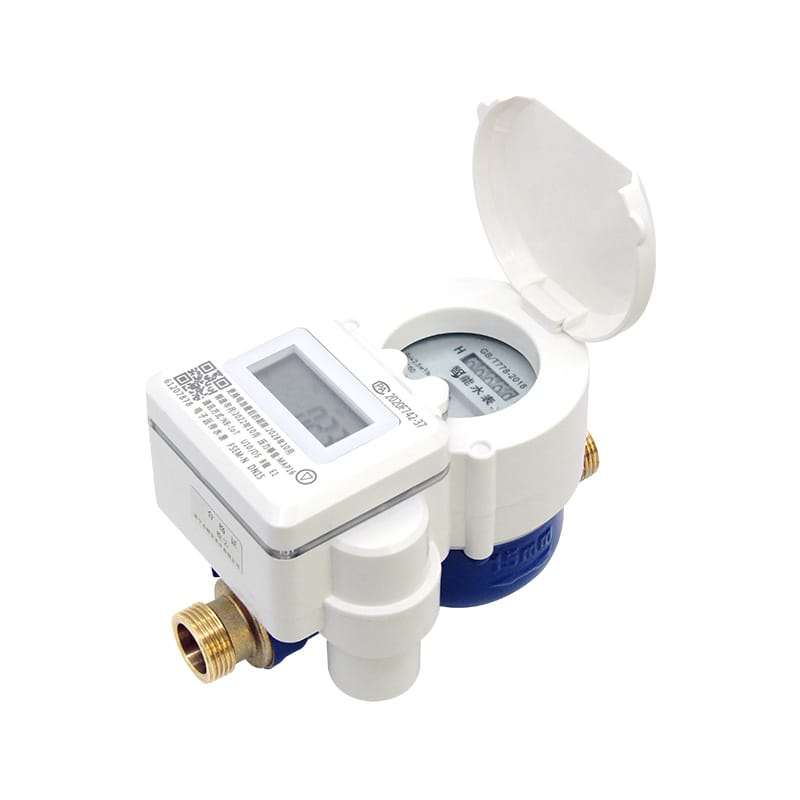
Motorized shutoff, Bluetooth commissioning and frequent display activation draw energy outside the modem budget. Set a realistic annual allowance for each function. Share “Include Valve Operations and Local Interfaces” evidence with the NB-IoT water meter battery life stakeholders. If “Include Valve Operations and Local Interfaces” misses its basis, revise the “Include Valve Operations and Local Interfaces” selection and record why.
- Verify motorized shutoff.
- Document bluetooth commissioning and frequent display activation draw energy outside the modem budget.
- Compare set a realistic annual allowance for each function.
Apply Temperature and Ageing Margins
Cold reduces available performance while long storage consumes part of the service budget. Use deployment date, climate and maintenance access to set reserve. Give “Apply Temperature and Ageing Margins” a dedicated NB-IoT water meter battery life acceptance test. Preserve “Apply Temperature and Ageing Margins” values and diagnostics for a repeatable “Apply Temperature and Ageing Margins” check.
- Verify cold reduces available performance while long storage consumes part of the service budget.
- Document use deployment date.
- Compare climate and maintenance access to set reserve.
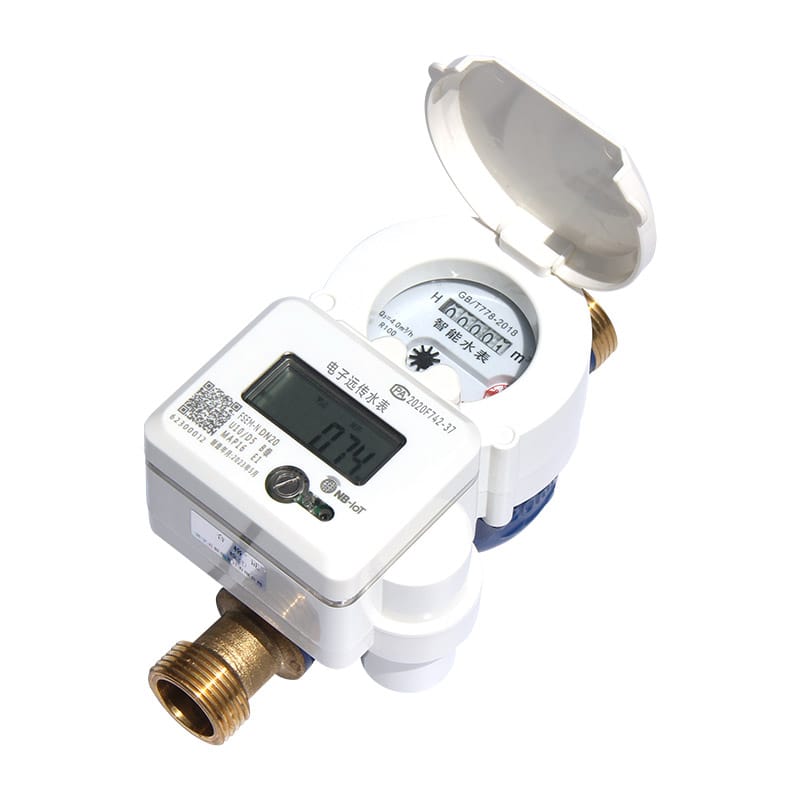
Design the Network to Avoid Retry Storms
Back-off settings, weak coverage and server outages can cause repeated attempts. The device should limit retries and preserve essential metering during communications failure. Treat “Design the Network to Avoid Retry Storms” as a complete NB-IoT water meter battery life decision. Recheck “Design the Network to Avoid Retry Storms” against NB-IoT water meter battery life pipework, controls, interfaces and service access.
- Verify back-off settings.
- Document weak coverage and server outages can cause repeated attempts.
- Compare the device should limit retries and preserve essential metering during communications failure.
Verify the Budget With Field Data
Compare predicted consumption with diagnostic counters and sampled battery measurements. Update the model after the first season instead of waiting for premature failures. Change one “Verify the Budget With Field Data” variable at a time during NB-IoT water meter battery life diagnosis. The “Verify the Budget With Field Data” baseline separates “Verify the Budget With Field Data” hardware, process and installation causes.
- Verify compare predicted consumption with diagnostic counters and sampled battery measurements.
- Document update the model after the first season instead of waiting for premature failures.
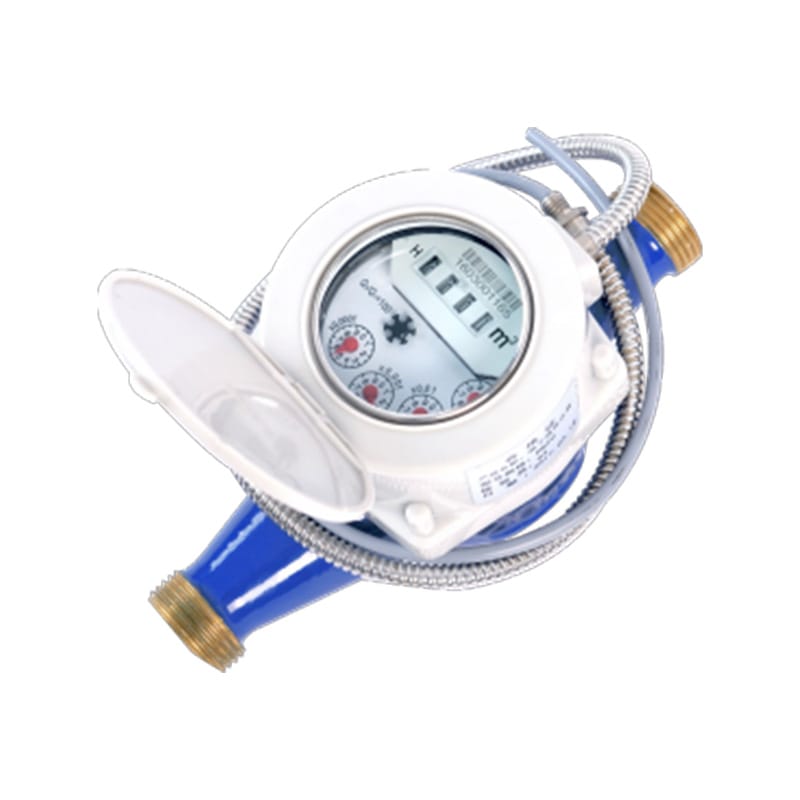
Separate Cell Capacity From Usable Energy Decision Table
| Decision | Evidence | Release condition |
|---|---|---|
| Separate Cell Capacity From Usable Energy | Account for voltage limits, pulse current, self-discharge, temperature and reserve policy | Release “Separate Cell Capacity From Usable Energy” only after its NB-IoT water meter battery life evidence is accepted |
| Measure the Cost of One Reporting Cycle | Include wake-up, network registration, data transfer, acknowledgement, retries and return to sleep | Release “Measure the Cost of One Reporting Cycle” only after its NB-IoT water meter battery life evidence is accepted |
| Treat Signal Quality as an Energy Variable | Poor indoor or underground coverage increases connection time and retransmission | Release “Treat Signal Quality as an Energy Variable” only after its NB-IoT water meter battery life evidence is accepted |
| Model Reporting Frequency Honestly | Daily, hourly and event-driven transmissions create different budgets | Release “Model Reporting Frequency Honestly” only after its NB-IoT water meter battery life evidence is accepted |
| Include Valve Operations and Local Interfaces | Motorized shutoff, Bluetooth commissioning and frequent display activation draw energy outside the modem budget | Release “Include Valve Operations and Local Interfaces” only after its NB-IoT water meter battery life evidence is accepted |
Five Questions About “Verify the Budget With Field Data”
Which “Separate Cell Capacity From Usable Energy” check comes first for NB-IoT water meter battery life?
Account for voltage limits, pulse current, self-discharge, temperature and reserve policy. The nominal ampere-hour figure is not fully available to the electronics.
Why does measure the cost of one reporting cycle affect NB-IoT water meter battery life?
Include wake-up, network registration, data transfer, acknowledgement, retries and return to sleep. Field traces are more useful than a radio-module typical value.
How should design the network to avoid retry storms be verified?
Back-off settings, weak coverage and server outages can cause repeated attempts. The device should limit retries and preserve essential metering during communications failure.
When must the NB-IoT water meter battery life basis be reviewed?
Review NB-IoT water meter battery life when inputs to “Separate Cell Capacity From Usable Energy,” “Model Reporting Frequency Honestly” or “Design the Network to Avoid Retry Storms” change.
Which details support “Measure the Cost of One Reporting Cycle” in NB-IoT water meter battery life?
For NB-IoT water meter battery life, provide the inputs for “Separate Cell Capacity From Usable Energy,” the constraints from “Measure the Cost of One Reporting Cycle” and the evidence expected under “Design the Network to Avoid Retry Storms.”
Technical references for “Separate Cell Capacity From Usable Energy” include GSMA Mobile IoT for “Separate Cell Capacity From Usable Energy”, LoRa Alliance for “Measure the Cost of One Reporting Cycle”, NIST IoT Cybersecurity for “Treat Signal Quality as an Energy Variable”, M-Bus for “Model Reporting Frequency Honestly”. The project specification should name the applicable edition and local rules.
Dingjia options supporting “Measure the Cost of One Reporting Cycle” include the remote valve-controlled meter for “Separate Cell Capacity From Usable Energy”, electronic remote meter for “Measure the Cost of One Reporting Cycle”, discuss an integration for “Treat Signal Quality as an Energy Variable”, NB-IoT and Bluetooth meter for “Model Reporting Frequency Honestly”. For “Measure the Cost of One Reporting Cycle,” send operating conditions and interface requirements to the engineering team before selection. The inquiry should also assign responsibility for “Include Valve Operations and Local Interfaces” and “Apply Temperature and Ageing Margins.”