
Table of Contents
These names usually describe the same thermal-energy measurement principle. The meaningful differences are units, regional specification language, service mode and required interfaces. For BTU meter vs heat meter, begin with “Separate Terminology From Technology” and then “State the Required Energy Units.” Together, “Separate Terminology From Technology” and “State the Required Energy Units” define the BTU meter vs heat meter evidence needed before “Identify Heating, Cooling or Combined Service.”
After “Identify Heating, Cooling or Combined Service,” the BTU meter vs heat meter workflow continues to “Compare Flow-Sensor Requirements” and ends at “Write a Technology-Neutral Purchase Schedule.” The move from “Identify Heating, Cooling or Combined Service” to “Write a Technology-Neutral Purchase Schedule” explains the BTU meter vs heat meter logic behind this H1.
Separate Terminology From Technology
A BTU meter commonly reports British thermal units, while a heat meter may report kilowatt-hours or megajoules. Both combine flow and temperature difference. Share “Separate Terminology From Technology” evidence with the BTU meter vs heat meter stakeholders. If “Separate Terminology From Technology” misses its basis, revise the “Separate Terminology From Technology” selection and record why.
- Verify a BTU meter commonly reports British thermal units.
- Document while a heat meter may report kilowatt-hours or megajoules.
- Compare both combine flow and temperature difference.
State the Required Energy Units
Define display, communication and billing units explicitly. Software conversion is possible, but mixed units create avoidable integration errors. Give “State the Required Energy Units” a dedicated BTU meter vs heat meter acceptance test. Preserve “State the Required Energy Units” values and diagnostics for a repeatable “State the Required Energy Units” check.
- Verify communication and billing units explicitly.
- Document software conversion is possible.
- Compare but mixed units create avoidable integration errors.
Identify Heating, Cooling or Combined Service
Cooling changes the sign and operating temperature range. Confirm whether the calculator can classify and total both directions of thermal transfer. Treat “Identify Heating, Cooling or Combined Service” as a complete BTU meter vs heat meter decision. Recheck “Identify Heating, Cooling or Combined Service” against BTU meter vs heat meter pipework, controls, interfaces and service access.
- Verify cooling changes the sign and operating temperature range.
- Document confirm whether the calculator can classify and total both directions of thermal transfer.
Compare Flow-Sensor Requirements
Review flow range, pressure loss, fluid, pipe size and installation conditions independently of the product name. Change one “Compare Flow-Sensor Requirements” variable at a time during BTU meter vs heat meter diagnosis. The “Compare Flow-Sensor Requirements” baseline separates “Compare Flow-Sensor Requirements” hardware, process and installation causes.
- Verify review flow range.
- Document pipe size and installation conditions independently of the product name.
Compare Temperature-Sensor Arrangements
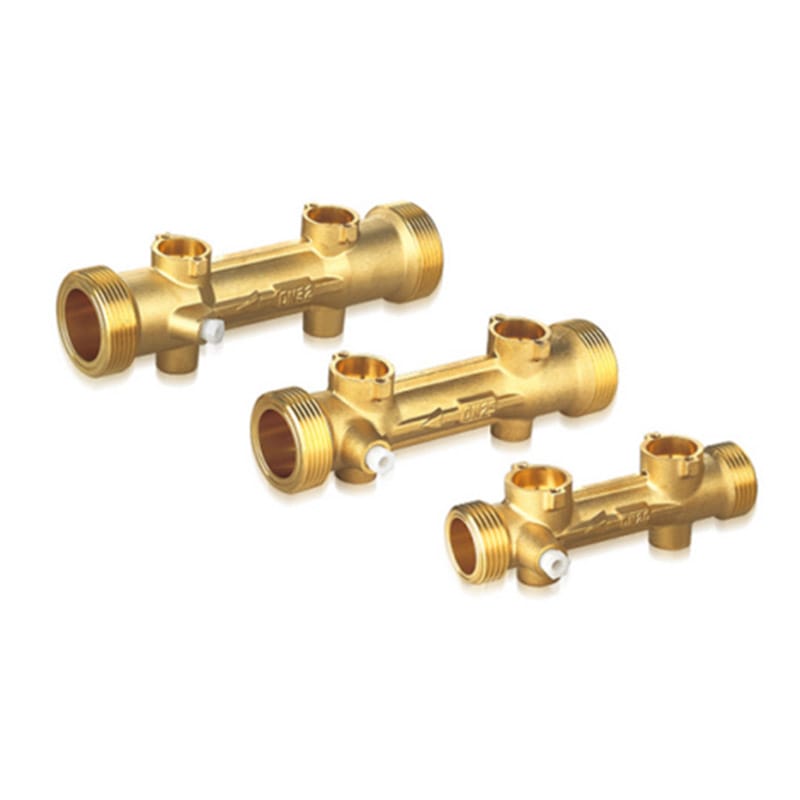
Specify paired sensor type, cable length, pockets, placement and allowable temperature range. The temperature difference often dominates low-load uncertainty. Close “Compare Temperature-Sensor Arrangements” with a named BTU meter vs heat meter owner. For “Compare Temperature-Sensor Arrangements,” keep its photographs, configuration export and “Compare Temperature-Sensor Arrangements” comparison readings.
- Verify specify paired sensor type.
- Document placement and allowable temperature range.
- Compare the temperature difference often dominates low-load uncertainty.
Review Regional Compliance Language
Project documents may cite different legal metrology or building requirements. Use the applicable jurisdiction and edition rather than relying on the label. For “Review Regional Compliance Language,” the BTU meter vs heat meter team ties assumptions to field evidence. Its “Review Regional Compliance Language” record names the source, unit and “Review Regional Compliance Language” exception owner.
- Verify project documents may cite different legal metrology or building requirements.
- Document use the applicable jurisdiction and edition rather than relying on the label.
Align Communications With the Receiving System
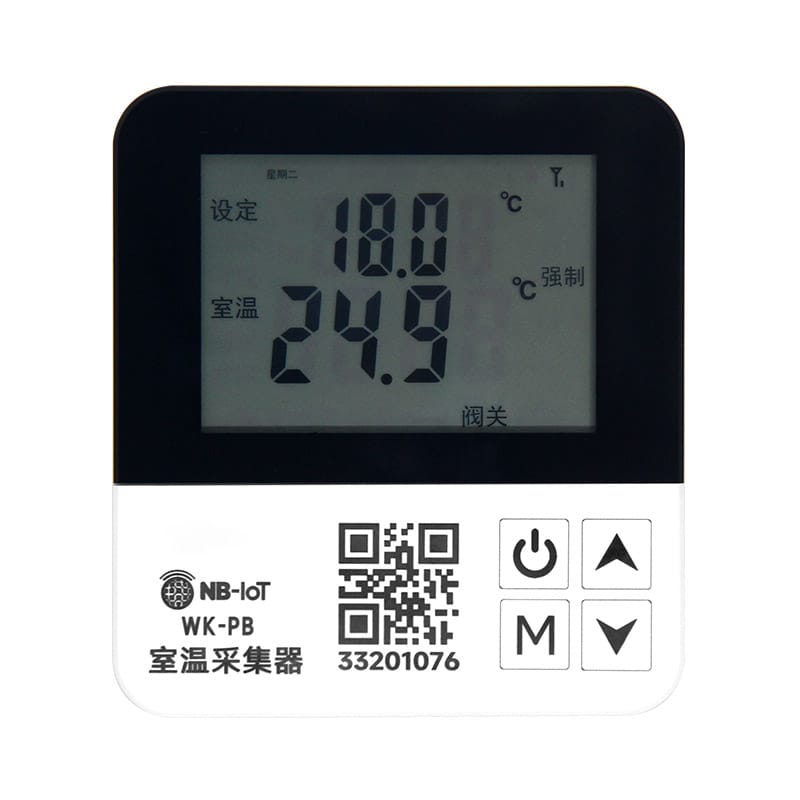
Define M-Bus, pulse or other interfaces, records, units and polling needs. Confirm that the head end interprets the selected energy unit. Use drawings and measurements to complete “Align Communications With the Receiving System” in BTU meter vs heat meter. A written “Align Communications With the Receiving System” decision keeps installation and operations aligned.
- Verify pulse or other interfaces.
- Document units and polling needs.
- Compare confirm that the head end interprets the selected energy unit.
Write a Technology-Neutral Purchase Schedule
Describe duty, accuracy requirement, flow range, sensor pair, calculator functions, units, interfaces and acceptance tests. A plausible “Write a Technology-Neutral Purchase Schedule” result can hide a BTU meter vs heat meter error. Store “Write a Technology-Neutral Purchase Schedule” limits, test conditions and exception ownership.
- Verify accuracy requirement.
- Document calculator functions.
- Compare interfaces and acceptance tests.
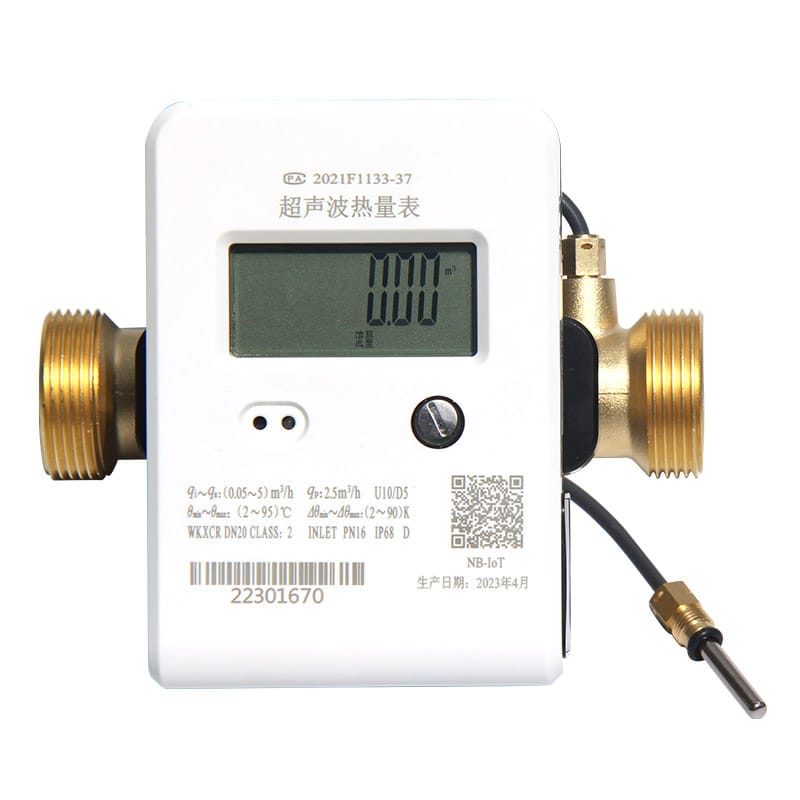
Separate Terminology From Technology Decision Table
| Decision | Evidence | Release condition |
|---|---|---|
| Separate Terminology From Technology | A BTU meter commonly reports British thermal units, while a heat meter may report kilowatt-hours or megajoules | Release “Separate Terminology From Technology” only after its BTU meter vs heat meter evidence is accepted |
| State the Required Energy Units | Define display, communication and billing units explicitly | Release “State the Required Energy Units” only after its BTU meter vs heat meter evidence is accepted |
| Identify Heating, Cooling or Combined Service | Cooling changes the sign and operating temperature range | Release “Identify Heating, Cooling or Combined Service” only after its BTU meter vs heat meter evidence is accepted |
| Compare Flow-Sensor Requirements | Review flow range, pressure loss, fluid, pipe size and installation conditions independently of the product name | Release “Compare Flow-Sensor Requirements” only after its BTU meter vs heat meter evidence is accepted |
| Compare Temperature-Sensor Arrangements | Specify paired sensor type, cable length, pockets, placement and allowable temperature range | Release “Compare Temperature-Sensor Arrangements” only after its BTU meter vs heat meter evidence is accepted |
Five Questions About “Write a Technology-Neutral Purchase Schedule”
Which “Separate Terminology From Technology” check comes first for BTU meter vs heat meter?
A BTU meter commonly reports British thermal units, while a heat meter may report kilowatt-hours or megajoules. Both combine flow and temperature difference.
Why does state the required energy units affect BTU meter vs heat meter?
Define display, communication and billing units explicitly. Software conversion is possible, but mixed units create avoidable integration errors.
How should align communications with the receiving system be verified?
Define M-Bus, pulse or other interfaces, records, units and polling needs. Confirm that the head end interprets the selected energy unit.
When must the BTU meter vs heat meter basis be reviewed?
Review BTU meter vs heat meter when inputs to “Separate Terminology From Technology,” “Compare Flow-Sensor Requirements” or “Align Communications With the Receiving System” change.
Which details support “State the Required Energy Units” in BTU meter vs heat meter?
For BTU meter vs heat meter, provide the inputs for “Separate Terminology From Technology,” the constraints from “State the Required Energy Units” and the evidence expected under “Align Communications With the Receiving System.”
Before approving “Separate Terminology From Technology,” revisit its project assumptions. A BTU meter commonly reports British thermal units, while a heat meter may report kilowatt-hours or megajoules. Both combine flow and temperature difference. Record the resulting “Separate Terminology From Technology” decision and any site-specific “Separate Terminology From Technology” exception.
Before approving “State the Required Energy Units,” revisit its project assumptions. Define display, communication and billing units explicitly. Software conversion is possible, but mixed units create avoidable integration errors. Record the resulting “State the Required Energy Units” decision and any site-specific “State the Required Energy Units” exception.
Before approving “Identify Heating, Cooling or Combined Service,” revisit its project assumptions. Cooling changes the sign and operating temperature range. Confirm whether the calculator can classify and total both directions of thermal transfer. Record the resulting “Identify Heating, Cooling or Combined Service” decision and any site-specific “Identify Heating, Cooling or Combined Service” exception.
Technical references for “Separate Terminology From Technology” include EU Measuring Instruments Directive for “Separate Terminology From Technology”, CEN-CENELEC for “State the Required Energy Units”, ISO 50001 for “Identify Heating, Cooling or Combined Service”, OIML R 75 for “Compare Flow-Sensor Requirements”. The project specification should name the applicable edition and local rules.
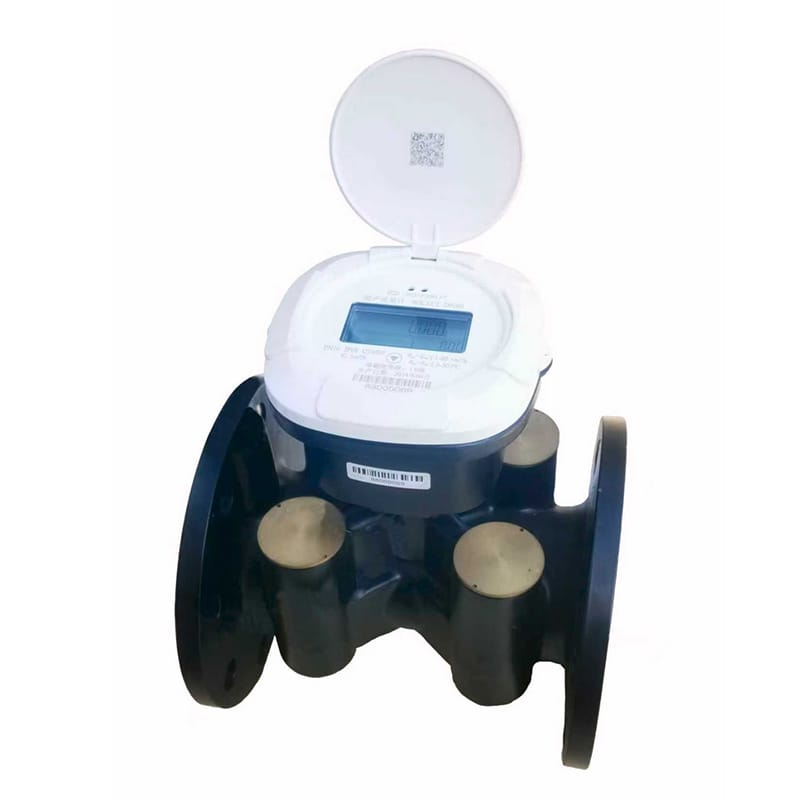
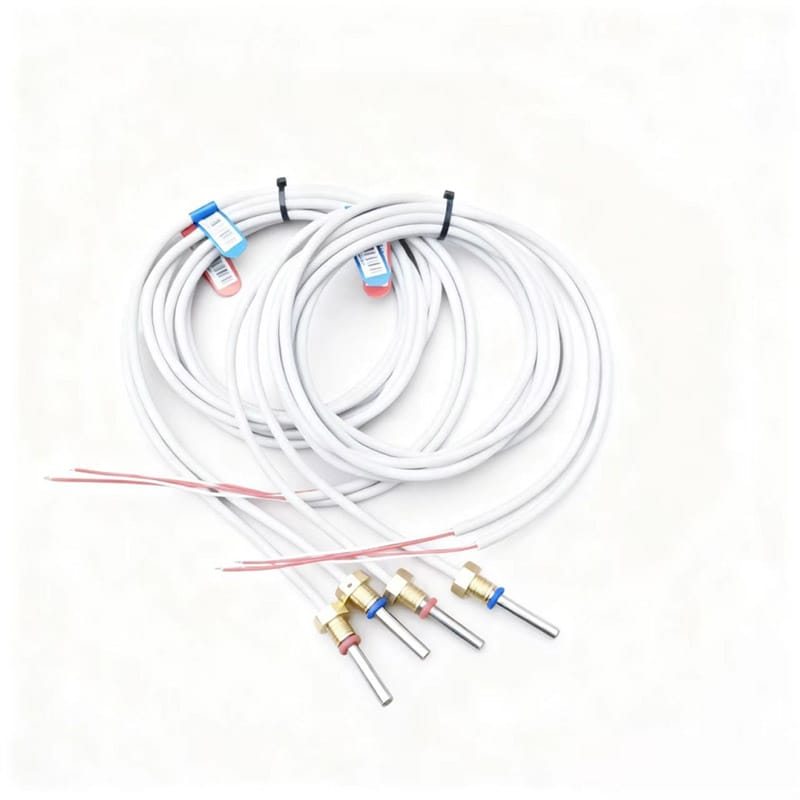
Dingjia options supporting “State the Required Energy Units” include the pipeline heat meter for “Separate Terminology From Technology”, matched temperature sensors for “State the Required Energy Units”, heat-meter base pipe for “Identify Heating, Cooling or Combined Service”, household heat meter for “Compare Flow-Sensor Requirements”. For “State the Required Energy Units,” send operating conditions and interface requirements to the engineering team before selection. The inquiry should also assign responsibility for “Compare Temperature-Sensor Arrangements” and “Review Regional Compliance Language.”