Table of Contents
What is an Electric Water Control Valve?
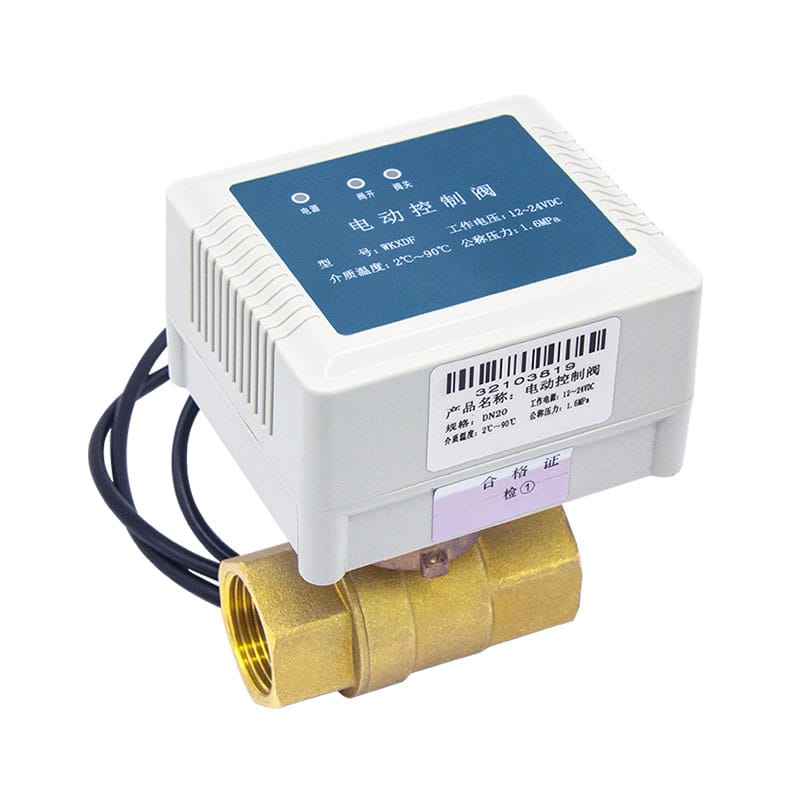
An electric water control valve is a device designed to regulate the flow of water in various systems through an electrically powered actuator. Unlike manual valves, which require physical operation, electric water control valves provide precise control and automation capabilities, making them ideal for industrial, commercial, and agricultural applications.
Key components include the valve body, actuator, control interface, and seals. These elements work together to ensure smooth water flow and accurate regulation. Electric water control valves differ from solenoid valves in their ability to handle higher flow rates, larger system capacities, and continuous operation without overheating.
Types of Electric Control Valves
Choosing the right type of electric control valve is critical for system efficiency. The main categories include:
- Normally Open vs Normally Closed Valves: Normally open valves allow water to flow when power is off, while normally closed valves stop water flow in the absence of power.
- High Pressure vs Low Pressure Valves: Designed according to system requirements, high-pressure valves handle industrial pipelines, while low-pressure valves are suitable for irrigation or HVAC systems.
- Material Options: Stainless steel, brass, and plastic are commonly used. Stainless steel is preferred for corrosive environments, brass for standard industrial use, and plastic for lightweight or cost-sensitive applications.
How Electric Water Control Valves Work
Electric control valves operate using an actuator that receives electrical signals to open or close the valve. Actuators can be motorized or electric, depending on the precision required.
In automation systems, these valves integrate seamlessly with controllers, sensors, and smart water management solutions. This integration allows real-time monitoring, remote operation, and precise flow control, which significantly improves system efficiency and reduces manual labor.
Applications of Electric Water Control Valves
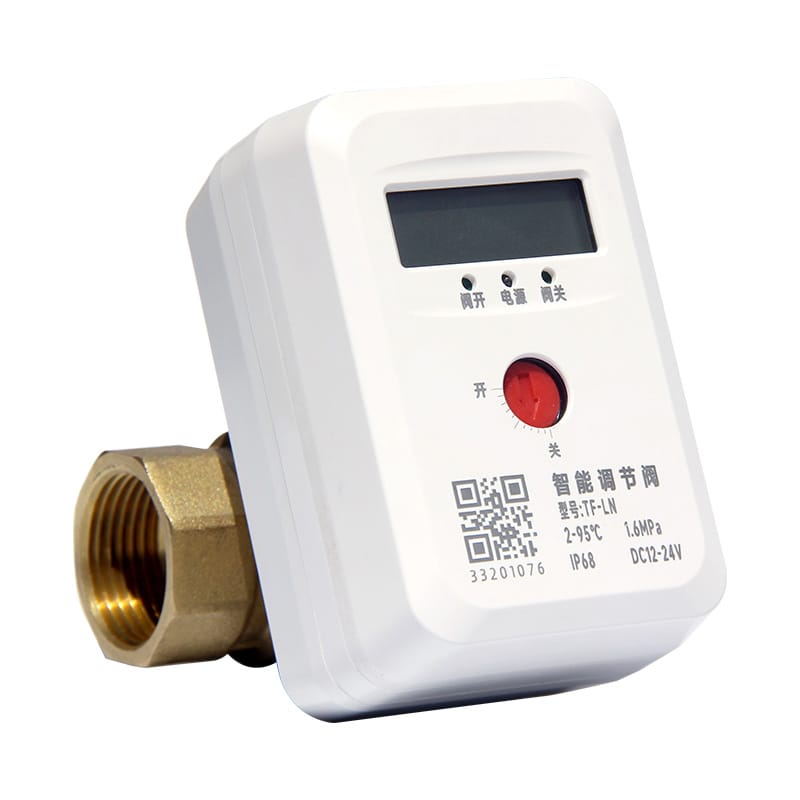
Electric water control valves are versatile and widely used across multiple industries:
- Industrial Water Treatment Systems: Used to regulate flow, pressure, and chemical dosing in water treatment plants.
- HVAC Systems and Boilers: Control hot or chilled water circulation to optimize energy efficiency.
- Irrigation and Agricultural Applications: Automates water distribution in fields and greenhouses.
- Chemical and Manufacturing Processes: Ensures safe and accurate flow control in liquid handling systems.
How to Choose the Right Electric Water Control Valve
Selecting the right valve involves evaluating key specifications:
- Voltage: 24V, 220V, or custom voltage options based on system design.
- Flow Rate and Pressure Rating: Ensure compatibility with your pipeline and operational requirements.
- Material and Durability: Stainless steel for corrosive environments, brass for standard industrial use, and high-quality seals for longevity.
Manufacturers should also consider brand reputation, warranty, and post-sale support to guarantee reliable performance.
Installation and Maintenance Guide
Proper installation and regular maintenance are essential for long-term performance:
- Installation: Install the valve in the correct orientation, connect the actuator to the power source, and test for leaks.
- Maintenance: Periodically inspect seals, clean the valve body, and check actuator function.
- Troubleshooting: Common issues include sticking, leaks, or actuator failure, which can often be resolved by cleaning, adjusting connections, or replacing worn components.
Benefits of Using Electric Water Control Valves
- Automation and Efficiency: Reduces manual intervention and allows precise control over water systems.
- System Reliability: Maintains consistent flow and pressure, improving overall system performance.
- Cost Savings: Optimizes water usage and energy consumption, reducing operational costs.
- Integration with Smart Systems: Supports remote monitoring and smart water management solutions.
Buying and Sourcing Electric Water Control Valves
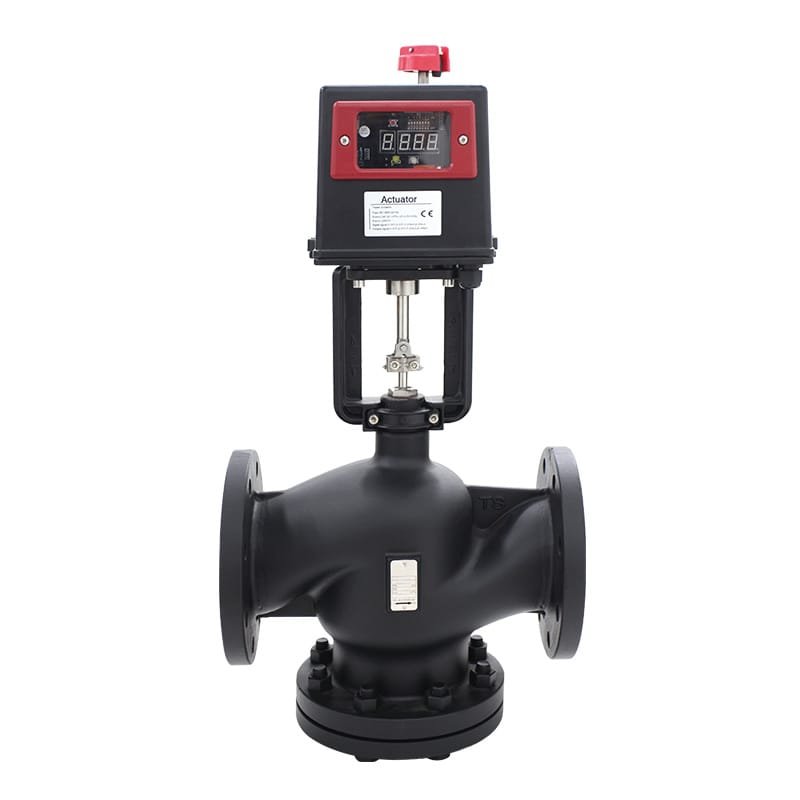
As a manufacturer, we ensure high-quality production standards, strict quality control, and reliable performance.
Here’s a comparison of common specifications for industrial electric water control valves:
| Specification | Typical Range / Options | Notes |
|---|---|---|
| Voltage | 24V / 220V / Custom | Compatible with automation systems |
| Pressure Rating | 0–16 bar | Choose according to system requirements |
| Flow Rate | 1–100 m³/h | Depends on pipe size and application |
| Material | Stainless Steel, Brass, Plastic | Stainless steel for corrosive environments |
| Actuator Type | Motorized / Electric | Determines response speed and precision |
| Operating Temperature | -10°C to 80°C | Suitable for HVAC, water, and chemical |
Global sourcing options include distributors, wholesalers, and direct factory supply. Bulk purchase agreements often provide cost benefits for industrial projects.
Conclusion
Electric water control valves are essential components in modern water management, industrial automation, and agricultural systems. By choosing the right valve type, material, and specifications, industries can achieve improved efficiency, cost savings, and precise flow control. As a manufacturer, we ensure every valve meets the highest quality standards and supports advanced automation needs.
For custom solutions, technical support, or bulk orders, contact us to discuss your system requirements and get a reliable electric water control valve tailored to your application.
FAQ
How do electric water control valves differ from solenoid valves?
Electric water control valves handle higher flow rates and continuous operation, suitable for industrial systems, while solenoid valves are better for small-scale or intermittent use.
Can these valves be controlled remotely?
Yes, integration with smart control systems allows remote operation and monitoring.
What are the most common problems and solutions?
Issues like sticking, leaks, or actuator failure can be resolved with regular maintenance, cleaning, and part replacement.