A remote reading water flow meter is no longer just a device for replacing manual meter reading. For water utilities, industrial plants, commercial buildings, property managers, and smart water projects, it has become a practical tool for improving water usage visibility, billing accuracy, leak detection, and long-term system management.
Many buyers begin their search by comparing meter size, communication method, or product appearance. That is understandable, but it is not enough. A remote reading water flow meter must perform accurately in real working conditions, transmit data reliably, integrate with the user’s management system, and remain stable over years of operation.
The real question is not simply “Which meter can read water remotely?” The better question is: Which remote reading water flow meter can provide reliable data for the way your project actually uses water?
Industry guidance on advanced water metering often emphasizes frequent and accurate usage data, better billing, leak detection, and improved water resource management. These are also the main reasons why remote water meter reading and smart water metering systems are receiving more attention from utilities and facility managers.
Table of Contents
Why the Right Meter Starts with the Right Data
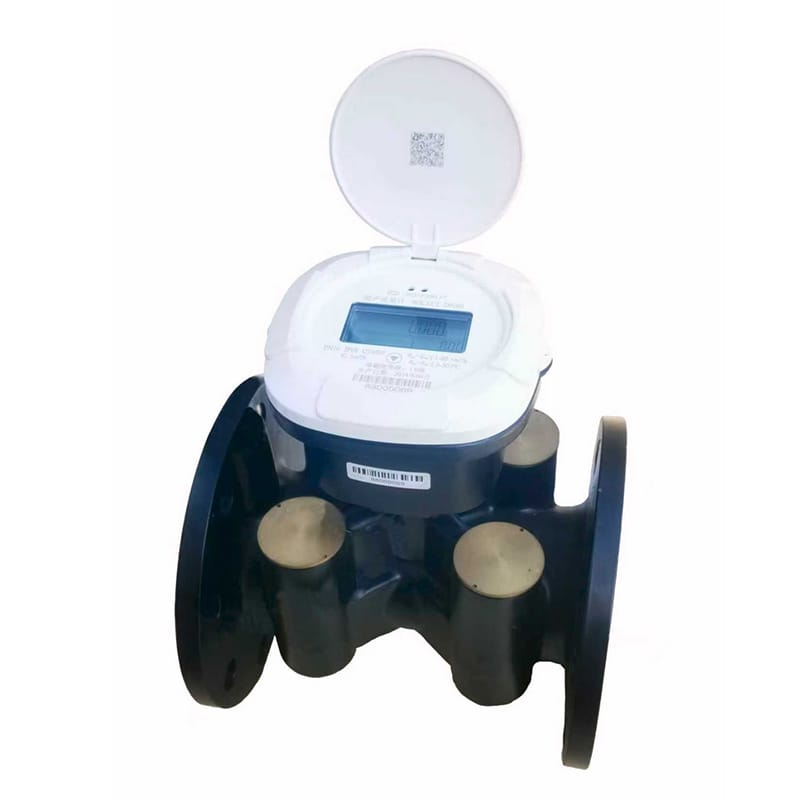
A traditional water meter provides a number. A well-selected remote reading water flow meter provides a data stream that can support decisions.
That difference matters.
In a residential project, the main goal may be automated billing and tenant-level water usage records. In a factory, the priority may be monitoring process water, cooling water, or abnormal consumption. In a municipal water supply project, the meter may be part of a wider network for district metering, leakage control, and non-revenue water management.
This is why the selection process should begin with data requirements, not only product specifications.
Before choosing a model, the buyer should answer several practical questions:
What data needs to be collected?
How often should the data be transmitted?
Where will the meter be installed?
Will the meter connect to a cloud platform, SCADA system, or local data collector?
Is leak detection required?
Is the project using AMR or AMI?
Will the system need future expansion?
A meter that works well for a small building may not be suitable for a dispersed municipal network. A pulse output water meter may be enough for a simple data logging project, while an NB-IoT water meter or LoRaWAN water meter may be more suitable for wide-area remote monitoring. The right choice depends on how the data will be used after it is collected.
What a Remote Reading Water Flow Meter Actually Does
A remote reading water flow meter measures water flow and sends the reading to a remote device, gateway, platform, or management system. Depending on the configuration, it may provide total flow, instant flow, daily consumption, abnormal usage alerts, reverse flow alarms, low battery alerts, or leakage warnings.
A complete remote water meter reading system normally includes four parts:
| System Part | Main Function | Why It Matters |
|---|---|---|
| Measuring unit | Measures water volume or flow | Determines basic metering accuracy |
| Sensor or signal module | Converts flow movement into readable data | Supports electronic reading and transmission |
| Communication module | Sends data through wired or wireless methods | Affects stability and reading distance |
| Platform or data system | Stores, displays, analyzes, and exports data | Turns meter readings into useful decisions |
Some projects only need simple remote reading. Others need a smart water metering system with scheduled reports, alarms, user management, API integration, or remote valve control. This is why buyers should avoid treating all remote water meters as the same product.
Match the Meter Type to the Flow Condition
One of the most common mistakes in water meter selection is choosing a model based only on pipe size. Pipe size is important, but it does not tell the full story. The actual flow range, minimum flow, peak flow, pressure condition, water quality, and installation position all affect meter performance.
A remote reading water flow meter should be selected according to the real flow profile of the application.
For stable water supply lines, a mechanical water meter with remote output may be enough. For applications that require higher sensitivity at low flow, an ultrasonic water meter may be a better option. For industrial pipelines, an electromagnetic water flow meter may be considered when the water quality, pipe condition, and system requirements support that choice.
| Application | Common Concern | Possible Meter Direction |
|---|---|---|
| Apartment buildings | Tenant billing, low-flow accuracy | Smart water meter or ultrasonic water meter |
| Commercial buildings | Central monitoring, leakage alerts | Wireless water flow meter with platform access |
| Industrial plants | Process monitoring, system integration | RS485, Modbus, or industrial flow meter |
| Municipal water supply | Large-scale reading, network management | AMI water meter or LoRaWAN water meter |
| Irrigation systems | Outdoor use, long-distance reading | Wireless remote water meter |
| Facilities with existing systems | Data compatibility | Pulse output, RS485, or Modbus water meter |
A meter that is too large may not capture low-flow usage accurately. A meter that is too small may create pressure loss, wear faster, or fail to handle peak demand. Professional selection guidance for water meters commonly emphasizes selection, installation, testing, and maintenance as connected parts of long-term meter performance.
Accuracy Is More Than a Specification on Paper
Accuracy is one of the first terms buyers check, but it should not be understood only as a laboratory value. In real projects, accuracy depends on proper sizing, installation condition, water quality, flow stability, and long-term meter reliability.
For example, a water meter installed too close to pumps, elbows, valves, or unstable flow points may not perform as expected. A meter used in water with sediment or impurities may require a different structure or protection strategy. A wireless meter placed in an underground pit may measure correctly but fail to transmit data consistently if the communication method is not suitable.
International metrology documents for water meters define technical and metrological requirements for measuring cold potable water and hot water, which shows why accuracy should be treated as a system-level issue rather than a simple marketing claim.
When evaluating a remote reading water flow meter, buyers should check:
Measurement range
Minimum flow sensitivity
Accuracy class or applicable standard
Pressure rating
Temperature range
Body material
Protection level
Installation requirements
Factory testing process
Long-term stability under the target environment
For B2B projects, accuracy is directly connected to billing trust, water loss analysis, production management, and customer satisfaction.
Choose the Communication Method Based on the Installation Site
The communication method is one of the most important decisions in a remote reading water flow meter project. A good meter with the wrong communication method can still create reading failures, missing data, or high maintenance pressure.
Common communication options include LoRaWAN, NB-IoT, RS485, Modbus, pulse output, Wireless M-Bus, 4G, and other wireless or wired solutions.
LoRaWAN Water Meter
A LoRaWAN water meter is often used in wide-area, low-power smart metering projects. It is suitable for applications where many meters need to send data to gateways over a relatively long distance. It can be a good fit for residential communities, campuses, utility networks, agricultural irrigation, and smart city water monitoring.
LoRaWAN is often discussed in smart water metering because it supports low-power remote data collection and large-scale network deployment. Industry materials also describe its role in automated readings, flow monitoring, leak detection, and conservation-oriented metering.
NB-IoT Water Meter
An NB-IoT water meter is suitable when the project needs cellular network-based remote reading. It can be useful for dispersed installations where building a private gateway network is not ideal.
NB-IoT is a low-power wide-area technology used in smart utility applications, including connected water meters. Connected meter data can help utilities and users better understand water usage and support improved management.
RS485 and Modbus Water Meter
RS485 and Modbus are more common in industrial, building automation, and control system environments. They are suitable when the water meter needs to connect to a local controller, PLC, SCADA system, or building management system.
For factories, pump rooms, treatment systems, and mechanical rooms, wired communication can be more stable than wireless communication if the installation allows cabling.
Pulse Output Water Meter
A pulse output water meter is often used for simple data collection. It can connect to a data logger or remote reading module. This is suitable for buyers who want a practical and cost-controlled remote reading solution without a complex platform.
However, pulse output alone may not provide advanced functions such as real-time alarms, two-way communication, or detailed data analytics unless it is combined with other devices.
AMR or AMI: Do Not Confuse the Two
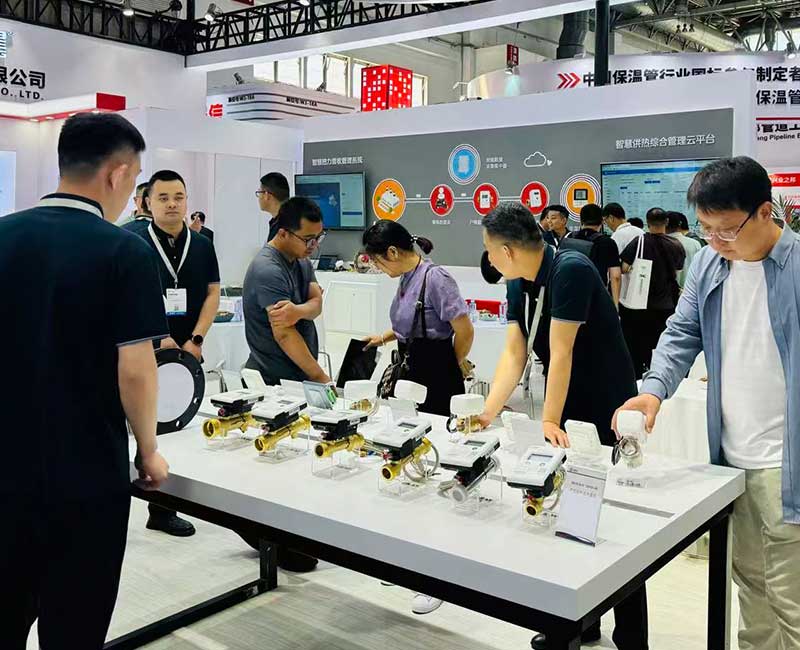
Many buyers use AMR and AMI interchangeably, but they are not the same.
AMR, or automatic meter reading, focuses on collecting meter readings without manual reading at the meter location. It can reduce labor work and improve reading efficiency.
AMI, or advanced metering infrastructure, is a more complete system. It usually involves a network, data platform, more frequent data collection, and stronger management functions. AMI can support billing, leak detection, demand analysis, customer service, and broader water resource management.
For a small building, AMR may be enough. For a water utility, large property group, smart city project, or industrial park, AMI may provide more long-term value.
A practical way to decide is to ask:
Do you only need monthly readings?
Do you need daily or hourly water usage data?
Do you need leakage alerts?
Do you need customer-level reporting?
Do you need integration with billing or management systems?
Do you need two-way communication or remote valve control?
Will the system expand later?
Advanced metering infrastructure is widely discussed because it enables more frequent and accurate data collection, and the resulting data can support billing, leak detection, conservation, and broader operational decisions.
Leak Detection Is Becoming a Core Buying Reason
For many users, remote reading is no longer the final goal. The more important goal is discovering abnormal water use before it becomes a serious loss.
A remote reading water flow meter can help identify unusual patterns, such as continuous flow at night, sudden consumption increases, reverse flow, or long periods of unexpected usage. When connected to a smart platform, these patterns can trigger alarms and help maintenance teams respond earlier.
This is especially valuable for:
Municipal water supply networks
Apartment buildings
Commercial facilities
Hotels
Schools
Hospitals
Factories
Irrigation systems
Water distribution zones
Smart metering is frequently connected with non-revenue water reduction, active leakage control, and better distribution system visibility. Digital water programs and water loss discussions often place metering, data collection, and leakage management in the same operational framework.
For a manufacturer’s website, this topic is valuable because it matches a real customer pain point. Buyers are not only searching for a meter; they are searching for a way to reduce water loss, improve visibility, and avoid unexpected operational problems.
Cloud Platform and System Integration Matter
A remote reading water flow meter should not be evaluated only by the meter body. The data system behind the meter is equally important.
A buyer may need one or more of the following functions:
Remote meter reading dashboard
Daily, weekly, or monthly reports
Real-time flow monitoring
Leakage alarm
Low battery alarm
Reverse flow alarm
Data export
User account management
Billing system integration
Mobile access
API connection
SCADA or building management system integration
For utility and facility users, the value of remote reading depends on whether the data is easy to access, analyze, and use. A system that collects data but makes it difficult to manage will not deliver full value.
Before purchasing, buyers should confirm:
Who owns the data?
Can the data be exported?
Can the meter connect to third-party platforms?
Is API integration available?
Can different meter types be managed together?
How are alarms configured?
What happens if communication is interrupted?
Can historical data be stored and reviewed?
A good remote water meter reading system should turn raw meter readings into clear operational information.
Installation Environment Can Decide Success or Failure
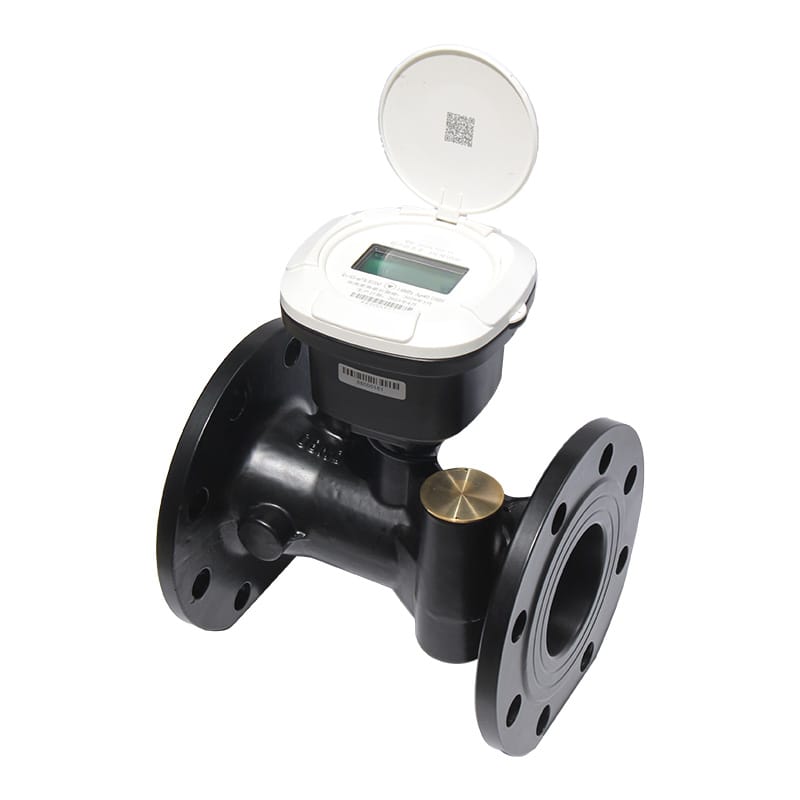
The installation environment is often underestimated. However, many remote reading problems are caused not by the meter itself, but by installation conditions.
A meter installed in a clean indoor pipe room has a very different operating environment from a meter installed in an underground chamber, outdoor pipeline, humid pit, industrial workshop, or irrigation field.
Key installation factors include:
Indoor or outdoor location
Underground or above-ground installation
Signal obstruction
Metal cover or concrete enclosure
Humidity and condensation
Water pressure stability
Pipe vibration
Straight pipe requirements
Access for maintenance
Risk of flooding
Power supply availability
For outdoor or underground use, waterproof protection is especially important. For wireless remote reading, the antenna position, signal path, and network coverage must be reviewed before large-scale deployment.
A professional manufacturer should help buyers evaluate installation conditions before recommending a communication method or meter model.
Application-Based Selection Guide
Different applications need different priorities. The right remote reading water flow meter for a municipal project may not be the same as the right meter for a factory or commercial building.
| Application | Main Goal | Selection Priority |
|---|---|---|
| Municipal water supply | Network visibility and billing accuracy | AMI capability, stable communication, data platform |
| Apartment buildings | Tenant-level reading and billing | Low-flow accuracy, remote reading, user records |
| Commercial buildings | Facility water management | Leak alarms, reporting, building system integration |
| Factories | Process water monitoring | Industrial communication, durability, flow range |
| Irrigation systems | Remote field monitoring | Low power, long-distance communication, outdoor protection |
| Hotels and hospitals | Continuous service and leak prevention | Alarm function, stable data, maintenance support |
| Smart city projects | Scalable water data infrastructure | Open communication, platform compatibility, expansion ability |
This application-first approach helps avoid overbuying, underbuying, or choosing a meter that cannot support the real project goal.
What to Check When Choosing a Manufacturer
For B2B buyers, the manufacturer is as important as the product model. A remote reading water flow meter combines measurement technology, communication, electronics, software compatibility, and field support. If the manufacturer cannot support these areas, the project may face problems after installation.
A reliable remote reading water flow meter manufacturer should provide:
Clear product specifications
Meter size and flow range guidance
Communication method options
Technical drawings
Installation guidance
Testing information
Customization support
OEM or ODM capability
Stable production capacity
Project-based model recommendation
After-sales technical support
Customization can be especially important for international buyers and project contractors. Requirements may include different pipe connections, communication modules, output signals, meter body materials, protection levels, logo options, packaging, or platform integration.
A good manufacturer should not simply ask buyers to choose from a catalog. The better approach is to understand the application first, then recommend the correct remote reading water flow meter configuration.
Common Selection Mistakes to Avoid
Even experienced buyers can make mistakes when selecting remote water meter reading products. The following problems are common in real projects.
Choosing Only by Pipe Size
Pipe size does not equal actual flow demand. The meter must match the real flow range.
Ignoring Low-Flow Performance
Many leaks or abnormal usage patterns appear as low-flow events. If the meter performs poorly at low flow, valuable information may be missed.
Selecting the Wrong Communication Method
A wireless water flow meter must be selected according to signal coverage, installation depth, building structure, and reading distance.
Forgetting Platform Compatibility
If the meter cannot connect to the buyer’s system, extra integration work may be required later.
Treating AMR and AMI as the Same
AMR may solve reading efficiency, while AMI can support broader data management and operational decisions.
Overlooking Maintenance
Battery life, waterproof protection, installation access, and spare parts support should be checked before bulk purchase.
Comparing Only Basic Specifications
Two meters may look similar on paper, but differ greatly in communication stability, electronic design, testing process, and long-term reliability.
A Practical Selection Checklist
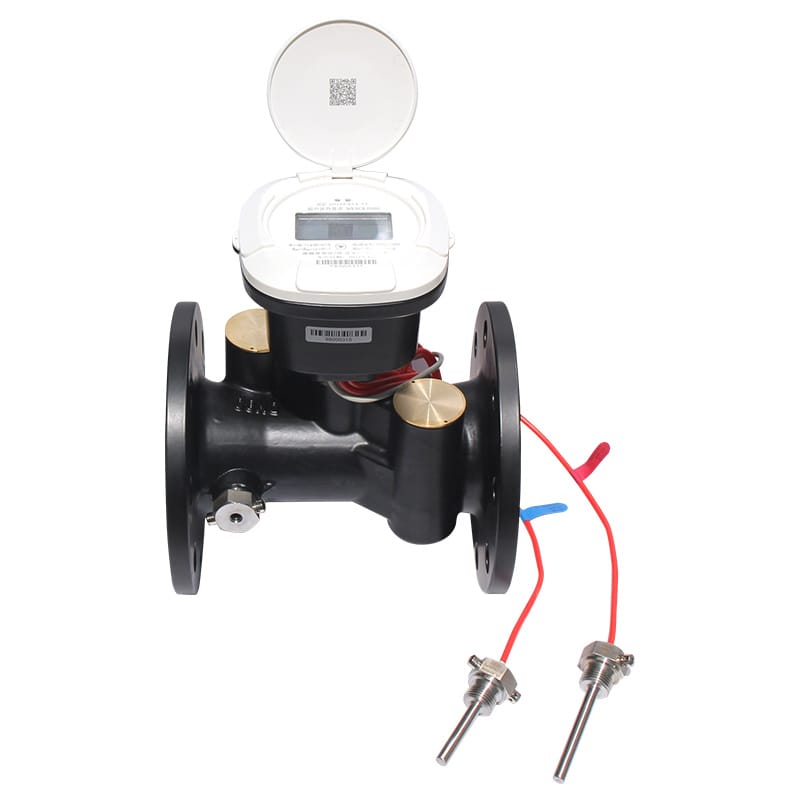
Before confirming a remote reading water flow meter, buyers can use this checklist:
| Selection Item | Questions to Confirm |
|---|---|
| Application | Is it for residential, commercial, industrial, municipal, or irrigation use? |
| Pipe size | What is the actual pipe diameter and connection type? |
| Flow range | What are the minimum, normal, and peak flow conditions? |
| Accuracy | What accuracy level is required for billing or monitoring? |
| Meter type | Mechanical, ultrasonic, electromagnetic, or another structure? |
| Communication | LoRaWAN, NB-IoT, RS485, Modbus, pulse output, or other method? |
| Installation site | Indoor, outdoor, underground, humid, or industrial environment? |
| Data system | Cloud platform, local software, SCADA, API, or mobile app? |
| Alarm function | Is leak detection or abnormal flow warning needed? |
| Power | Battery-powered, external power, or wired system? |
| Maintenance | How often can the meter be accessed or serviced? |
| Manufacturer support | Can the supplier provide model selection and customization? |
This checklist helps buyers move from a simple product search to a more professional project decision.
Conclusion
Choosing the right remote reading water flow meter is not only about remote meter reading. It is about building a more reliable water data system for billing, monitoring, leak detection, maintenance, and long-term water management.
For buyers, the best choice should match the real application, installation environment, communication condition, data platform, and maintenance plan. For utilities, property managers, contractors, and industrial users, the right meter can reduce manual work, improve data accuracy, support abnormal water use detection, and make water management more transparent.
As a remote reading water flow meter manufacturer, we provide smart water metering products with flexible communication options, stable measurement performance, and customization support for different water monitoring projects. If you need a suitable model for your water utility, building, factory, irrigation, or smart water project, our team can help you choose the right configuration based on your actual working conditions.
FAQ
What is a remote reading water flow meter?
A remote reading water flow meter measures water flow and sends usage data to a remote system, gateway, cloud platform, or monitoring device. It helps reduce manual reading work and improves water usage visibility.
How does remote water meter reading work?
The meter measures water flow, converts the reading into electronic data, and sends it through a communication method such as LoRaWAN, NB-IoT, RS485, Modbus, pulse output, or another remote transmission method.
What is the difference between a smart water meter and a remote reading water flow meter?
A remote reading water flow meter focuses on measuring water flow and transmitting data remotely. A smart water meter may include additional functions such as alarms, data analysis, platform access, remote valve control, and system integration.
Is LoRaWAN or NB-IoT better for remote water meter reading?
Both can be suitable. LoRaWAN is often used for private or wide-area low-power networks, while NB-IoT uses cellular network infrastructure. The better choice depends on site coverage, project scale, data frequency, maintenance plan, and system architecture.
Can a remote reading water flow meter help detect leaks?
Yes. When connected to a data platform, it can help identify abnormal flow patterns such as continuous low flow, sudden usage increases, or unexpected consumption during low-demand periods.
Where are remote reading water flow meters commonly used?
They are used in municipal water supply, apartment buildings, commercial buildings, factories, hotels, schools, hospitals, irrigation systems, and smart water management projects.
What should buyers check before choosing a remote reading water flow meter?
Buyers should check pipe size, flow range, accuracy, communication method, installation environment, data platform requirements, alarm functions, power supply, maintenance needs, and manufacturer support.