
Table of Contents
Maintaining the right room temperature is crucial for comfort, energy efficiency, and overall home or office performance. As a manufacturer of high-quality thermostats for room temp, we understand the importance of precision, reliability, and usability in temperature control devices. In this guide, we will explore everything you need to know about selecting, installing, and using the best thermostat for room temperature.
Understanding the Importance of a Thermostat for Room Temperature
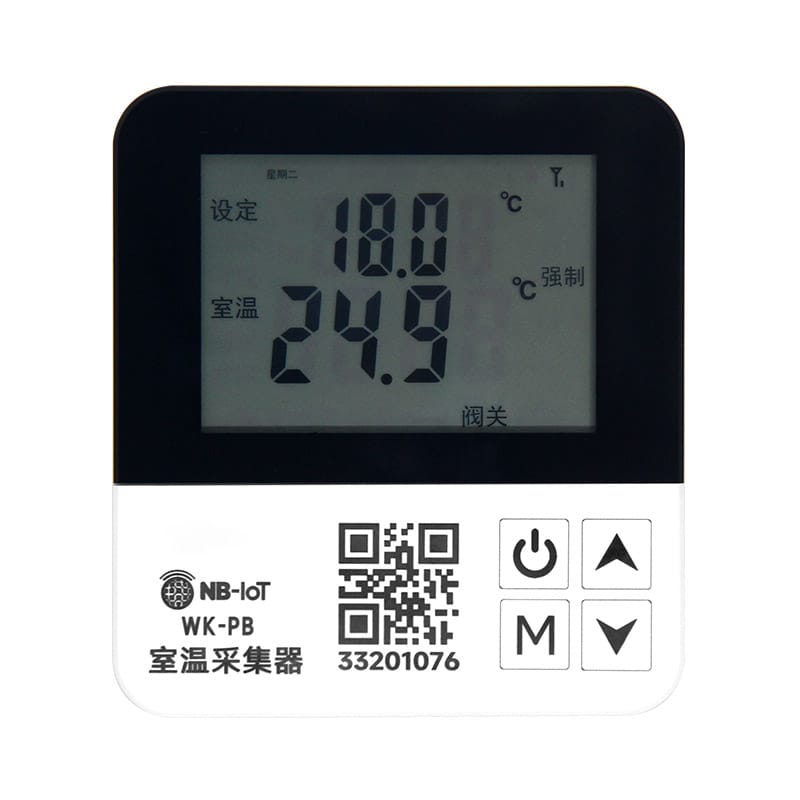
A thermostat plays a vital role in regulating indoor climates. It monitors the ambient temperature and communicates with heating, ventilation, and air conditioning (HVAC) systems to maintain the desired setting. Using a thermostat for room temp offers several benefits:
- Consistent Comfort: Keeps indoor temperatures stable, preventing uncomfortable fluctuations.
- Energy Savings: Optimizes heating and cooling schedules to reduce energy consumption.
- Cost Efficiency: Reduces unnecessary energy use, lowering utility bills.
For homeowners and businesses alike, the right thermostat ensures a balance between comfort and efficiency, while offering long-term savings.
Types of Thermostats for Room Temp
Thermostats come in various designs, each offering different levels of control and features:
- Manual Thermostats: Simple and affordable, ideal for straightforward temperature control.
- Digital Thermostats: Provide precise temperature readings and programmable schedules.
- Programmable Thermostats: Allow users to set automatic schedules for different times of the day.
- Smart Thermostats: Connected to mobile devices and Wi-Fi, offering remote control, energy reports, and integration with smart home systems.
Selecting the right type depends on your requirements, budget, and whether you want advanced features such as mobile app control or automated schedules.
Key Features to Look for in a Thermostat for Room Temp
When choosing a thermostat for room temp, consider these essential features:
- Accuracy: Look for devices that maintain precise temperature readings.
- Smart Connectivity: Enables remote monitoring and control via apps.
- Energy-Saving Modes: Automatic adjustments that reduce electricity usage.
- Durability: High-quality materials ensure long-term reliability.
- Ease of Installation: Simple setup saves time and reduces errors.
These features not only improve comfort but also enhance energy efficiency, which is a priority for both homes and commercial spaces.
How to Install a Thermostat for Room Temperature
Proper installation is critical for optimal performance. Here’s a step-by-step overview:
- Gather Tools and Materials: Screwdrivers, voltage tester, mounting hardware.
- Turn Off Power: Ensure the HVAC system is powered off for safety.
- Remove Old Thermostat: Disconnect wires carefully and label them.
- Mount the New Thermostat: Follow the manufacturer’s instructions for placement.
- Connect Wires and Test: Ensure all connections are secure, and power on the system to test.
Avoid placing thermostats near heat sources, direct sunlight, or drafts, as these can affect temperature readings.
Setting Your Thermostat for Optimal Room Temperature
Properly configuring your thermostat ensures comfort and energy efficiency:
- Ideal Temperature Settings: 68°F–72°F for winter and 74°F–78°F for summer.
- Seasonal Adjustments: Modify schedules according to seasonal changes.
- Programmable Schedules: Set temperature variations for day, night, and away times.
Using these settings, you can maintain a stable indoor climate while reducing energy waste.
Troubleshooting Common Thermostat Issues
Even high-quality thermostats may occasionally face issues. Common problems include:
- Inaccurate Readings: Often caused by placement near heat sources or sensors malfunction.
- Connectivity Problems: Wi-Fi or app connection failures in smart thermostats.
- Power Issues: Dead batteries or loose wiring.
Most issues can be resolved through careful inspection, resetting the device, or consulting the installation guide.
Top Thermostat Options for Room Temp
Here’s a comparison of recommended thermostats suitable for different needs:
| Thermostat Type | Key Features | Best For |
|---|---|---|
| Manual Thermostat | Simple, reliable | Basic temperature control |
| Digital Thermostat | Precise readings, programmable | Home and office use |
| Programmable Thermostat | Scheduling, energy-saving modes | Long-term energy efficiency |
| Smart Thermostat | Mobile control, energy reports, smart home integration | Tech-savvy users, smart homes |
This table helps readers quickly identify the thermostat that fits their needs and budget.
Energy Efficiency Tips Using Your Thermostat

Optimizing thermostat usage can significantly reduce energy consumption:
- Use Smart Scheduling: Automatically adjust temperatures based on occupancy patterns.
- Integrate with HVAC Systems: Ensure the thermostat communicates efficiently with heating and cooling equipment.
- Monitor Room Temperature Trends: Use mobile apps or digital displays to track performance and adjust settings as needed.
Following these tips maximizes comfort while minimizing unnecessary energy use.
Conclusion
Choosing the best thermostat for room temp is essential for comfort, efficiency, and energy savings. As a manufacturer of high-quality thermostats, we ensure precision, durability, and user-friendly design in every product. Whether you’re installing a digital, programmable, or smart thermostat, the right device allows you to maintain optimal indoor temperatures while reducing energy costs. Explore our range of thermostats to experience reliable room temperature control designed for both homes and businesses.
FAQ
What is the best thermostat for consistent room temp?
Digital or smart thermostats with accurate sensors are the most reliable for maintaining consistent temperatures.
How often should I adjust my thermostat settings?
Programmable schedules reduce the need for frequent adjustments, but seasonal changes may require minor tweaks.
Can a smart thermostat really save energy?
Yes. Smart thermostats optimize heating and cooling cycles and provide energy usage reports to reduce waste.
How do I know if my thermostat is malfunctioning?
Inconsistent readings, system failures, or unresponsive controls usually indicate a malfunction and require troubleshooting.