
Table of Contents
What Is a Smart Ultrasonic Water Meter?
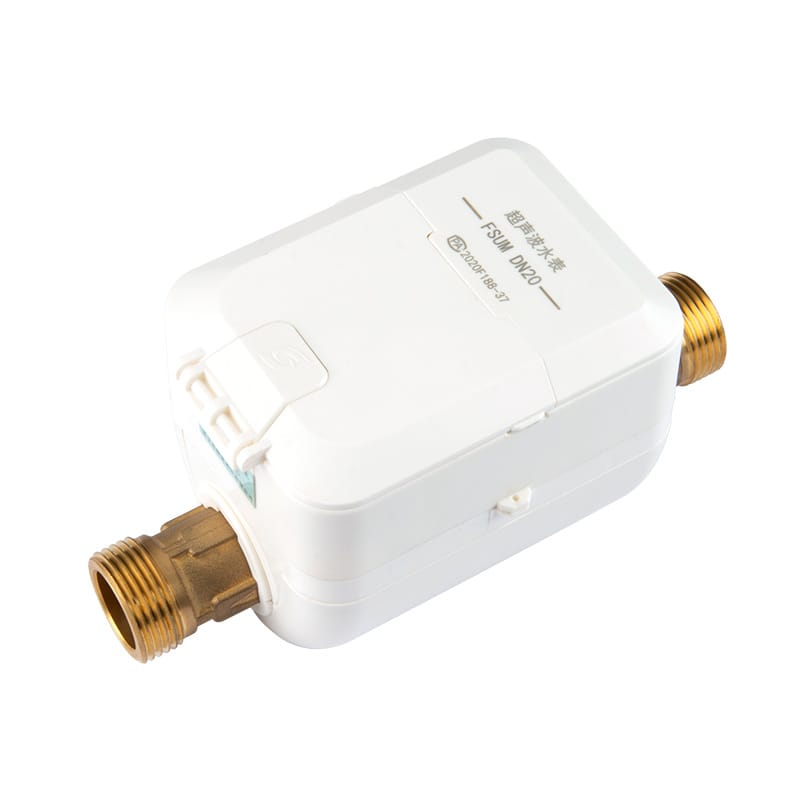
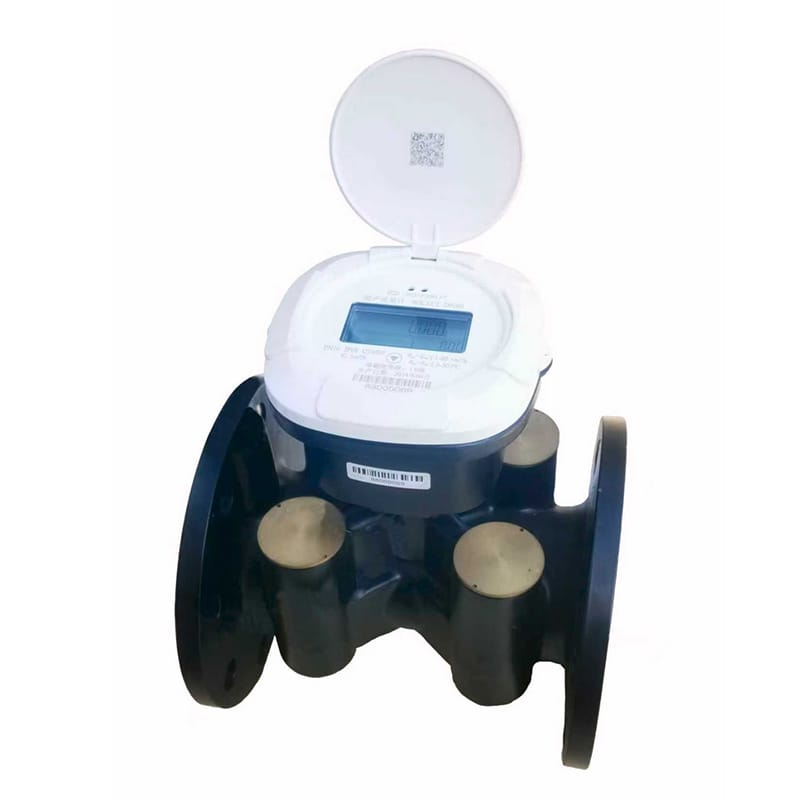
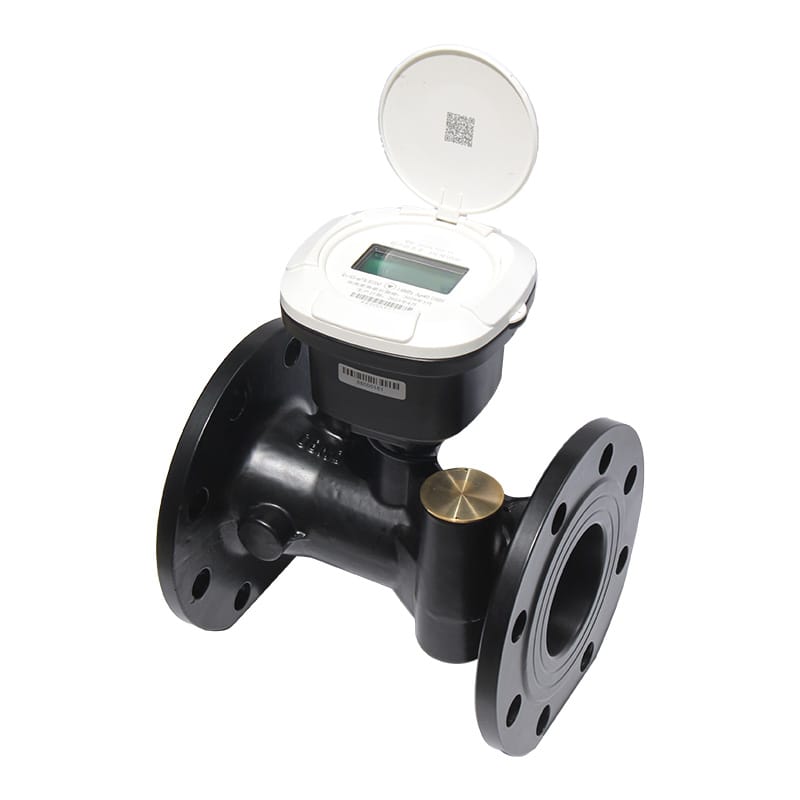
A smart ultrasonic water meter is an advanced device designed to measure water flow accurately using ultrasonic technology. Unlike traditional mechanical water meters, which rely on moving parts, ultrasonic water meters use sound waves to detect water velocity. This method eliminates wear and tear, reduces maintenance, and provides precise readings even at very low flow rates.
The technology behind smart ultrasonic water meters enables real-time monitoring and data collection. Many models integrate with IoT systems, allowing property managers, industrial facilities, and municipalities to track water usage remotely. This level of precision and connectivity is transforming water management, making it more efficient and sustainable.
Key advantages of smart ultrasonic water meters include:
- High measurement accuracy
- No moving parts, resulting in minimal maintenance
- Remote data collection and monitoring
- Early leak detection and water loss prevention
Core Features of Smart Ultrasonic Water Meters
Smart ultrasonic water meters come equipped with multiple features that make them ideal for modern water management.
Remote Reading and IoT Connectivity
Most ultrasonic water meters can transmit readings wirelessly to a centralized system. This capability reduces manual meter reading costs and allows for immediate access to usage data.
Leak Detection and Real-Time Alerts
Smart meters can detect unusual water flow patterns, signaling potential leaks. Early detection prevents water waste and reduces repair costs.
Data Logging and Usage Analytics
These meters record water consumption over time, generating analytics for usage trends, efficiency improvements, and billing accuracy.
Durability and Low Maintenance
With no mechanical components, ultrasonic meters are highly durable, even in harsh industrial or municipal environments, and require less frequent servicing compared to traditional meters.
Applications Across Different Industries
Smart ultrasonic water meters are versatile and suitable for a wide range of applications.
Residential Water Management
Homeowners can monitor their water usage in real-time, detect leaks early, and manage household water consumption efficiently.
Industrial and Manufacturing Facilities
Factories and manufacturing plants benefit from accurate water monitoring, which is essential for process control and reducing operational costs.
Smart Buildings and Property Management
Property managers can use smart meters to automate billing, monitor usage per unit, and integrate with smart building management systems.
Integration with Municipal Water Systems
Municipalities are increasingly adopting ultrasonic water meters to monitor city-wide water consumption, detect leaks in pipelines, and improve water resource management.
Benefits of Using Smart Ultrasonic Water Meters
Implementing smart ultrasonic water meters offers multiple advantages:
Improved Accuracy and Billing Transparency
Ultrasonic measurement ensures precise readings, which helps prevent disputes over water bills and improves overall billing transparency.
Water Conservation and Sustainability
Early leak detection and accurate monitoring encourage water-saving behaviors and support sustainable water management initiatives.
Cost Savings on Maintenance and Operations
With fewer mechanical parts, these meters are more reliable, reducing maintenance costs and downtime.
Enhanced Data Management for IoT Integration
Integration with IoT platforms allows real-time tracking, predictive maintenance, and optimized water usage strategies.
Comparing Smart Ultrasonic Water Meters with Other Types
Understanding the differences between smart ultrasonic meters and other water meters helps in making informed decisions.
| Feature | Smart Ultrasonic Water Meter | Traditional Mechanical Water Meter | Electromagnetic Water Meter |
|---|---|---|---|
| Measurement Accuracy | High, even at low flow rates | Moderate, affected by wear | High, but requires conductive water |
| Maintenance | Minimal | Requires regular servicing | Moderate |
| Moving Parts | None | Yes | None |
| Remote Monitoring | Available | Limited | Sometimes available |
| Durability | High | Moderate | High |
| Ideal Applications | Residential, Industrial, Municipal | Residential | Industrial, Municipal |
Installation and Maintenance Guide
Step-by-Step Installation Process
- Select the correct meter size based on pipe diameter and flow rate.
- Install in a straight section of the pipeline to avoid turbulence.
- Connect the meter to a monitoring system if remote reading is required.
- Calibrate the meter according to manufacturer instructions.
Regular Maintenance Tips
- Clean the sensor surfaces periodically to maintain accuracy.
- Check for any debris or air bubbles in the pipeline.
- Verify connectivity and data transmission for IoT-enabled meters.
Common Issues and How to Troubleshoot Them
- No reading: Check sensor connections and signal calibration.
- Erratic data: Inspect for air bubbles, strong turbulence, or flow obstructions.
- Connectivity issues: Confirm wireless or network settings.
Choosing the Right Smart Ultrasonic Water Meter
When selecting a smart ultrasonic water meter, consider:
- Size, Flow Range, and Accuracy Requirements
- Compatibility with IoT or Building Management Systems
- Certification and Compliance Standards (ISO, ANSI, or local regulations)
Selecting the right meter ensures reliable performance and long-term efficiency.
Industry Trends and Future of Smart Ultrasonic Water Meters
The smart water meter market is evolving rapidly. Key trends include:
- Advancements in Ultrasonic Sensing Technology: Smaller, more accurate sensors with faster response times.
- Integration with Smart Cities and IoT Solutions: Meters are part of larger urban water management systems.
- Emerging Applications and Market Growth: Increasing adoption in industrial, residential, and municipal projects worldwide.
As a manufacturer, we continuously innovate to provide reliable meters that meet evolving demands.
Case Studies and Real-World Applications
Residential Installations: Homeowners have reported up to 15% reduction in water waste within the first year of using smart ultrasonic water meters.
Industrial Applications: Manufacturing plants have achieved improved process control and cost savings by integrating smart meters into their water systems.
Municipal Projects: City-wide deployment has enhanced leak detection, reduced non-revenue water, and improved overall water management efficiency.
Conclusion
Smart ultrasonic water meters represent a significant leap forward in water management. They combine accuracy, durability, and IoT connectivity to deliver measurable benefits across residential, industrial, and municipal applications.
As a manufacturer, we are committed to producing high-quality smart ultrasonic water meters that meet modern water management demands. By investing in these meters, businesses and municipalities can optimize water usage, save costs, and support sustainability initiatives.
For those interested in learning more or exploring our range of smart ultrasonic water meters, please contact us for detailed specifications and solutions tailored to your needs.
FAQ
1. What is a smart ultrasonic water meter?
A smart ultrasonic water meter is a device that measures water flow using ultrasonic waves. It provides accurate readings without moving parts and can transmit data remotely for monitoring and billing purposes.
2. How does a smart ultrasonic water meter work?
It works by sending ultrasonic signals through the water and measuring the time it takes for the signals to travel. This allows precise flow measurement and helps detect leaks or unusual usage patterns.
3. What are the advantages of a smart ultrasonic water meter?
Advantages include high accuracy, minimal maintenance, remote monitoring via IoT, early leak detection, and improved water management for residential, industrial, and municipal applications.
4. Can smart ultrasonic water meters be used in industrial settings?
Yes, they are ideal for industrial applications where accurate water measurement and data integration with monitoring systems are essential for process control and cost savings.
5. How do I install and maintain a smart ultrasonic water meter?
Installation requires proper pipe alignment and connection to a monitoring system. Maintenance is minimal due to no moving parts, but regular sensor cleaning and system checks ensure accurate readings and reliable operation.