Table of Contents
Understanding Ultrasonic Flow Meters for Water
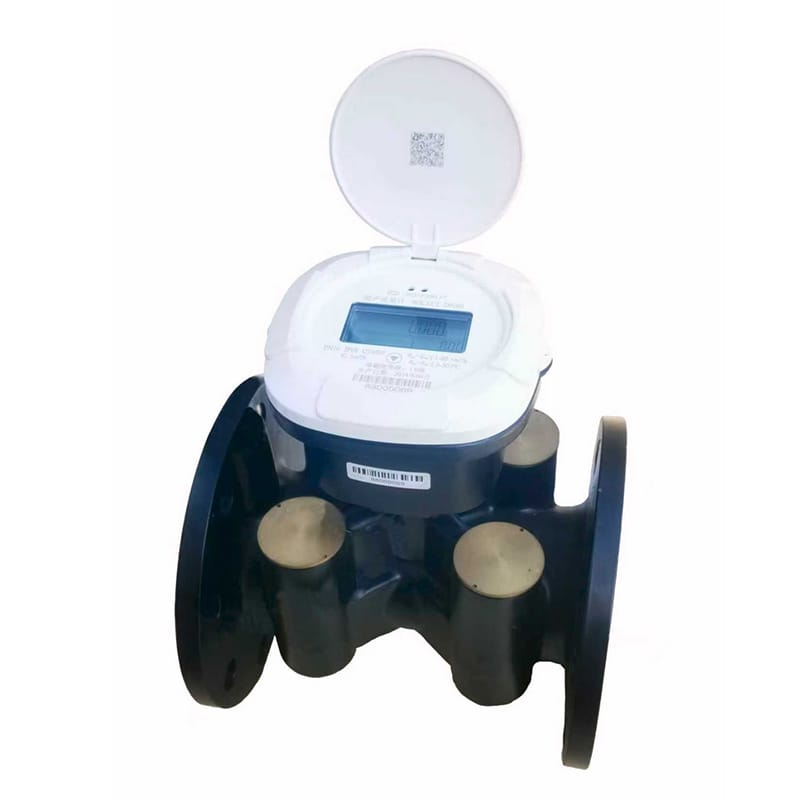
Ultrasonic flow meters for water are advanced instruments designed to measure the flow rate of water without direct contact with the liquid. Unlike traditional mechanical meters, ultrasonic flow meters use sound waves to determine the velocity of water passing through a pipe, offering high accuracy and minimal maintenance.
There are two main types of ultrasonic flow meters: transit-time meters and Doppler meters. Transit-time meters measure the time difference of ultrasonic pulses traveling with and against the flow, making them ideal for clean water applications. Doppler meters detect the frequency shift caused by particles or bubbles in the water, making them suitable for industrial water with some level of impurities.
Key Advantages of Using an Ultrasonic Flow Meter for Water
Choosing an ultrasonic flow meter for water comes with several benefits:
- Non-invasive measurement: Clamp-on ultrasonic meters do not touch the water, reducing the risk of contamination.
- High accuracy: Ultrasonic meters provide precise readings, often with an accuracy of ±1% or better.
- Versatility: Suitable for clean water, hot water, and certain types of industrial wastewater.
- Low maintenance: Fewer moving parts reduce the need for repairs and downtime.
These advantages make ultrasonic water flow meters ideal for both industrial and municipal applications.
Top Features to Consider When Choosing a Water Ultrasonic Flow Meter
When selecting an ultrasonic flow meter for water, certain features are critical to ensure accuracy, reliability, and long-term performance.
Accuracy and Precision
A high-quality ultrasonic flow meter should maintain precise measurements under varying flow conditions. Look for meters with a low margin of error, as this ensures reliable readings for billing, monitoring, or process control.
Digital vs Analog Output Options
Modern ultrasonic water flow meters often provide digital output options such as 4-20 mA, pulse, or Modbus, allowing seamless integration with industrial control systems, SCADA, and monitoring networks.
Clamp-On vs Inline Design
Clamp-on ultrasonic meters are portable and easy to install, ideal for temporary measurements or retrofitting. Inline meters are installed directly in the pipeline for permanent monitoring, offering consistent readings for industrial processes.
Flow Range and Pipe Size Compatibility
Ensure the flow meter is compatible with the diameter of your pipes and the expected flow range. Meters with multi-range capabilities offer flexibility for changing flow conditions.
Material and Build Quality
Durable construction is essential for industrial environments. Look for corrosion-resistant materials, waterproof casings, and robust sensors to withstand harsh conditions.
Specialized Types of Ultrasonic Water Flow Meters
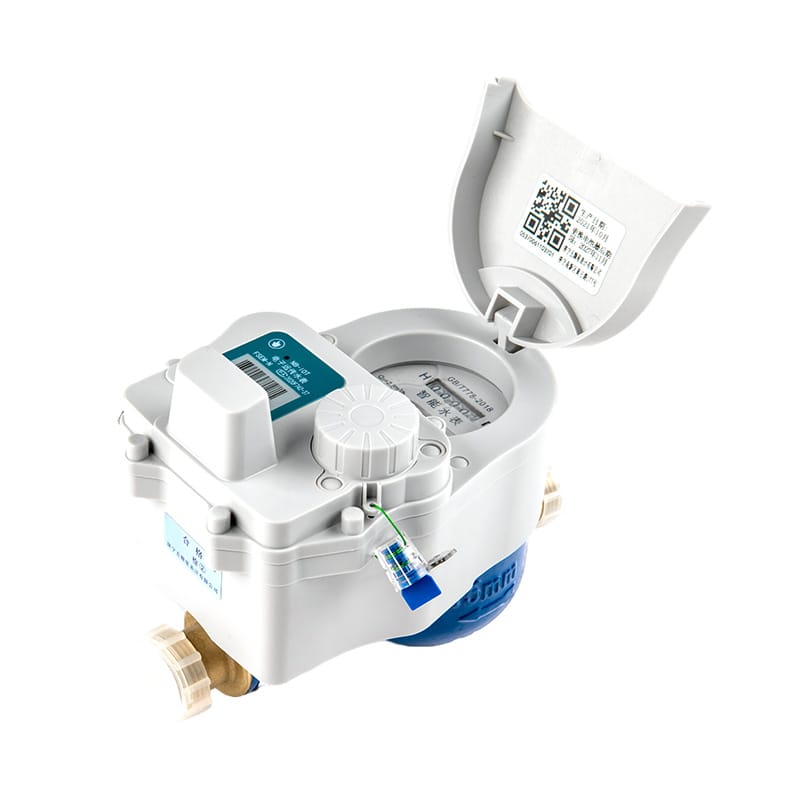
Different applications require specialized ultrasonic flow meters:
- Portable ultrasonic flow meters: Ideal for field measurements or temporary setups.
- Industrial ultrasonic flow meters: Designed for continuous monitoring in factories and plants.
- High-temperature meters: Suitable for hot water pipelines.
- Multi-path ultrasonic flow meters: Use multiple measurement paths to improve accuracy in large or turbulent pipes.
Comparison Table of Common Ultrasonic Flow Meter Types
| Type | Best Use | Accuracy | Installation | Key Advantage |
|---|---|---|---|---|
| Clamp-On Portable | Temporary/Field | ±1% | Non-invasive | Easy to install, portable |
| Inline Industrial | Permanent/Plant | ±0.5%-1% | Direct pipe integration | Continuous, high accuracy |
| Hot Water Ultrasonic | High-temperature water | ±1% | Inline | Works at elevated temperatures |
| Multi-Path Ultrasonic | Large/turbulent pipes | ±0.2%-0.5% | Inline | Highest accuracy for complex flows |
Installation and Maintenance Considerations
Proper installation is key to accurate readings. Place the meter where the flow is stable, avoiding bends, valves, or pumps nearby that can create turbulence. Regular calibration ensures consistent accuracy over time, while cleaning and sensor checks maintain performance.
Maintenance requirements are minimal compared to mechanical flow meters. Clamp-on meters are particularly low-maintenance, as they avoid direct contact with water and potential debris.
Common Applications of Ultrasonic Flow Meters for Water
Ultrasonic flow meters have diverse applications, including:
- Municipal water distribution systems: Accurate monitoring for billing and management.
- Industrial process water: Ensures precise measurement for production efficiency.
- Hot and chilled water systems in HVAC: Optimizes energy and water usage.
- Wastewater treatment: Monitors flow in industrial and municipal plants.
- Water conservation projects: Identifies losses and inefficiencies.
These applications highlight why ultrasonic water flow meters are preferred over traditional mechanical meters in many industries.
Comparing Ultrasonic Flow Meters with Other Types of Flow Meters
Ultrasonic vs Electromagnetic Flow Meters
Electromagnetic meters require conductive liquids and are often more expensive, whereas ultrasonic meters can measure non-conductive water and offer non-invasive installation.
Ultrasonic vs Mechanical Flow Meters
Mechanical meters, such as turbine or paddle wheel meters, involve moving parts prone to wear and require frequent maintenance. Ultrasonic meters provide longer service life and higher reliability in demanding applications.
Tips for Selecting the Right Ultrasonic Flow Meter for Water

When choosing an ultrasonic flow meter, consider the following:
- Match the meter type to your water quality and system requirements.
- Evaluate accuracy needs against budget constraints.
- Consider integration options with digital systems for monitoring and control.
- Assess manufacturer support, warranty, and calibration services.
Conclusion
Ultrasonic flow meters for water provide unmatched accuracy, reliability, and flexibility for industrial, municipal, and commercial applications. Selecting the right meter involves understanding key features, flow requirements, and installation conditions. As a manufacturer of high-quality ultrasonic water flow meters, we ensure that our products meet the highest standards, offering durable, precise, and easy-to-install solutions.
Explore our range of ultrasonic flow meters for water today and discover the ideal solution for your application, whether for industrial, municipal, or portable use.
FAQ
Q1: What is an ultrasonic flow meter for water?
A1: An ultrasonic flow meter for water is a device that measures water flow using sound waves, without contacting the liquid, offering high accuracy and low maintenance.
Q2: How does an ultrasonic water flow meter work?
A2: It works by sending ultrasonic pulses through the water and measuring the transit time or Doppler shift, which determines the flow velocity.
Q3: What are the advantages of using an ultrasonic flow meter for water?
A3: Key benefits include non-invasive installation, precise measurement, low maintenance, and suitability for clean, hot, or industrial water.
Q4: Can ultrasonic flow meters measure hot water or industrial water?
A4: Yes, specialized ultrasonic flow meters are designed for hot water pipelines and industrial applications, providing accurate readings in harsh environments.
Q5: How do I choose the right ultrasonic flow meter for water?
A5: Consider factors like pipe size, flow range, accuracy requirements, digital output options, and whether a portable or inline meter suits your application.