
Table of Contents
Straight length is a way to let distorted velocity profiles recover. The required distance depends on the disturbance, meter path and desired uncertainty. For ultrasonic flow meter straight pipe requirements, begin with “Identify Every Nearby Disturbance” and then “Rank Disturbances by Profile Risk.” Together, “Identify Every Nearby Disturbance” and “Rank Disturbances by Profile Risk” define the ultrasonic flow meter straight pipe requirements evidence needed before “Use Product-Specific Guidance.”
After “Use Product-Specific Guidance,” the ultrasonic flow meter straight pipe requirements workflow continues to “Keep the Pipe Full” and ends at “Verify In Situ Performance.” The move from “Use Product-Specific Guidance” to “Verify In Situ Performance” explains the ultrasonic flow meter straight pipe requirements logic behind this H1.
Identify Every Nearby Disturbance
Mark elbows, out-of-plane bends, tees, reducers, pumps and valves upstream and downstream. Note actual valve position during operation. Use drawings and measurements to complete “Identify Every Nearby Disturbance” in ultrasonic flow meter straight pipe requirements. A written “Identify Every Nearby Disturbance” decision keeps installation and operations aligned.
- Verify out-of-plane bends.
- Document pumps and valves upstream and downstream.
- Compare note actual valve position during operation.
Rank Disturbances by Profile Risk
A single gentle reducer is different from two out-of-plane elbows or a throttled valve. Swirl and asymmetry can persist for many diameters. A plausible “Rank Disturbances by Profile Risk” result can hide a ultrasonic flow meter straight pipe requirements error. Store “Rank Disturbances by Profile Risk” limits, test conditions and exception ownership.
- Verify a single gentle reducer is different from two out-of-plane elbows or a throttled valve.
- Document swirl and asymmetry can persist for many diameters.
Use Product-Specific Guidance
Apply the installation manual for the selected path configuration and disturbance. Avoid treating one generic diameter rule as universal. Share “Use Product-Specific Guidance” evidence with the ultrasonic flow meter straight pipe requirements stakeholders. If “Use Product-Specific Guidance” misses its basis, revise the “Use Product-Specific Guidance” selection and record why.
- Verify apply the installation manual for the selected path configuration and disturbance.
- Document avoid treating one generic diameter rule as universal.
Keep the Pipe Full
Vertical upward flow can help; high points and downstream free discharge can create partial filling. Straight pipe cannot correct an incomplete acoustic path. Give “Keep the Pipe Full” a dedicated ultrasonic flow meter straight pipe requirements acceptance test. Preserve “Keep the Pipe Full” values and diagnostics for a repeatable “Keep the Pipe Full” check.
- Verify vertical upward flow can help; high points and downstream free discharge can create partial filling.
- Document straight pipe cannot correct an incomplete acoustic path.
Move Away From Control Valves and Pumps
When possible, place throttling valves downstream and allow distance from pump discharge. Both create changing profiles and sometimes bubbles. Treat “Move Away From Control Valves and Pumps” as a complete ultrasonic flow meter straight pipe requirements decision. Recheck “Move Away From Control Valves and Pumps” against ultrasonic flow meter straight pipe requirements pipework, controls, interfaces and service access.
- Verify place throttling valves downstream and allow distance from pump discharge.
- Document both create changing profiles and sometimes bubbles.
Consider Multi-Path or Alternate Locations
Where space is restricted, compare better pipe sections, multiple paths or a different measurement technology rather than accepting unknown bias. Change one “Consider Multi-Path or Alternate Locations” variable at a time during ultrasonic flow meter straight pipe requirements diagnosis. The “Consider Multi-Path or Alternate Locations” baseline separates “Consider Multi-Path or Alternate Locations” hardware, process and installation causes.
- Verify where space is restricted.
- Document compare better pipe sections.
- Compare multiple paths or a different measurement technology rather than accepting unknown bias.
Document the Compromise
Record actual upstream and downstream lengths, fitting geometry and operating positions. Include photographs so later reviewers understand the limitation. Close “Document the Compromise” with a named ultrasonic flow meter straight pipe requirements owner. For “Document the Compromise,” keep its photographs, configuration export and “Document the Compromise” comparison readings.
- Verify record actual upstream and downstream lengths.
- Document fitting geometry and operating positions.
- Compare include photographs so later reviewers understand the limitation.
Verify In Situ Performance
Compare readings across pump states or with an independent balance. Watch whether indicated flow changes when a nearby valve position changes at similar process demand. For “Verify In Situ Performance,” the ultrasonic flow meter straight pipe requirements team ties assumptions to field evidence. Its “Verify In Situ Performance” record names the source, unit and “Verify In Situ Performance” exception owner.
- Verify compare readings across pump states or with an independent balance.
- Document watch whether indicated flow changes when a nearby valve position changes at similar process demand.
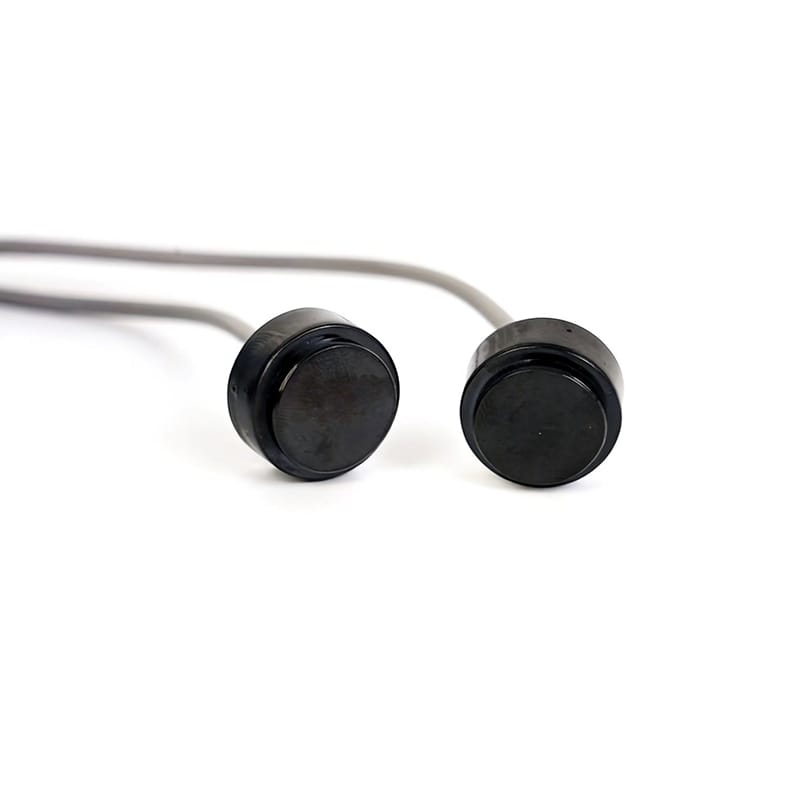
Identify Every Nearby Disturbance Decision Table
| Decision | Evidence | Release condition |
|---|---|---|
| Identify Every Nearby Disturbance | Mark elbows, out-of-plane bends, tees, reducers, pumps and valves upstream and downstream | Release “Identify Every Nearby Disturbance” only after its ultrasonic flow meter straight pipe requirements evidence is accepted |
| Rank Disturbances by Profile Risk | A single gentle reducer is different from two out-of-plane elbows or a throttled valve | Release “Rank Disturbances by Profile Risk” only after its ultrasonic flow meter straight pipe requirements evidence is accepted |
| Use Product-Specific Guidance | Apply the installation manual for the selected path configuration and disturbance | Release “Use Product-Specific Guidance” only after its ultrasonic flow meter straight pipe requirements evidence is accepted |
| Keep the Pipe Full | Vertical upward flow can help; high points and downstream free discharge can create partial filling | Release “Keep the Pipe Full” only after its ultrasonic flow meter straight pipe requirements evidence is accepted |
| Move Away From Control Valves and Pumps | When possible, place throttling valves downstream and allow distance from pump discharge | Release “Move Away From Control Valves and Pumps” only after its ultrasonic flow meter straight pipe requirements evidence is accepted |
Five Questions About “Verify In Situ Performance”
Which “Identify Every Nearby Disturbance” check comes first for ultrasonic flow meter straight pipe requirements?
Mark elbows, out-of-plane bends, tees, reducers, pumps and valves upstream and downstream. Note actual valve position during operation.
Why does rank disturbances by profile risk affect ultrasonic flow meter straight pipe requirements?
A single gentle reducer is different from two out-of-plane elbows or a throttled valve. Swirl and asymmetry can persist for many diameters.
How should document the compromise be verified?
Record actual upstream and downstream lengths, fitting geometry and operating positions. Include photographs so later reviewers understand the limitation.
When must the ultrasonic flow meter straight pipe requirements basis be reviewed?
Review ultrasonic flow meter straight pipe requirements when inputs to “Identify Every Nearby Disturbance,” “Keep the Pipe Full” or “Document the Compromise” change.
Which details support “Rank Disturbances by Profile Risk” in ultrasonic flow meter straight pipe requirements?
For ultrasonic flow meter straight pipe requirements, provide the inputs for “Identify Every Nearby Disturbance,” the constraints from “Rank Disturbances by Profile Risk” and the evidence expected under “Document the Compromise.”
Before approving “Identify Every Nearby Disturbance,” revisit its project assumptions. Mark elbows, out-of-plane bends, tees, reducers, pumps and valves upstream and downstream. Note actual valve position during operation. Record the resulting “Identify Every Nearby Disturbance” decision and any site-specific “Identify Every Nearby Disturbance” exception.
Before approving “Rank Disturbances by Profile Risk,” revisit its project assumptions. A single gentle reducer is different from two out-of-plane elbows or a throttled valve. Swirl and asymmetry can persist for many diameters. Record the resulting “Rank Disturbances by Profile Risk” decision and any site-specific “Rank Disturbances by Profile Risk” exception.
Technical references for “Identify Every Nearby Disturbance” include ASME Standards for “Identify Every Nearby Disturbance”, NIST Fluid Metrology for “Rank Disturbances by Profile Risk”, USBR Water Measurement Manual for “Use Product-Specific Guidance”, US DOE Pumping Systems for “Keep the Pipe Full”. The project specification should name the applicable edition and local rules.
Dingjia options supporting “Rank Disturbances by Profile Risk” include the discuss the application for “Identify Every Nearby Disturbance”, ultrasonic flow meter for “Rank Disturbances by Profile Risk”, ultrasonic transducer for “Use Product-Specific Guidance”, meter-specific transducer for “Keep the Pipe Full”. For “Rank Disturbances by Profile Risk,” send operating conditions and interface requirements to the engineering team before selection. The inquiry should also assign responsibility for “Move Away From Control Valves and Pumps” and “Consider Multi-Path or Alternate Locations.”