Table of Contents
As a manufacturer of ultrasonic water flow meters, we understand the importance of accurate flow measurement in modern water systems. Ultrasonic water flow meters have become one of the most reliable and cost-effective instruments for measuring liquid flow in pipes across industries such as HVAC, water treatment, irrigation, and industrial processes. This article will provide a comprehensive guide to water flow meter ultrasonic, explain how they work, compare them with other flow meter types, and provide practical advice on selecting and installing the right product.
What Is an Water Flow Meter Ultrasonic? (Definition & Key Concepts)
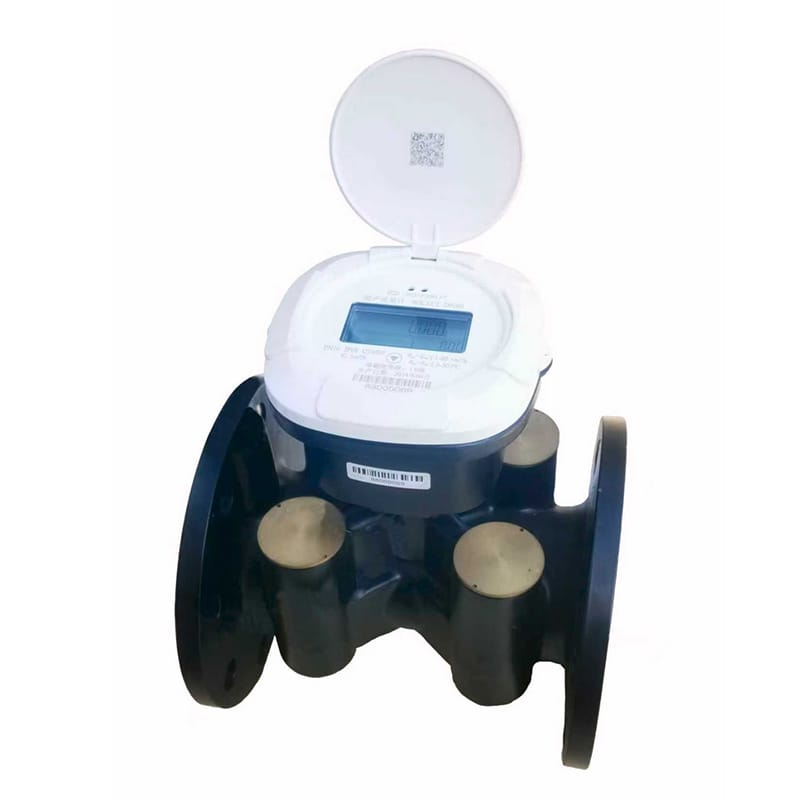
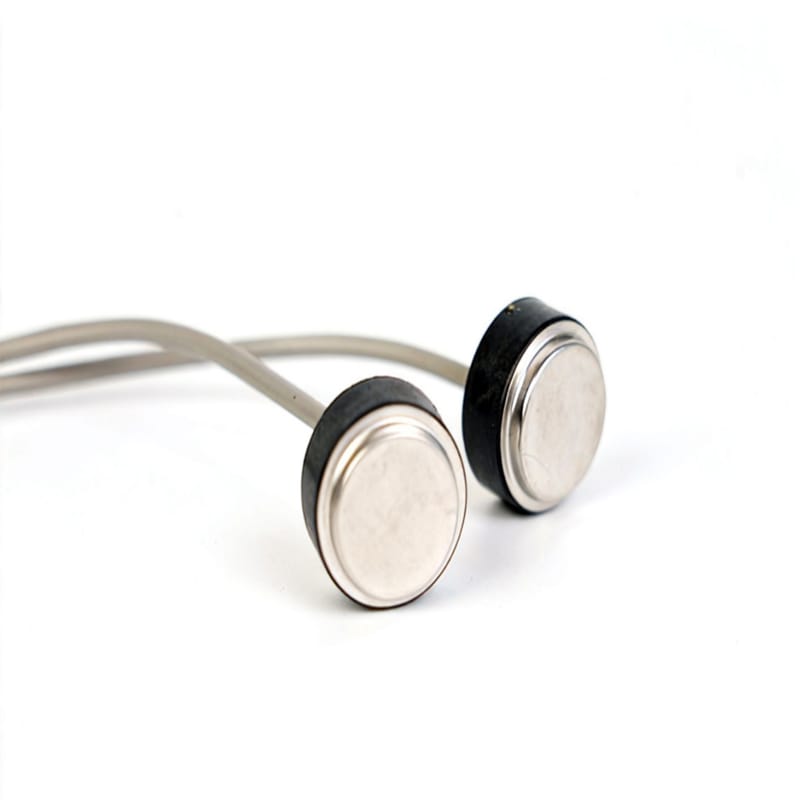
An water flow meter ultrasonic is a device that measures the velocity of water (or other liquids) using ultrasonic sound waves. Unlike mechanical flow meters, ultrasonic flow meters are typically non-contact and non-invasive, which means they can measure flow without cutting the pipe or inserting parts into the flow stream. This reduces maintenance, minimizes pressure loss, and improves long-term reliability.
There are two main types of ultrasonic water flow meters:
Transit-Time vs Doppler Ultrasonic Flow Meters
- Transit-Time Ultrasonic Flow Meter
Measures flow by sending ultrasonic pulses upstream and downstream. The difference in time-of-flight is proportional to flow velocity. Transit-time meters work best in clean or mildly dirty liquids. - Doppler Ultrasonic Flow Meter
Measures flow based on frequency shift of ultrasonic waves reflected by particles or bubbles in the fluid. Doppler meters are suitable for dirty water or wastewater but may be less accurate in clean water.
Clamp-on Ultrasonic Flow Meter vs Inline Ultrasonic Flow Meter
- Clamp-on Ultrasonic Flow Meter
Sensors are mounted externally on the pipe. Ideal for retrofit projects, non-invasive installations, and when cutting the pipe is not possible. - Inline Ultrasonic Flow Meter
Installed directly into the pipeline. Offers higher accuracy and stability for critical measurement tasks but requires pipe cutting and installation.
Common Terminology (Velocity, Time-of-Flight, Signal-to-Noise)
Understanding basic terms helps users interpret meter performance.
- Velocity: The speed of liquid flow inside the pipe.
- Time-of-Flight: The time taken for ultrasonic pulses to travel through the fluid.
- Signal-to-Noise Ratio (SNR): Indicates measurement quality and stability.
How Water Flow Meter Ultrasonic Work (Working Principle Explained)
Ultrasonic water flow meters use sound waves to measure flow. Depending on the technology, the working principle can be either transit-time or Doppler.
Transit-Time Principle (Time-of-Flight)
Transit-time ultrasonic flow meters send pulses of ultrasound upstream and downstream. The time it takes for the signal to travel downstream is slightly shorter than upstream due to fluid movement. The difference in transit time is used to calculate flow velocity. This method is highly accurate for clean water and is commonly used in HVAC, building water systems, and industrial applications.
Doppler Principle (Frequency Shift)
Doppler ultrasonic flow meters rely on the Doppler effect. When ultrasound reflects off particles or bubbles in the liquid, the frequency shifts. The frequency change is proportional to flow velocity. Doppler meters are ideal for wastewater, sludge, or fluids with suspended solids.
Why Ultrasonic Flow Meters Are Non-Invasive & Highly Accurate
Ultrasonic water flow meters do not require mechanical moving parts, which reduces wear and tear. This makes them suitable for long-term use and low-maintenance applications. Additionally, because the sensors do not contact the fluid (especially clamp-on types), there is no risk of corrosion or blockage.
Key Features of High-Quality Water Flow Meter Ultrasonic
When selecting an water flow meter ultrasonic, certain features determine long-term performance and measurement accuracy.
Accuracy & Repeatability (±0.5% ~ ±1.0%)
A high-quality ultrasonic flow meter should offer stable accuracy across a wide flow range. Accuracy depends on pipe condition, fluid type, and installation quality. Most industrial-grade meters achieve ±0.5% to ±1.0% accuracy under proper conditions.
Pipe Size Range & Compatibility (PVC, Stainless Steel, Carbon Steel)
As a manufacturer, we produce meters compatible with various pipe materials including:
- PVC
- Stainless steel
- Carbon steel
- Ductile iron
Different pipe materials affect ultrasonic signal transmission, so the correct sensor type and installation method are critical.
Output Signals (4-20mA, Pulse, RS485 Modbus)
Modern water flow meter ultrasonic often support multiple outputs for integration with control systems:
- 4-20mA: Standard analog output for industrial PLCs.
- Pulse output: Used for totalization and meter reading.
- RS485 Modbus: Allows remote monitoring and data collection.
Display & Data Logging Functions
Many ultrasonic flow meters include LCD displays and data logging capabilities. These features allow users to view real-time flow rate, total flow, and historical data directly on the device.
Power Supply Options (Battery, DC, AC)
Depending on installation conditions, meters can be powered by:
- Battery (for remote locations)
- DC (12V/24V)
- AC (110V/220V)
Why Choose Ultrasonic Water Flow Meter for Your Project? (Manufacturer Perspective)
As a manufacturer, we often see customers choose water flow meter ultrasonic because of their versatility, reliability, and low maintenance. Here are some key reasons:
Non-contact Measurement Advantages
Clamp-on ultrasonic flow meters allow measurement without cutting the pipe, which reduces installation time and avoids interruption of production.
Low Maintenance & Long Service Life
Without moving parts and with robust design, ultrasonic meters can operate for years with minimal maintenance.
Suitable for Clean Water, Wastewater, and Industrial Fluids
Depending on the technology (transit-time or Doppler), ultrasonic meters can handle a wide range of liquids, including:
- potable water
- wastewater
- chemical solutions
- process liquids
Benefits in HVAC, Water Treatment, Irrigation, and Industrial Process
Ultrasonic meters are widely used in:
- HVAC energy monitoring
- water treatment plants
- irrigation systems
- industrial process control
- leak detection systems
Ultrasonic Water Flow Meter vs Other Flow Meter Types (Comparison)
To help buyers make informed decisions, here is a clear comparison of ultrasonic meters with other common flow meter types.
Ultrasonic vs Magnetic Flow Meter
- Magnetic flow meters require conductive fluids and can’t measure non-conductive liquids.
- Ultrasonic flow meters can measure non-conductive fluids, making them more versatile in many applications.
Ultrasonic vs Turbine Flow Meter
- Turbine meters have moving parts and are prone to wear and blockage.
- Ultrasonic meters are non-contact and require less maintenance.
Ultrasonic vs Vortex Flow Meter
- Vortex meters work well for steam and gas, but can be less accurate with low flow rates.
- Ultrasonic meters provide accurate measurement across a wider range.
Which One Is Best for Your Application?
If you need non-invasive measurement, low maintenance, and high accuracy, ultrasonic flow meters are often the best choice, especially for water and wastewater systems.
How to Select the Right Water Flow Meter Ultrasonic (Buying Guide)
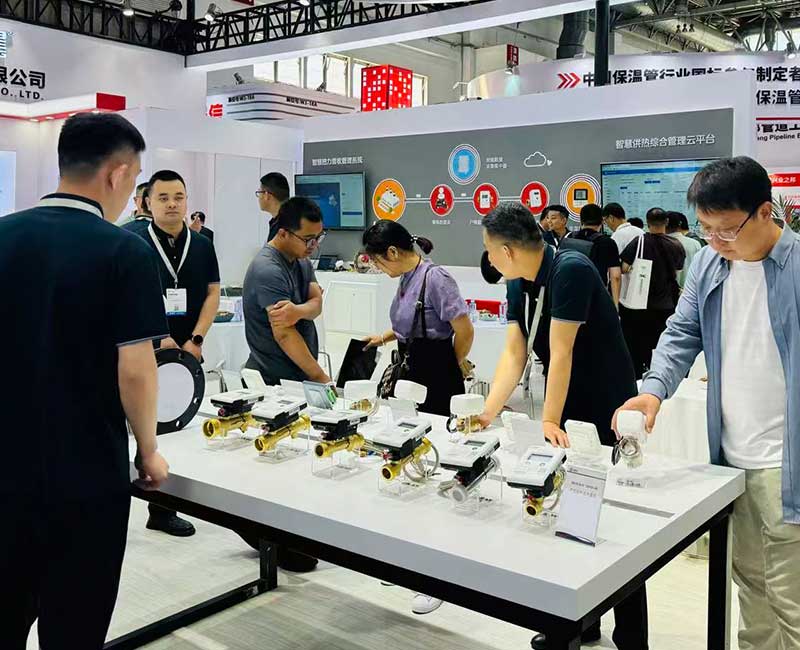
Choosing the right water flow meter ultrasonic requires understanding your project requirements. Here are the main selection criteria:
Choose Between Clamp-On and Inline Models
- Choose clamp-on if you need non-invasive installation and quick deployment.
- Choose inline if you require maximum accuracy and long-term stability.
Consider Pipe Material and Pipe Size
Different pipe materials affect ultrasonic transmission. Make sure your meter supports your pipe type and diameter.
Check Output Requirements (Modbus, 4-20mA, Pulse)
Determine whether your system needs:
- analog output (4-20mA)
- digital communication (RS485 Modbus)
- pulse output for totalization
Understand Accuracy Class and Measurement Range
Choose a meter with accuracy that fits your needs. Higher accuracy is essential for billing or energy management.
Look for Certifications (CE, ISO, etc.)
Certifications ensure product quality and compliance with industry standards.
Installation & Calibration Tips for Water Flow Meter Ultrasonic
Proper installation and calibration are essential to achieve accurate readings.
Correct Sensor Positioning and Pipe Preparation
For transit-time meters, ensure sensors are aligned correctly and the pipe surface is clean and free of rust or insulation.
Avoiding Air Bubbles and Turbulence
Air bubbles and turbulent flow can affect measurement. Install the meter where flow is stable and free of strong turbulence.
Calibration Best Practices
Calibration should be performed according to manufacturer instructions. For best results, calibrate under real operating conditions.
Troubleshooting Common Installation Issues
Common issues include:
- incorrect sensor alignment
- poor pipe contact
- wrong pipe diameter settings
- signal noise due to vibration
Water Flow Meter Ultrasonic Applications (Use Cases & Industry Solutions)
Ultrasonic water flow meters are widely used across industries. Here are some common applications:
HVAC System Flow Monitoring
Ultrasonic meters provide accurate flow measurement for heating and cooling systems, helping improve energy efficiency and cost savings.
Water Treatment Plant Flow Measurement
In water treatment, ultrasonic meters are used for inlet/outlet monitoring, chemical dosing, and process control.
Irrigation & Agriculture Water Management
Ultrasonic flow meters help monitor water usage and optimize irrigation scheduling, improving water conservation.
Industrial Process Control and Energy Management
In industrial processes, ultrasonic meters monitor fluid consumption, detect leaks, and support energy management systems.
Leak Detection and Water Conservation
Ultrasonic meters can detect abnormal flow patterns, helping identify leaks and reduce water waste.
Common Problems & Troubleshooting for Water Flow Meter Ultrasonic
Even the best ultrasonic flow meters can experience issues if installation or operation is not correct. Here are common problems and solutions:
No Signal or Low Signal Strength
This may be caused by:
- poor sensor contact
- incorrect pipe type settings
- air bubbles in the liquid
- excessive vibration
Inaccurate Readings (Causes and Fixes)
Common causes include:
- turbulent flow
- wrong pipe diameter
- incorrect sensor placement
Fixes include repositioning sensors and ensuring proper pipe conditions.
Sensor Drift and Environmental Interference
Extreme temperatures, electromagnetic interference, or vibration can affect accuracy. Choose a meter with robust design and stable electronics.
How to Maintain Stable Long-Term Performance
Regular inspection, cleaning, and calibration help maintain accuracy. A high-quality water flow meter ultrasonic can last many years with minimal maintenance.
Why Buy from a Manufacturer (Your Advantage as a Supplier)
As the manufacturer, we offer unique advantages that distributors cannot match:
Direct Factory Pricing & OEM/ODM Support
Buying directly from the manufacturer reduces cost and ensures you get genuine, high-quality products. We also support OEM and ODM customization.
Customizable Flow Meter Solutions
We can customize:
- sensor types (clamp-on or inline)
- output signals (Modbus, 4-20mA, pulse)
- pipe size range and material compatibility
Quality Control and After-Sales Service
Manufacturers control the entire production process and ensure consistent quality. We also provide professional after-sales support.
Fast Delivery and Stable Supply Chain
With direct factory production, lead times are shorter and supply is more stable.
Comparison Table: Clamp-On vs Inline Water Flow Meter Ultrasonic
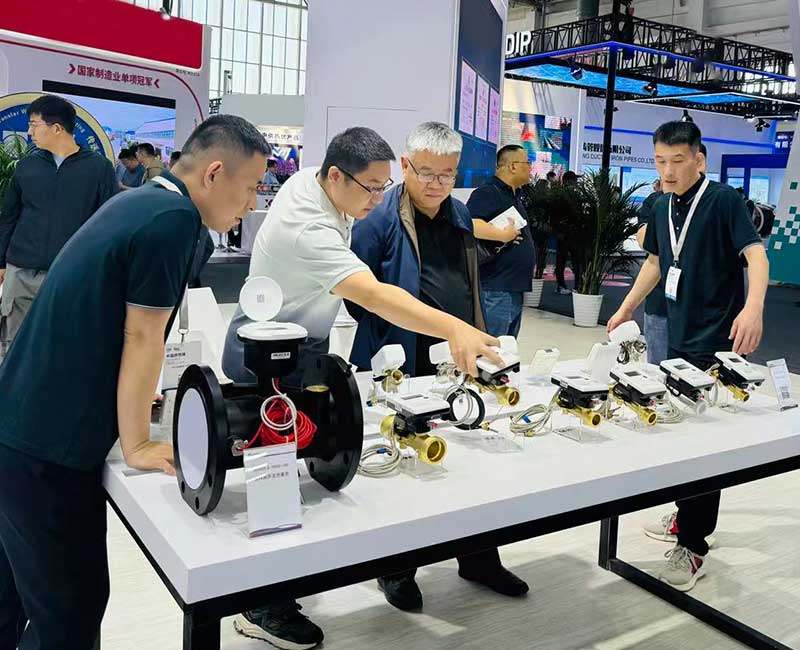
| Feature | Clamp-On Ultrasonic Flow Meter | Inline Ultrasonic Flow Meter |
|---|---|---|
| Installation | Non-invasive, no pipe cutting | Requires pipe cutting |
| Accuracy | High but slightly lower than inline | Highest stability and accuracy |
| Maintenance | Very low | Low |
| Best for | Retrofit, quick deployment | Critical measurement systems |
| Typical Applications | HVAC, building water systems | Water treatment, industrial processes |
Conclusion
Ultrasonic water flow meters have become a leading solution for accurate, reliable, and low-maintenance flow measurement. As a manufacturer, we design and produce high-quality water flow meter ultrasonic that meet diverse industrial needs. Whether you need a clamp-on ultrasonic flow meter for quick installation or an inline ultrasonic flow meter for critical applications, understanding the working principle, key features, and correct installation methods will help you choose the best product for your project.
If you want a reliable flow measurement solution for HVAC, water treatment, irrigation, or industrial process control, choosing a reputable manufacturer ensures you get the best quality, custom options, and stable supply.
For professional advice or to request a quote, feel free to contact us and we will recommend the most suitable water flow meter ultrasonic for your application.
FAQ
1. What is an water flow meter ultrasonic and how does it work?
An water flow meter ultrasonic measures liquid flow using ultrasonic sound waves. It sends ultrasonic pulses through the pipe and calculates flow based on the time difference (transit-time) or frequency shift (Doppler). This method is non-invasive and highly accurate for clean water and many industrial fluids.
2. What is the difference between clamp-on and inline ultrasonic flow meters?
A clamp-on ultrasonic flow meter attaches externally to the pipe, making it ideal for retrofit projects and non-invasive installation. An inline ultrasonic flow meter is installed directly in the pipeline, offering higher accuracy and stability but requiring pipe cutting and more complex installation.
3. Are water flow meter ultrasonic suitable for wastewater or dirty water?
Yes, Doppler ultrasonic flow meters are designed for fluids containing particles or bubbles, such as wastewater, sludge, or industrial effluent. For clean water applications, transit-time ultrasonic flow meters are more accurate.
4. What output signals do water flow meter ultrasonic support?
Most water flow meter ultrasonic support multiple outputs, including 4-20mA, pulse output, and RS485 Modbus. These outputs allow easy integration with PLC systems, SCADA, and remote monitoring platforms.
5. How accurate are water flow meter ultrasonic?
High-quality water flow meter ultrasonic typically offer accuracy between ±0.5% to ±1.0% under proper installation conditions. Accuracy depends on pipe material, fluid type, and correct sensor positioning.