Table of Contents
As a manufacturer of ultrasonic remote water meters, we understand that modern water management requires accurate measurement, reliable data transmission, and long-term stability. Ultrasonic remote water meters are increasingly becoming the preferred choice for smart buildings, industrial sites, and utility networks. This guide explains how these meters work, what advantages they offer, how to choose the right model, and why manufacturer-direct supply matters.
What Is an Ultrasonic Remote Water Meter?
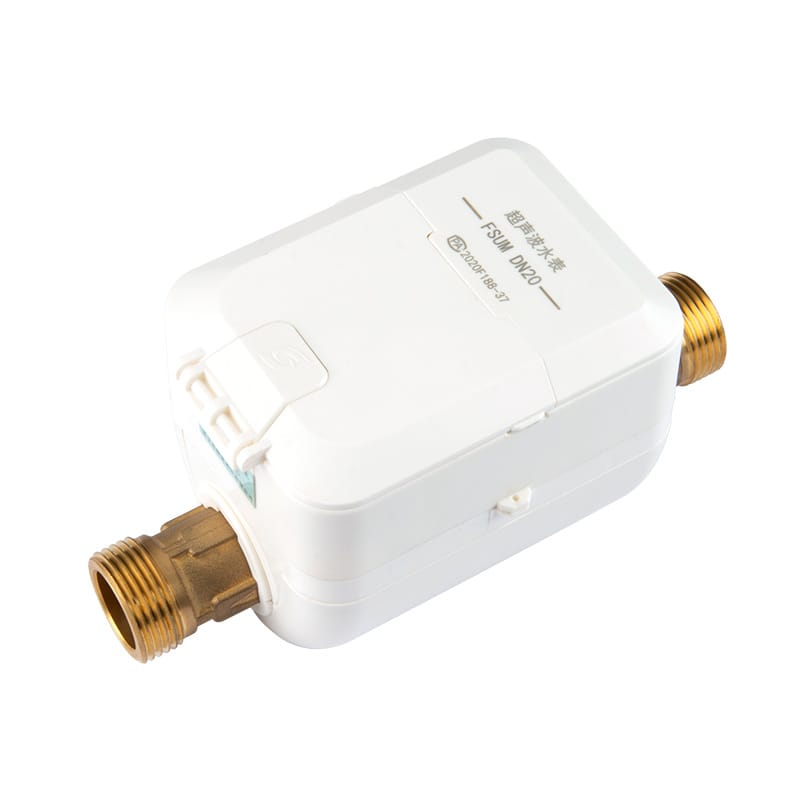
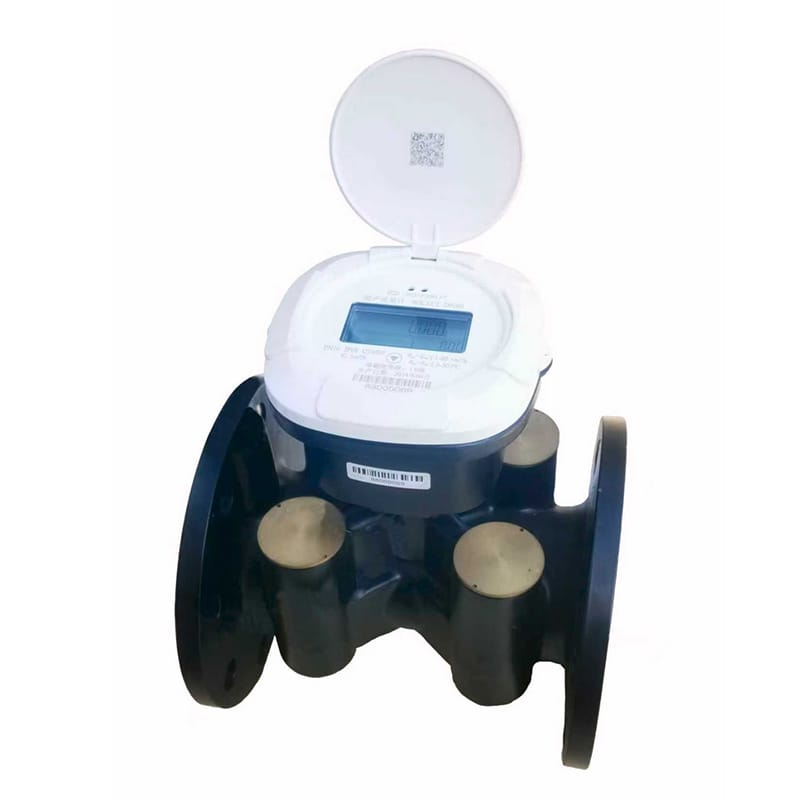
An ultrasonic remote water meter measures water flow using ultrasonic technology, which means there are no moving parts inside the meter. Instead of mechanical gears and turbines, it relies on ultrasonic signals to calculate flow rate based on the speed difference of sound waves traveling with and against the water flow.
Compared to traditional mechanical water meters, ultrasonic meters provide higher accuracy, better durability, and less maintenance. This is especially important in systems where reliability and long-term performance matter, such as apartment buildings, industrial plants, and district metering systems.
How Ultrasonic Remote Water Meters Work (Working Principle)
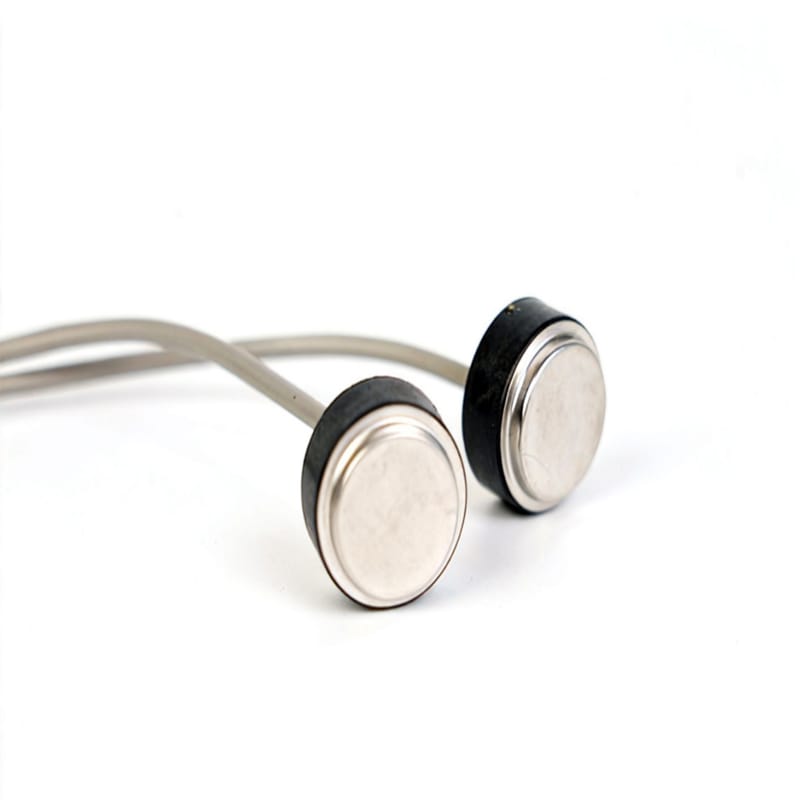
The core of an ultrasonic remote water meter is the ultrasonic flow sensor. When ultrasonic pulses are sent through the water, the meter calculates the flow rate by analyzing the time it takes for the signal to travel in both directions. This method is called transit-time measurement, and it is widely used in modern smart water metering.
A key advantage is that the meter can integrate with AMR (Automatic Meter Reading) and AMI (Advanced Metering Infrastructure) systems. Remote water meter data can be transmitted via LoRa, NB-IoT, RF, or other communication protocols, allowing utility managers to monitor consumption in real time, reduce manual readings, and improve billing accuracy.
Key Advantages of Ultrasonic Remote Water Meters
High Accuracy and Long-Term Stability
Ultrasonic meters maintain consistent accuracy over time because there are no mechanical wear points. This makes them ideal for environments where precise measurement is essential, such as industrial processes and commercial water billing.
Non-Mechanical, No Moving Parts
The absence of moving parts means fewer failures and lower maintenance requirements. It also reduces the risk of measurement error caused by mechanical friction or obstruction.
Leak Detection and Anti-Tamper Capability
Many ultrasonic remote water meters include features like leak detection, reverse flow detection, and tamper alarms. These functions help utilities and building managers identify issues early and prevent losses.
Low Maintenance and Long Service Life
With no mechanical components, the meter is less prone to wear. Routine maintenance mainly involves cleaning, calibration checks, and ensuring stable power supply for data logging and communication modules.
Ultrasonic Remote Water Meter vs Other Water Meters
When comparing different water metering technologies, ultrasonic remote water meters stand out for several reasons:
- Ultrasonic vs Electromagnetic Meters
Electromagnetic meters require conductive fluid and are typically more sensitive to water quality. Ultrasonic meters are more versatile and can work well in a broader range of applications. - Ultrasonic vs Smart Water Meters
While many smart water meters rely on mechanical measurement, ultrasonic smart meters combine high accuracy with remote reading capability. They are ideal for AMR/AMI deployments. - Ultrasonic vs Traditional Mechanical Meters
Mechanical meters are often cheaper initially, but they can wear out quickly and lose accuracy. Ultrasonic meters provide better long-term value, especially in high-usage environments.
How to Choose the Right Ultrasonic Remote Water Meter
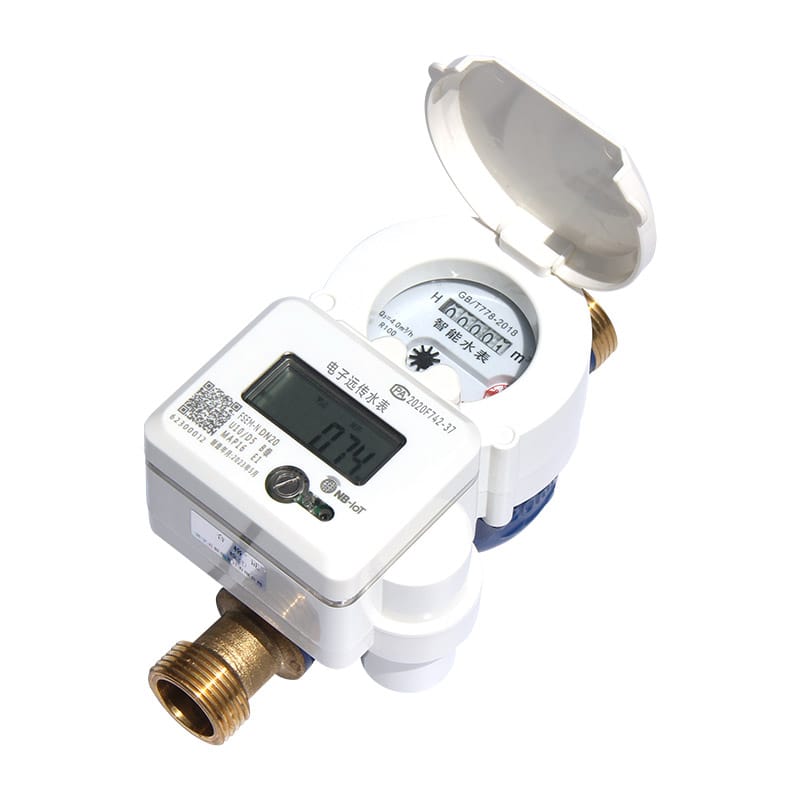
Choosing the correct ultrasonic remote water meter depends on several factors:
Selecting Based on Pipe Size and Flow Range
Accurate flow measurement requires the meter to match the pipe diameter and expected flow rate. For example, a small residential meter differs significantly from a large industrial meter in both size and measurement range.
Choosing Based on Communication Method
Remote water meter data transmission can be set up via LoRa, NB-IoT, or RF modules. The best choice depends on network coverage, distance, and integration needs with existing AMR/AMI systems.
Industrial vs Residential Applications
Industrial environments may require meters with higher pressure ratings, anti-corrosion materials, and stronger signal stability. Residential meters prioritize compact size and cost efficiency.
What to Look for in Accuracy Class and Certification
Look for meters with clear accuracy class ratings and compliance with industry standards. Certifications and factory calibration records ensure reliability and legal metering accuracy.
Installation Guide for Ultrasonic Remote Water Meters
Proper installation is essential for accurate measurement and stable remote reading.
Pre-Installation Checklist
Before installation, confirm pipe material, diameter, flow direction, and power supply. Check that the communication module is compatible with your network.
Proper Positioning and Straight Pipe Requirements
Ultrasonic meters require a certain length of straight pipe upstream and downstream to avoid turbulence that affects readings. Following manufacturer guidelines ensures consistent performance.
Wiring and Power Supply Considerations
If the meter includes a data logger or remote module, ensure stable power supply and proper wiring. For battery-powered meters, check battery life and replacement intervals.
Connecting to AMR/AMI Network
For smart metering systems, configure the communication settings and verify data transmission. Confirm that the remote meter can connect to the gateway or base station without interference.
Maintenance and Calibration Tips
To ensure long-term accuracy, periodic maintenance is recommended.
Routine Inspection and Cleaning
Check the meter body and sensor for deposits, debris, or scale buildup. Clean as needed to maintain signal clarity.
How to Detect Meter Drift or Failure
If readings appear inconsistent or unusually high/low, the meter may require calibration. Compare readings with known flow values or use a calibration device.
Calibration Frequency and Methods
Calibration depends on usage, water quality, and environmental conditions. Industrial users may require more frequent calibration than residential installations.
Battery Replacement and Data Logger Care
If your meter includes a data logger or remote communication module, ensure battery replacement is timely. For meters with long battery life, verify power status regularly.
Typical Applications and Industry Use Cases
Ultrasonic remote water meters are widely used in various scenarios:
Residential Community and Apartment Buildings
Remote water meters simplify billing, reduce manual reading costs, and improve accuracy for multi-unit properties.
Commercial Buildings and Hotels
For hotels and commercial buildings, water management is crucial. Remote meters provide real-time consumption data and help detect leaks quickly.
Industrial Plants and Manufacturing Sites
Industrial applications demand high accuracy and stable performance under harsh conditions. Ultrasonic meters offer robust measurement and remote monitoring.
Smart City Water Management and District Metering
In smart city projects, ultrasonic remote meters integrate with centralized management systems, enabling better water distribution, leak detection, and data analytics.
Common Problems and Troubleshooting
Even the best meters can face issues if installation or network conditions are not optimal.
No Data Transmission or Weak Signal
This often occurs due to poor network coverage or interference. Check the communication module and consider using an alternative protocol like NB-IoT or LoRa.
Unstable Readings or Abnormal Flow Values
Turbulence, air bubbles, or incorrect installation can cause unstable measurements. Ensure proper straight pipe length and remove any air pockets.
Meter Error Caused by Air Bubbles or Pipe Vibration
Air in the pipeline and vibration can distort ultrasonic signals. Addressing these factors improves accuracy significantly.
How to Handle Power Failure and Network Interruption
For battery-powered meters, ensure the battery is healthy. For network interruptions, verify gateway connections and signal strength.
Why Choose a Manufacturer-Direct Ultrasonic Remote Water Meter
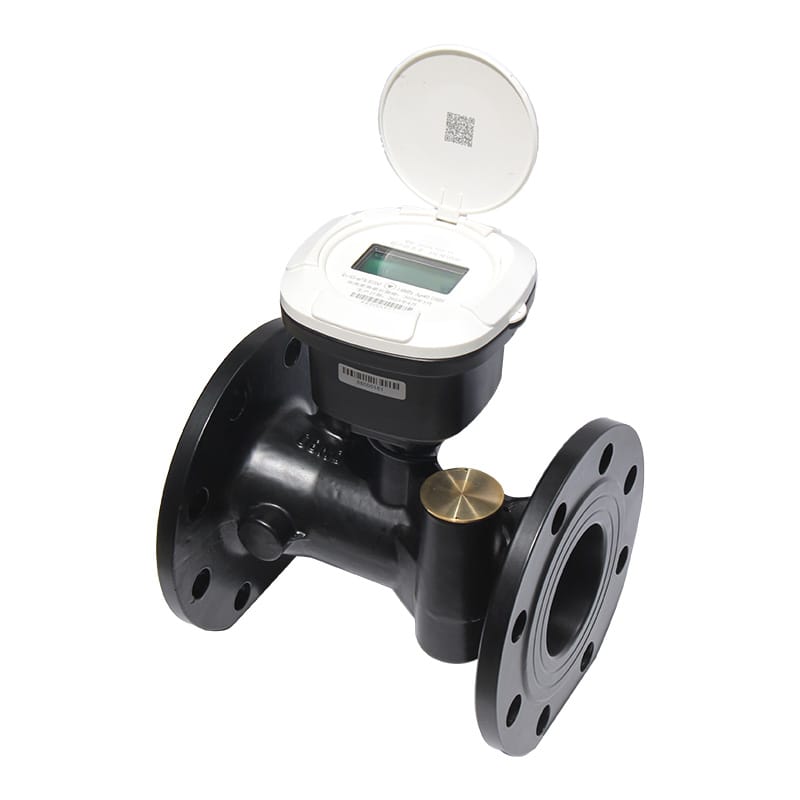
As a manufacturer, we provide direct supply advantages that distributors and resellers often cannot match.
Quality Control and Product Consistency
Direct manufacturing allows strict control over material selection, production process, and final inspection. This ensures consistent quality across every meter.
OEM/ODM Customization and Flexible MOQ
We offer customization options such as tailored communication modules, different pipe sizes, and special material requirements. Minimum order quantities are flexible for bulk and project-based buyers.
After-Sales Support and Spare Parts Availability
Manufacturer-direct supply guarantees faster support and ready availability of spare parts, including sensors, battery modules, and communication devices.
Faster Delivery and Competitive Pricing
Eliminating middlemen reduces cost and lead time, providing better pricing and faster delivery for global buyers.
Table: Comparison of Common Water Meter Technologies
| Meter Type | Key Feature | Best Use Case | Maintenance | Accuracy |
|---|---|---|---|---|
| Ultrasonic Remote Water Meter | No moving parts, remote reading | Smart buildings, industrial | Low | High |
| Mechanical Water Meter | Simple structure, low cost | Basic residential | Medium | Medium |
| Electromagnetic Meter | Requires conductive fluid | Industrial process control | Medium | High |
| Smart Water Meter (Mechanical) | Remote reading added | Utility billing | Medium | Medium |
Conclusion
Ultrasonic remote water meters represent the next generation of water metering technology. With high accuracy, long-term stability, and strong compatibility with AMR/AMI systems, they are ideal for modern water management across residential, commercial, and industrial applications. Choosing a manufacturer-direct meter ensures consistent quality, flexible customization, and reliable after-sales support. If you are planning to upgrade your water metering system, ultrasonic remote meters provide a smart, efficient, and future-proof solution.
FAQ
Q1: What is an ultrasonic remote water meter?
A: An ultrasonic remote water meter measures water flow using ultrasonic signals and transmits data remotely through AMR/AMI networks, eliminating the need for manual readings.
Q2: How does an ultrasonic remote water meter work?
A: It uses transit-time ultrasonic technology, sending sound waves through water and calculating flow based on the time difference between upstream and downstream signals.
Q3: What are the main advantages of ultrasonic remote water meters?
A: They offer high accuracy, no moving parts, low maintenance, long service life, and support remote reading via LoRa, NB-IoT, or RF communication.
Q4: Can ultrasonic remote water meters be used for residential and industrial applications?
A: Yes. They are suitable for both residential communities and industrial plants, as they provide accurate measurement and reliable remote monitoring.
Q5: How often should an ultrasonic remote water meter be calibrated?
A: Calibration frequency depends on usage and water quality, but a regular inspection and calibration every 1–2 years is recommended to ensure accuracy.