Table of Contents
Introduction
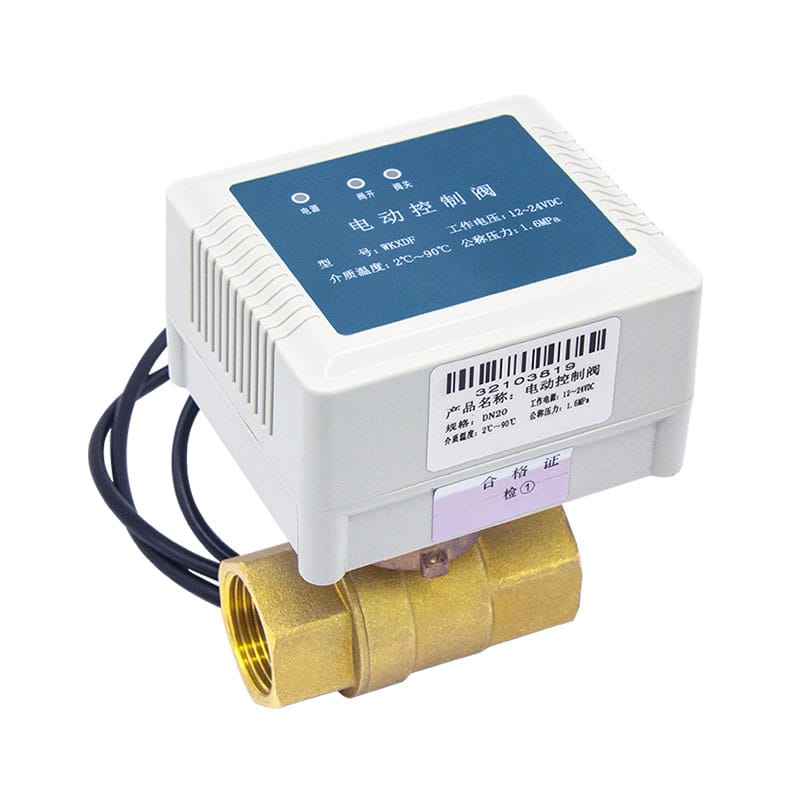
Electrical control valves are essential components in modern industrial automation systems. As a manufacturer of high-quality electrical control valves, we understand the importance of precision, reliability, and efficiency in controlling the flow, pressure, and direction of various fluids. These valves are widely used in industries such as HVAC systems, chemical processing, power generation, and water treatment. By understanding how electrical control valves work, the types available, and their applications, engineers and facility managers can optimize their systems and improve operational efficiency.
Electric control valves are not just simple on/off devices. They are designed to provide precise control over fluid systems, integrating seamlessly with control systems to respond to electrical signals. Whether you are upgrading existing infrastructure or designing new industrial systems, knowing the fundamentals of electrical control valves is critical for choosing the right product.
How Electric Control Valves Work
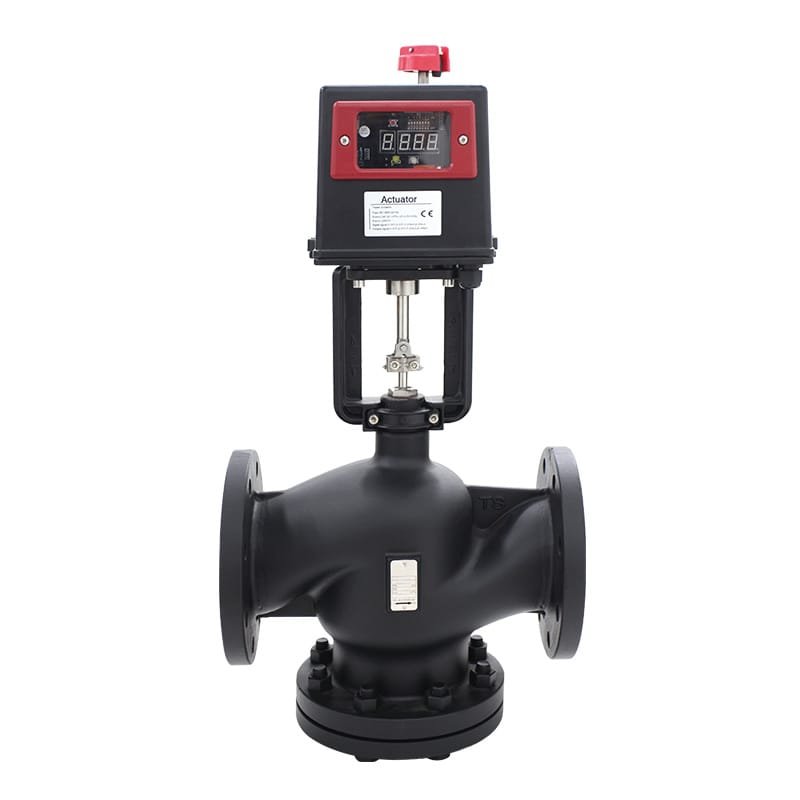
Electrical control valves operate by responding to an electrical signal from a controller or automation system. This signal commands the valve to adjust the flow rate, pressure, or fluid direction within the system. The valves typically consist of a body, a valve trim (including the valve seat and disc), and an actuator that converts electrical signals into mechanical movement.
Basic Working Principle
The actuator receives an electrical input and moves the valve stem or internal mechanism to open, close, or modulate the flow. Common actuator types include electric motors, solenoids, and proportional actuators. These components ensure precise control, which is crucial in processes that require strict regulation of fluid dynamics.
Components of an Electric Control Valve
- Valve Body: The main structure that houses internal parts and connects to the piping system.
- Valve Trim: Includes the disc, seat, and stem that directly control fluid flow.
- Actuator: Converts electrical signals into mechanical motion.
- Control System Interface: Integrates with PLCs or DCS for automated operations.
Together, these components enable electric control valves to perform reliably in demanding industrial environments.
Types of Electrical Control Valves
Understanding the different types of electrical control valves helps in selecting the right solution for your application.
On/Off Electrical Control Valves
These valves provide simple binary control—fully open or fully closed. They are ideal for applications where fluid flow needs to be completely started or stopped.
Modulating Electric Control Valves
Modulating valves allow precise control of flow or pressure within a system. They are commonly used in HVAC systems, chemical processes, and industrial automation where variable control is required.
Proportional vs. Servo-Controlled Valves
Proportional valves adjust flow proportionally to the input signal, while servo-controlled valves offer faster response times and higher accuracy. Choosing between these depends on the speed, accuracy, and application requirements.
Applications of Electrical Control Valves
Electric control valves are versatile and widely applied across industries. Some common applications include:
- Industrial Manufacturing: Controlling chemical processes, steam, and cooling systems.
- HVAC Systems: Regulating temperature, flow, and pressure in heating and cooling systems.
- Power Generation: Managing boiler feedwater, cooling systems, and turbine control.
- Water Treatment: Controlling flow and pressure in filtration and distribution systems.
| Application Area | Typical Valve Type | Key Benefit |
|---|---|---|
| Chemical Industry | Modulating Electric Control Valve | Precise flow regulation |
| HVAC Systems | Proportional Control Valve | Energy efficiency and comfort |
| Power Plants | Servo-Controlled Valve | Fast response and accurate control |
| Water Treatment | On/Off Electric Control Valve | Reliable system start/stop control |
Benefits of Using Electrical Control Valves
Using high-performance electric control valves brings numerous advantages:
- Precise Control: Accurate flow and pressure management for critical processes.
- Reduced Operational Costs: Minimizes waste, energy consumption, and manual intervention.
- Enhanced System Efficiency: Supports automation and remote monitoring.
- Durable and Reliable: Built to withstand demanding industrial environments.
By integrating smart electrical control valves, industries can achieve better control over their processes while reducing maintenance requirements.
How to Select the Right Electrical Control Valve
Selecting the correct electric control valve requires careful consideration of system requirements and application needs.
Consider System Requirements
Evaluate the system’s pressure, flow rate, temperature, and the type of fluid being controlled. This ensures compatibility and prevents premature wear.
Material and Durability
Materials such as stainless steel, carbon steel, and high-quality sealing components are critical for long-term durability, especially in corrosive or high-temperature environments.
Manufacturer and Brand Considerations
Choosing a reputable manufacturer guarantees product reliability and access to technical support. As a manufacturer ourselves, we ensure that our electric control valves meet stringent industrial standards while offering customization options.
Installation and Maintenance Tips
Proper installation and maintenance are essential for maximizing the performance and lifespan of electrical control valves.
Proper Installation Practices
- Install valves in the correct orientation according to the manufacturer’s instructions.
- Ensure proper connection to electrical supply and control systems.
- Avoid excessive torque during installation to prevent damage.
Routine Maintenance Procedures
- Regularly inspect the actuator and valve trim for wear.
- Clean internal components and lubricate moving parts as recommended.
- Verify control signal accuracy and calibrate periodically.
Routine maintenance helps prevent failures and ensures consistent operation over time.
Common Challenges and Troubleshooting
Even high-quality electrical control valves can face challenges such as:
- Slow or delayed response due to actuator issues.
- Leakage from worn seals or improper installation.
- Electrical signal errors or misalignment with control systems.
Troubleshooting involves systematic inspection of the valve, actuator, and control signals to identify and resolve problems promptly.
Future Trends in Electrical Control Valve Technology
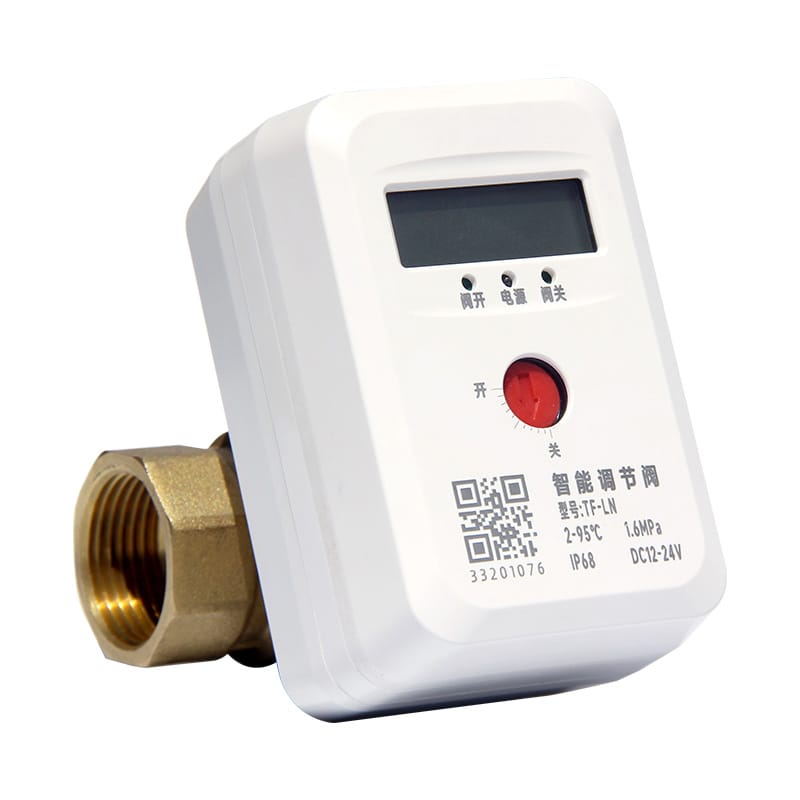
The industry is evolving rapidly, with electrical control valves incorporating advanced technologies:
- Smart Valves: Remote monitoring and predictive maintenance using IoT integration.
- Energy-Efficient Designs: Optimized for lower power consumption and better control.
- Automation-Ready: Fully compatible with modern industrial control systems for enhanced process management.
These trends highlight the ongoing importance of electrical control valves in modern industrial automation.
Conclusion
Electrical control valves are fundamental components for precise fluid control in various industries. By understanding their working principles, types, applications, and maintenance requirements, engineers and facility managers can select the right valves for optimal performance. As a manufacturer of high-quality electrical control valves, we are committed to providing reliable, efficient, and durable solutions that meet industrial standards. Implementing these valves can significantly enhance system efficiency, reduce costs, and support future-ready automation systems.
FAQ
Q1: What is an electrical control valve?
A: An electrical control valve is a type of valve that uses an electrical signal to regulate the flow, pressure, or direction of fluids within a system. These valves are commonly used in industrial automation, HVAC systems, chemical processing, and water treatment.
Q2: How does an electrical control valve work?
A: Electrical control valves operate by receiving signals from a controller or automation system. The actuator converts the electrical signal into mechanical movement, adjusting the valve to modulate flow or pressure. This allows precise and efficient control of fluid systems.
Q3: What are the benefits of using electrical control valves?
A: Electrical control valves provide precise flow control, reduce energy consumption, support automation, and improve system efficiency. High-performance electrical control valves are durable and reliable in demanding industrial environments.
Q4: How do I select the right electric control valve for my system?
A: Selection depends on your system’s requirements: pressure, flow rate, temperature, and the type of fluid. Consider valve materials, actuator type, and manufacturer reliability. Consulting with a trusted electric control valve manufacturer ensures optimal performance.
Q5: How should I maintain and troubleshoot an electric control valve?
A: Routine maintenance includes inspecting the actuator, cleaning internal components, lubricating moving parts, and verifying signal accuracy. Common troubleshooting steps involve checking electrical connections, actuator response, and valve seal integrity. Following these practices helps avoid system failures and extends valve lifespan.