Table of Contents
Introduction
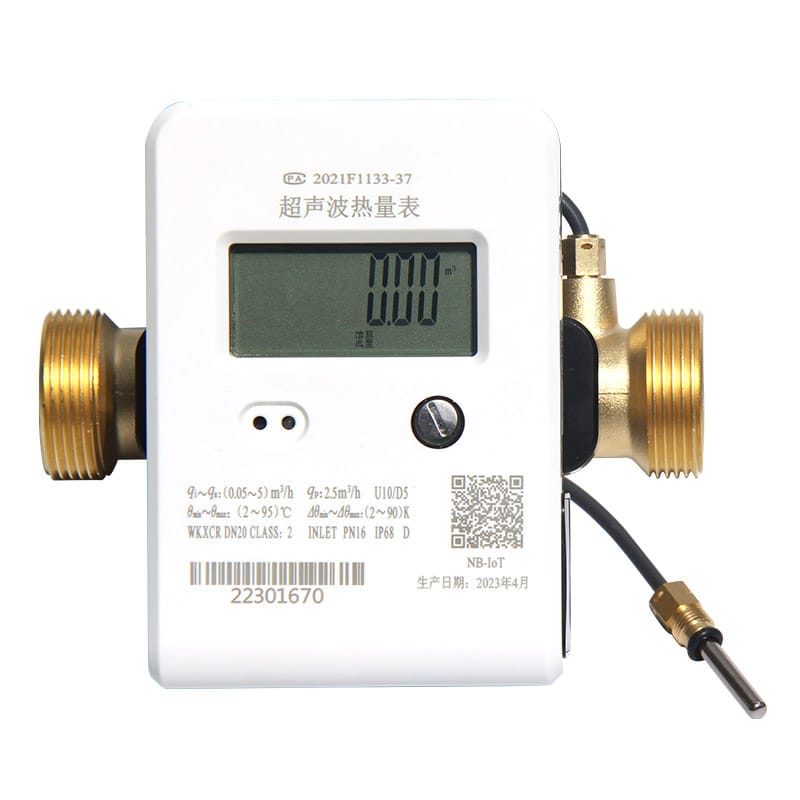
Heating smart meters are revolutionizing the way homes and commercial buildings manage energy consumption. Unlike traditional heat meters, a heating smart meter provides precise measurement of heat usage while enabling real-time monitoring. As a manufacturer of high-quality heating smart meters, we design our products to offer reliability, accuracy, and user-friendly functionality for both residential and commercial applications. By upgrading to a smart heating system, property owners can not only track their energy usage more effectively but also optimize heating efficiency, reduce costs, and integrate seamlessly with modern smart home or building management systems.
Benefits of Installing a Heating Smart Meter
Installing a heating smart meter offers multiple advantages:
- Energy Savings: Real-time data allows users to adjust heating schedules and reduce unnecessary consumption.
- Remote Monitoring: Many smart meters support wireless connectivity, letting homeowners and facility managers track energy usage from anywhere.
- Accurate Heat Measurement: High-precision sensors ensure every kilowatt-hour is accurately recorded, eliminating guesswork and disputes.
- Integration with Smart Systems: Heating smart meters can connect to smart thermostats and home automation systems for seamless control.
- Cost Management: Accurate readings and usage analytics help households and businesses manage energy expenses more effectively.
How a Heating Smart Meter Works
A heating smart meter functions through a combination of sensors, wireless communication modules, and advanced software. The sensors measure the flow of hot water or steam in the heating system, while the internal electronics calculate the heat energy consumed. Data is transmitted wirelessly to a central system, mobile app, or energy management platform, allowing real-time monitoring and historical usage analysis. Users can view daily, weekly, or monthly consumption, helping them identify inefficiencies and optimize their heating strategy.
Types of Heating Smart Meters
Heating smart meters come in different types to suit various needs:
- Wireless Heating Smart Meters: Offer flexible installation and remote data access.
- Wired Heating Smart Meters: Ensure stable data transmission for large commercial buildings.
- Residential vs Commercial Heating Smart Meters: Residential models focus on home efficiency, while commercial versions handle higher volumes and support multiple zones.
Here is a simple comparison table highlighting key differences:
| Meter Type | Connectivity | Ideal Use | Price Range | Key Feature |
|---|---|---|---|---|
| Wireless Heating Smart Meter | Wireless (RF/Zigbee) | Homes, apartments | $120–$250 | Easy remote monitoring |
| Wired Heating Smart Meter | Wired (RS485) | Offices, commercial buildings | $200–$400 | Reliable data transmission |
| Commercial Smart Meter | Wireless/Wired | Large buildings, multi-zone | $350–$600 | Supports multiple zones & analytics |
Installation and Setup Guide
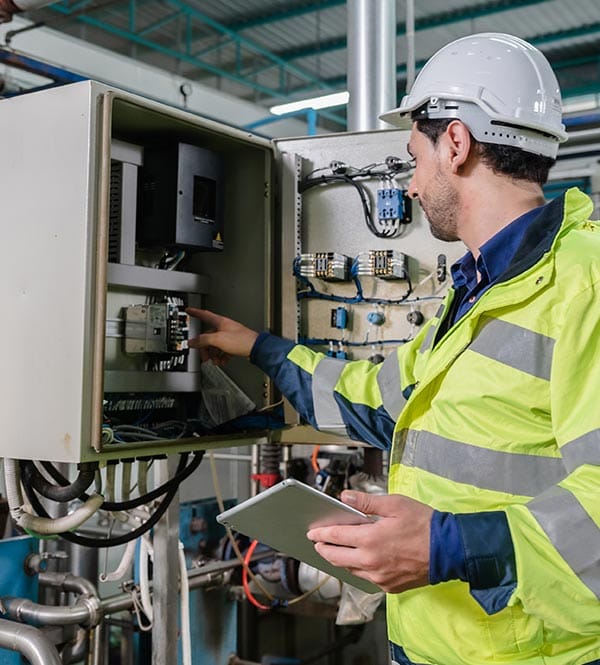
Proper installation ensures the meter functions optimally. As a manufacturer, we provide detailed installation manuals and professional support. Key steps include:
- Site Assessment: Evaluate pipe configuration and system compatibility.
- Installation: Mount the meter, connect sensors, and ensure proper calibration.
- Setup: Configure the meter with compatible apps or energy management software.
- Safety Tips: Avoid direct contact with hot pipes and follow local electrical and plumbing codes.
Even for DIY installations, following manufacturer guidelines is critical to ensure accuracy and prevent damage.
Troubleshooting and Maintenance
Heating smart meters are designed for reliability, but occasional issues may arise:
- Common Issues: Wireless signal interference, low battery warnings, or sensor errors.
- Maintenance Tips: Regular inspection, sensor calibration, and software updates maintain accuracy.
- Manufacturer Support: Contacting the manufacturer or authorized service team ensures quick resolution for complex issues.
How Heating Smart Meters Improve Energy Efficiency
By analyzing consumption patterns, heating smart meters help property owners make informed decisions. For example, data can reveal which rooms or zones consume the most energy, allowing adjustments to schedules or temperature settings. Over time, this reduces energy waste, lowers bills, and contributes to environmental sustainability. Businesses, especially, benefit from predictive energy management and can plan maintenance to avoid system inefficiencies.
Choosing the Right Heating Smart Meter for Your Needs
When selecting a heating smart meter, consider the following:
- Property Type: Residential meters differ from commercial models in capacity and features.
- Required Features: Wireless connectivity, app integration, multi-zone capability.
- Budget: Balance cost with desired features and long-term benefits.
- Trusted Manufacturer: Choosing a reputable manufacturer ensures high quality, accurate readings, and reliable support.
Future Trends in Heating Smart Meter Technology
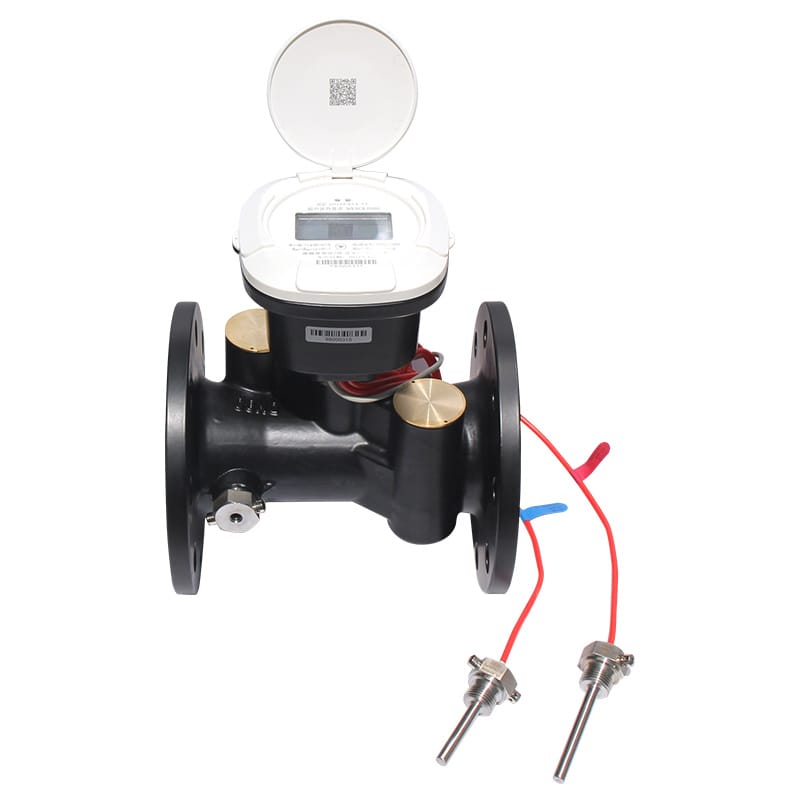
Heating smart meters continue to evolve with technological advancements:
- IoT Integration: Smart meters can connect to building automation systems and energy analytics platforms.
- Predictive Maintenance: Advanced analytics can detect anomalies before they become costly issues.
- Enhanced Sensors: Future meters will offer higher precision and improved durability.
- Sustainability Focus: Integration with renewable energy sources and carbon tracking for greener buildings.
Conclusion
Heating smart meters are transforming energy management for homes and businesses. With accurate readings, real-time monitoring, and advanced features, they help users save energy, reduce costs, and integrate seamlessly with modern smart systems. As a manufacturer, we focus on delivering reliable, high-quality heating smart meters that meet the needs of both residential and commercial clients. Investing in a heating smart meter is not only a step toward efficiency but also a long-term strategy for smarter, more sustainable energy use.
FAQ
Q1: What is a heating smart meter?
A heating smart meter is a device that accurately measures the heat energy consumed in a building. It provides real-time data, allowing homeowners and businesses to monitor usage and manage energy more efficiently.
Q2: How does a heating smart meter save energy?
By providing precise consumption data, a heating smart meter helps users identify energy waste, adjust heating schedules, and optimize system performance, reducing energy bills over time.
Q3: Can a heating smart meter be installed in any building?
Yes, heating smart meters are suitable for both residential and commercial buildings. Choosing the right model depends on property size, system type, and required features.
Q4: What types of heating smart meters are available?
There are mainly wireless and wired heating smart meters. Wireless models allow remote monitoring via apps, while wired meters provide stable data transmission, often used in commercial buildings.
Q5: Do I need professional installation for a heating smart meter?
Professional installation is recommended to ensure accurate readings and proper calibration. However, some residential models support DIY installation following the manufacturer’s guidelines.