Table of Contents
Introduction
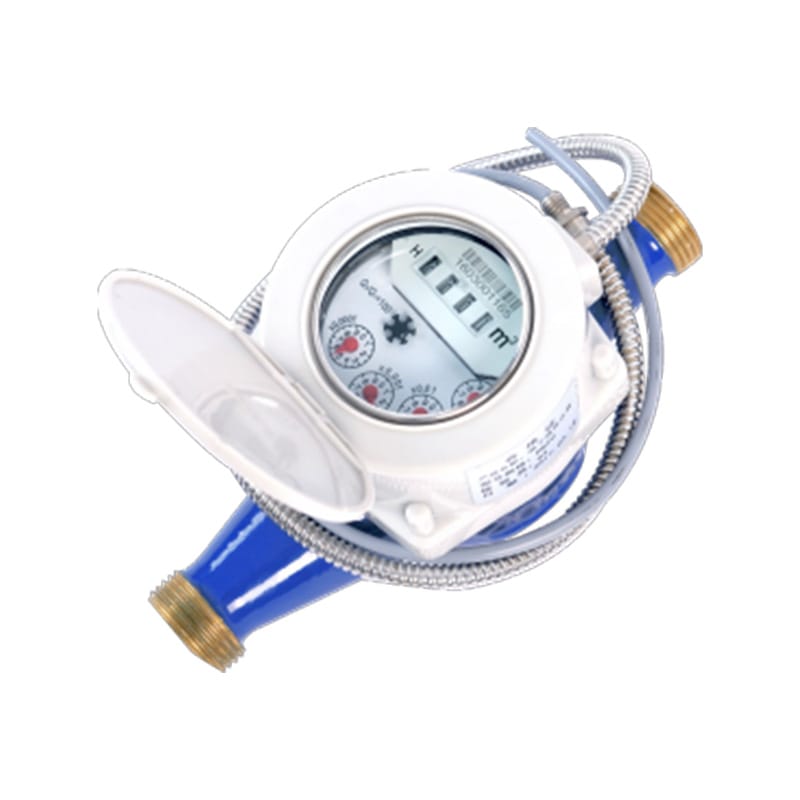
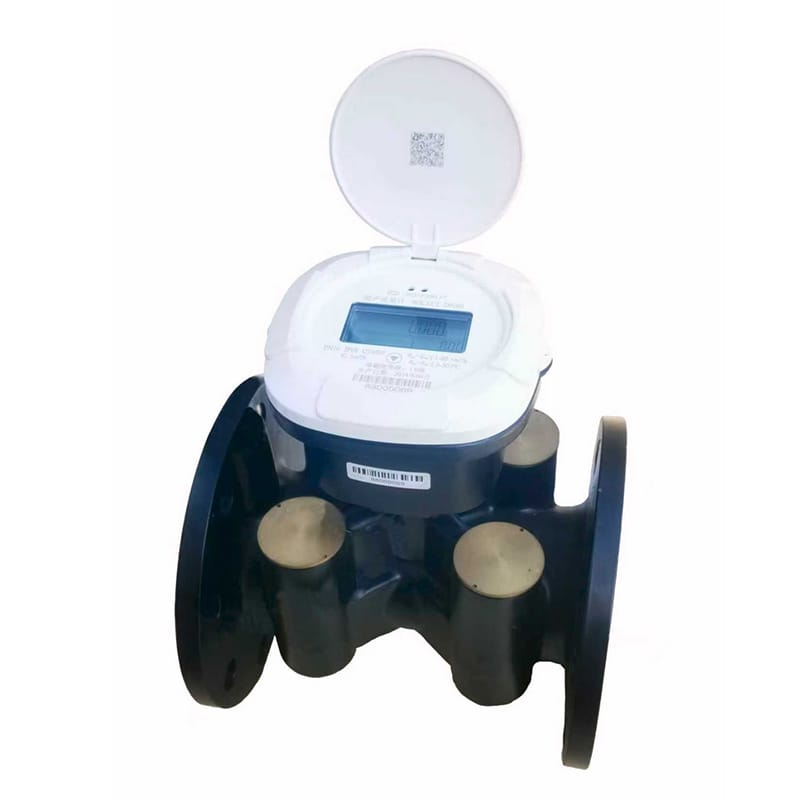
A remote monitoring water meter is a smart device designed to measure water usage accurately while transmitting real-time data to centralized management systems. Unlike traditional meters that require manual readings, these meters utilize IoT technology and wireless communication, allowing facility managers, municipalities, and industrial users to track consumption efficiently.
The importance of remote monitoring is growing as urban areas expand and industries seek to optimize water usage. By adopting smart water meters, organizations can detect leaks quickly, reduce waste, and ensure compliance with environmental regulations. These devices are essential components in modern water management solutions and smart city infrastructure.
Smart water meters come with features such as remote reading, automated alerts for abnormal consumption, integration with SCADA systems, and detailed reporting for analytics. This combination of accuracy, convenience, and intelligence makes them indispensable for both residential and industrial applications.
Benefits of Using Remote Monitoring Water Meters
Implementing remote monitoring water meters brings numerous advantages:
- Real-Time Data and Accurate Measurement: Remote meters provide continuous monitoring, allowing instant insights into water usage patterns.
- Cost Savings: Reducing manual meter reading and maintenance labor can significantly lower operational expenses.
- Leak Detection and Water Loss Prevention: Advanced meters identify anomalies early, preventing potential damage and conserving resources.
- Sustainable Water Management: Accurate tracking supports efficient water usage, aligning with environmental sustainability goals.
These benefits make remote monitoring meters not only a technological upgrade but also a strategic investment for any organization managing water resources.
How Remote Monitoring Water Meters Work
Remote monitoring water meters rely on wireless communication technologies such as LoRaWAN, NB-IoT, and cellular networks to transmit data. The meter measures water flow through ultrasonic, electromagnetic, or mechanical sensors, converts the data into digital signals, and sends it to a centralized platform.
Once data is transmitted, it can be visualized in dashboards for analytics, integrated into SCADA systems, or used for billing purposes. This automation improves accuracy, reduces human error, and provides actionable insights for decision-making.
Integration with IoT platforms allows for advanced features like predictive maintenance, water usage forecasting, and automated alerts, creating a fully connected water management ecosystem.
Types of Remote Monitoring Water Meters
There are several types of remote monitoring meters suitable for different applications:
- Ultrasonic Remote Monitoring Water Meters: Measure flow using sound waves; ideal for industrial and commercial settings due to high accuracy.
- Electromagnetic Water Meters: Use magnetic fields to measure conductive fluids; widely used in municipal water systems.
- Residential Smart Water Meters: Compact meters designed for homes, offering easy integration with smart home systems.
| Meter Type | Best Use Case | Key Feature | Typical Accuracy |
|---|---|---|---|
| Ultrasonic | Industrial | Non-contact measurement | ±0.5% |
| Electromagnetic | Municipal | High durability | ±1% |
| Residential Smart | Homes | Wireless remote reading | ±2% |
Choosing the Right Remote Monitoring Water Meter
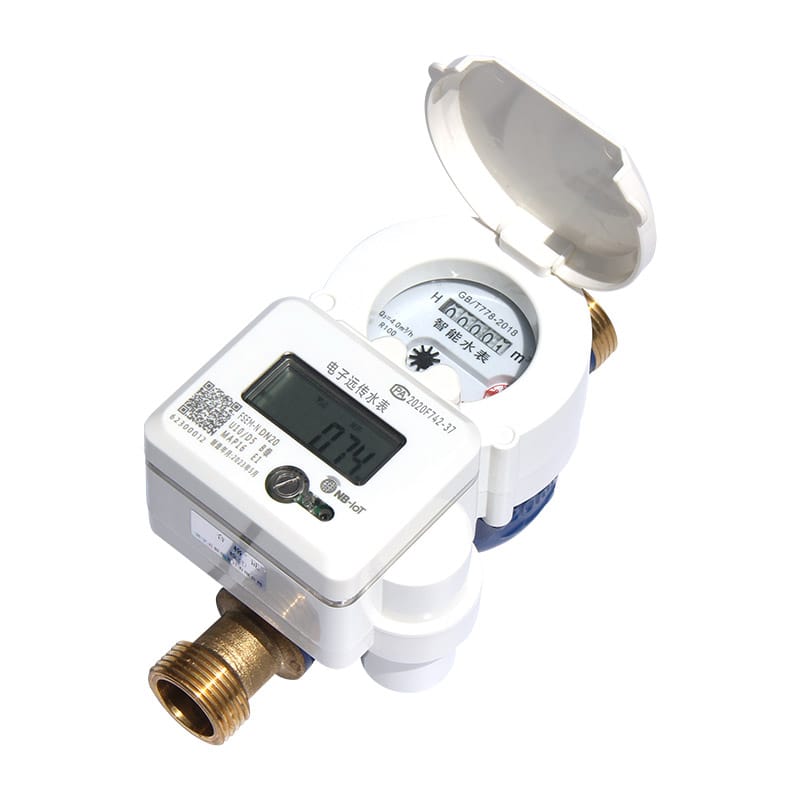
When selecting a remote water meter, consider:
- Accuracy and Reliability: Ensure the meter provides precise readings under various conditions.
- Connectivity Options: Choose meters compatible with your network infrastructure (Wi-Fi, LoRaWAN, NB-IoT).
- Durability and Environmental Resistance: Industrial and municipal meters should withstand temperature fluctuations and exposure to chemicals.
- Application Requirements: For smart cities, integration with analytics platforms and SCADA is critical.
Comparing different brands and models ensures you select a meter suited to your specific commercial or residential application.
Installation and Maintenance Tips
Proper installation is essential for optimal performance:
- Follow manufacturer guidelines for positioning, orientation, and pipe connections.
- Ensure reliable wireless connectivity to prevent data loss.
- Schedule regular maintenance, including cleaning, battery replacement, and software updates.
A well-maintained remote monitoring water meter extends its lifespan, improves accuracy, and maximizes ROI.
Common Challenges and Solutions
Even with advanced technology, some issues may arise:
- Data Transmission Issues: Ensure strong signal coverage and proper network configuration.
- Battery Life Concerns: Use meters with low-power technology and monitor battery levels.
- Environmental Factors: Protect meters from extreme temperatures, vibrations, or chemical exposure.
Proactive monitoring and choosing meters designed for your environment reduce potential problems.
Future Trends in Remote Monitoring Water Meter Technology
The future of remote monitoring water meters is tightly linked with IoT and smart city development:
- AI-Driven Analytics: Predictive algorithms can detect leaks and optimize water usage.
- Advanced Wireless Metering: Emerging technologies improve connectivity and reduce power consumption.
- Integration with Smart City Infrastructure: Remote meters will work seamlessly with other utilities, providing holistic resource management.
Staying ahead of these trends ensures organizations maintain efficiency and leverage cutting-edge technology.
Applications Across Industries
Remote monitoring water meters serve multiple sectors:
- Residential: Automated billing, leak alerts, and water usage reports for homeowners.
- Industrial and Commercial: Process optimization, wastewater management, and regulatory compliance.
- Municipal and Smart City Projects: Large-scale water management, reducing loss and supporting sustainable resource planning.
Their versatility makes them a key tool for water conservation and operational efficiency.
Why Choose Our Remote Monitoring Water Meters
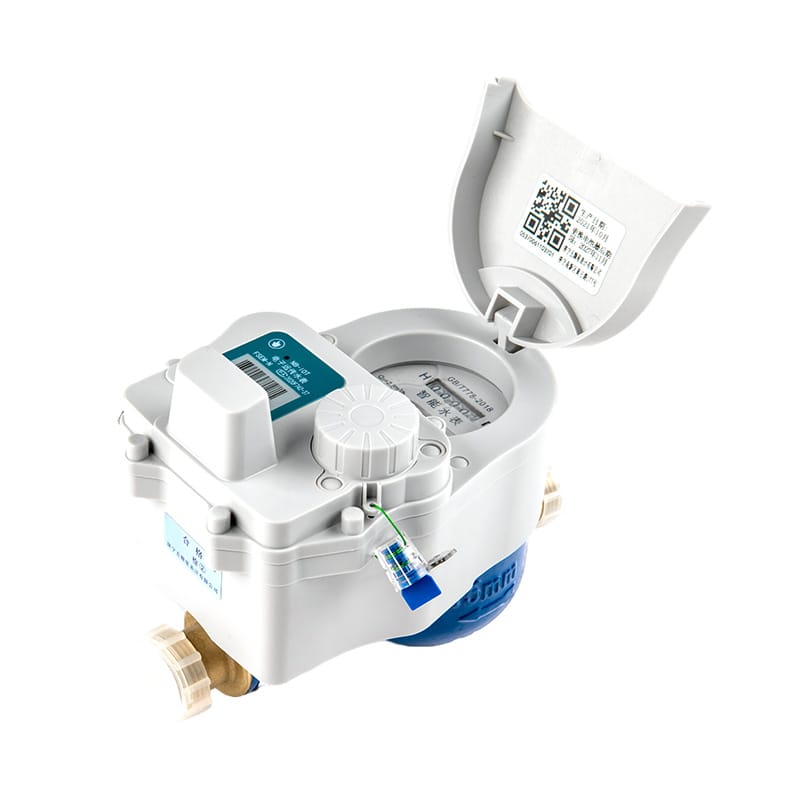
As a manufacturer of remote monitoring water meters, we provide:
- Direct Access to High-Quality Products: No middlemen, ensuring cost-effective solutions.
- Customizable Solutions: Meters tailored to industrial, commercial, and municipal needs.
- Reliable Performance: High accuracy, long battery life, and robust wireless connectivity.
- Comprehensive Support: Installation guidance, maintenance tips, and technical support.
Partnering with the manufacturer ensures you receive a product optimized for your requirements and backed by expert support.
Conclusion
Remote monitoring water meters are transforming the way water resources are managed. From real-time monitoring and cost savings to leak detection and sustainable water usage, these smart devices are essential for modern water management systems.
By choosing the right meter and working directly with a manufacturer, organizations can improve efficiency, reduce operational costs, and prepare for a smart, connected future. Explore our remote monitoring water meter solutions today to optimize your water management strategy and embrace the benefits of advanced technology.
FAQ
Q1: What is a remote monitoring water meter?
A remote monitoring water meter is a smart device that measures water usage and transmits data wirelessly for real-time tracking, enabling efficient water management and leak detection.
Q2: How does a remote monitoring water meter work?
It uses sensors such as ultrasonic or electromagnetic to measure water flow, converts the data into digital signals, and sends it to a centralized system via IoT or wireless networks.
Q3: What are the benefits of using a remote monitoring water meter?
Benefits include accurate real-time readings, cost savings on manual meter reading, early leak detection, and support for sustainable water management.
Q4: Where are remote monitoring water meters commonly used?
They are widely used in residential, commercial, industrial, and municipal applications, including smart city water management projects.
Q5: How do I choose the right remote monitoring water meter?
Consider factors such as accuracy, connectivity options, durability, and compatibility with your water management system. Consulting a manufacturer can ensure a suitable and reliable solution.