Table of Contents
What Is Smart Meter Heating?
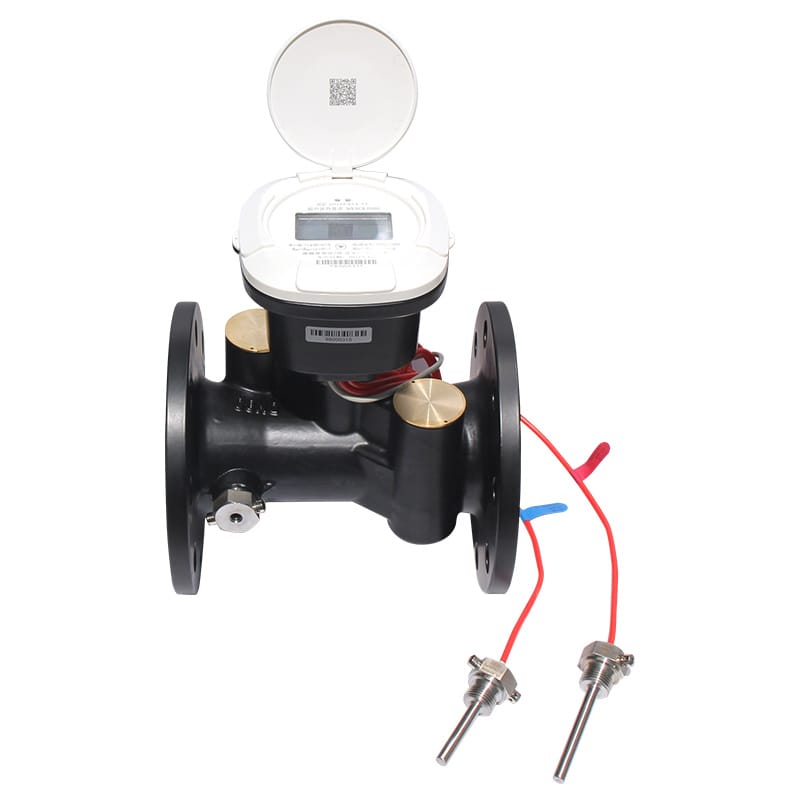
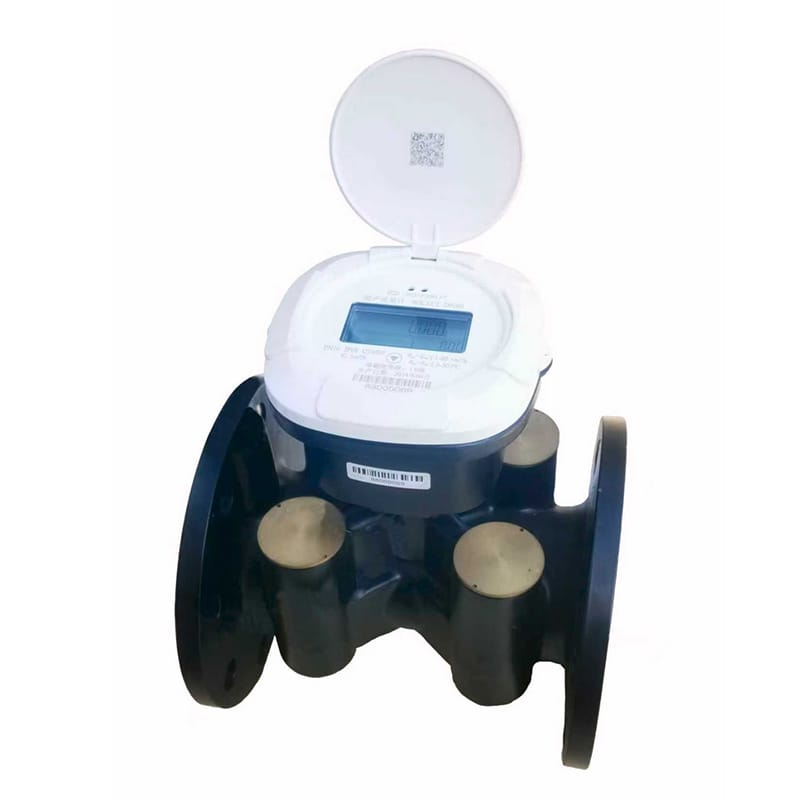
Smart meter heating is an advanced heating system designed to provide efficient energy management and precise temperature control in modern homes. Unlike traditional heating systems, smart meter heating integrates smart meters, connected devices, and intelligent controls to monitor and optimize energy usage.
A typical smart meter heating system consists of the following components:
- Smart meter for tracking electricity consumption
- Smart thermostat or intelligent heating controller
- Connected radiators or underfloor heating systems
- Mobile or web applications for remote management
These systems not only allow homeowners to see real-time energy usage but also make adjustments automatically to maximize comfort and reduce costs.
How Smart Meter Heating Works
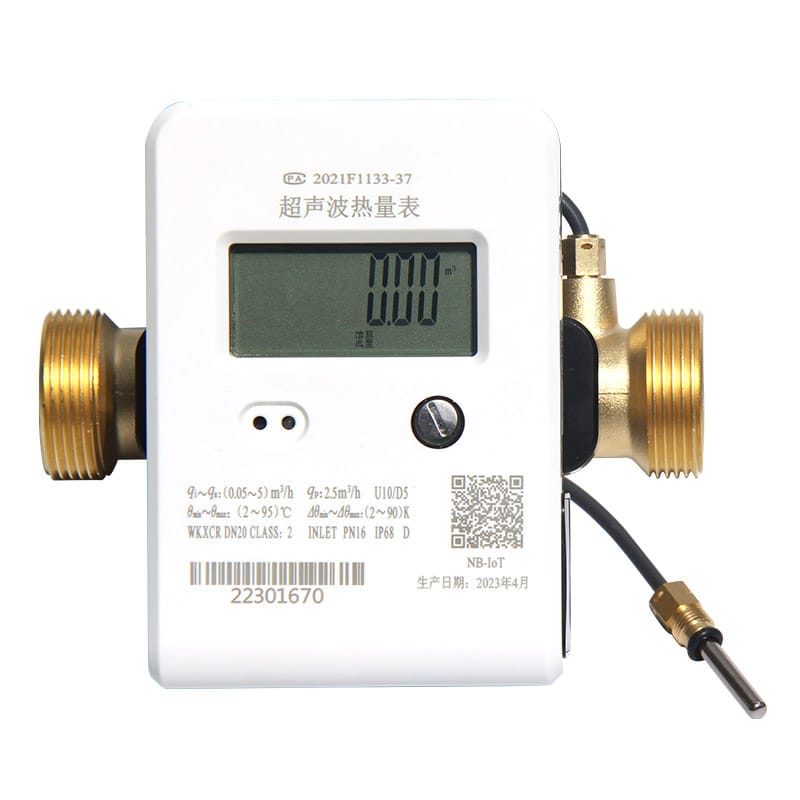
Smart meter heating works by connecting your home’s heating infrastructure to a digital monitoring system. The smart meter collects data on energy consumption, while the smart thermostat adjusts the temperature based on usage patterns and pre-set preferences.
Key functionalities include:
- Real-time energy tracking
- Remote control via mobile apps
- Integration with intelligent heating systems for automation
- Alerts and notifications for unusual energy consumption
By leveraging connected heating solutions, homeowners can automate schedules, detect inefficiencies, and achieve energy savings without sacrificing comfort.
Top Benefits of Smart Meter Heating
Smart meter heating offers numerous advantages for homeowners:
- Energy Efficiency – Accurate monitoring and automated adjustments reduce unnecessary energy consumption.
- Cost Savings – Optimized heating schedules lead to lower utility bills.
- Comfort – Smart thermostats maintain consistent temperatures throughout the home.
- Environmental Impact – Reduced energy use lowers the household carbon footprint.
- Convenience – Remote access and automation simplify heating management.
Smart Meter Heating vs Traditional Heating Systems
| Feature | Smart Meter Heating | Traditional Heating |
|---|---|---|
| Energy Monitoring | Real-time usage tracking | No monitoring, manual adjustments |
| Automation | Automated temperature adjustments | Manual control |
| Cost Efficiency | Lower bills with optimized usage | Higher energy bills |
| Maintenance | Predictive alerts and easy upgrades | Reactive maintenance |
| Integration | Works with smart thermostats and connected systems | Limited or no integration |
Compared to traditional heating, smart meter systems provide better control, improved efficiency, and long-term savings.
Installation Tips for Smart Meter Heating Systems
Installing a smart meter heating system requires careful planning. Consider the following:
- Choose a system that fits your home’s size and heating requirements.
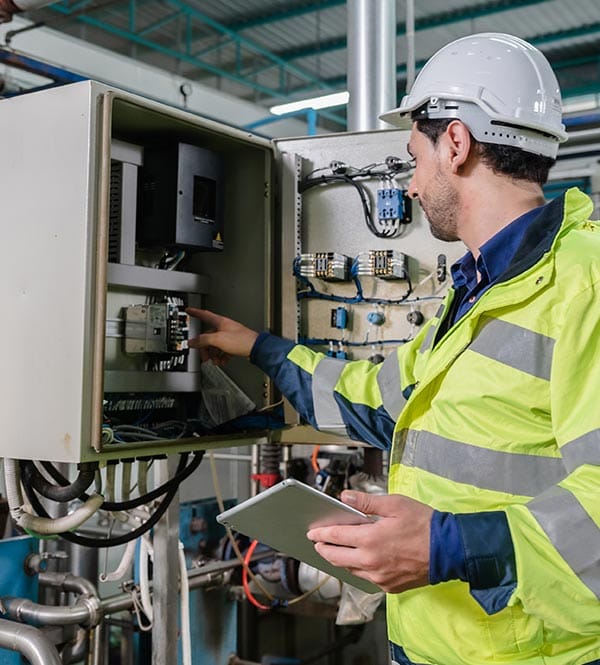
- Professional installation is recommended to ensure all components are correctly connected.
- Avoid common mistakes such as improper placement of thermostats or incompatible devices.
- Ensure your Wi-Fi or home network can support connected heating solutions.
Energy-Saving Strategies with Smart Meter Heating
To maximize savings and efficiency, homeowners can:
- Set schedules based on occupancy patterns using a smart thermostat.
- Reduce heating in unused rooms or during daytime absences.
- Adjust settings seasonally for optimal energy usage.
- Monitor usage reports and make incremental adjustments.
These strategies help homeowners save on energy bills while maintaining a comfortable living environment.
Troubleshooting and Maintenance Tips
Like any system, smart meter heating requires occasional maintenance:
- Check connectivity between the smart meter, thermostat, and heating units.
- Inspect and clean components annually to prevent inefficiency.
- Update software and apps regularly to ensure optimal performance.
- Replace or upgrade parts as needed to extend system lifespan.
Proactive maintenance ensures the system continues to operate efficiently and reliably.
Smart Meter Heating for Different Home Types
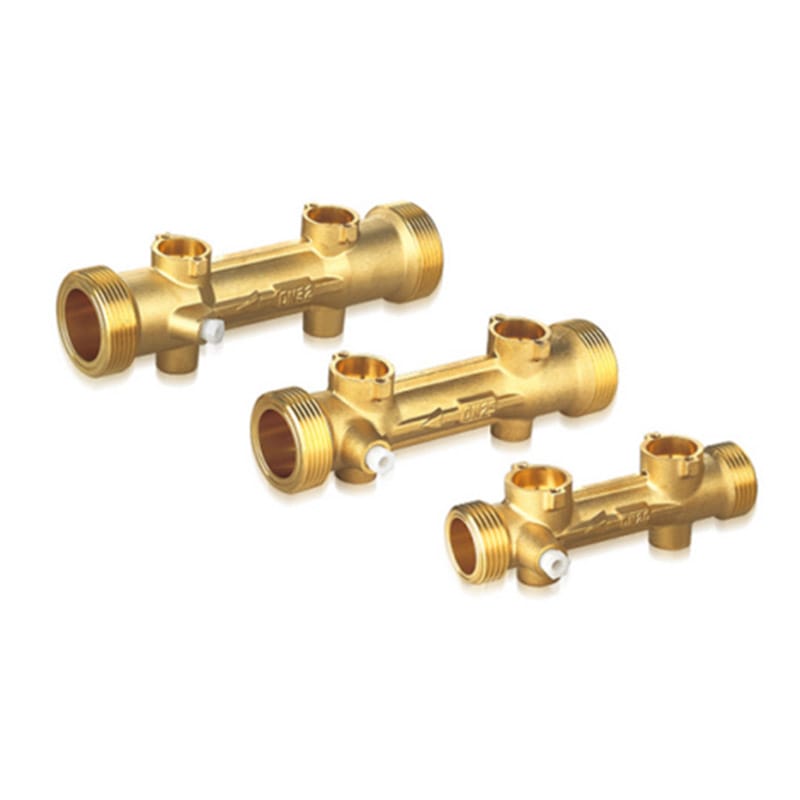
Smart meter heating is versatile and suitable for various home configurations:
- Apartments and Multi-Unit Buildings: Centralized smart heating can optimize energy use across multiple units.
- Single-Family Homes: Individual control allows customization for each room.
- Renewable Integration: Systems can work alongside solar panels or heat pumps to further reduce energy consumption.
By adapting to the specific needs of each home type, smart meter heating delivers consistent benefits across all setups.
Conclusion
Smart meter heating represents the next generation of home heating systems. By combining energy efficiency, comfort, cost savings, and connected solutions, it outperforms traditional systems and meets the needs of modern homeowners.
As a manufacturer of smart meter heating systems, we provide reliable, high-quality products designed for optimal performance and long-term durability. Whether you are upgrading your home heating or installing a system for the first time, investing in smart meter heating is a smart choice for comfort, savings, and sustainability.
Explore our range of smart meter heating products today and experience the difference a connected, intelligent heating system can make in your home.
FAQ
1. What is smart meter heating?
Smart meter heating is an advanced home heating system that uses smart meters, intelligent thermostats, and connected devices to monitor and optimize energy use efficiently.
2. How does smart meter heating save energy?
By tracking real-time energy usage and adjusting temperatures automatically, smart meter heating reduces unnecessary energy consumption and lowers utility bills.
3. Can smart meter heating be installed in any home?
Yes, smart meter heating systems are suitable for single-family homes, apartments, and multi-unit buildings, and they can integrate with existing heating infrastructure.
4. What are the main benefits of smart meter heating?
The main benefits include energy efficiency, cost savings, improved home comfort, environmental sustainability, and convenient remote control via apps.
5. How is smart meter heating different from traditional heating systems?
Unlike traditional heating, smart meter heating uses connected devices and automation to optimize energy usage, provide detailed monitoring, and reduce maintenance costs over time.