Table of Contents
What is a Remote Water Flow Meter?
Definition and Overview
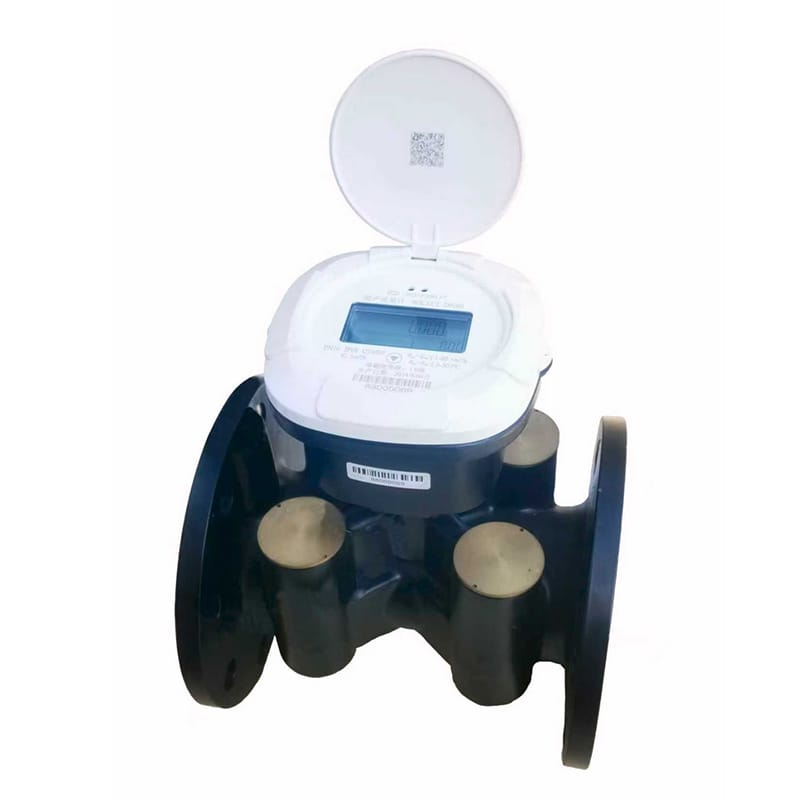
A remote water flow meter is an intelligent measurement device that combines traditional flow sensing technology with wireless communication capabilities. It monitors water flow in real-time and automatically transmits data to a central monitoring system or cloud platform without manual intervention. This technology has become essential for modern water management, enabling facilities to track consumption patterns, detect leaks early, and optimize water usage across industrial, municipal, and agricultural applications.
How Remote Water Flow Meters Work
The operation of a remote water flow meter involves three key components working in unison:
- Flow Sensor: The meter uses advanced sensing technology—such as ultrasonic, electromagnetic, or turbine mechanisms—to measure the velocity and volume of water passing through the pipe. These sensors convert physical flow into electrical signals with high precision, typically achieving accuracy within ±0.5% for industrial-grade meters.
- Data Acquisition Unit: An integrated microcontroller processes the sensor signals, calculates flow rates, and accumulates total volume data. This unit stores readings and prepares them for transmission, often including timestamp information for trend analysis.
- Wireless Transmission Module: The processed data is sent via wireless communication protocols like NB-IoT, LoRa, or cellular networks to remote servers or monitoring platforms. This enables real-time access to water usage data from anywhere with internet connectivity, eliminating the need for manual meter reading visits.
Types of Remote Water Flow Meters
Several technologies power remote water flow meters, each suited to specific applications:
- Smart Water Meters: These digital meters feature electronic sensors and communication modules, providing high accuracy and additional functions like leak detection and abnormal usage alerts. They’re ideal for residential and commercial applications where precise billing and consumption monitoring are priorities.
- Ultrasonic Flow Meters: Using sound wave technology, ultrasonic meters measure flow velocity without contacting the fluid. Clamp-on versions can be installed externally on existing pipes, making them perfect for retrofitting in facilities where process shutdown is not feasible. They excel in measuring clean liquids and offer no pressure drop or moving parts.
- Electromagnetic Flow Meters: Operating on Faraday’s Law of electromagnetic induction, magmeters measure conductive fluids with exceptional accuracy. They contain no moving parts, require minimal maintenance, and handle conductive liquids like wastewater, industrial process water, and tap water with conductivity above 5μS/cm. Their full-bore design eliminates pressure loss, making them ideal for large-diameter pipelines.
- Turbine Flow Meters: These mechanical meters use a rotor that spins proportionally to flow velocity, offering excellent accuracy for clean, low-viscosity fluids. While cost-effective, they require periodic maintenance and are best suited for applications with minimal contaminants.
Advantages of Remote Water Flow Monitoring
Real-Time Data Tracking
Remote water flow meters deliver continuous, instantaneous visibility into water consumption patterns. Facility managers can monitor usage fluctuations throughout the day, identify peak demand periods, and detect anomalies immediately. This real-time access enables proactive decision-making rather than reactive responses to water-related issues. For industrial facilities, this means optimizing production schedules around water availability and minimizing waste during non-peak hours.
Improved Accuracy and Reliability
Manual meter reading is prone to human error, estimation mistakes, and inconsistent timing between readings. Remote water flow meters eliminate these issues by automatically capturing precise measurements at regular intervals. Industrial-grade meters typically maintain accuracy within ±0.5% even under varying flow conditions. The consistent data collection prevents billing disputes and provides reliable information for resource allocation decisions.
Reduced Maintenance Costs
Traditional flow monitoring requires regular site visits for manual readings, equipment inspection, and troubleshooting. Remote systems dramatically reduce these operational expenses by:
- Eliminating routine meter reading visits (saving up to 90% of labor costs)
- Enabling predictive maintenance through continuous performance monitoring
- Providing remote diagnostics that identify issues before they cause system failures
- Extending equipment life by detecting harmful conditions like cavitation or air entrainment early
Applications of Remote Water Flow Meters in Industry
Industrial Facilities
Manufacturing plants, refineries, and processing facilities rely on precise water measurement for process control, cooling system optimization, and cost accounting. Remote water flow meters enable these facilities to:
| Industrial Application | Key Benefits |
|---|---|
| Cooling System Monitoring | Optimize heat exchange efficiency, detect scale buildup early |
| Production Line Water Usage | Track consumption per unit produced, identify efficiency improvements |
| Boiler Feedwater Measurement | Ensure precise chemical dosing, prevent corrosion |
| Wastewater Management | Monitor discharge volumes, ensure regulatory compliance |
Municipal Water Supply
Water utilities deploy remote flow meters throughout distribution networks to balance supply with demand and minimize non-revenue water losses. These systems enable utilities to:
- Detect leaks rapidly by monitoring unusual flow patterns
- Implement pressure management to reduce pipe bursts
- Optimize pumping schedules based on real-time demand
- Provide customers with consumption data for conservation programs
Case studies show that municipalities implementing smart metering can reduce water loss from 20-25% to 12-15%, saving millions of gallons annually.
Irrigation and Agriculture
Farmers and irrigation districts use remote flow monitoring to optimize water delivery, comply with water rights allocations, and prevent over-watering. Benefits include:
- Precision irrigation based on real-time field conditions
- Reduced pumping energy costs through better scheduling
- Automated compliance reporting for water management agencies
- Early detection of irrigation system failures or pipe breaks
How to Choose the Right Remote Water Flow Meter
Accuracy and Measurement Range
Selecting the appropriate meter begins with understanding your flow requirements:
- Determine Flow Range: Calculate your minimum and maximum expected flow rates, including seasonal variations and production cycle changes. A meter with insufficient range will fail to measure low flows accurately or may be damaged by sustained high flows.
- Match Accuracy to Application: Trade settlement applications require high precision (±0.5% or better), while general monitoring may tolerate ±1-2%. Over-specifying accuracy increases costs unnecessarily.
- Consider Turndown Ratio: This ratio of maximum to minimum measurable flow typically ranges from 10:1 for mechanical meters to 100:1 for electromagnetic meters. Choose a wider turndown for applications with significant flow variations.
Wireless Communication Options
The communication protocol determines how reliably data reaches your monitoring system:
| Technology | Best For | Range | Power Requirements |
|---|---|---|---|
| NB-IoT | Urban areas, dense deployments | Operator coverage | Ultra-low power, 6-10 year battery life |
| LoRa | Rural areas, private networks | 2-15km | Very low power, flexible deployment |
| Cellular 4G/5G | High-bandwidth applications, real-time control | Global coverage | Higher power consumption |
| Wi-Fi | Facility-wide monitoring | Building scale | Requires power source |
Evaluate signal strength at installation sites, considering potential obstructions like concrete walls, metal structures, and underground locations that can attenuate wireless signals.
Durability and Material Considerations
Industrial environments demand robust construction:
- Corrosion Resistance: For harsh chemicals or seawater, select meters with PTFE liners and Hastelloy or titanium electrodes.
- Abrasion Resistance: Applications with suspended solids require wear-resistant materials like ceramic linings.
- Temperature and Pressure Ratings: Ensure meters can withstand operating conditions. Industrial meters typically handle -40°C to 180°C and pressures up to PN16 (232 psi) or higher.
- Ingress Protection: For outdoor or washdown environments, IP65 or IP68 ratings provide necessary dust and water protection.
Installation and Setup Guide for Remote Water Flow Meters
Pre-installation Checks
Proper preparation prevents installation problems:
- Verify Pipe Conditions: Confirm pipe diameter, material, and wall thickness. Check for adequate straight pipe runs—typically 10 pipe diameters upstream and 5 downstream—to ensure accurate flow profiles.
- Assess Water Quality: Test conductivity (for electromagnetic meters), temperature, pressure, and potential contaminants like solids or air bubbles that could affect measurement accuracy.
- Evaluate Environmental Factors: Consider ambient temperature ranges, humidity, potential exposure to chemicals, and vibration from nearby equipment. These factors influence meter selection and protection requirements.
Step-by-step Installation Process
Follow these general guidelines for reliable installation:
- Select Installation Site: Choose accessible locations with proper pipe support to prevent strain on the meter body. Ensure sufficient working space for maintenance access.
- Prepare Pipe: Clean pipe interiors to remove scale, debris, or coatings that could interfere with sensor operation. For magnetic meters, verify pipe material isn’t magnetic.
- Install Meter: Follow manufacturer’s orientation recommendations. Most meters support horizontal or vertical installation, but flow direction markings must align with actual flow direction. Use appropriate gaskets and torque specifications for connections.
- Wire Connections: Connect power and signal cables according to wiring diagrams. Use shielded cables for signal wires and maintain proper separation from power cables to avoid electromagnetic interference.
- Seal and Protect: Apply thread sealant appropriately, but avoid blocking pressure ports. Install protective covers for outdoor installations to prevent weather damage.
Calibration and Testing
After installation, verify performance:
- Zero Calibration: Confirm meter reads zero when no flow is present. Some meters require zero adjustment, especially after long vertical runs.
- Flow Verification: Compare meter readings against a reference standard at multiple flow points to verify accuracy across the measurement range.
- Communication Testing: Verify wireless signal strength and data transmission to the monitoring platform. Check for packet loss or connection failures.
- Functional Testing: Confirm alarm thresholds, output signals, and data logging operate as specified.
Common Challenges and How to Overcome Them
Signal Interference Issues
Wireless communication faces several interference challenges:
- Obstructions: Concrete walls, metal structures, and underground locations can block signals. Solutions include installing signal repeaters, using higher-gain antennas, or selecting alternative communication technologies like LoRa for its superior penetration.
- Electromagnetic Interference: Nearby motors, variable frequency drives, and power lines can disrupt wireless signals. Maintain adequate separation between communication antennas and interference sources, use shielded cabling, and implement frequency hopping spread spectrum technologies where available.
- Network Congestion: In dense deployments, too many devices competing for bandwidth can cause transmission failures. Implement staggered reporting schedules and data compression to reduce network load.
Data Accuracy Problems
Several factors can degrade measurement accuracy:
- Flow Profile Disturbances: Elbows, valves, and pipe fittings upstream of the meter create turbulent flow conditions. Ensure adequate straight pipe runs and consider flow conditioners when space is limited.
- Air Entrapment: Bubbles in the liquid cause erratic readings, especially in ultrasonic meters. Install air eliminators upstream and maintain proper pipe orientation to allow air to escape.
- Deposits and Scaling: Mineral buildup on sensor surfaces affects accuracy, particularly for contact-based meters. Implement regular cleaning schedules or select meters with self-cleaning features like scraping electrodes for difficult applications.
Maintenance Tips for Longevity
Maximize meter life with proactive maintenance:
- Regular Inspections: Periodically check for physical damage, corrosion, or leaks around connections. Verify all mounting hardware remains secure.
- Battery Monitoring: For battery-powered meters, track voltage levels and schedule replacements before failure occurs. Many meters provide early warning notifications when battery life is limited.
- Firmware Updates: Keep meter software current to benefit from improved algorithms, bug fixes, and new features. Most modern meters support over-the-air updates.
- Data Validation: Continuously monitor measurement trends for sudden changes that may indicate sensor degradation or drift rather than actual flow variations.
Cost Considerations and ROI of Remote Water Flow Meters
Initial Investment vs Long-term Savings
While remote water flow meters require higher upfront costs compared to basic mechanical meters, the total cost of ownership often proves lower over time:
Initial Costs Include:
- Meter purchase price ($500-$5,000 depending on size and technology)
- Installation labor and materials ($200-$1,000)
- Communication infrastructure (gateways, antennas, etc.)
- Integration with existing systems
Long-term Savings Include:
- Eliminated manual meter reading costs ($50-200 per meter annually)
- Reduced water waste through leak detection (5-15% reduction in consumption typical)
- Lower maintenance expenses through predictive scheduling
- Extended equipment life from improved process control
Most industrial facilities achieve payback within 12-24 months through combined water conservation and operational efficiency gains.
Reducing Operational Costs
Remote water monitoring contributes to bottom-line savings in multiple ways:
- Labor Efficiency: Eliminating routine meter reading visits frees staff for higher-value activities. Water utilities report reducing field crews by 30-50% after implementing smart metering.
- Energy Optimization: By precisely monitoring cooling water flow rates, facilities can adjust pumping power to match actual demand, reducing electricity consumption by 10-20% in many cases.
- Preventive Maintenance: Early detection of developing problems like pump degradation or pipe scaling allows corrective action before catastrophic failures occur, avoiding unplanned downtime costs.
Environmental and Compliance Benefits
Beyond financial returns, remote water flow monitoring supports sustainability goals:
- Water Conservation: Precise measurement identifies waste sources and verifies conservation measures. Industrial users typically reduce water consumption by 15-30% after implementing comprehensive monitoring programs.
- Regulatory Compliance: Automated reporting simplifies compliance with water discharge permits, water rights allocations, and environmental regulations. Auditable data records demonstrate responsible stewardship to regulators and stakeholders.
- Carbon Footprint Reduction: Reducing pumped water volume and optimizing treatment processes decreases energy consumption and associated greenhouse gas emissions.
Remote Water Flow Meter Technology Trends
Smart Water Meter Integration
The convergence of metering technology with IoT platforms is accelerating innovation:
- Edge Computing: Processors within meters perform local calculations and filtering, transmitting only meaningful data rather than raw signals. This reduces bandwidth requirements and improves response times for local control functions.
- Multi-parameter Sensing: Modern meters incorporate additional sensors for pressure, temperature, and water quality parameters like pH or conductivity. This comprehensive data provides deeper insights into system health and performance.
- Machine Learning Integration: Advanced analytics engines learn normal consumption patterns and automatically detect anomalies like subtle leaks or equipment degradation before they become visible in conventional trend analysis.
Data Analytics and Monitoring Software
Sophisticated software platforms transform raw flow data into actionable intelligence:
- Cloud-Based Dashboards: Provide anytime, anywhere access to real-time and historical data through intuitive web interfaces. Visualization tools like heat maps and trend graphs reveal patterns that might escape spreadsheet analysis.
- Predictive Analytics: Forecast future demand based on historical patterns, weather data, and production schedules. Water utilities use these predictions to optimize reservoir management and pumping schedules.
- Automated Reporting: Generate compliance reports automatically in formats required by regulatory agencies. Standardized templates eliminate manual compilation errors and ensure timely submission.
- Mobile Applications: Enable field technicians to access diagnostic information and maintenance history on-site, improving first-time fix rates and reducing unnecessary equipment replacements.
Future Innovations in Water Management
Emerging technologies promise to further enhance water flow measurement:
- Quantum Sensing: Research into quantum magnetic sensors may enable more accurate electromagnetic flow measurement with lower power consumption and reduced calibration requirements.
- Self-Powered Meters: Energy harvesting from flow, solar radiation, or thermal differences could eliminate battery replacement requirements entirely, particularly in inaccessible locations.
- Digital Twins: Virtual models of physical water systems will use real-time flow data to simulate operations, test scenarios, and optimize performance without disrupting actual processes.
- Blockchain Integration: Distributed ledger technology could create immutable records of water transactions, enabling water markets and automated settlements between water users and providers.
Why Choose a Manufacturer Directly for Remote Water Flow Meters
Customization and OEM Options
Working directly with manufacturers enables solutions tailored to specific application requirements:
- Application-Specific Calibration: Manufacturers can optimize meter performance for your particular flow range, fluid characteristics, and operating conditions rather than providing generic factory settings.
- Custom Communication Protocols: Integration with proprietary control systems becomes seamless when manufacturers can modify communication interfaces to match existing infrastructure.
- Branding Options: OEM customers can specify labeling, packaging, and documentation that align with their brand identity and market positioning.
- Specialized Materials: Direct relationships enable selection of exotic materials like titanium or special alloys without the markup and minimum order quantities imposed by distributors.
Direct Technical Support
Direct access to engineering expertise provides several advantages:
- Application Engineering: Manufacturer engineers can evaluate installation sites, review piping designs, and recommend optimal meter placement and configuration before purchase.
- Rapid Troubleshooting: When problems occur, direct support from factory technicians familiar with your specific application reduces resolution time compared to third-party support channels.
- Custom Training: On-site or remote training sessions tailored to your maintenance team’s skill level and your facility’s specific requirements ensure proper operation and maintenance.
- Firmware Modifications: When standard features don’t quite meet requirements, direct manufacturers can sometimes provide custom firmware modifications that distributors cannot authorize.
Competitive Pricing
Eliminating intermediaries reduces costs at multiple levels:
- Volume Discounts: Large purchases directly from factories often qualify for pricing tiers that include progressive discounts as quantities increase.
- Reduced Markup: Removing distributor margins (typically 20-40%) lowers acquisition costs without sacrificing product quality.
- Consolidated Shipping: Single-source orders simplify logistics, reduce shipping charges, and minimize customs complexity for international customers.
- Preferred Customer Programs: Long-term relationships with manufacturers often include special pricing, priority allocation during shortages, and access to beta testing programs for new products.
Conclusion
Remote water flow meters have transformed water management from a reactive discipline into a data-driven science. By providing accurate, real-time visibility into consumption patterns, these devices enable facilities to optimize water usage, reduce waste, and lower operational costs across industrial, municipal, and agricultural applications. The combination of precision measurement, wireless communication, and advanced analytics delivers benefits that far exceed the initial investment for most organizations.
As water scarcity concerns grow and regulatory requirements become more stringent, remote monitoring capabilities will become increasingly essential for responsible water stewardship. Organizations that adopt these technologies position themselves to thrive in an environment where water efficiency directly impacts sustainability, profitability, and compliance.
For facilities ready to upgrade their water management capabilities, partnering directly with manufacturers ensures access to customized solutions, expert technical support, and competitive pricing. Whether implementing a single meter for process control or deploying thousands for municipal distribution networks, the right remote water flow meter provides the foundation for intelligent, efficient, and sustainable water management now and into the future.
FAQ
Q1: What is a remote water flow meter?
A remote water flow meter is an intelligent device that combines precision flow sensing technology with wireless communication capabilities to transmit water usage data automatically to a central monitoring system or cloud platform. This technology eliminates manual meter reading and provides real-time visibility into water consumption patterns.
Q2: How accurate are remote water flow meters?
Modern remote flow meters achieve measurement accuracy typically within ±0.5% to ±1%, depending on technology and application. Industrial-grade electromagnetic and ultrasonic models often exceed ±0.5% accuracy when properly installed and calibrated.
Q3: What are the main communication technologies used in remote water meters?
The most common communication protocols include NB-IoT (narrowband IoT) for urban and dense deployment scenarios, LoRa (long-range radio) for rural and private network applications, and cellular 4G/5G for high-bandwidth, real-time monitoring needs.
Q4: How do remote flow meters detect leaks?
Remote flow meters detect leaks through advanced algorithms that analyze usage patterns for anomalies. Sudden increases in baseline flow, consistent low-flow rates during non-operational hours, or gradual flow increases that don’t correspond to production changes can indicate leakage.
Q5: How long do remote water flow meters typically last?
With proper installation and maintenance, remote water flow meters can last 10-15 years or longer. Factors affecting lifespan include material quality, operating conditions, and maintenance practices. Communication modules may require upgrades as network technologies evolve, but sensor components often retain accuracy for decades.