Table of Contents
Introduction
What Is a Smart Heat Meter?
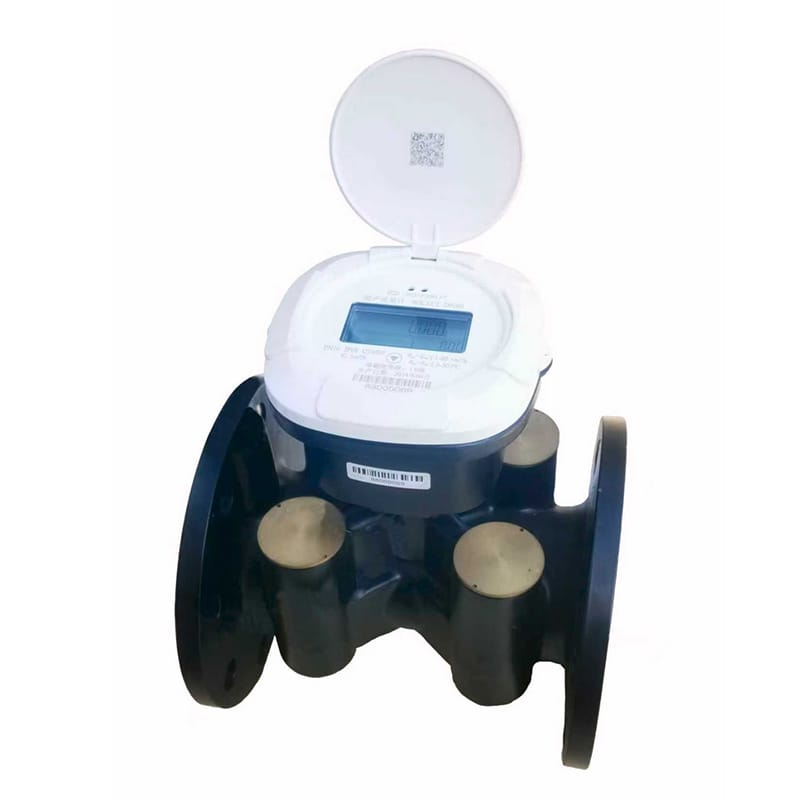
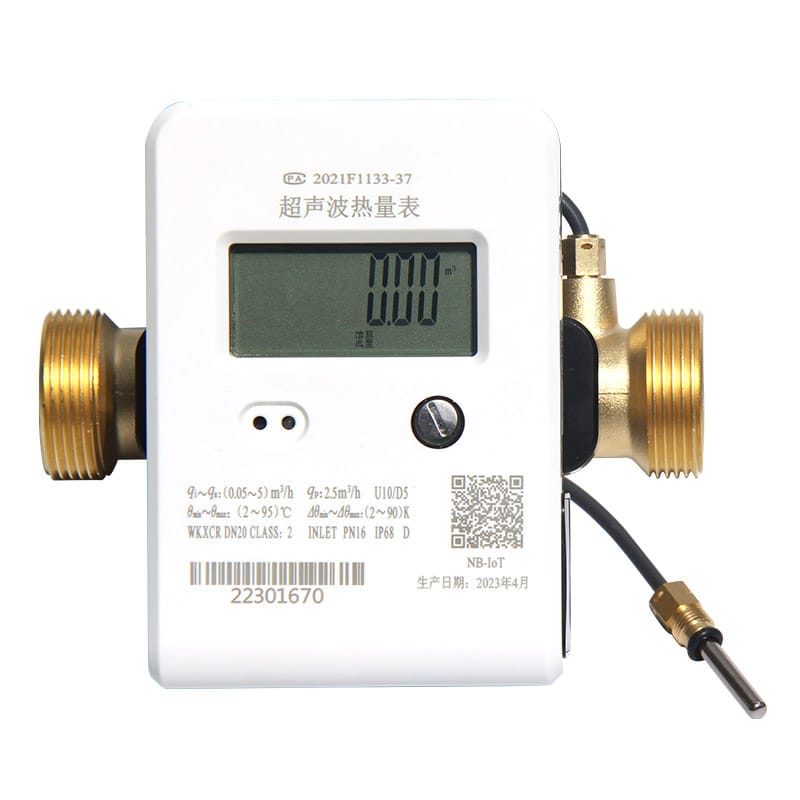
A smart heat meter is an advanced electronic device designed to accurately measure thermal energy consumption in heating and cooling systems. Unlike traditional mechanical meters, smart heat meters incorporate cutting-edge technologies such as ultrasonic flow sensors, wireless communication modules, and sophisticated data processing capabilities. These devices calculate heat energy based on flow rate and temperature difference, typically measured in kilowatt-hours (kWh) or megajoules (MJ), providing precise measurements that form the foundation for fair billing and efficient energy management.
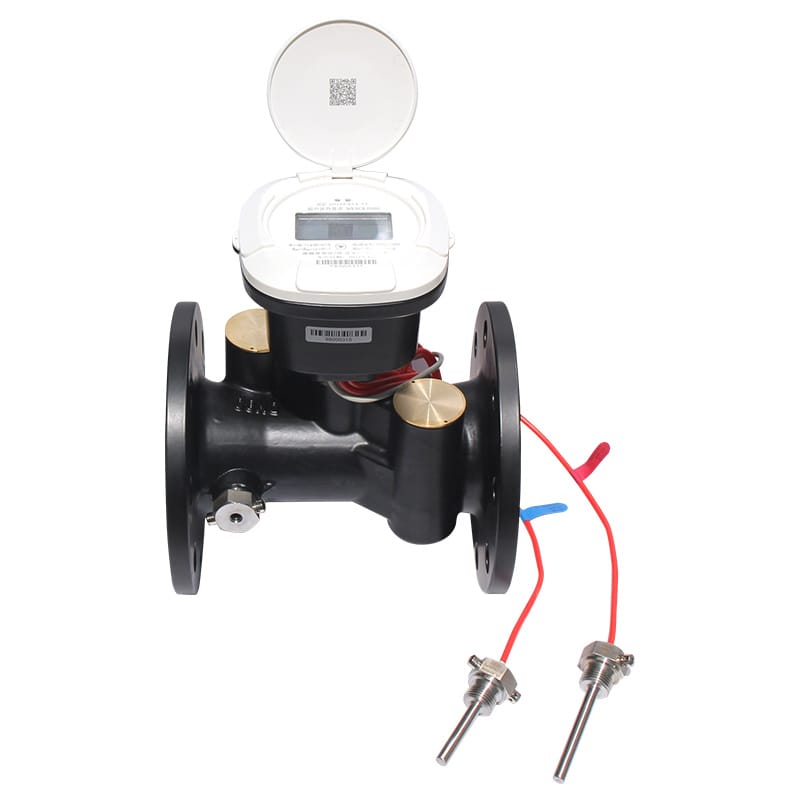
Modern smart heat meters represent a significant evolution from their predecessors. They combine three essential components: a flow sensor (often ultrasonic), paired temperature sensors, and an integrated calculator. The ultrasonic flow sensor uses sound waves to measure fluid velocity without moving parts, eliminating mechanical wear and significantly improving accuracy and longevity. Temperature sensors, typically PT1000 platinum resistance sensors, precisely measure inlet and return water temperatures, while the calculator processes this data to determine actual heat consumption.
How Smart Heat Meters Differ from Traditional Heat Meters
The distinction between smart and traditional heat meters lies in their technological sophistication and functionality. Traditional mechanical heat meters rely on rotating impellers or turbines to measure flow, introducing several limitations: susceptibility to mechanical wear, reduced accuracy over time, higher maintenance requirements, and limited data capabilities.
Smart heat meters, in contrast, leverage ultrasonic or electromagnetic flow measurement technology, providing superior accuracy and reliability. The key differences include:
- Measurement Accuracy: Smart heat meters achieve accuracy within ±1% to ±2%, compared to ±5% or higher for mechanical meters
- Durability and Maintenance: Without moving parts, smart meters experience virtually no mechanical wear, extending operational lifespan to 10-15 years or more
- Data Capabilities: Smart meters provide detailed data logging, real-time monitoring, and historical consumption analysis
- Communication: Support for various protocols (M-Bus, wireless M-Bus, LoRaWAN, NB-IoT) enabling automatic meter reading
- Advanced Features: Temperature logging, flow rate monitoring, leakage detection, and BMS integration
Why They Are Important for Energy Efficiency
Smart heat meters play a pivotal role in modern energy efficiency initiatives. The European Union’s Energy Efficiency Directive mandates heat meters in multi-family buildings and commercial properties, reflecting their importance in achieving energy conservation goals.
Buildings equipped with smart heat meters achieve average energy savings of 15-30% compared to those relying on traditional measurement methods. This reduction stems from:
- Behavioral Changes: When users monitor real-time consumption, they naturally adjust behavior to reduce waste
- System Optimization: Detailed consumption data allows building managers to identify inefficiencies and optimize operation
- Leakage Detection: Smart meters detect abnormal flow patterns indicating leaks or malfunctions
- District Heating Optimization: Precise measurement at individual points facilitates optimized distribution
- Data-Driven Decision Making: Historical patterns support informed decisions about upgrades and improvements
The environmental benefits are equally significant. A single residential building upgrading to smart metering can save approximately 2,000-3,000 kWh of heating energy annually, translating to roughly 400-600 kg of CO₂ emissions reduction.
Key Benefits of Smart Heat Meters
Accurate Energy Consumption Measurement
Ultrasonic smart heat meters achieve measurement accuracy within ±1% to ±2% of actual consumption. This precision represents a significant improvement over traditional mechanical meters, which typically maintain accuracy within ±5% only when properly maintained.
Ultrasonic flow sensors measure fluid velocity by calculating the time difference of sound waves traveling with and against the flow direction. This eliminates moving parts that can degrade over time. Temperature measurement plays an equally critical role—PT1000 sensors provide accurate readings within ±0.1°C. The calculator uses the formula Q = ∫ ρ × cp × ΔT × qv dt to determine heat energy.
In commercial applications, where heating costs represent 30-50% of total building operating expenses, this accuracy translates to significant financial benefits. Property managers can allocate costs based on actual consumption rather than estimates, eliminating disputes and ensuring equitable cost distribution.
Remote Monitoring and Data Accessibility
Smart heat meters revolutionize energy monitoring through advanced remote capabilities. These devices support multiple communication protocols, enabling seamless integration into modern building management systems and cloud-based monitoring platforms.
Wireless M-Bus and LoRaWAN offer excellent range and low power consumption. NB-IoT leverages cellular networks for reliable connectivity with extended battery life—critical for residential applications where mains power may not be available.
Building managers can view real-time consumption data from any location through web interfaces or mobile applications. Historical data analysis reveals trends and seasonal variations. For heating providers, remote monitoring eliminates manual reading costs while ensuring timely, accurate billing.
Many smart heat meter systems include consumer-facing displays or mobile applications. This transparency fosters energy conservation—studies indicate that visible consumption feedback typically reduces usage by 5-15%.
Table: Communication Technologies for Smart Heat Meters
| Technology | Range | Battery Life | Applications | Advantages |
|---|---|---|---|---|
| Wired M-Bus | Up to 1,000m | 10+ years | Large buildings, district heating | Reliable, no interference |
| Wireless M-Bus | 100-500m | 10+ years | Residential complexes, metering points | Flexible installation |
| LoRaWAN | 2-15km | 10+ years | District heating, smart cities | Long range, low power |
| NB-IoT | Cellular coverage | 10+ years | Residential, remote locations | Cellular network, secure |
| WiFi | 50-100m | 1-3 years | Commercial buildings, WiFi available | High bandwidth, existing infrastructure |
Cost Savings and Reduced Utility Bills
Smart heat meters generate substantial cost savings across multiple dimensions. Buildings equipped with smart heat meters achieve 15-30% reduction in heating energy consumption. For a typical commercial building with annual heating costs of $50,000, this translates to $7,500-$15,000 in annual savings.
In residential applications, smart heat meters enable fair allocation of heating costs in multi-family buildings. Instead of dividing heating costs equally regardless of actual consumption, smart meters allow individual measurement. Buildings that transition from fixed allocation to individual metering typically report 20-25% overall reduction in heating consumption.
Operational cost savings are equally significant. Manual meter reading costs, typically $3-5 per reading per meter, are eliminated entirely. For a property manager overseeing 500 meters, this represents annual savings of $18,000-$30,000 assuming quarterly readings.
The return on investment for smart heat meters typically ranges from 2-5 years in commercial settings and 3-6 years in residential applications. Government incentives and rebates can further accelerate payback periods.
Support for Sustainable and Green Buildings
Smart heat meters constitute essential infrastructure for sustainable and green building initiatives. Organizations pursuing LEED certification can earn credits in the Energy and Atmosphere category for implementing advanced metering and verification systems.
The detailed consumption data enables continuous optimization of heating systems, reducing energy waste and associated environmental impacts. In district heating networks, smart meters enable precise measurement at each consumption point, allowing heating providers to optimize production and distribution. Some European cities have reported 10-15% reduction in district heating energy consumption after comprehensive smart meter deployment.
Smart heat meters also facilitate integration with renewable energy systems. As buildings incorporate solar thermal, heat pumps, and other renewable heating technologies, accurate measurement becomes crucial for monitoring performance and ensuring optimal operation.
Types of Smart Heat Meters
Residential Smart Heat Meters
Residential smart heat meters are specifically designed for individual apartments, single-family homes, and small multi-unit buildings. These devices prioritize accuracy, affordability, and ease of installation, with compact designs that fit easily into tight spaces.
Inline residential smart heat meters feature nominal diameters ranging from DN15 (½ inch) to DN25 (1 inch), matching standard residential pipe sizes. Battery-powered models offer flexibility in installation locations, while mains-powered versions eliminate battery replacement concerns.
Clamp-on smart heat meters attach to the outside of existing pipes, using ultrasonic technology to measure flow without cutting into the piping system. While installation is faster and less invasive, clamp-on meters typically command a premium price.
The market for residential smart heat meters has expanded dramatically. Europe leads adoption, with over 66% of urban households now using heat meters in district heating networks. China represents another significant market, with more than 10 million households employing smart meters.
Commercial Smart Heat Meters
Commercial smart heat meters address the more demanding requirements of office buildings, shopping centers, hospitals, and industrial facilities. These applications involve larger flow rates, higher temperatures, and more complex system configurations.
Size options extend to larger diameters, typically ranging from DN40 (1.5 inches) to DN300 (12 inches) or larger. Commercial meters often employ modular construction, allowing individual components to be replaced or upgraded separately, extending equipment lifecycle.
Commercial applications require integration with building automation systems. Accordingly, commercial smart heat meters support multiple communication protocols simultaneously, including wired connections (Modbus, BACnet, M-Bus) and wireless options (LoRaWAN, cellular).
Commercial smart heat meters often include features tailored to specific applications:
- Multiple Measurement Points: Some meters incorporate multiple flow sensors or support connection to several temperature sensor pairs
- Data Logging: Extended memory capacity stores detailed consumption data over extended periods
- Alarm Functions: Programmable alarms alert operators to abnormal conditions
- Calibration Tracking: Built-in calibration logs track verification history and accuracy trends
Ultrasonic vs Electromagnetic Smart Heat Meters
The choice between ultrasonic and electromagnetic smart heat meters represents a critical decision point in meter selection.
Ultrasonic Meters:
- Dominant technology accounting for approximately 50% of installations
- Use transit-time ultrasonic measurement with sound waves
- Wide dynamic range (turndown ratios of 1:1000 or better)
- Low pressure drop reduces pumping energy requirements
- Operate reliably from -20°C to 150°C
- Work with clean to moderately dirty water
Electromagnetic Meters:
- Employ Faraday’s law of electromagnetic induction
- Exceptional low-flow performance
- Work exclusively with conductive fluids
- Wide temperature range from -40°C to 200°C
- More sensitive to electromagnetic interference
Most residential and commercial heating systems benefit from ultrasonic meters’ wide dynamic range and low pressure drop. Specialized applications with very low flow requirements or unusual fluid characteristics may favor electromagnetic solutions.
Table: Ultrasonic vs Electromagnetic Smart Heat Meters Comparison
| Characteristic | Ultrasonic Meters | Electromagnetic Meters |
|---|---|---|
| Measurement Principle | Transit-time sound waves | Electromagnetic induction |
| Typical Accuracy | ±1% to ±2% | ±0.5% to ±1% |
| Dynamic Range | 1:1000 or better | 1:100 to 1:200 |
| Pressure Drop | Very low | Moderate |
| Moving Parts | None | None |
| Fluid Compatibility | Clean to moderately dirty water | Conductive fluids only |
| Temperature Range | -20°C to 150°C | -40°C to 200°C |
| Typical Applications | Residential, commercial heating | Specialized industrial applications |
How Smart Heat Meters Work
Core Components and Technology
Smart heat meters integrate several sophisticated technologies to deliver accurate, reliable measurement of thermal energy consumption.
The flow sensor constitutes the heart of any smart heat meter. Ultrasonic flow sensors employ paired transducers that emit and receive ultrasonic pulses through the flowing fluid. When fluid flows through the meter, the ultrasonic signal travels faster with the flow than against it. Advanced ultrasonic flow sensors incorporate multiple measurement paths to compensate for flow profile distortions.
Temperature measurement represents the second critical component. Smart heat meters employ high-precision PT1000 platinum resistance temperature sensors, which provide excellent accuracy within ±0.1°C. Temperature sensors are paired—installed in both the supply and return lines.
The calculator serves as the meter’s brain, processing flow and temperature data to calculate heat energy consumption using the fundamental equation:
Q = ∫ ρ × cp × ΔT × qv dt
Where Q = heat energy, ρ = fluid density, cp = specific heat capacity, ΔT = temperature difference, and qv = volume flow rate.
Advanced calculators offer additional capabilities:
- Data Logging: High-capacity memory stores detailed consumption data
- Time Integration: Meters track consumption across time periods
- Error Detection: Sophisticated algorithms identify abnormal conditions
- Temperature Compensation: Real-time calculation of fluid properties ensures accuracy
Wireless Communication and IoT Integration
The integration of wireless communication capabilities transforms smart heat meters into intelligent nodes within the Internet of Things ecosystem.
Wireless M-Bus operates in the sub-GHz frequency bands, offering excellent range and penetration through building materials. This technology has become the standard for residential smart heat meter applications. LoRaWAN achieves remarkable range—up to 15 kilometers in rural areas—while maintaining extremely low power consumption.
NB-IoT leverages cellular networks to provide connectivity with excellent coverage and security. As a cellular-based technology, NB-IoT benefits from existing infrastructure investment and robust security protocols.
Integration with IoT platforms extends beyond simple communication to encompass sophisticated data management and analysis capabilities. Cloud-based platforms receive data from hundreds or thousands of meters, processing this information to deliver actionable insights. Advanced platforms employ machine learning algorithms to analyze consumption patterns, predict demand, optimize system operation, and detect anomalies.
Installation and Maintenance Guide
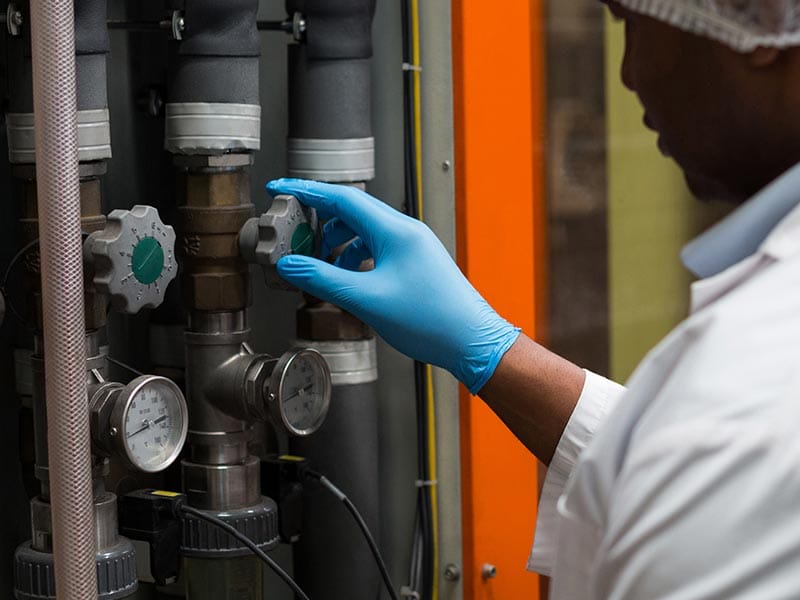
Step-by-Step Installation Process
Proper installation of smart heat meters represents the foundation for achieving accurate, reliable performance.
Pre-installation Preparation:
- Depressurize and drain the heating system
- Clean pipe interiors to remove scale, debris, or welding residues
- Ensure adequate space for the meter and required clearances
Critical Installation Parameters:
- Maintain 10 pipe diameters (10DN) of straight pipe upstream
- Maintain 5 pipe diameters (5DN) downstream of the meter
- Follow manufacturer recommendations regarding acceptable orientations
- Install temperature sensors symmetrically in supply and return lines
Electrical and Communication Connections:
- Battery-powered meters require proper battery insertion
- Mains-powered meters need appropriate electrical connections with proper grounding
- Communication wiring should follow routing that minimizes interference
Commissioning Process:
- Slowly pressurize the system while checking for leaks
- Verify that the meter displays reasonable flow rates, temperatures, and cumulative values
- Test communication with data collection systems
- Configure data reporting intervals and alarm thresholds
Regular Maintenance for Accuracy and Longevity
Smart heat meters are designed for minimal maintenance, but appropriate maintenance practices ensure optimal performance.
Visual Inspections:
- Check for physical damage, leaks, corrosion, or environmental degradation
- Verify that protective covers and seals remain intact
- Ensure displays remain readable
Filter Maintenance:
- Install strainers or filters upstream of the meter
- Clean filters periodically—frequency depends on system water quality
Battery Monitoring:
- Verify battery status through displays or communication interfaces
- Plan for proactive battery replacement when indicators suggest remaining life of less than one year
Communication System Verification:
- Periodically test signal strength and communication reliability
- Verify that data arrives properly at collection points
Accuracy Verification:
- For high-stakes applications, periodic verification by certified laboratories may be required
- Less critical applications can use annual comparison against reference measurements
Common Installation Mistakes to Avoid
Even with well-designed equipment, installation errors can significantly compromise performance:
- Inadequate pipe preparation: Failing to thoroughly clean pipe interiors introduces debris
- Improper straight pipe runs: Installing meters too close to flow-disturbing fittings
- Incorrect orientation: Installing meters in positions that affect measurement accuracy
- Temperature sensor errors: Installing supply and return sensors asymmetrically
- Electrical and communication errors: Improper grounding, inadequate surge protection
- Ignoring system operating conditions: Selecting meters that don’t match actual system conditions
- Failing to commission properly: Skipping leak testing and verification
Choosing the Right Smart Heat Meter
Factors to Consider: Accuracy, Connectivity, Price
Selecting the optimal smart heat meter requires careful consideration of multiple technical and economic factors.
Accuracy Specifications:
- Understand typical flow rates and variations in your system
- Consider accuracy requirements across the entire operating range
- Verify that meters carry appropriate certifications (MID, OIML R75) for your region
Connectivity Requirements:
- Determine whether the meter will operate as standalone or connect to building management systems
- Verify compatibility with existing or planned infrastructure
- Consider future communication needs when selecting
Environmental Conditions:
- Outdoor installations require appropriate protection ratings (IP65 or higher)
- Corrosive environments may require special materials or protective coatings
- Applications with difficult water quality require meters specifically designed for those conditions
Flow Range and Sizing:
- Consider minimum, typical, and maximum flow rates
- The meter’s turndown ratio indicates its ability to handle flow variations
- Verify that your system’s minimum flow exceeds the meter’s minimum accurate flow threshold
Price Considerations:
- Evaluate total cost of ownership including installation, operation, and maintenance
- Higher-priced meters often provide better accuracy, longer life, and advanced features
- Consider warranty terms and manufacturer support quality
Comparing Different Brands and Models
Major manufacturers offer comprehensive product lines spanning residential, commercial, and industrial applications.
Kamstrup (Denmark) leads the European market with ultrasonic meters known for exceptional accuracy and reliability. Their MULTICAL series includes compact residential meters (MULTICAL 303), versatile commercial meters (MULTICAL 403 and 603), and large industrial meters (MULTICAL 803).
Landis+Gyr specializes in district heating applications with their ULTRAHEAT series. The T230 targets residential applications, while the T450 serves commercial and industrial applications.
Itron offers a diverse portfolio under the Actaris brand, with meters designed for various regional markets and regulatory environments.
Diehl Metering produces the Sharky series of ultrasonic heat meters known for robust construction and accuracy.
Zenner provides the Zelsius series with emphasis on value and reliability, offering competitive pricing while maintaining accuracy.
When comparing models, evaluate specifications beyond basic accuracy:
- Display features (size, backlighting, multilingual support)
- Data storage capacity
- Communication flexibility
- Diagnostic capabilities
- Security features
- Calibration intervals
- Compliance certifications
Matching Smart Heat Meters to Building Type
Different building types present distinct heating system characteristics, operational priorities, and installation constraints.
Residential Buildings:
- Individual apartment units: Compact meters with small diameters (DN15-DN25)
- Battery-powered models simplify installation in existing buildings
- Fair cost allocation among units is a key consideration
Commercial Buildings:
- Office buildings: Excellent accuracy across operating range required
- Retail spaces: Wide dynamic range to accommodate varying demand
- Hospitality: Extended temperature ranges and reliability critical
Industrial Facilities:
- High heat loads with demanding accuracy requirements
- Unusual fluid compositions or operating conditions
- Extensive data logging and advanced diagnostics
Table: Smart Heat Meter Selection Guide by Building Type
| Building Type | Typical Meter Size | Key Features | Communication Preferences |
|---|---|---|---|
| Single-Family Home | DN15-DN20 | Battery powered, local display, tamper detection | Wireless M-Bus or NB-IoT |
| Apartment Complex | DN15-DN25 per unit | Fair billing support, automatic reading | Wireless or wired depending on retrofit/new |
| Office Building | DN40-DN100 | High accuracy, wide dynamic range | Integration with BMS via Modbus/BACnet |
| Hotel | DN25-DN50 | Extended temperature range, high reliability | Integration with building automation |
| Hospital | DN50-DN150 | Exceptional reliability, advanced diagnostics | Wired integration with critical systems |
| Industrial Plant | DN50-DN200+ | Rugged construction, extensive data logging | Custom integration with process control |
Smart Heat Meters and Energy Management
How Data Analytics Improves Efficiency
The data generated by smart heat meters transforms from simple measurement values into powerful insights through sophisticated analytics.
Consumption Pattern Analysis:
- Examine historical consumption across different time scales
- Identify unusual patterns indicating inefficiencies or problems
- Understand how energy use correlates with occupancy and weather
Weather-Normalized Analysis:
- Remove the effect of weather variations from consumption data
- Compare efficiency across different periods independent of weather
- Track progress toward efficiency goals
Benchmarking:
- Compare building performance against similar buildings or established standards
- Identify areas requiring attention
- Establish realistic targets for improvement
Peak Demand Analysis:
- Examine consumption during maximum demand periods
- Implement strategies to reduce peaks through load shifting
Zone-by-Zone Analysis:
- Compare consumption across different areas, tenants, or systems
- Identify outliers—areas consuming significantly more or less energy than expected
Predictive Analytics:
- Predict future demand based on historical patterns and weather forecasts
- Enable proactive optimization rather than reactive operation
Future Trends in Smart Heat Meter Technology
AI and Predictive Analytics
Artificial intelligence and machine learning are rapidly transforming smart heat meters into intelligent energy management systems.
Predictive Demand Forecasting:
- Analyze historical patterns alongside weather forecasts
- Predict future heating requirements with remarkable accuracy
- Enable proactive optimization—heating systems prepare for anticipated demand
Anomaly Detection and Fault Diagnosis:
- Learn normal patterns of each heating system
- Detect subtle deviations indicating developing problems
- Report 30% reduction in equipment failures through predictive maintenance
System Optimization:
- Continuously adjust heating system parameters to optimize trade-offs
- Discover optimization strategies that human operators might miss
- Achieve 5-10% efficiency improvements while maintaining comfort
Energy Disaggregation:
- Analyze whole-building consumption to estimate consumption by end-use
- Provide valuable insights for targeting efficiency efforts
- Achieve 80-90% accuracy for major end-uses
The economic benefits of AI-enhanced metering justify investment in most commercial applications, with ROI typically within 2-4 years.
Enhanced Wireless and Smart Home Integration
Wireless communication technology continues to advance rapidly, creating new possibilities for smart heat meter integration.
5G Cellular Networks:
- Higher bandwidth, lower latency, improved capacity
- Enable real-time high-resolution consumption data streaming
- Support seamless coordination with large numbers of IoT devices
Matter Standard:
- Unified smart home standard enabling devices from different manufacturers to work together
- Smart heat meters integrate naturally with thermostats, displays, and voice assistants
Improved Battery Technologies:
- Lithium-thionyl chloride batteries provide 10-15 years of life
- Energy harvesting technologies capture energy from the environment
- Advanced sensors supplement or replace batteries
Mesh Networking:
- Meters relay messages through neighboring devices
- Extend range and create redundant communication paths
- Improve reliability without extensive infrastructure
Augmented Reality Interfaces:
- Maintenance technicians see information overlays through AR glasses
- Hands-free access to information improves efficiency
- Residential users can view consumption data through smartphone cameras
Conclusion
Smart heat meters have transformed from simple measurement devices into sophisticated intelligent systems that drive energy efficiency, enable fair billing, and support sustainability initiatives. The benefits extend across multiple dimensions, creating value for diverse stakeholders.
Building owners and operators realize energy savings of 15-30% through behavior change, system optimization, and targeted efficiency measures. Tenants and occupants appreciate fair billing based on actual consumption. Utility companies reduce operational costs through automated meter reading and optimize system performance based on granular demand data. Society benefits from reduced energy consumption and associated environmental impacts.
The technology continues advancing rapidly, with AI integration, enhanced communication capabilities, and sophisticated analytics expanding what’s possible. These developments transform meters from passive measurement devices into active participants in energy management systems.
The economic justification for smart heat meters continues strengthening. Return on investment typically ranges from 2-5 years in commercial settings and 3-6 years in residential applications. The combination of reduced energy costs, operational savings, avoided problems, and intangible benefits creates compelling value propositions.
Smart heat meters have moved beyond optional upgrades to become essential infrastructure for modern energy management. Whether you’re a building owner seeking to reduce operating costs, a property manager aiming to improve tenant satisfaction, or a utility company planning infrastructure modernization, smart metering delivers compelling benefits that justify investment.
Contact us today to learn more about our range of smart heat meters and how they can optimize your energy usage. Our experienced team can help you select the right products for your specific application and support you throughout the lifecycle of your metering investment.
FAQ
Q1: What is the difference between a smart heat meter and a traditional mechanical heat meter?
Answer: Smart heat meters use advanced technology like ultrasonic sensors to measure thermal energy with ±1% to ±2% accuracy, compared to ±5% for traditional mechanical meters. They feature no moving parts, eliminating mechanical wear, and provide real-time data logging, remote monitoring capabilities, and wireless communication (M-Bus, LoRaWAN, NB-IoT) that traditional meters lack. Smart meters also enable advanced features like leakage detection, temperature logging, and integration with building management systems, while traditional meters only display cumulative consumption and require manual reading.
Q2: How much can I save by installing a smart heat meter in my building?
Answer: Buildings equipped with smart heat meters typically achieve 15-30% reduction in heating energy consumption. For a commercial building with annual heating costs of $50,000, this translates to $7,500-$15,000 in annual savings. The return on investment ranges from 2-5 years in commercial settings and 3-6 years in residential applications. Additional savings come from eliminating manual meter reading costs (typically $3-5 per reading) and early detection of system issues before they become expensive repairs.
Q3: What communication technologies are available for smart heat meters, and which should I choose?
Answer: Smart heat meters support multiple communication protocols. Wired M-Bus offers reliability for large buildings and district heating with ranges up to 1,000m. Wireless M-Bus provides flexible installation for residential complexes with 100-500m range. LoRaWAN delivers long range (2-15km) for district heating and smart cities. NB-IoT uses cellular networks for residential and remote locations with excellent coverage. WiFi suits commercial buildings with existing WiFi infrastructure but shorter range (50-100m). Your choice depends on building type, installation constraints, and existing infrastructure.
Q4: What is the lifespan of a smart heat meter and how often does it need calibration?
Answer: Smart heat meters typically have an operational lifespan of 10-15 years or more due to their solid-state design without moving parts. Ultrasonic meters generally require calibration every 5-10 years, significantly longer than the 1-2 year intervals for mechanical meters. Battery-powered models feature lithium batteries lasting 10-15 years, eliminating replacement concerns for most applications. Regular maintenance is minimal, consisting mainly of visual inspections, filter cleaning (if installed), and communication system verification.
Q5: How do ultrasonic and electromagnetic smart heat meters differ, and which is better for my application?
Answer: Ultrasonic meters use transit-time sound wave measurement and dominate the market with 50%+ adoption, offering wide dynamic range (1:1000 turndown ratio), low pressure drop, and compatibility with clean to moderately dirty water. They work well for residential and most commercial heating applications. Electromagnetic meters use Faraday’s induction principle, excelling at very low flows and working only with conductive fluids, with wider temperature range (-40°C to 200°C). Choose ultrasonic for general heating systems and electromagnetic for specialized industrial applications with very low flows or conductive fluids.