Table of Contents
Introduction
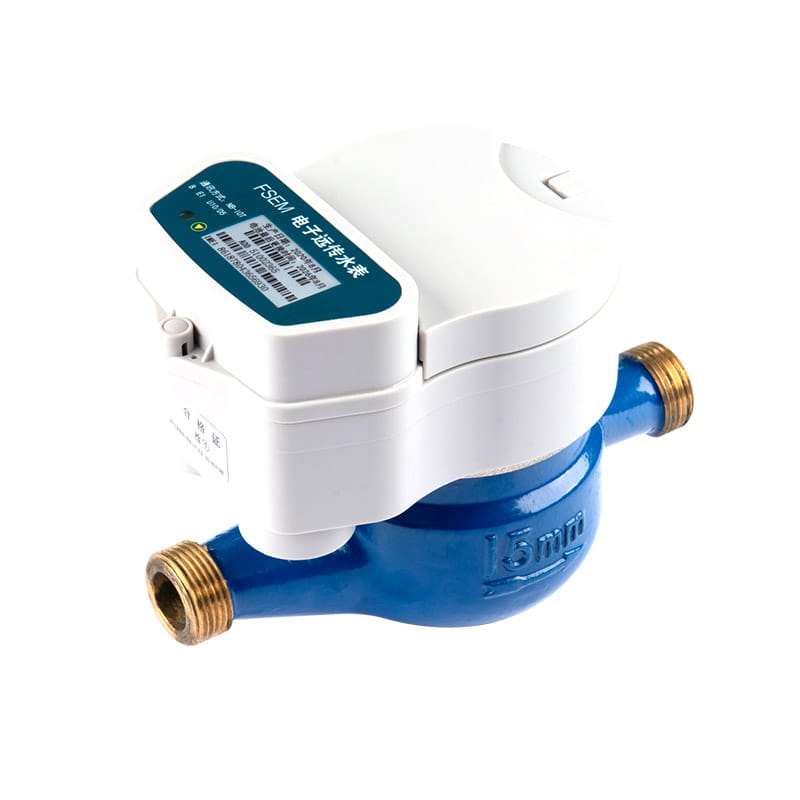
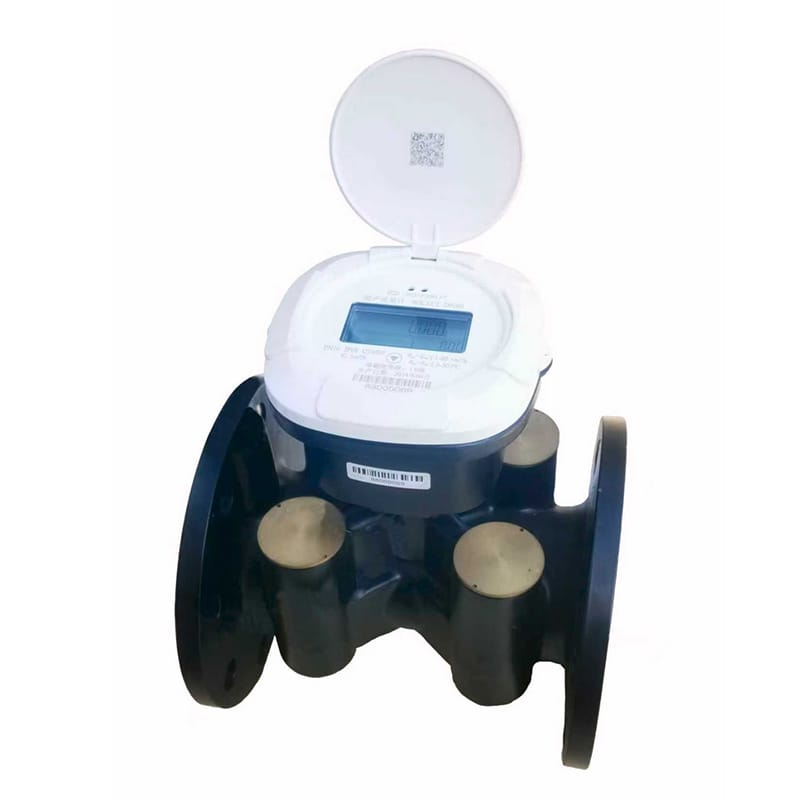
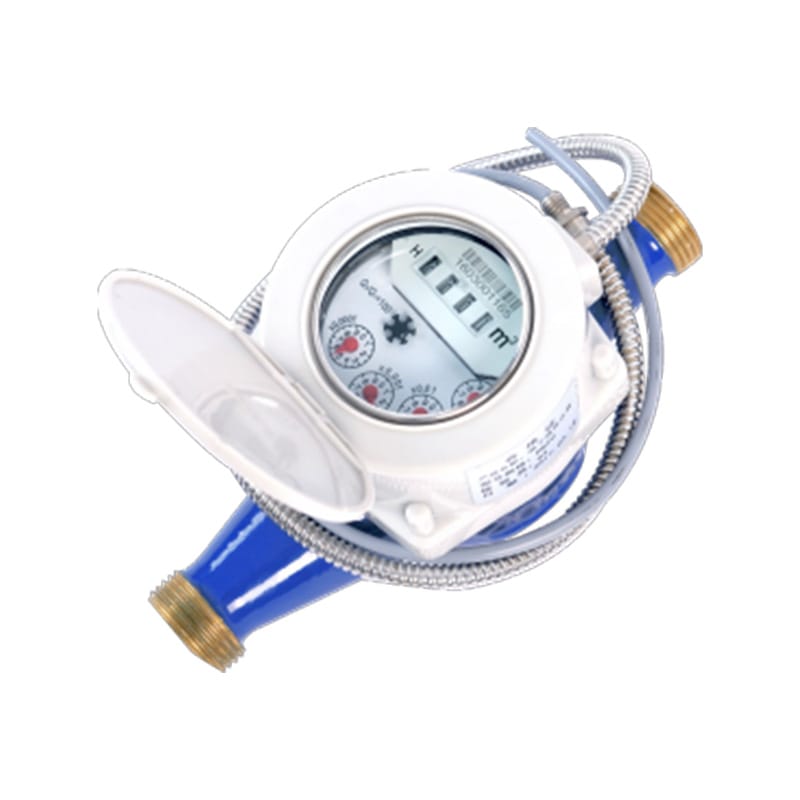
A remote reading water meter is a smart metering device designed to automatically collect and transmit water consumption data without manual reading. It is widely used in municipal water supply, residential buildings, commercial complexes, and industrial monitoring systems.
As a remote reading water meter manufacturer, the focus is not only on producing hardware but also on delivering complete smart metering solutions that integrate communication modules, data platforms, and management systems. With the rapid development of smart cities and IoT infrastructure, traditional mechanical water meters are gradually being replaced by AMR (Automatic Meter Reading) and AMI (Advanced Metering Infrastructure) systems.
These technologies significantly improve operational efficiency, reduce labor costs, and provide real-time visibility into water usage.
How Remote Reading Water Meter Technology Works
The working principle of a remote reading water meter is based on automatic data collection and wireless or wired transmission.
When water flows through the meter, the internal sensor records usage data. This data is then converted into digital signals and transmitted through communication technologies such as NB-IoT, LoRaWAN, or RF modules to a centralized platform.
The system typically includes:
- Smart water meter body
- Data transmission module
- Gateway or collector unit
- Cloud-based monitoring platform
This structure allows utilities to monitor water consumption remotely, reducing the need for on-site inspections.
Key Components of a Remote Reading Water Meter System
A complete remote water metering solution is composed of several integrated parts:
- Smart Water Meter Unit: Measures water flow with high accuracy
- Communication Module: Enables wireless data transmission
- Data Collector (DCU): Aggregates meter data from multiple units
- Management Software Platform: Processes and visualizes consumption data
- Power System: Ensures long-term stable operation
Each component must work together to ensure stable communication, high data accuracy, and long service life.
Types of Remote Reading Water Meter Systems
Different projects require different metering solutions. The most common types include:
- AMR Systems: Automatically collect data and transmit periodically
- AMI Systems: Enable two-way communication and real-time monitoring
- Wired Systems: Stable but require physical cabling
- Wireless Systems: Flexible and widely used in modern smart cities
- Residential Water Meters: Designed for household consumption tracking
- Industrial Water Meters: Built for high flow and heavy-duty applications
Advantages of Remote Reading Water Meter for Utilities and Users
The adoption of smart water metering brings significant operational and financial benefits:
- Eliminates manual meter reading errors
- Reduces labor and maintenance costs
- Enables real-time water consumption tracking
- Detects leaks and abnormal usage patterns
- Improves billing accuracy and transparency
- Supports data-driven water resource management
For utilities, this means improved efficiency. For end users, it ensures fair billing and better water conservation awareness.
Applications of Remote Reading Water Meter Systems
Remote reading water meters are widely deployed across multiple industries:
- Municipal water supply systems
- Residential apartment complexes
- Commercial buildings and shopping malls
- Industrial production facilities
- Agricultural irrigation systems
- Smart city infrastructure projects
Their flexibility makes them suitable for both small-scale and large-scale water management projects.
Remote Reading Water Meter Manufacturer Capabilities (Why Choose Us)
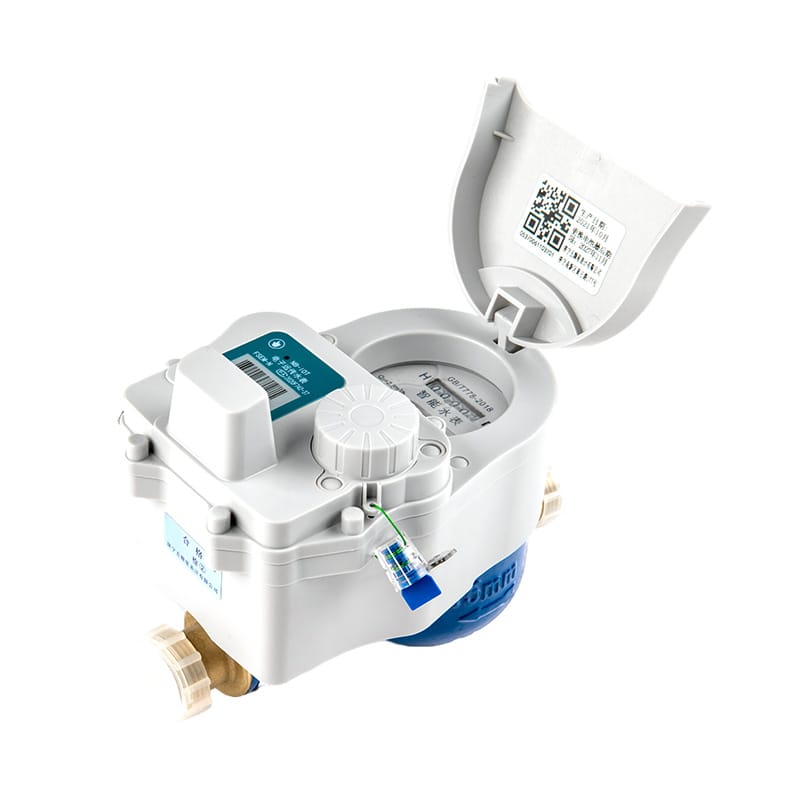
As a professional remote reading water meter manufacturer, we focus on delivering complete end-to-end solutions, not just products.
Our manufacturing capabilities include:
- In-house R&D for smart metering technology
- OEM/ODM customization for global clients
- Strict quality control aligned with international standards
- Large-scale production capacity for bulk orders
- System integration support for AMR and AMI solutions
- Global export experience with stable supply chain
This ensures that every project receives a reliable, scalable, and cost-effective solution.
Communication Technologies Used in Smart Water Meter Systems
| Technology | Key Features | Best Application |
|---|---|---|
| NB-IoT | Low power, wide coverage, stable network | Urban water metering |
| LoRaWAN | Long range, low energy consumption | Smart city & rural areas |
| RF (Radio Frequency) | Cost-effective short-range communication | Residential communities |
| Wired Systems | High stability, no interference | Industrial environments |
These communication technologies are critical in ensuring accurate and efficient remote data transmission in different environments.
Remote Reading Water Meter Installation and Deployment Process
A successful deployment requires proper system planning:
- Site survey and technical evaluation
- Selection of appropriate meter type and communication method
- Installation of smart meters and data collectors
- System configuration and software integration
- Testing and calibration of data accuracy
- Long-term maintenance and system upgrades
Proper installation ensures long-term stability and accurate data performance.
Cost Factors and Pricing of Remote Reading Water Meter Systems
The cost of a remote water metering system depends on several factors:
- Type of technology (AMR or AMI system)
- Communication method (NB-IoT, LoRa, RF)
- Project scale and installation complexity
- Software platform and data management system
- Customization requirements from OEM clients
Direct factory supply from a manufacturer helps significantly reduce procurement costs, especially for large-scale utility projects.
Challenges in Traditional Water Meter Reading and Smart Solutions
Traditional manual meter reading systems face several challenges:
- High labor cost and inefficiency
- Human reading errors and data inconsistency
- Delayed billing cycles
- Lack of real-time monitoring
- Difficulty in detecting leaks or abnormal consumption
Remote reading water meter systems solve these issues by providing automated, accurate, and real-time data collection, improving overall water management efficiency.
Future Trends in Smart Water Metering Technology
The future of water metering is moving toward fully digital and intelligent systems:
- Integration with IoT and cloud computing platforms
- AI-based water consumption analysis
- Predictive maintenance for pipeline systems
- Expansion of smart city infrastructure
- Evolution from AMR to fully intelligent AMI ecosystems
These innovations will further improve water resource efficiency and sustainability.
Why Choose a Professional Remote Reading Water Meter Manufacturer
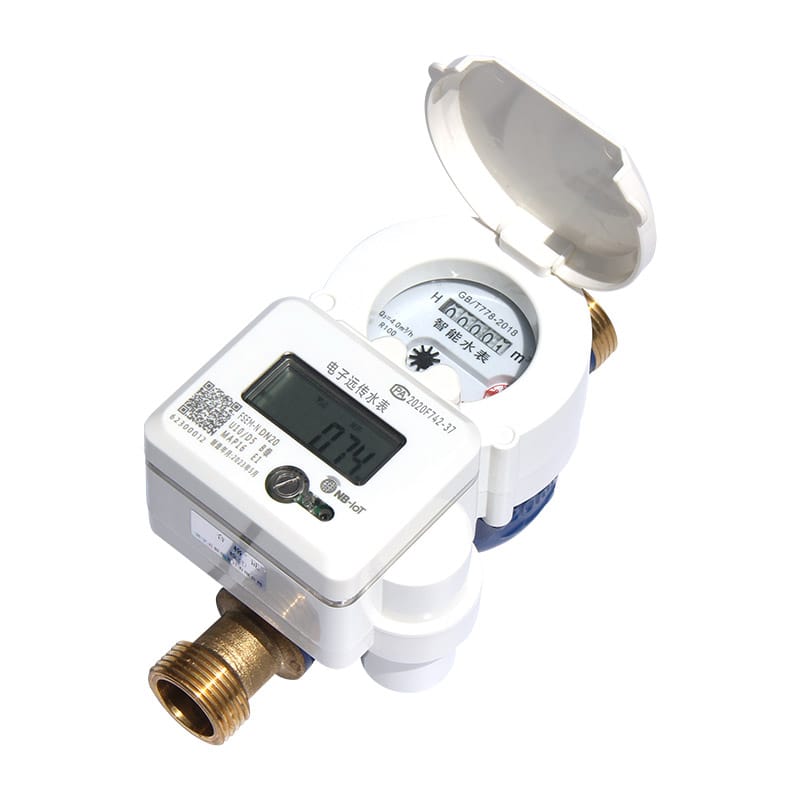
Working directly with a manufacturer provides clear advantages:
- Factory-direct pricing and cost efficiency
- Customized solutions for different project needs
- Stable product quality and long-term reliability
- Technical support for system integration
- Large-scale production capability for global demand
A professional manufacturer ensures not only product supply but also complete system reliability and technical support.
Conclusion
Remote reading water meter systems have become an essential part of modern water management infrastructure. With the advancement of AMR and AMI technologies, utilities are transitioning toward smarter, data-driven water monitoring systems.
As a dedicated remote reading water meter manufacturer, our goal is to provide high-quality, scalable, and efficient smart metering solutions that help utilities and industries reduce operational costs, improve billing accuracy, and achieve sustainable water management.
The future of water management is digital, and smart metering systems are at the core of this transformation.
FAQ
What is a remote reading water meter?
A remote reading water meter is a smart device that automatically records water usage and transmits data to a central system without manual meter reading. It is widely used in residential, commercial, and municipal water management systems.
How does a remote reading water meter work?
It measures water flow through a built-in sensor and sends the collected data via communication technologies such as NB-IoT, LoRaWAN, or RF to a remote monitoring platform for real-time analysis and billing.
What are the advantages of a remote reading water meter?
Key benefits include reduced manual labor, improved billing accuracy, real-time water usage monitoring, leak detection, and overall better water resource management efficiency.
Where can remote reading water meter systems be used?
They are commonly used in apartment buildings, commercial properties, industrial facilities, agricultural irrigation systems, and smart city water supply networks.
Why choose a professional remote reading water meter manufacturer?
A professional manufacturer ensures stable product quality, customizable solutions, competitive factory pricing, and reliable technical support for large-scale water metering projects.