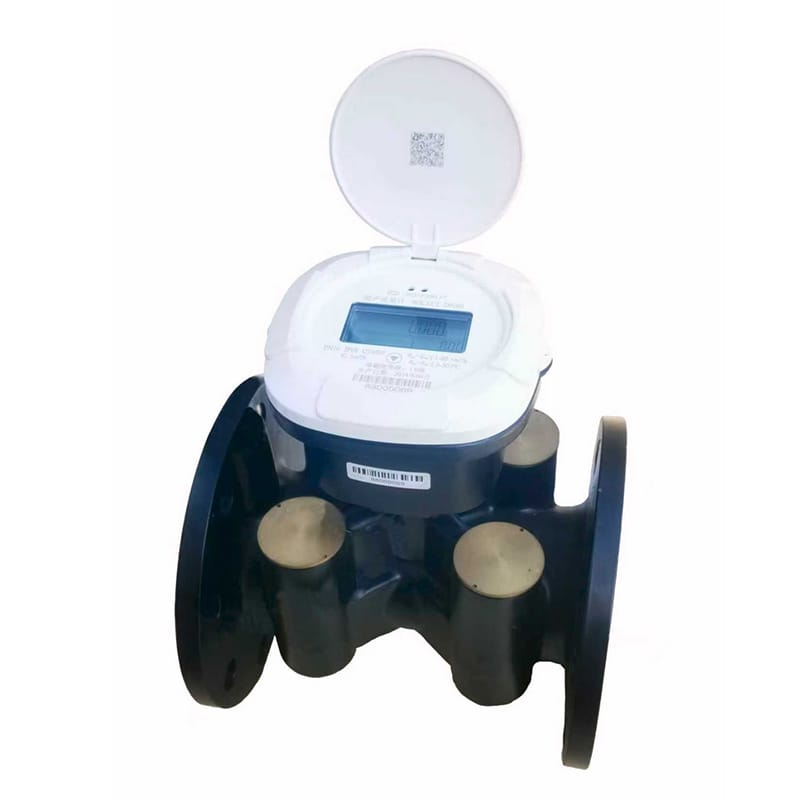
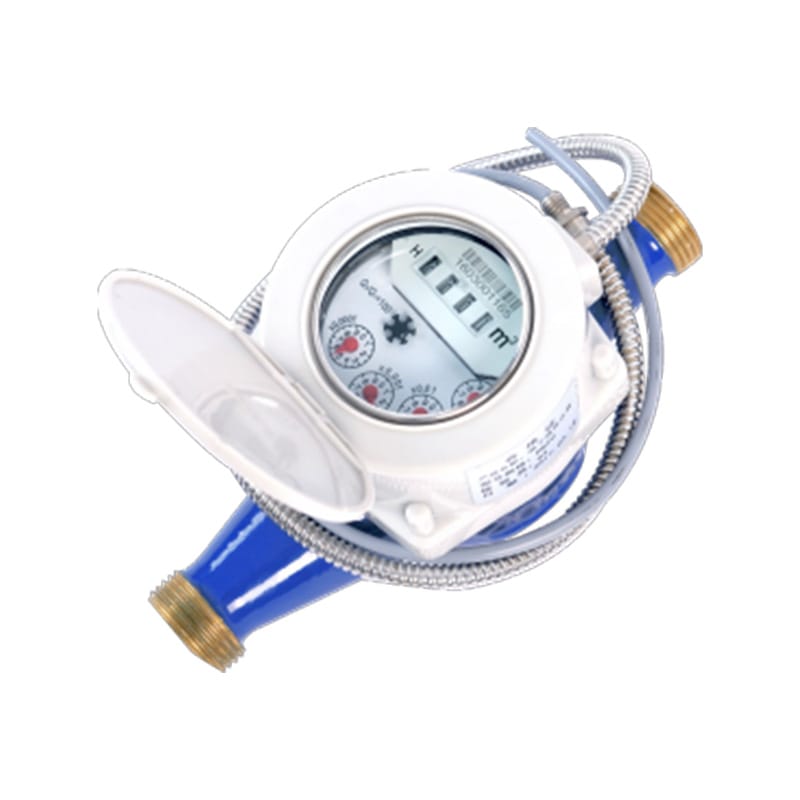
Water infrastructure is quietly going through a major shift. Not the kind you notice immediately, but one that utilities, municipalities, and industrial operators are increasingly dependent on—more precise measurement, less maintenance, and real-time visibility.
At the center of this shift is the ultrasonic water meter manufacturer, developing metering solutions that replace mechanical uncertainty with digital accuracy. Instead of relying on moving parts, ultrasonic technology uses sound waves to measure flow, which fundamentally changes how water consumption is tracked and managed.
This article takes a closer, practical look at how these systems are designed, why they are being adopted globally, and what really matters when selecting a manufacturing partner.
Table of Contents
Why Ultrasonic Water Metering Is Replacing Traditional Systems
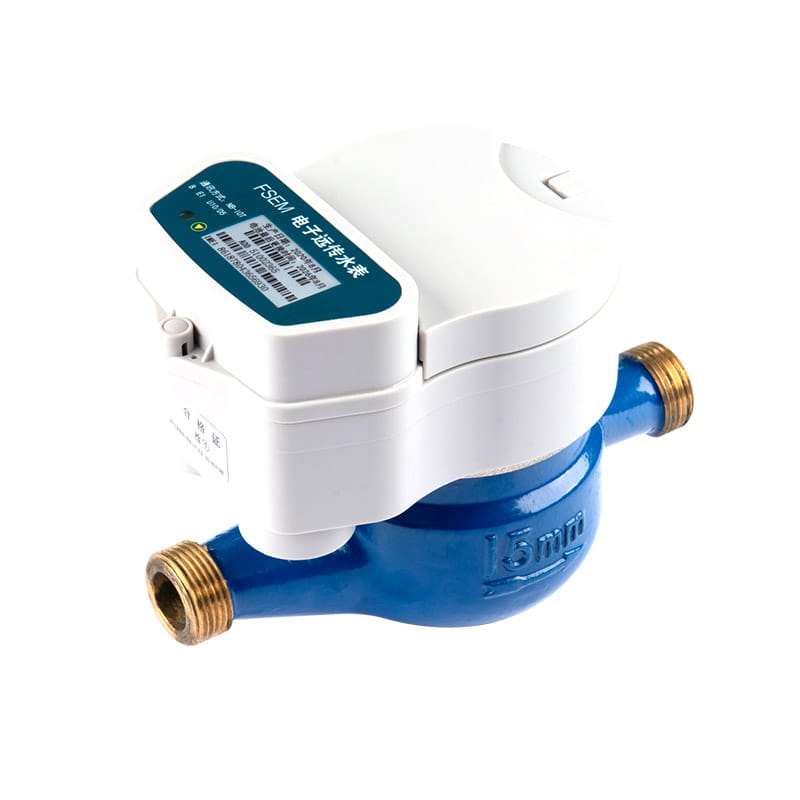
For decades, mechanical water meters dominated utility networks. They worked well in simple environments, but long-term performance has always been limited by wear and tear. Moving components gradually lose precision, especially in systems with variable flow conditions or sediment-rich water.
Ultrasonic metering removes that mechanical dependency.
Instead of spinning gears, it uses signal timing between sensors to calculate flow velocity. This results in a system that is:
- Less affected by aging and mechanical degradation
- Stable across a wide range of flow conditions
- More suitable for digital monitoring environments
- Better aligned with modern utility billing systems
This shift is not just about accuracy—it’s about operational visibility and long-term system stability.
Inside the Working Principle of Ultrasonic Flow Measurement
At its core, ultrasonic metering is based on a simple but precise concept: measuring the difference in travel time of sound waves moving with and against the flow of water.
Two transducers send and receive ultrasonic signals. When water is flowing, one direction is slightly faster than the other. That difference is then converted into flow rate data.
What makes this approach powerful is not complexity, but consistency. Since there are no moving parts, the system avoids the typical degradation found in mechanical designs.
In practical terms, this allows water utilities to:
- Maintain stable measurement accuracy over time
- Reduce calibration frequency
- Improve long-term billing reliability
- Support remote monitoring systems
How Manufacturing Precision Defines Meter Performance
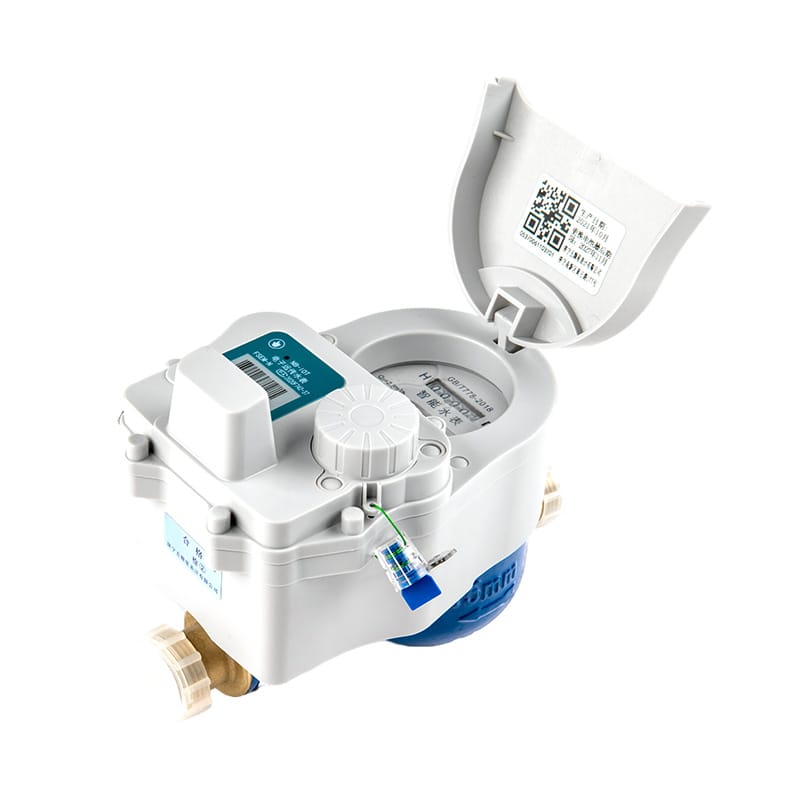
The performance of an ultrasonic water meter is not determined only by design—it is heavily influenced by manufacturing control.
A professional ultrasonic water meter manufacturer typically focuses on three critical areas:
Sensor alignment and signal stability
Even small deviations in transducer positioning can affect measurement accuracy. High-precision assembly ensures signal paths remain consistent.
Electronic system integration
Modern meters often include communication modules for smart networks. Integration quality directly impacts data transmission reliability.
Sealing and environmental resistance
Since many meters are installed underground or in humid environments, waterproofing and pressure resistance are essential for long-term performance.
Each of these steps contributes to whether a meter performs reliably after years of continuous operation.
Why Direct Manufacturer Supply Has Become a Strategic Choice
In large-scale water projects, procurement decisions are rarely just about the product itself. They are about consistency, deployment scale, and long-term system integration.
Working directly with an ultrasonic water meter manufacturer allows buyers to:
- Align product specifications with project requirements
- Ensure consistent production standards across batches
- Reduce communication gaps in technical customization
- Improve coordination for large deployments
- Maintain long-term supply stability
This is particularly important for utility networks where even small inconsistencies can create data discrepancies across billing systems.
What Defines a High-Quality Ultrasonic Water Meter
Not all ultrasonic meters perform at the same level. Differences are often not visible externally, but show up in field performance over time.
Key characteristics of a well-designed system include:
- Stable low-flow detection capability
- Resistance to pipeline vibration and pressure fluctuation
- Consistent data output under varying water quality conditions
- Long-term operational stability without recalibration
- Compatibility with smart water management platforms
These features are especially important in systems that rely on automated billing or real-time consumption tracking.
OEM and Custom Engineering in Modern Meter Manufacturing

As water infrastructure becomes more digitized, customization has become a standard requirement rather than an optional service.
Most established manufacturers now support OEM and ODM development, allowing systems to be adapted for different regions and technical environments.
Common customization areas include:
- Communication protocols for IoT integration
- Installation formats for different pipeline standards
- Data output compatibility with utility software systems
- Private labeling for distribution networks
- Application-specific calibration settings
This flexibility is one of the reasons ultrasonic technology has scaled so quickly across global markets.
Where Ultrasonic Water Meters Are Most Commonly Used
The application scope has expanded far beyond traditional municipal supply networks.
Today, ultrasonic water meters are widely used in:
- Urban water distribution systems
- Smart city infrastructure projects
- Industrial monitoring environments
- Agricultural irrigation networks
- Residential smart metering systems
What connects all these use cases is the need for reliable, data-driven water management rather than manual estimation or periodic measurement.
Quality Assurance and Compliance Expectations
In water metering, reliability is not optional—it is a baseline requirement.
Manufacturers operating in this field typically implement structured quality systems that include:
- Multi-stage calibration testing
- Long-duration performance verification
- Environmental stress testing
- International certification compliance
- Batch-level consistency inspection
These processes ensure that each unit performs consistently when deployed at scale, especially in critical infrastructure environments.
The Direction of the Ultrasonic Water Meter Industry
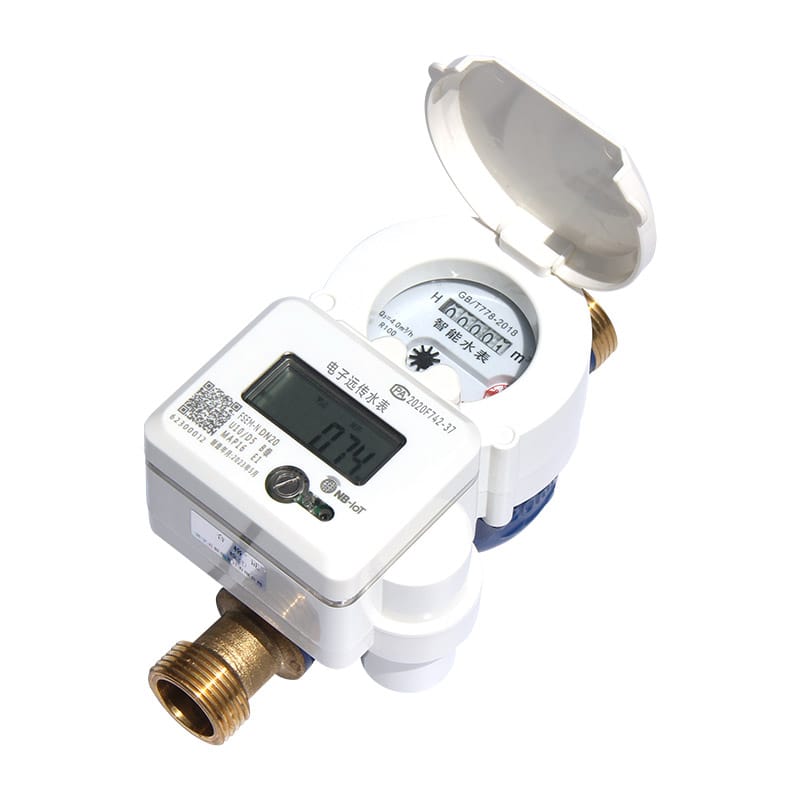
The industry is clearly moving toward integrated digital ecosystems. Water meters are no longer standalone devices—they are becoming data nodes within larger utility networks.
Several trends are shaping this direction:
- Expansion of IoT-based metering infrastructure
- Increased use of remote reading and automated billing systems
- Integration with cloud-based water management platforms
- Stronger focus on leak detection and loss reduction
- Greater demand for long-life, low-maintenance devices
As these systems mature, ultrasonic technology is expected to remain a core measurement standard in modern water networks.
Conclusion
The role of an ultrasonic water meter manufacturer is no longer limited to producing measurement devices. It now extends into enabling data-driven water management systems that support entire infrastructure networks.
What matters most in this space is not just product design, but manufacturing consistency, system integration capability, and long-term operational reliability.
As water utilities continue to evolve toward digital monitoring and automated billing, ultrasonic metering technology will remain central to how consumption is measured, managed, and optimized.
FAQ
What does an ultrasonic water meter manufacturer do?
An ultrasonic water meter manufacturer designs and produces advanced flow measurement devices that use ultrasonic technology to measure water consumption without mechanical moving parts.
How does an ultrasonic water meter work?
It measures the time difference of ultrasonic signals traveling with and against the water flow. This difference is converted into accurate flow rate data.
Why are ultrasonic water meters more reliable than mechanical meters?
Because they have no moving parts, they reduce wear and measurement drift, offering more stable long-term accuracy and lower maintenance requirements.
Where are ultrasonic water meters commonly used?
They are widely used in municipal water supply systems, smart city infrastructure, industrial monitoring, and residential smart metering applications.
What should I consider when choosing an ultrasonic water meter manufacturer?
Key factors include production quality control, calibration accuracy, certification compliance, OEM/ODM capability, and long-term supply stability.