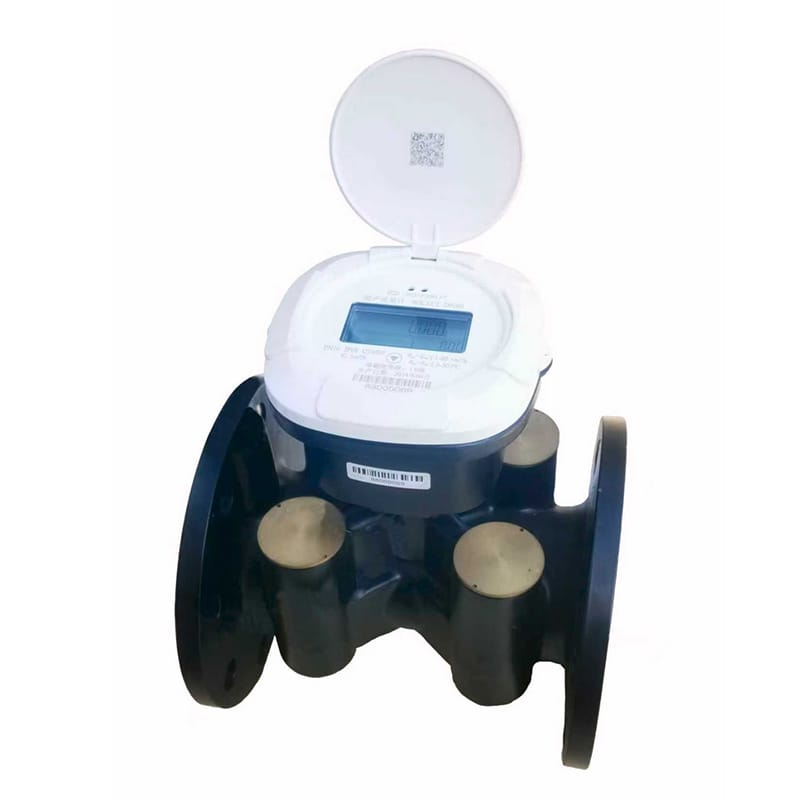
Table of Contents
Introduction
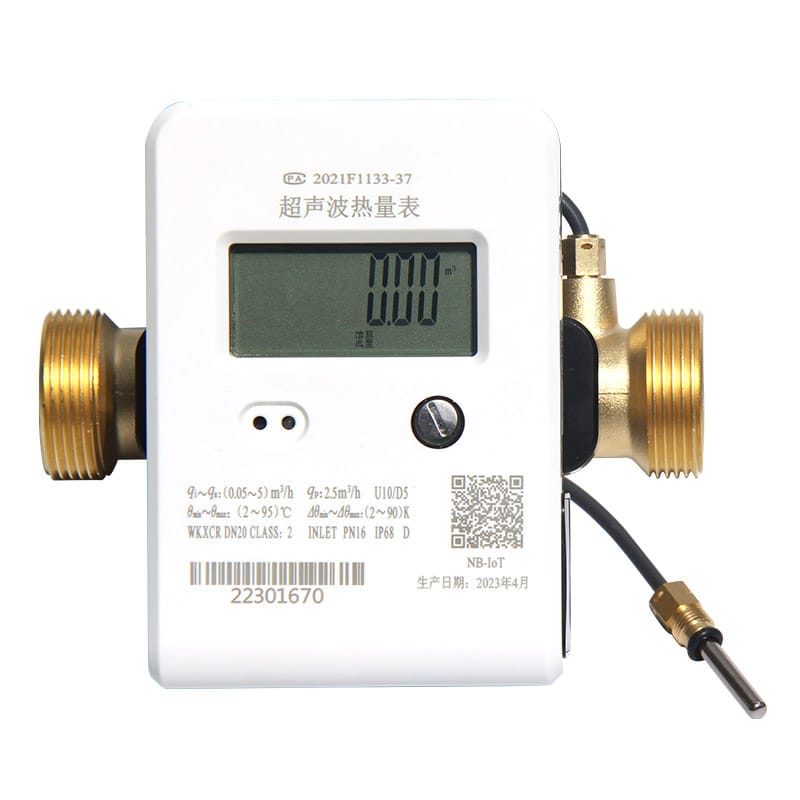
In most modern heating and cooling projects, one challenge keeps coming up: how to measure energy consumption in a way that is both fair and stable over time. Whether it’s a district heating network, a commercial HVAC system, or a multi-building energy platform, the measuring device behind the system quietly determines how reliable the whole setup actually is.
That is where the ultrasonic heat meter has gradually become the preferred choice. It replaces mechanical movement with acoustic measurement, reduces long-term drift, and fits naturally into today’s digital energy management systems.
From a manufacturing point of view, the real value of this product is not just the measurement method itself, but how consistently it performs after years of continuous operation in real pipeline conditions.
How Ultrasonic Heat Meters Actually Measure Energy (Without Overcomplicating It)
At the core, the idea is surprisingly simple.
Water moves through a pipeline. Two ultrasonic signals are sent through the water—one goes with the flow, the other against it. The difference in travel time tells us how fast the water is moving.
Once flow is known, the system only needs one more piece of information: temperature difference between the supply and return pipes. With those two values, the heat energy consumption can be calculated continuously.
What makes this method effective in real systems is not complexity, but stability:
- No moving mechanical parts to wear down
- No friction-based resistance in the pipeline
- Less sensitivity to impurities in water flow
This is also why ultrasonic technology has gradually replaced traditional mechanical measurement in many large-scale heating projects.
Why District Heating Systems Rely Heavily on Ultrasonic Measurement
If you look at modern urban heating networks, the requirements are quite strict. Energy must be distributed fairly across thousands of endpoints, often under very different load conditions.
In this environment, small measurement errors can turn into system-wide disputes.
Ultrasonic heat meters are widely used here because they handle:
- Variable flow conditions during seasonal changes
- Long-distance pipeline distribution
- Continuous operation without frequent maintenance shutdowns
- Integration with centralized monitoring platforms
In many smart heating systems, the meter is no longer just a measuring tool. It becomes a data source feeding the entire energy management structure.
What Really Matters in Manufacturing (And What Most Users Don’t See)
From the outside, most ultrasonic heat meters look similar. The difference shows up only after months or years of operation.
In production, several stages decide whether a meter will remain stable in real conditions:
First is sensor consistency. Ultrasonic transducers must maintain stable signal transmission even when water quality changes slightly.
Then comes calibration. Each unit needs to be tested under controlled flow conditions to ensure that time-difference measurement stays within a narrow tolerance range.
After that, signal processing becomes important. The internal algorithm must filter noise caused by bubbles, turbulence, or pressure fluctuation.
Finally, long-cycle testing is often what separates stable products from inconsistent ones. Devices are exposed to repeated flow changes before leaving production.
This is where manufacturing discipline matters more than design on paper.
Technical Structure in Real Applications (What Engineers Actually Care About)
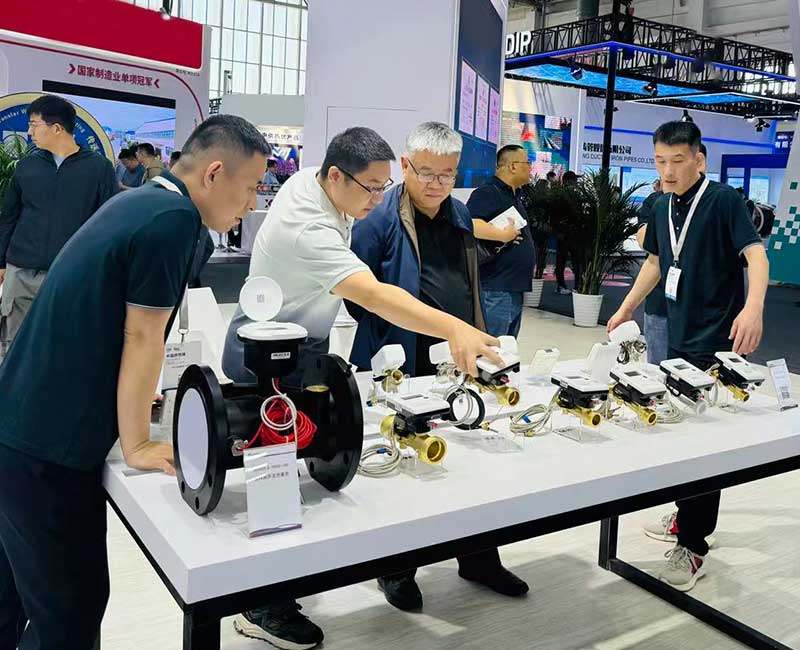
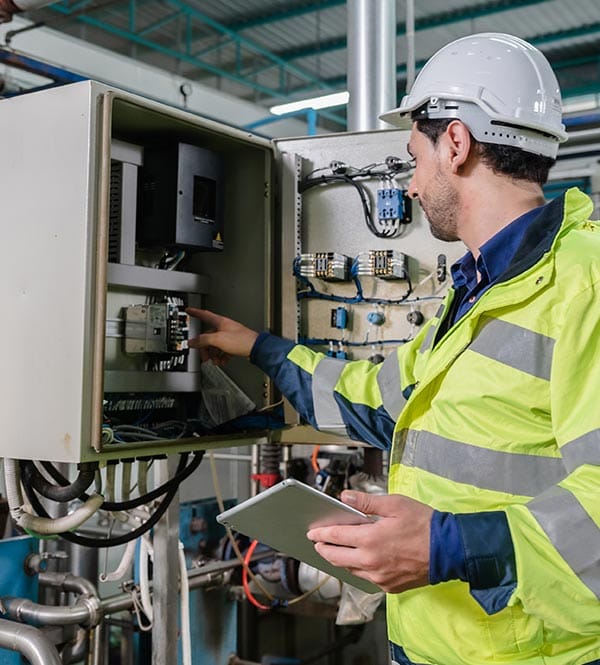
In real engineering projects, ultrasonic heat meters are selected based on practical compatibility rather than theoretical performance.
Key technical aspects usually include:
- Compatibility with different pipeline diameters used in HVAC and district systems
- Stable performance under both low and high flow conditions
- Communication interfaces that can connect with building management systems
- Long-term operation with minimal power consumption requirements
- Resistance to environmental and installation-related disturbances
In many modern buildings, the meter is also expected to support remote reading systems. This allows energy data to be collected without manual inspection, which is increasingly important in large facilities.
Installation Reality: Where Accuracy Is Usually Decided
One detail that is often underestimated is installation quality.
Even a well-designed ultrasonic heat meter can lose accuracy if installation conditions are ignored.
In real field applications, the most common issues come from:
- Insufficient straight pipe length before measurement point
- Air trapped in pipeline sections
- Incorrect sensor positioning in supply and return lines
- Turbulent flow caused by nearby valves or bends
Once installed correctly, however, the system usually requires very little maintenance compared to mechanical alternatives.
This low-maintenance behavior is one of the reasons ultrasonic technology has gained traction in long-term infrastructure projects.
Where Ultrasonic Heat Meters Are Being Used Today
The application scope has expanded far beyond traditional heating systems.
Typical use cases now include:
- Residential heating networks with centralized billing systems
- Commercial buildings with independent HVAC zoning
- Industrial facilities tracking process heat usage
- Hospitals and schools focusing on energy efficiency management
- Smart city energy platforms integrating multiple building systems
What connects all these applications is the same requirement: reliable data over long periods without constant recalibration.
Ultrasonic Vs Mechanical Measurement (A Practical Comparison)
Instead of focusing on specifications, it is more useful to look at how both systems behave in real operation.
Mechanical meters depend on moving parts. Over time, friction and deposits can influence performance. They also tend to respond less consistently in low-flow conditions.
Ultrasonic systems, by contrast, rely on signal transmission. Since there is no physical contact with moving parts, the measurement process remains more stable under changing conditions.
In practice, this difference becomes most visible in:
- Long-term stability of readings
- Performance under partial load conditions
- Maintenance frequency across system lifetime
- Compatibility with digital monitoring systems
This is why many new installations are now designed directly around ultrasonic technology instead of mechanical alternatives.
Choosing a Supplier: What Actually Affects System Reliability
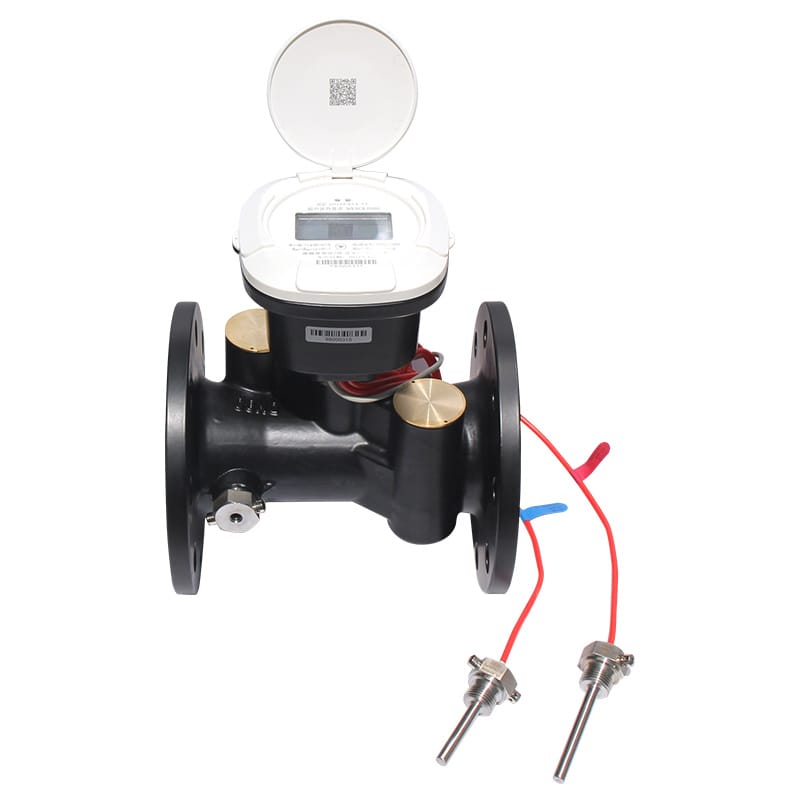
For most engineering projects, the choice of supplier has a direct impact on long-term system performance.
The key evaluation points are usually not marketing-related, but technical:
- Whether the manufacturer controls calibration internally
- How consistent the production process is across batches
- Whether testing simulates real hydraulic conditions
- Ability to support integration with existing systems
- Documentation quality for installation and maintenance teams
In large-scale projects, these factors often matter more than initial product specifications.
A stable supplier relationship usually reduces long-term operational uncertainty, especially in distributed heating systems.
Conclusion
Ultrasonic heat meters have moved from being an alternative technology to becoming a core component in modern energy measurement systems. Their value lies not only in measurement accuracy, but in how consistently they perform under real operating conditions across years of service.
From district heating networks to commercial HVAC systems, the shift toward ultrasonic technology reflects a broader trend: energy systems are becoming more data-driven, and measurement reliability is now a foundation of system design rather than a secondary consideration.
From a manufacturing standpoint, long-term performance is built through controlled calibration, stable sensor design, and consistent production standards. These factors ultimately determine whether a meter can maintain accuracy after installation in real-world environments.
FAQ
What is an ultrasonic heat meter used for?
An ultrasonic heat meter is used to measure thermal energy consumption in heating and cooling systems. It is commonly applied in district heating networks, HVAC systems, and building energy management systems to ensure accurate and fair energy billing.
How does an ultrasonic heat meter measure energy?
It measures energy by calculating the flow rate of water using ultrasonic signal transmission and combining it with the temperature difference between supply and return pipes. This allows the system to accurately determine total heat consumption.
Why are ultrasonic heat meters preferred over mechanical heat meters?
Ultrasonic heat meters have no moving parts, which reduces wear and maintenance issues. They also provide higher long-term stability, better accuracy in low flow conditions, and improved performance in modern smart energy systems.
Where are ultrasonic heat meters commonly installed?
They are widely installed in district heating systems, residential heating networks, commercial buildings, industrial facilities, and HVAC systems where precise energy measurement and monitoring are required.
What factors affect the accuracy of an ultrasonic heat meter?
Accuracy can be influenced by installation conditions, such as pipeline straight length, air bubbles in the system, sensor positioning, and flow disturbances caused by valves or bends near the meter.