Table of Contents
Why Compact Heat Meters Matter Today
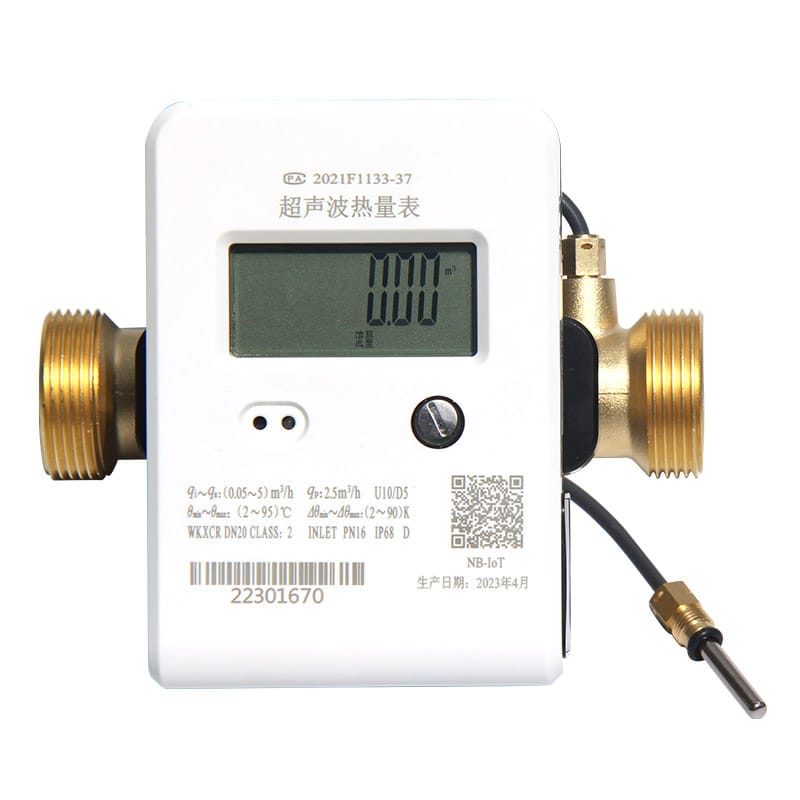
Accurate energy measurement is no longer optional—it’s essential. Compact heat meters are transforming how buildings monitor heating consumption. Unlike traditional meters, compact meters combine sensors, flow measurement, and temperature monitoring into a streamlined device.
Key benefits that draw attention from facility managers and building owners:
- Precise energy tracking for fair billing
- Space-saving installation in tight areas
- Smart monitoring options for data-driven decisions
Buildings equipped with these meters see measurable improvements in energy efficiency and operational insight. But with many types on the market, selecting the right one can feel overwhelming.
Understanding the Core Features
When choosing a compact heat meter, it’s helpful to think in terms of four pillars:
- Measurement Accuracy
High accuracy ensures that energy consumption is recorded fairly. This is especially crucial for multi-unit residential buildings or commercial complexes. - Flow and Temperature Capability
Not all meters are created equal—some excel at low-flow residential settings, while others handle higher demand in commercial or industrial buildings. - Durability and Compliance
The right meter should meet international standards and withstand long-term use, providing consistent readings over time. - Smart Integration
Advanced meters can connect to building management systems, enabling remote reading, predictive maintenance alerts, and energy analytics.
Tip: Choosing a meter without considering your building’s flow rate and temperature range can lead to inaccurate readings and reduced efficiency.
Different Types of Compact Heat Meters
Residential Meters: Perfect for single-family homes or small apartments. Compact design allows installation in limited spaces.
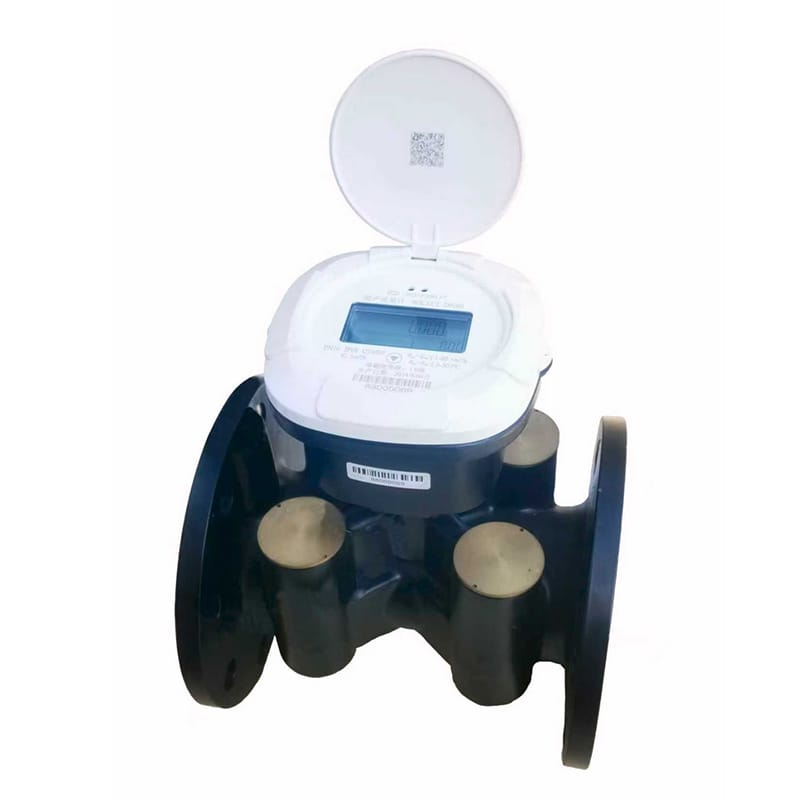
Commercial & Industrial Meters: Built for multi-unit facilities or large buildings. These meters are robust and designed for high flow and temperature ranges.
Smart Heat Meters: Modern meters that integrate IoT features. They provide detailed energy usage reports, detect anomalies, and support remote monitoring.
How to Make the Right Choice
Choosing a meter involves balancing technical requirements with long-term goals:
- Building Profile: Size, type, and usage pattern
- Flow Demands: Ensure the meter can handle peak heating loads
- Compliance: Look for meters meeting relevant standards
- Maintenance Needs: Easy calibration and monitoring help reduce operational errors
Quick Check: Before purchase, confirm that your meter supports the data collection or integration features you need.
Installation & Maintenance Insights
Even the best meter won’t perform well without proper installation:
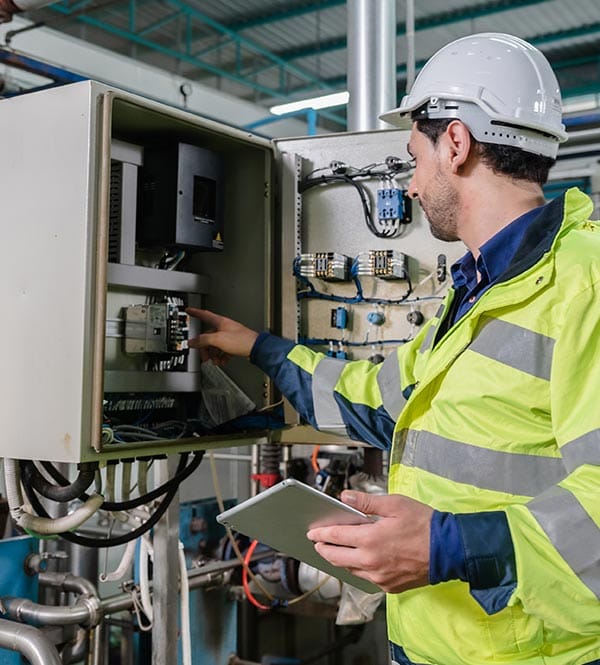
- Ensure sensors are correctly positioned to avoid measurement errors
- Keep piping free from obstructions
- Schedule regular maintenance and calibration
Pro Tip: Smart meters often provide automated alerts for maintenance or errors, which helps keep readings reliable without constant manual checks.
Advantages That Go Beyond Measurement

Compact heat meters offer more than just energy tracking:
- Energy Efficiency: Identify waste and optimize heating operations
- Accurate Billing: Prevent disputes between tenants or departments
- Operational Insights: Analyze data to make informed energy decisions
- Sustainability: Reduce energy waste and improve building environmental performance
Many building managers discover that a well-chosen heat meter quickly pays off in efficiency gains, without additional intervention.
Common Pitfalls to Avoid
Even with the right meter, mistakes can reduce effectiveness:
- Choosing a meter unsuited for building flow rates
- Ignoring proper installation procedures
- Skipping calibration or maintenance routines
- Overlooking advanced monitoring features that could enhance efficiency
Comparing Options Without Confusion
When evaluating models, consider:
- Accuracy at Different Flow Rates: Not every meter performs consistently across low and high flow
- Durability: Long-lasting materials reduce the risk of malfunction
- Integration Features: Check compatibility with building management or remote monitoring
- Installation Ease: Compact form should allow flexible placement without affecting measurement
Insider Tip: Take time to match meter specifications to your building’s actual needs, not just general recommendations.
Transforming Building Energy Management
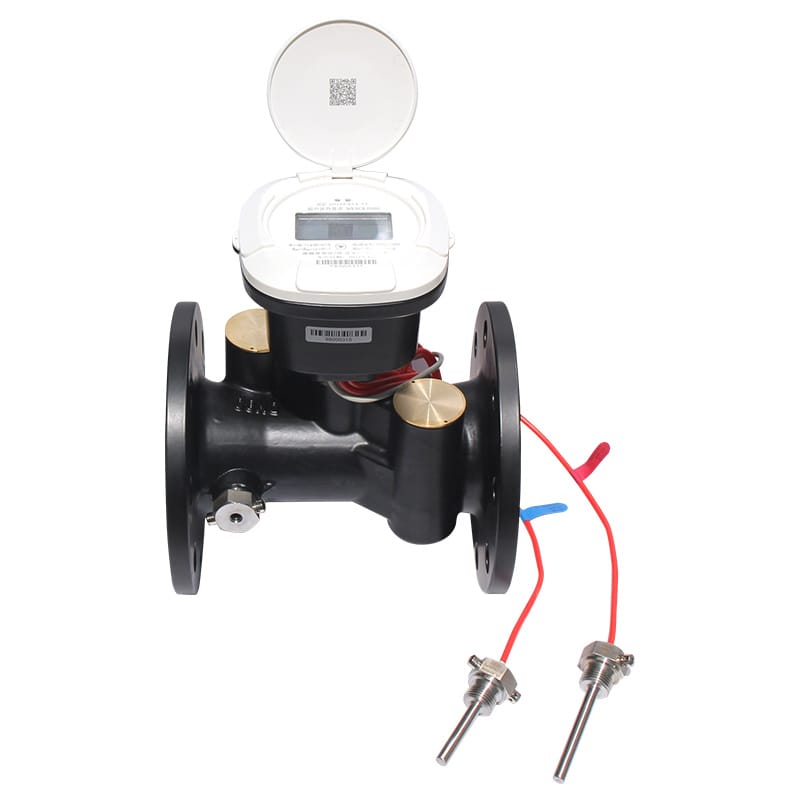
A well-chosen compact heat meter can revolutionize energy management:
- Track consumption in real time
- Improve billing transparency
- Support energy optimization strategies
- Integrate with smart building systems for predictive maintenance
Buildings that implement these meters often see reductions in energy waste, better cost allocation, and enhanced sustainability profiles.
Final Thoughts
Selecting the right compact heat meter isn’t just a technical choice—it’s an investment in operational efficiency, sustainability, and building intelligence.
Next Steps: Consult with experts or manufacturers to find a meter that fits your building’s specific needs. With proper installation and maintenance, a compact heat meter can unlock meaningful energy insights and cost-effective heating management.
Call to Action: Explore how compact heat meters can optimize your building’s energy usage and improve long-term efficiency. Start today and take control of your energy future.
FAQ
Q1: What is a compact heat meter?
A: A compact heat meter is a device that measures the energy used for heating in a building, combining sensors for flow and temperature in a small, streamlined design.
Q2: How do I choose the right compact heat meter for my building?
A: Consider your building type, flow rate, temperature range, compliance with standards, and whether you need smart features for remote monitoring.
Q3: Can compact heat meters improve energy efficiency?
A: Yes. By providing accurate consumption data, they help optimize heating systems, reduce energy waste, and support better cost allocation.
Q4: What maintenance is required for a compact heat meter?
A: Regular calibration, proper installation checks, and monitoring smart alerts are essential to maintain accurate readings and reliable performance.
Q5: Are compact heat meters suitable for both residential and commercial buildings?
A: Absolutely. Residential meters handle lower flows for apartments or homes, while commercial meters are designed for higher demands in larger buildings.