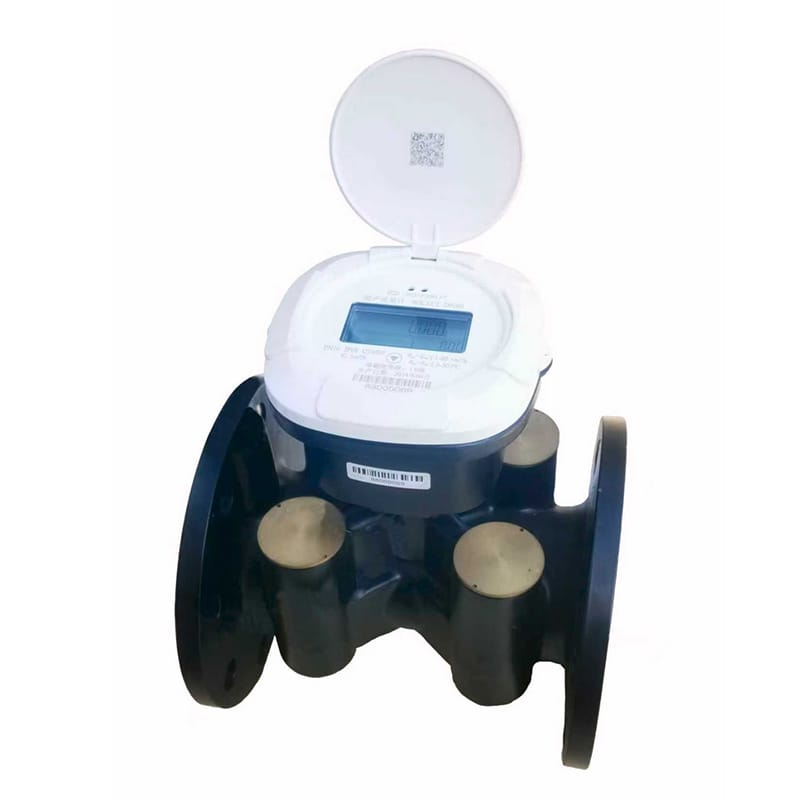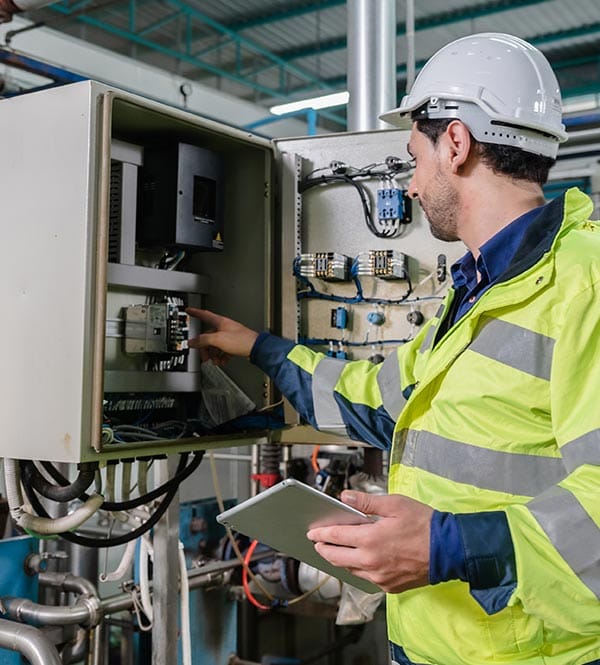
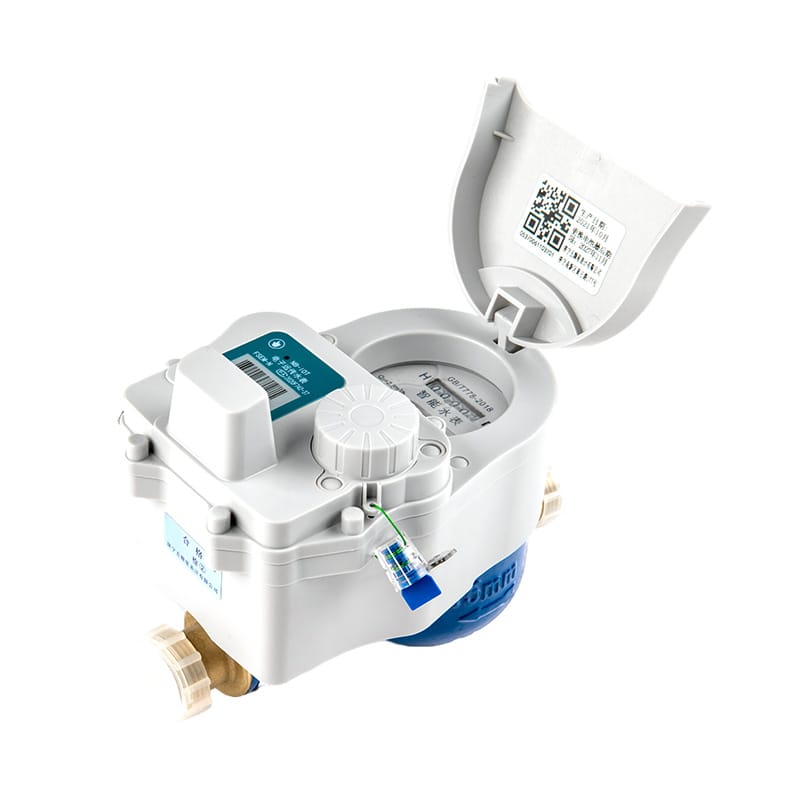
Modern water treatment faces increasing demands for efficiency, stability, and compliance. In this context, electrical control valves have emerged as critical components, helping plants manage water flow, maintain system stability, and achieve consistent output quality.
From municipal facilities to industrial wastewater operations, these valves are no longer just mechanical devices—they are central to smart, automated water management.
Table of Contents
Why Electrical Control Valves Matter in Water Treatment
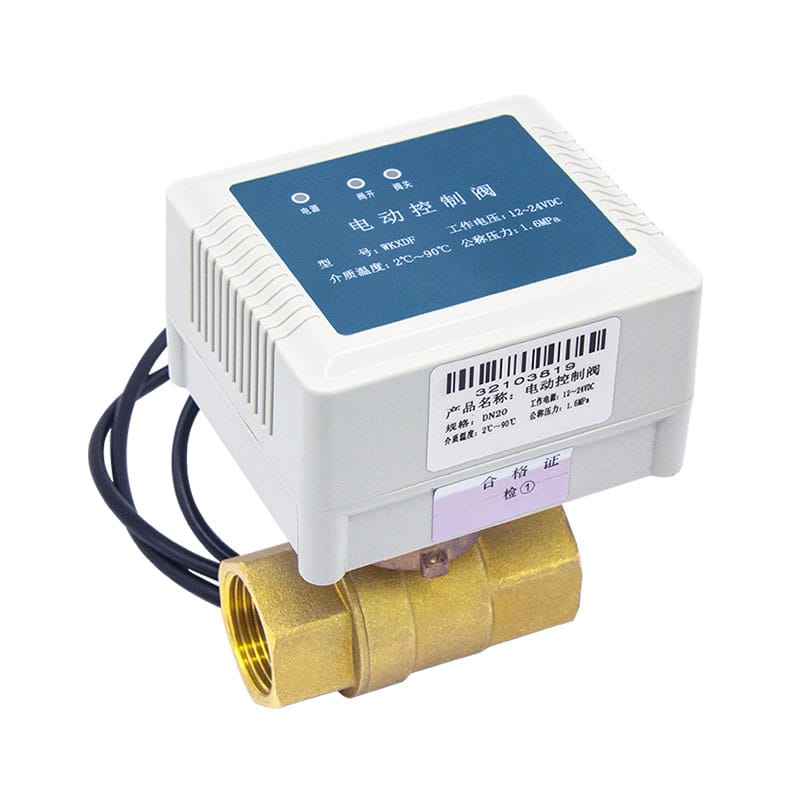
Electrical control valves regulate flow and pressure through electric actuators, responding in real time to control signals from PLCs, SCADA systems, or sensors. Unlike manual valves, they offer:
- Precision: Minute adjustments to flow and pressure
- Automation: Integration with control systems for centralized monitoring
- Consistency: Stable operation even under varying conditions
In essence, they transform water treatment from a reactive process into a proactive, controllable system.
Types of Electrical Control Valves and Their Applications
Different stages of water treatment require valves suited to specific tasks. The main types include:
- On-Off Valves: Ideal for isolation or emergency shutoff points.
- Modulating Valves: Continuously adjust flow rates, perfect for chemical dosing or filtration balance.
- Motor-Operated Valves: Handle larger pipelines and high-torque applications.
- Corrosion-Resistant Designs: Essential for aggressive water environments or chemical treatment.
- Smart Valves: Equipped with sensors and controllers for predictive adjustments and remote monitoring.
Selecting the right valve type is critical to ensure both performance and durability.
Controlling Flow and Pressure with Precision
Flow instability can compromise filtration efficiency, chemical balance, and pump longevity. Electrical control valves address these issues by:
- Maintaining steady pressure and flow rates
- Reducing water loss
- Improving filtration cycles
- Preventing pump overload or cavitation
By responding instantly to sensor feedback, these valves ensure systems operate smoothly without constant manual oversight.
Integration with Modern Automation Systems
One of the strongest advantages of electrical control valves is their ability to integrate with industrial automation systems. Benefits include:
- Remote operation and real-time monitoring
- Automatic adjustment based on sensor input
- Centralized control through SCADA or PLC systems
- Data collection for predictive maintenance
For example, a turbidity sensor detecting increased particle concentration can trigger a modulating valve to adjust filtration speed automatically. This integration reduces human error and increases operational reliability.
Operational Benefits Beyond Flow Control
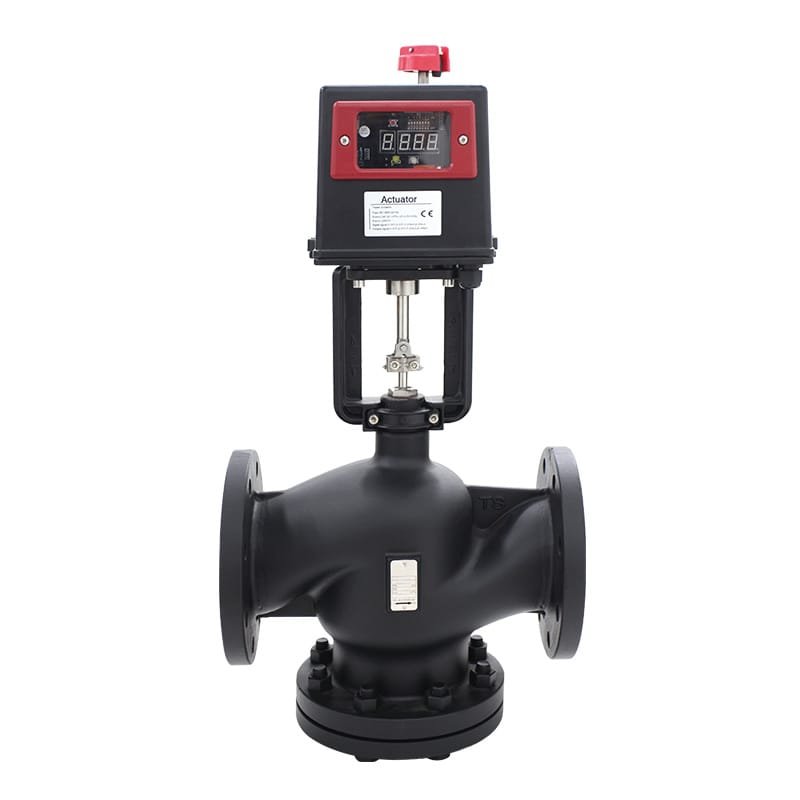
Using electrical control valves in water treatment offers more than just flow regulation:
- Efficiency Gains: Optimized pump load and chemical dosing reduce energy use.
- Sustainability: Less water and chemical waste contributes to eco-friendly operations.
- Reliability: Continuous adjustments prevent system stress and extend equipment life.
- Compliance Support: Helps facilities meet strict environmental and safety standards.
These benefits make them an indispensable part of both municipal and industrial systems.
Common Challenges and How to Overcome Them
Even with high-quality valves, operators face challenges:
- Corrosion: Aggressive water or chemicals can damage internal components. Using corrosion-resistant materials mitigates this risk.
- Scaling: Mineral buildup affects valve movement. Periodic cleaning and flow optimization help prevent blockage.
- Calibration Issues: Inaccurate actuation can lead to pressure or flow inconsistencies. Regular system calibration ensures accurate response.
- Response Delays: Feedback loops in smart valves reduce lag, ensuring real-time operation.
Manufacturers design solutions to minimize these issues, improving reliability and system performance.
How to Choose the Right Valve for Your System
Selecting the correct electrical control valve requires considering:
- Flow rate and pressure requirements
- Water or fluid composition
- Valve material and actuator type
- Compatibility with control and automation systems
- Maintenance accessibility and long-term durability
High-quality industrial valves are often tailored for each facility, ensuring optimal performance and minimal downtime.
Real-World Applications
Electrical control valves are widely used across water treatment operations:
- Municipal water purification plants
- Industrial wastewater recycling systems
- Cooling water distribution networks
- Chemical treatment and filtration systems
In each scenario, the goal is consistent: precise control, automation, and operational efficiency.
Maintenance for Longevity
Proactive maintenance extends the life and reliability of electrical control valves:
- Regular inspection of actuator and valve components
- Calibration checks to maintain flow accuracy
- Cleaning internal pathways to prevent scaling
- Monitoring system feedback for early detection of issues
Well-maintained valves reduce downtime and protect overall system integrity.
The Future of Electrical Control Valves in Water Treatment
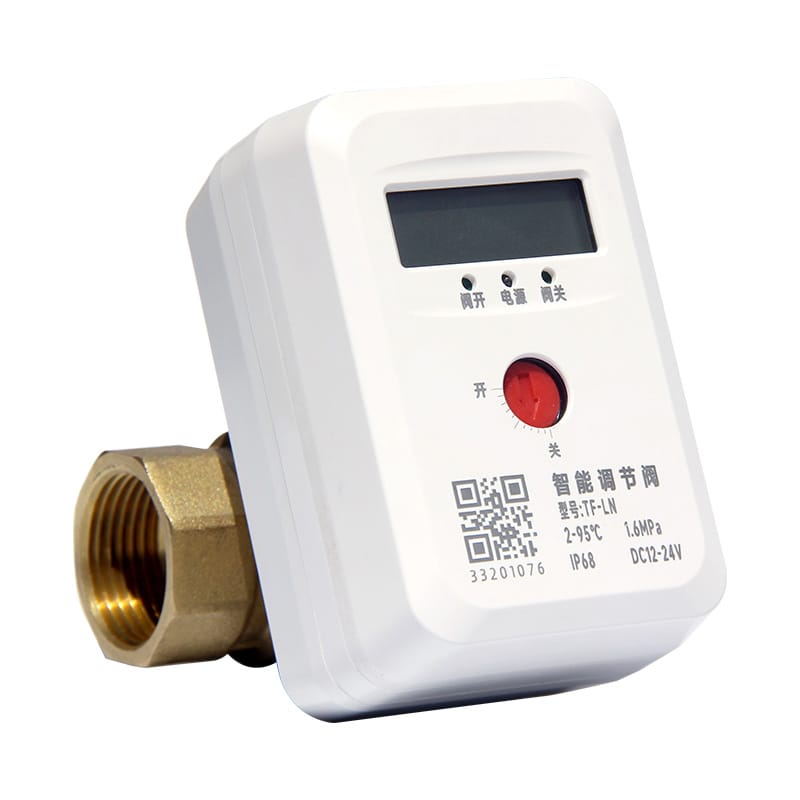
Automation, smart controls, and energy efficiency will continue shaping water treatment technology. Trends include:
- IoT-enabled valves for predictive operation
- AI-driven system optimization
- Fully automated water treatment plants
- Energy-conscious flow control solutions
Electrical control valves remain at the core of these innovations, providing reliability and precision that operators depend on.
Conclusion
Electrical control valves are more than just flow regulators—they are essential tools for improving water treatment efficiency, reliability, and automation. Their ability to integrate with control systems, maintain precision, and support sustainable operations makes them indispensable in modern water infrastructure.
For water treatment facilities looking to enhance operational performance, choosing the right electrical control valves is a strategic step toward smarter, more efficient, and more reliable systems.
FAQ
Q1: What is an electrical control valve?
A: An electrical control valve is a flow regulation device operated by an electric actuator, allowing precise control of water or fluid flow and pressure in automated systems.
Q2: How do electrical control valves benefit water treatment systems?
A: They optimize flow and pressure, improve filtration efficiency, reduce energy consumption, and integrate seamlessly with automation systems for reliable operation.
Q3: What types of electrical control valves are commonly used in water treatment?
A: Common types include on-off valves, modulating valves, motor-operated valves, corrosion-resistant valves, and smart IoT-enabled control valves.
Q4: How are electrical control valves integrated into automation systems?
A: They connect with PLCs or SCADA systems, allowing remote monitoring, real-time adjustments, and predictive maintenance to enhance system performance.
Q5: What maintenance practices ensure long-term performance of electrical control valves?
A: Regular inspection, calibration checks, cleaning internal pathways, and monitoring system feedback help prevent malfunctions and extend valve lifespan.