Table of Contents
Introduction
Water utilities, property managers, and smart community operators are moving away from manual meter reading. The reason is simple: manual reading is slow, labor-intensive, and often unable to detect abnormal water use in time. For projects with many users, scattered meters, or difficult installation environments, a connected meter can make daily operation much easier.
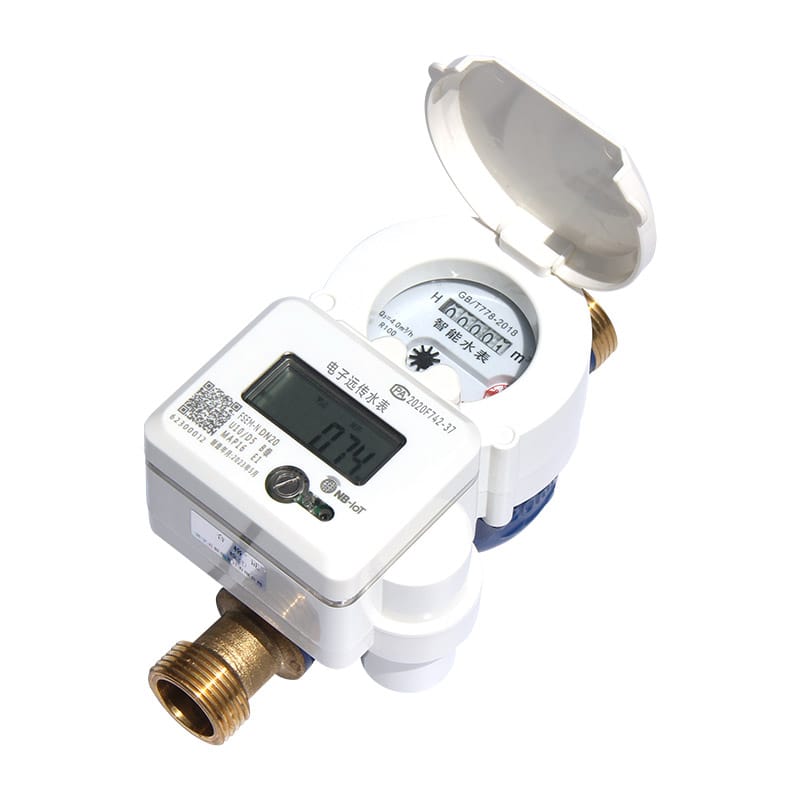
An NB-IoT valve controlled water meter combines water consumption measurement, wireless data transmission, and remote valve control. It helps operators collect readings, manage accounts, detect abnormal usage, and control water service from a centralized platform.
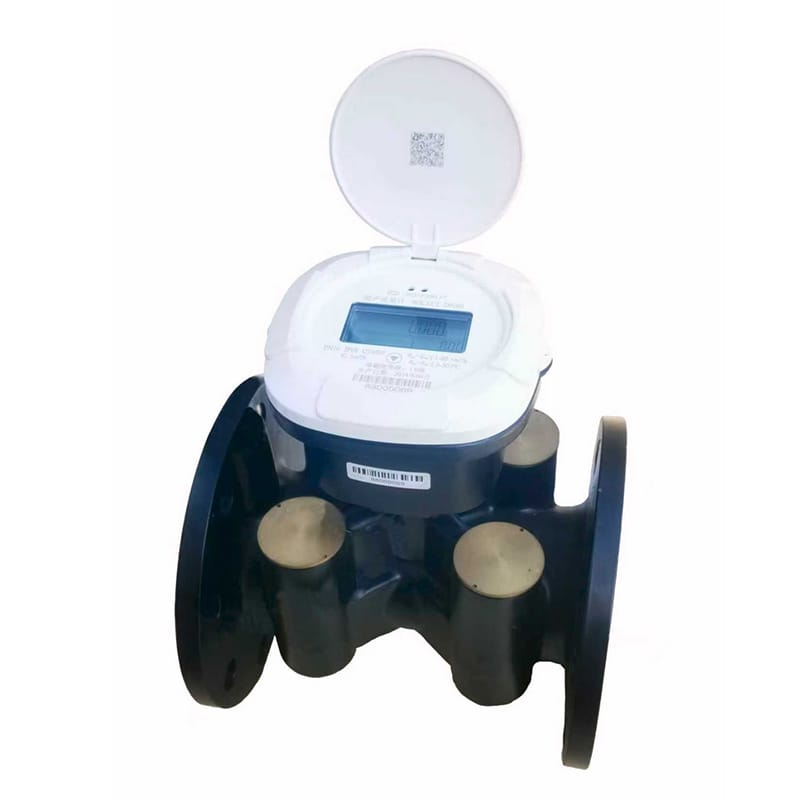
Dingjia provides smart water metering products for residential, commercial, and utility projects, including the NB-IoT electronic remote valve controlled water meter, ultrasonic water meter, and other water meter solutions.
What Is an NB-IoT Valve Controlled Water Meter?
An NB-IoT valve controlled water meter is a smart water meter that uses NB-IoT communication to upload meter data remotely. It also includes an internal valve or valve control structure that allows authorized operators to open or close water service through a management system.
NB-IoT stands for Narrowband Internet of Things. It is designed for wide-area, low-power IoT communication. This makes it useful for water meters installed in pipe wells, basements, outdoor cabinets, and residential meter boxes. You can learn more from this general Narrowband IoT overview.
A typical NB-IoT valve controlled water meter can support:
Remote meter reading
Remote valve opening and closing
Consumption data storage
Low battery consumption
Abnormal usage alerts
Water account management
Digital billing support
For modern water service projects, this type of meter is more than a measuring device. It becomes a field data terminal for smart water management.
How It Works in a Smart Water System
The meter records water consumption and sends data to a platform through NB-IoT communication. The platform receives readings, organizes user accounts, displays consumption history, and supports remote operation.
Measurement
The meter measures water consumption through its metering structure. Depending on the product design, it may use electronic, photoelectric, ultrasonic, or mechanical measurement methods.
Communication
The built-in NB-IoT module uploads data to the management platform. Because NB-IoT is designed for wide-area IoT applications, it is suitable for projects where users are distributed across different buildings or locations.
Valve Control
The valve control function allows the operator to remotely open or close the water supply. This is useful for prepaid management, emergency shutoff, account control, and maintenance coordination.
Platform Management
The management platform stores user data, reading records, valve status, alarm information, and reports. This helps operators manage many meters from one system.
1. It Reduces Manual Meter Reading Work
Manual reading requires workers to visit every meter location. This can be difficult when meters are installed in locked rooms, underground boxes, basements, or scattered rural areas.
An NB-IoT valve controlled water meter can upload readings automatically. This reduces site visits and helps operators collect data more regularly.
For property managers, this means fewer disputes caused by missed readings. For utilities, it means better efficiency when managing large numbers of users.
2. It Supports More Accurate Billing Records
Water billing depends on reliable consumption data. If readings are delayed, estimated, or entered manually, errors may happen.
With remote reading, meter data can be collected digitally and stored in the platform. This creates a clearer data record for billing and user management.
The U.S. EPA discusses how advanced metering infrastructure can provide more frequent water use data and help identify leaks earlier. For water service projects, this kind of digital data foundation is important for long-term management.
3. It Helps Detect Abnormal Water Use Earlier
A smart meter can help operators notice abnormal consumption patterns. For example, continuous low flow may suggest a leak. Sudden high usage may suggest pipe damage, abnormal user behavior, or equipment failure.
An NB-IoT valve controlled water meter can support abnormal data monitoring when connected to a suitable platform.
Common warning patterns include:
Continuous flow during low-use hours
Unusual daily consumption increase
Long periods of unexpected water use
Meter fault alerts
Valve status abnormality
This does not replace field inspection, but it helps operators know where to check first.
4. It Improves Non-Revenue Water Management
Non-revenue water is water that enters the supply system but does not generate billed revenue. It may be caused by leakage, inaccurate metering, unauthorized use, or data management problems.
The World Bank explains the importance of reducing non-revenue water for improving water service efficiency and utility performance.
An NB-IoT valve controlled water meter helps by improving user-side data visibility. When user consumption data is collected more frequently, operators can compare supply-side and user-side records more effectively.
This is useful for:
Residential communities
Rural water supply systems
Urban utility networks
Commercial property water management
Industrial park water allocation
Better data does not solve every leakage problem, but it gives operators a stronger starting point.
5. It Enables Remote Valve Control
Remote valve control is one of the biggest advantages of this meter type.
With authorized platform operation, the valve can be opened or closed remotely. This can help with account management, maintenance, emergency response, and prepaid water service.
Typical use cases include:
Remote closing for maintenance
Remote opening after service approval
Emergency shutoff during abnormal events
Prepaid water control
Account status management
For large water service projects, remote valve control can reduce repeated field visits and improve response speed.
6. It Supports Prepaid Water Management
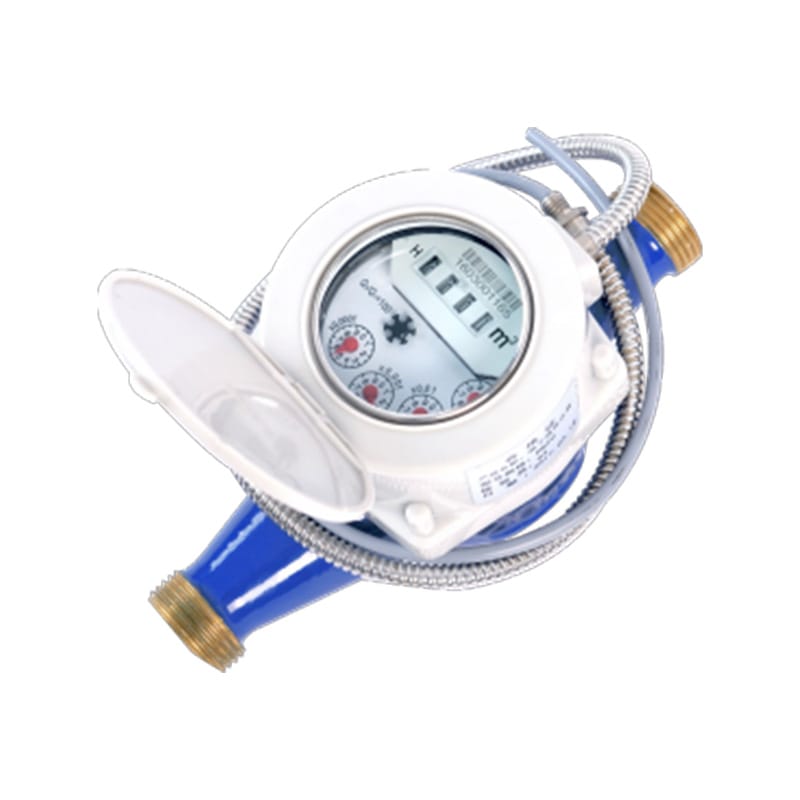
In some projects, prepaid water service is required. A valve controlled meter can support this model by connecting consumption data, account balance, and valve status.
When the system is configured for prepaid operation, the platform can manage water usage according to account rules. This is useful in residential communities, rental properties, rural water supply, and managed utility projects.
However, prepaid functions must follow local regulations, user agreements, and project policies. The meter provides the technical function, while the operating rules should be clearly defined by the utility or project owner.
7. It Works Well for Distributed Meter Locations
Some water meters are not installed in convenient central rooms. They may be scattered across different buildings, villages, outdoor boxes, or underground chambers.
In these cases, wiring may be difficult. NB-IoT communication can reduce the need for local wiring or gateway-based networks.
This makes NB-IoT valve controlled water meters suitable for:
Rural water supply
Residential compounds
Smart communities
Scattered commercial users
Utility retrofit projects
Outdoor meter box installations
For larger pipeline monitoring projects, Dingjia also provides the pipeline network ultrasonic water meter for network-level measurement and remote data applications.
8. It Improves Water Service Transparency
Users often want clearer water usage records. Operators also need traceable data when handling billing questions.
A smart water meter system can provide historical consumption records, monthly data, valve operation logs, and alarm records. This helps create a more transparent water service process.
| Management Need | How the Meter Helps |
|---|---|
| Monthly billing | Provides digital reading records |
| User dispute handling | Supports historical consumption review |
| Leak response | Shows abnormal usage patterns |
| Account control | Supports remote valve operation |
| Maintenance planning | Provides meter status and alarm data |
| Water loss analysis | Improves user-side data visibility |
This transparency can improve trust between water service providers and users.
9. It Provides a Foundation for Smart Water Platforms
An NB-IoT valve controlled water meter becomes more valuable when used as part of a complete smart water platform.
The platform can organize meter data by user, building, zone, community, or pipeline section. Operators can view data trends, export reports, monitor alarms, and manage valve status.
For smart city and utility projects, this creates a foundation for digital water operation. The meter becomes the field layer, while the platform becomes the management layer.
Buyers can review Dingjia’s full smart metering product range to match different water and heat metering requirements.
NB-IoT Valve Controlled Water Meter vs Ordinary Remote Water Meter
Not every remote water meter includes valve control. Some meters only support data reading, while others support both reading and control.
| Comparison Point | NB-IoT Valve Controlled Water Meter | Ordinary Remote Water Meter |
| Remote reading | Yes | Yes |
| Remote valve control | Yes | Usually no |
| Account management | Stronger | Limited |
| Prepaid support | Suitable when platform supports it | Usually limited |
| Emergency shutoff | Available | Usually not available |
| Best application | Smart water service, prepaid projects, utility management | Basic remote reading projects |
For projects that only need readings, a standard remote water meter may be enough. For projects that need both data and water service control, a valve controlled model is more suitable.
Key Selection Factors Before Ordering
Choosing an NB-IoT valve controlled water meter should be based on project conditions, not only product appearance.
Pipe Diameter
Confirm the required DN size and connection method. The meter must fit the actual pipeline design.
Flow Range
Check minimum flow, normal flow, and maximum flow. The meter should match real usage conditions.
Communication Coverage
NB-IoT signal coverage should be tested in real installation locations, especially basements, underground boxes, and metal cabinets.
Protection Level
Water meters are often installed in humid or harsh environments. A strong protection design helps improve long-term reliability.
Battery Life
Battery life depends on communication frequency, signal quality, and power design. Buyers should confirm the expected operating period and maintenance method.
Valve Reliability
The valve should open and close reliably. For valve controlled models, valve durability and fault protection are important.
Platform Compatibility
The meter should match the project’s reading platform, billing system, and data management requirements.
Common Mistakes to Avoid
Many smart water meter projects face problems because the selection process focuses only on one feature.
Choosing Only by Communication Type
NB-IoT is useful, but communication alone is not enough. Meter accuracy, valve quality, battery life, sealing, and platform compatibility must also be checked.
Ignoring Installation Environment
Basements, underground boxes, and outdoor cabinets may affect signal quality and device protection. Field testing is important.
Overlooking Valve Control Rules
Remote valve control should be managed carefully. Operators should define who can operate the valve, when it can be used, and how records are stored.
Not Planning Data Management
Remote meters generate data. The platform must organize that data into useful records, alarms, and reports.
Skipping Pilot Testing
For large projects, sample testing helps confirm communication, installation, platform connection, and user management workflow before batch deployment.
When This Meter Is the Right Choice
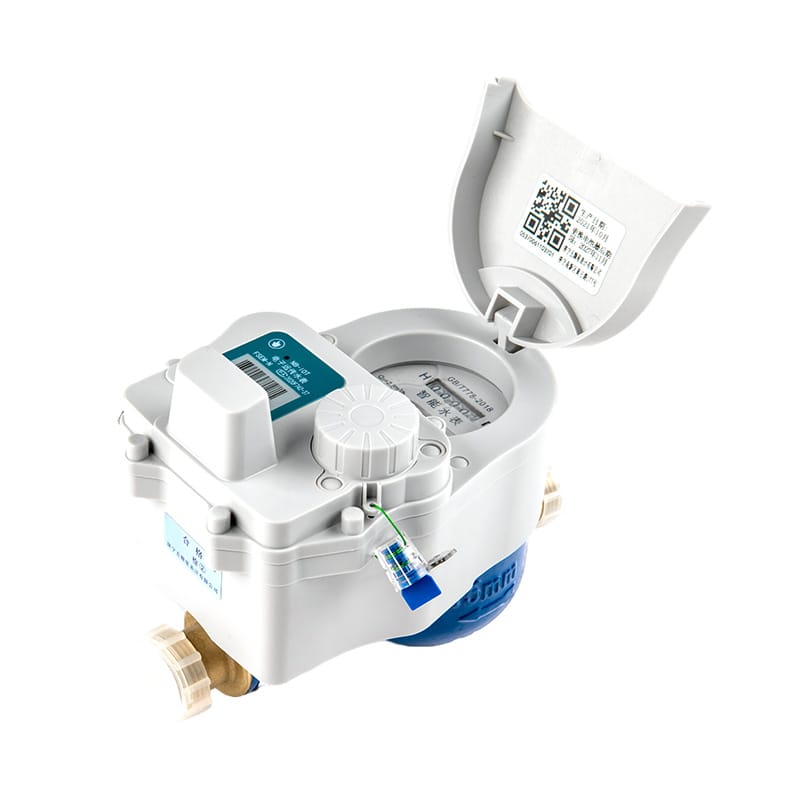
An NB-IoT valve controlled water meter is suitable when the project requires more than basic reading.
It is a strong choice for:
Smart water management projects
Residential community metering
Rural water supply systems
Prepaid water service
Remote account management
Scattered meter locations
Utility AMI upgrades
Property water management
For projects that only need high-precision measurement without valve control, an ultrasonic water meter may be more suitable. For projects that require remote reading plus account control, the NB-IoT electronic remote valve controlled water meter is a better fit.
Supplier Capability Matters
A smart water meter project depends on both product quality and technical support. A reliable supplier should help confirm product model, communication method, installation environment, and platform requirements.
Dingjia focuses on smart metering instruments and system solutions, covering water meters, heat meters, flow meters, valves, and accessories. For project selection support, buyers can use the contact page to discuss pipe size, communication needs, valve control requirements, and application scenarios.
FAQ
What is an NB-IoT valve controlled water meter?
An NB-IoT valve controlled water meter is a smart water meter that supports remote data transmission through NB-IoT and allows authorized remote valve opening or closing through a management platform.
Where is this meter commonly used?
It is commonly used in residential communities, rural water supply, smart water projects, prepaid water management, and utility remote reading systems.
Can the valve be controlled remotely?
Yes. The valve can be opened or closed remotely when the meter is connected to a suitable platform and the operator has authorization.
Does it help detect leaks?
It can help identify possible leakage by monitoring abnormal consumption patterns, continuous flow, or unusual water use. Final inspection should still be done on site.
Is NB-IoT suitable for underground meter boxes?
NB-IoT can be suitable, but signal testing should be done in the real installation environment before large-scale deployment.
Conclusion
An NB-IoT valve controlled water meter is a practical solution for water projects that need remote reading, digital billing records, abnormal usage monitoring, and remote valve management.
For utilities, it helps reduce manual reading work and improve user-side data visibility. For property managers, it supports centralized water management and clearer billing records. For rural and scattered water supply projects, it reduces the difficulty of field reading and service control.
The key is to choose the meter according to real project conditions. Pipe diameter, flow range, signal coverage, protection level, battery life, valve reliability, and platform compatibility should all be confirmed before deployment.
Dingjia provides smart water metering products for residential, commercial, and utility projects. To choose the right model, visit the water meter solutions page or contact Dingjia for technical support.