
Manual meter reading is becoming less practical for modern utility projects. Water companies, heating operators, property managers, and smart city contractors need faster data collection, fewer site visits, better billing records, and earlier abnormal consumption detection. A remote meter reading system helps solve these problems by turning individual meters into connected data points.
For buyers, the value is not only “remote reading.” A well-planned remote meter reading system can support billing accuracy, energy and water loss analysis, user account management, valve control, maintenance planning, and long-term smart utility operation.
Dingjia provides smart metering products for water and heat applications, including smart water meter solutions, heat meter solutions, and complete smart metering products for residential, commercial, industrial, and utility projects.
Table of Contents
Why Remote Meter Reading Systems Are Becoming Essential
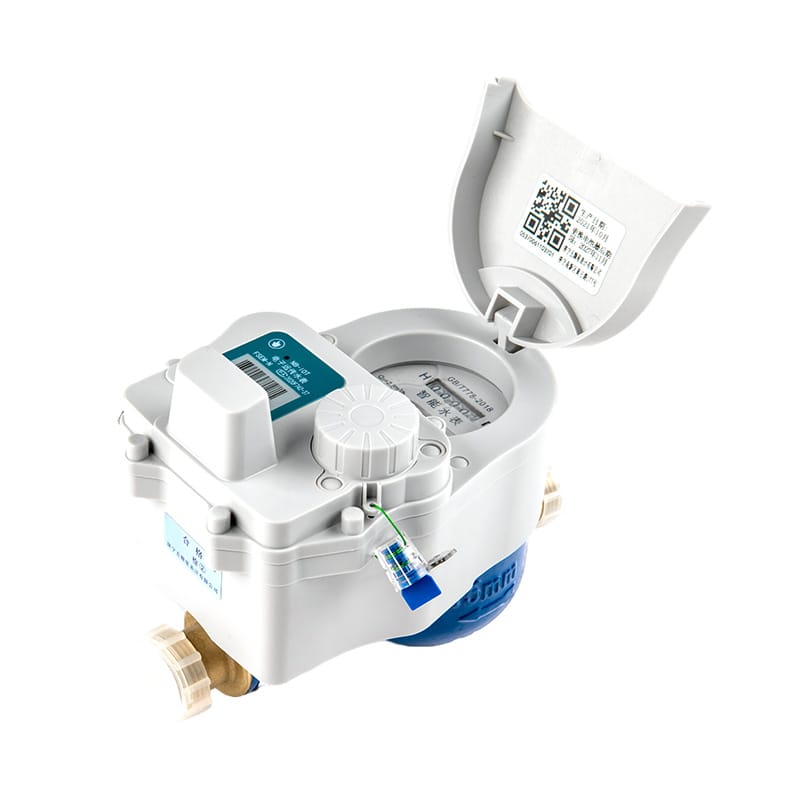
Traditional meter reading often depends on workers visiting each meter location. This creates several challenges: high labor demand, delayed data, reading errors, difficult access, and slow response to leaks or abnormal heating consumption.
A remote meter reading system changes this workflow. Instead of collecting data manually, meters send readings to a platform through wired or wireless communication. Operators can then review consumption data, generate reports, detect abnormal patterns, and manage users from a central system.
For water utilities, remote reading can help identify possible leakage and reduce manual workload. For heating companies, it supports consumption-based billing and building-level energy analysis. For property managers, it makes apartment and commercial building utility management more transparent.
The U.S. EPA also highlights that advanced metering infrastructure can provide more frequent water usage data and help identify leaks earlier, which is why remote metering is becoming a key part of modern water management.
What Is a Remote Meter Reading System?
A remote meter reading system is a digital utility management solution that collects meter data automatically and sends it to a central platform. It can be used for water meters, heat meters, gas meters, electricity meters, and other measuring devices.
In water and heat metering projects, the system usually includes:
Smart meters
Communication modules
Data concentrators or gateways
Cloud or local management platform
Billing or reporting software
Alarm and data analysis functions
The meter measures consumption. The communication module sends data. The platform stores and displays information. Together, these parts help utilities and property managers move from manual reading to digital operation.
How a Remote Meter Reading System Works
The working process is simple in concept, but each step must be reliable for the system to perform well.
First, the meter records water flow, heat consumption, or other usage data. Then, the communication module transmits the reading through a selected network. The platform receives the data and organizes it into user accounts, buildings, zones, or pipeline sections. Operators can then use the platform for billing, monitoring, maintenance, and decision-making.
Meter Data Collection
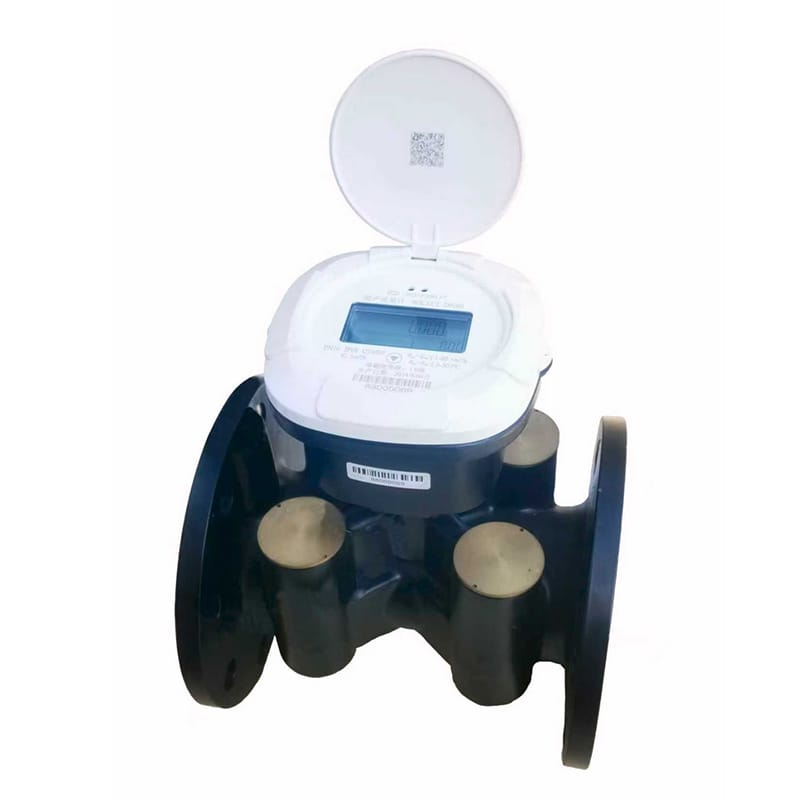
The system starts with accurate field meters. For water projects, this may include an ultrasonic water meter or an NB-IoT valve controlled water meter. For heating projects, it may include a household ultrasonic heat meter or a pipeline network heat meter.
Data Transmission
Meter data can be transmitted through wired or wireless communication. The right method depends on installation environment, project scale, network coverage, power supply, and platform requirements.
Platform Management
The platform displays meter readings, historical data, alarm information, user records, and reports. In advanced projects, the platform may also support valve control, abnormal usage alerts, and integration with billing systems.
Main Communication Options for Remote Meter Reading
Communication method is one of the most important decisions in a remote meter reading project. The best option depends on distance, building structure, cost of wiring, power consumption, and data frequency.
M-Bus
M-Bus is commonly used in building-level metering systems. It is suitable for wired reading of multiple meters in apartments, commercial buildings, and heating projects. It provides stable communication when wiring is practical.
RS485
RS485 is often used in industrial and engineering environments. It is suitable for reliable wired communication and can connect multiple devices over a bus structure.
LoRa
LoRa is useful for low-power wireless meter reading over longer distances. It is often selected for residential communities, industrial parks, rural water supply, and projects where wiring is difficult.
NB-IoT
NB-IoT is suitable for wide-area remote reading. It is useful for scattered users, municipal water projects, smart communities, and locations where local gateways are not preferred. You can learn more about the technology from the NB-IoT overview.
Infrared and Local Reading
Infrared reading is often used for maintenance, testing, and local data access. It is not usually the main method for large remote reading projects, but it is useful as a support function.
Remote Meter Reading for Water Management
Water metering is one of the most common applications for remote meter reading systems. Water meters are often installed in basements, pipe wells, outdoor boxes, underground chambers, or scattered rural locations. Manual reading can be difficult and inefficient.
A remote reading water meter system helps operators:
Collect readings automatically
Reduce manual reading errors
Detect abnormal consumption
Support user billing
Improve water loss analysis
Manage account status
Plan maintenance more effectively
For residential and commercial projects, Dingjia’s remote valve controlled water meter can support remote reading and valve management. For larger pipeline applications, the pipeline network ultrasonic water meter is suitable for network-level monitoring and data collection.
Remote Meter Reading for Heat Metering
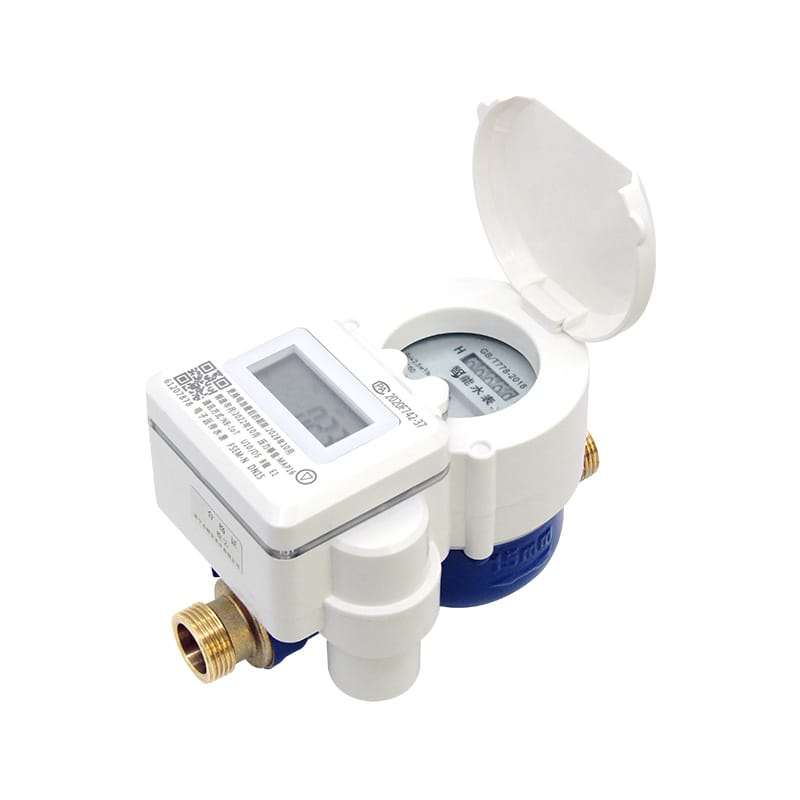
Heat metering has different requirements from water metering because heat consumption depends on both flow and temperature difference. A heat meter must measure flow, supply temperature, return temperature, and thermal energy.
A remote meter reading system for heat meters helps heating companies and property managers:
Read meters without entering user homes
Support consumption-based billing
Compare building-level heat usage
Identify abnormal heating patterns
Monitor heating network performance
Improve energy management
For apartment-level heating billing, a household ultrasonic heat meter is suitable for individual user measurement. For district heating networks, larger pipeline heat meters can support building entrance metering, branch monitoring, and heating system management.
Key Features Buyers Should Look For
Not every remote meter reading system is the same. Buyers should evaluate the full solution, not only the meter body.
| Feature | Why It Matters |
|---|---|
| Accurate metering | Supports fair billing and reliable data |
| Stable communication | Reduces missing readings and maintenance work |
| Data storage | Protects records during communication interruption |
| Alarm function | Helps identify leaks, abnormal flow, or meter faults |
| Platform compatibility | Supports billing, reporting, and management integration |
| Low power design | Extends battery life for wireless meters |
| IP protection | Improves reliability in wet or harsh environments |
| Remote valve control | Supports account management and emergency response |
| Historical reports | Helps utilities analyze long-term consumption trends |
A good system should provide stable data, not just occasional readings. For utility projects, missing data can create billing delays and management uncertainty.
How Remote Meter Reading Helps Reduce Water and Energy Loss
Remote reading does not repair a pipe or adjust a heating system by itself. Its value comes from making problems visible earlier.
In water systems, continuous or abnormal low-flow usage may indicate leakage. In heating systems, unusual consumption patterns may indicate poor insulation, control problems, user-side issues, or hydraulic imbalance.
With regular data upload, operators can compare consumption between users, buildings, zones, or time periods. This helps identify where water or heat may be wasted.
Remote meter reading can support:
Leakage analysis
Night flow monitoring
Building consumption comparison
User behavior analysis
Heating efficiency review
Abnormal flow alerts
Maintenance prioritization
The World Bank’s discussion of non-revenue water shows why better water data matters for utilities. A remote meter reading system provides the field data foundation needed for this kind of management.
Deployment Checklist for Utility Projects
Before deploying a remote meter reading system, buyers should prepare project information carefully. This helps avoid product mismatch and communication problems.
Confirm the Application Scenario
A residential apartment project, municipal water network, commercial building, and district heating system may require different meters and communication methods.
Check Installation Environment
Meters may be installed indoors, outdoors, underground, in humid pipe wells, or in areas with poor signal coverage. Protection level and communication choice should match the site.
Test Communication Before Batch Installation
Wireless communication should be tested in real installation locations before large-scale deployment. Basements, metal cabinets, thick walls, and underground chambers may affect signal strength.
Define Data Upload Frequency
More frequent uploads provide better visibility but may increase power consumption. Buyers should balance data needs with battery life.
Plan Platform Integration
The system should match the buyer’s billing, reporting, and user management workflow. Meter communication and platform compatibility should be confirmed before procurement.
Common Mistakes in Remote Meter Reading Projects
Many project failures happen because buyers focus only on meter function while ignoring system design.
Choosing the Meter Before Choosing the Communication Plan
A meter may be accurate, but if communication is not suitable for the site, the system will not work well. Communication planning should happen early.
Ignoring Battery Life
Wireless meters depend on low-power design. Reporting frequency, signal strength, and communication method all affect battery life.
Overlooking Data Management
Remote reading creates large amounts of data. The platform must be able to organize user accounts, historical records, alarms, and reports.
Not Testing in Real Conditions
Laboratory performance does not always match field conditions. Pilot testing is important before large deployment.
Treating All Meters as the Same
Water meters, heat meters, household meters, and pipeline network meters have different requirements. The right model should match the project’s actual use case.
How to Choose a Reliable Remote Meter Reading Supplier
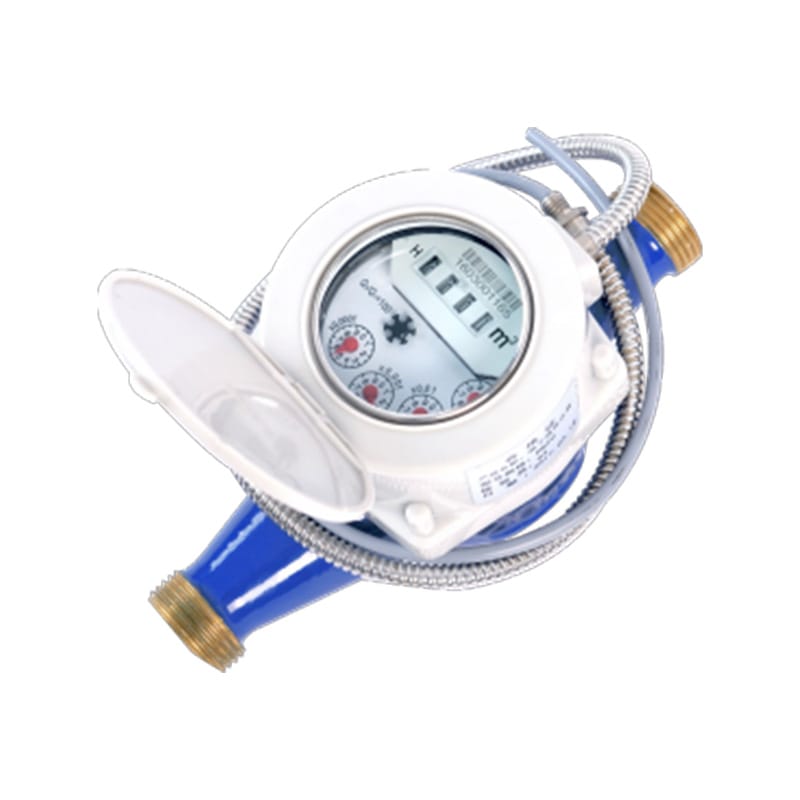
A remote meter reading project depends on both hardware and technical support. Buyers should choose a supplier that can provide complete product information, stable quality, communication guidance, and project selection support.
A reliable supplier should offer:
Water and heat meter options
Multiple communication methods
Clear technical documentation
Meter testing capability
Platform or system compatibility support
IP protection options
Remote valve control options
Customization for project requirements
After-sales technical assistance
Dingjia focuses on smart metering instruments and system solutions for water and heat applications. Buyers can review Dingjia’s smart metering product range or use the contact page to discuss meter type, communication method, installation environment, and project requirements.
FAQ
What is a remote meter reading system?
A remote meter reading system automatically collects data from smart meters and sends it to a central platform. It helps utilities and property managers manage billing, monitoring, abnormal usage alerts, and historical consumption records.
Can remote meter reading be used for both water and heat meters?
Yes. Remote meter reading systems can be used for water meters, heat meters, and other utility meters. The meter type, communication method, and platform configuration should match the application.
Which communication method is best for remote meter reading?
There is no single best method for all projects. M-Bus and RS485 are suitable for wired systems, while LoRa and NB-IoT are often used for wireless remote reading. The best choice depends on site conditions and project scale.
Does remote meter reading help detect leaks?
Yes. Remote reading can help identify possible leaks by showing abnormal consumption, continuous flow, or unusual usage patterns. Leak detection accuracy depends on meter performance, data frequency, and platform analysis.
How should buyers start a remote meter reading project?
Buyers should first confirm the application scenario, meter type, pipe size, communication environment, data upload frequency, platform requirements, and installation conditions before choosing products.
Conclusion
A remote meter reading system is a practical foundation for smart water and heat management. It helps utilities reduce manual reading work, improve billing records, detect abnormal usage earlier, and build a more reliable data network.
For water projects, remote reading supports leakage analysis, user billing, and account management. For heating projects, it supports consumption-based billing, energy analysis, and district heating operation. For smart city and property management projects, it creates the data foundation needed for long-term digital utility management.
The best system is not selected by meter type alone. Buyers should evaluate measurement accuracy, communication method, installation environment, battery life, platform compatibility, data storage, and supplier support.
Dingjia provides smart water meters, ultrasonic heat meters, remote valve controlled meters, and metering solutions for different project scenarios. For project selection support, visit the smart metering products page or contact Dingjia to discuss your application.