Table of Contents
A meter can be correctly specified and still deliver poor data when the pipe location traps air, the flow arrow is reversed, or the commissioning record is incomplete. For ultrasonic water meter installation, begin with “Confirm the Meter and Pipe Match” and then “Choose a Location That Stays Full.” Together, “Confirm the Meter and Pipe Match” and “Choose a Location That Stays Full” define the ultrasonic water meter installation evidence needed before “Manage Upstream Flow Disturbance.”
After “Manage Upstream Flow Disturbance,” the ultrasonic water meter installation workflow continues to “Install in the Correct Direction and Orientation” and ends at “Build an Installation Handover Record.” The move from “Manage Upstream Flow Disturbance” to “Build an Installation Handover Record” explains the ultrasonic water meter installation logic behind this H1.
Confirm the Meter and Pipe Match
Check nominal diameter, connection type, pressure class, allowable water temperature and the ordered communication interface against the approved schedule before unpacking the pipework. For “Confirm the Meter and Pipe Match,” the ultrasonic water meter installation team ties assumptions to field evidence. Its “Confirm the Meter and Pipe Match” record names the source, unit and “Confirm the Meter and Pipe Match” exception owner.
- Verify check nominal diameter.
- Document allowable water temperature and the ordered communication interface against the approved schedule before unpacking the pipework.
Choose a Location That Stays Full
Prefer a pipe section that remains completely flooded at minimum demand. Avoid high points where air gathers, free discharges, suction-side locations and positions immediately after pumps or partly closed valves. Use drawings and measurements to complete “Choose a Location That Stays Full” in ultrasonic water meter installation. A written “Choose a Location That Stays Full” decision keeps installation and operations aligned.
- Verify prefer a pipe section that remains completely flooded at minimum demand.
- Document avoid high points where air gathers.
- Compare suction-side locations and positions immediately after pumps or partly closed valves.
Manage Upstream Flow Disturbance
Map elbows, tees, reducers, pumps and control valves around the proposed location. Follow the product-specific straight-run requirement and move the meter when a severe disturbance cannot be controlled. A plausible “Manage Upstream Flow Disturbance” result can hide a ultrasonic water meter installation error. Store “Manage Upstream Flow Disturbance” limits, test conditions and exception ownership.
- Verify pumps and control valves around the proposed location.
- Document follow the product-specific straight-run requirement and move the meter when a severe disturbance cannot be controlled.
Install in the Correct Direction and Orientation
Match the body arrow to actual flow, not to the assumed drawing direction. Support adjoining pipe, avoid mechanical stress and use an orientation permitted for the selected meter. Share “Install in the Correct Direction and Orientation” evidence with the ultrasonic water meter installation stakeholders. If “Install in the Correct Direction and Orientation” misses its basis, revise the “Install in the Correct Direction and Orientation” selection and record why.
- Verify match the body arrow to actual flow.
- Document not to the assumed drawing direction.
- Compare support adjoining pipe.
- Confirm avoid mechanical stress and use an orientation permitted for the selected meter.
Protect Wiring and Communications
Separate low-voltage signal cable from power wiring, seal entries, document polarity and pulse value, and verify M-Bus or other addresses before the enclosure is closed. Give “Protect Wiring and Communications” a dedicated ultrasonic water meter installation acceptance test. Preserve “Protect Wiring and Communications” values and diagnostics for a repeatable “Protect Wiring and Communications” check.
- Verify separate low-voltage signal cable from power wiring.
- Document document polarity and pulse value.
- Compare and verify M-Bus or other addresses before the enclosure is closed.
Fill the Line Without Creating an Air Problem
Open valves slowly, vent the circuit and inspect for leaks. A rapidly filled empty main can leave air around the acoustic path and produce intermittent or implausible readings. Treat “Fill the Line Without Creating an Air Problem” as a complete ultrasonic water meter installation decision. Recheck “Fill the Line Without Creating an Air Problem” against ultrasonic water meter installation pipework, controls, interfaces and service access.
- Verify open valves slowly.
- Document vent the circuit and inspect for leaks.
- Compare a rapidly filled empty main can leave air around the acoustic path and produce intermittent or implausible readings.
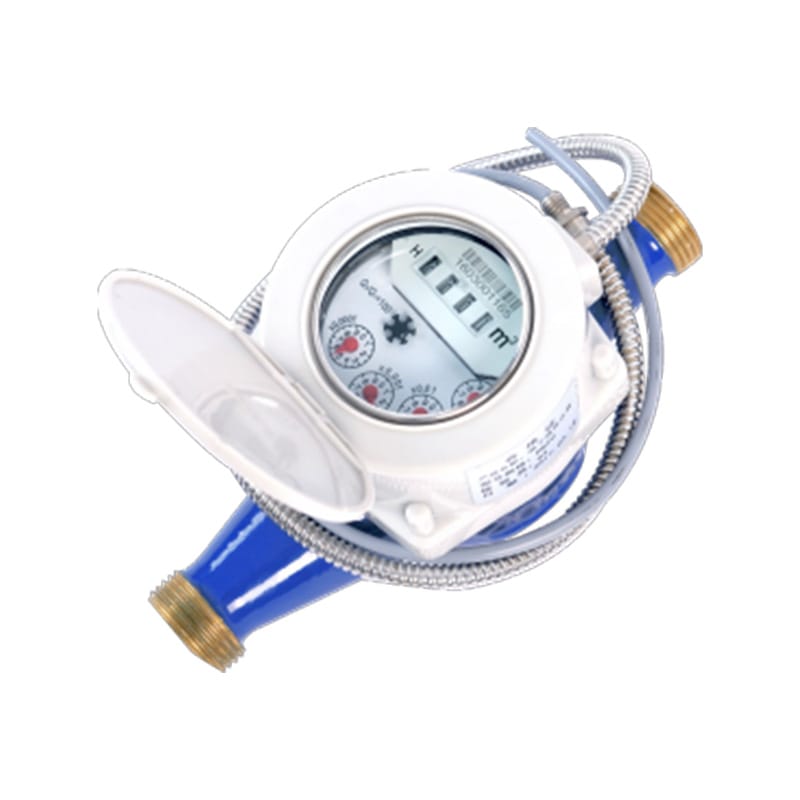
Commission at Zero, Normal and Changing Flow
Compare the local total and instantaneous flow with observed system operation. Confirm zero-flow stability, direction, units, communication values and totalizer movement at more than one demand condition. Change one “Commission at Zero, Normal and Changing Flow” variable at a time during ultrasonic water meter installation diagnosis. The “Commission at Zero, Normal and Changing Flow” baseline separates “Commission at Zero, Normal and Changing Flow” hardware, process and installation causes.
- Verify compare the local total and instantaneous flow with observed system operation.
- Document confirm zero-flow stability.
- Compare communication values and totalizer movement at more than one demand condition.
Build an Installation Handover Record
Retain serial number, photographs, settings, meter location, cable route, initial totals and acceptance results. This record is essential when later data appears inconsistent. Close “Build an Installation Handover Record” with a named ultrasonic water meter installation owner. For “Build an Installation Handover Record,” keep its photographs, configuration export and “Build an Installation Handover Record” comparison readings.
- Verify retain serial number.
- Document initial totals and acceptance results.
- Compare this record is essential when later data appears inconsistent.

Confirm the Meter and Pipe Match Decision Table
| Decision | Evidence | Release condition |
|---|---|---|
| Confirm the Meter and Pipe Match | Check nominal diameter, connection type, pressure class, allowable water temperature and the ordered communication interface against the approved schedule before unpacking the pipework | Release “Confirm the Meter and Pipe Match” only after its ultrasonic water meter installation evidence is accepted |
| Choose a Location That Stays Full | Prefer a pipe section that remains completely flooded at minimum demand | Release “Choose a Location That Stays Full” only after its ultrasonic water meter installation evidence is accepted |
| Manage Upstream Flow Disturbance | Map elbows, tees, reducers, pumps and control valves around the proposed location | Release “Manage Upstream Flow Disturbance” only after its ultrasonic water meter installation evidence is accepted |
| Install in the Correct Direction and Orientation | Match the body arrow to actual flow, not to the assumed drawing direction | Release “Install in the Correct Direction and Orientation” only after its ultrasonic water meter installation evidence is accepted |
| Protect Wiring and Communications | Separate low-voltage signal cable from power wiring, seal entries, document polarity and pulse value, and verify M-Bus or other addresses before the enclosure is closed | Release “Protect Wiring and Communications” only after its ultrasonic water meter installation evidence is accepted |
Five Questions About “Build an Installation Handover Record”
Which “Confirm the Meter and Pipe Match” check comes first for ultrasonic water meter installation?
Check nominal diameter, connection type, pressure class, allowable water temperature and the ordered communication interface against the approved schedule before unpacking the pipework.
Why does choose a location that stays full affect ultrasonic water meter installation?
Prefer a pipe section that remains completely flooded at minimum demand. Avoid high points where air gathers, free discharges, suction-side locations and positions immediately after pumps or partly closed valves.
How should commission at zero, normal and changing flow be verified?
Compare the local total and instantaneous flow with observed system operation. Confirm zero-flow stability, direction, units, communication values and totalizer movement at more than one demand condition.
When must the ultrasonic water meter installation basis be reviewed?
Review ultrasonic water meter installation when inputs to “Confirm the Meter and Pipe Match,” “Install in the Correct Direction and Orientation” or “Commission at Zero, Normal and Changing Flow” change.
Which details support “Choose a Location That Stays Full” in ultrasonic water meter installation?
For ultrasonic water meter installation, provide the inputs for “Confirm the Meter and Pipe Match,” the constraints from “Choose a Location That Stays Full” and the evidence expected under “Commission at Zero, Normal and Changing Flow.”
Technical references for “Confirm the Meter and Pipe Match” include OIML R 49 for “Confirm the Meter and Pipe Match”, ISO 4064 for “Choose a Location That Stays Full”, NIST Weights and Measures for “Manage Upstream Flow Disturbance”, EPA WaterSense for “Install in the Correct Direction and Orientation”. The project specification should name the applicable edition and local rules.
Dingjia options supporting “Choose a Location That Stays Full” include the ultrasonic water meter for “Confirm the Meter and Pipe Match”, pipeline network meter for “Choose a Location That Stays Full”, electronic remote meter for “Manage Upstream Flow Disturbance”, contact the metering team for “Install in the Correct Direction and Orientation”. For “Choose a Location That Stays Full,” send operating conditions and interface requirements to the engineering team before selection. The inquiry should also assign responsibility for “Protect Wiring and Communications” and “Fill the Line Without Creating an Air Problem.”