Table of Contents
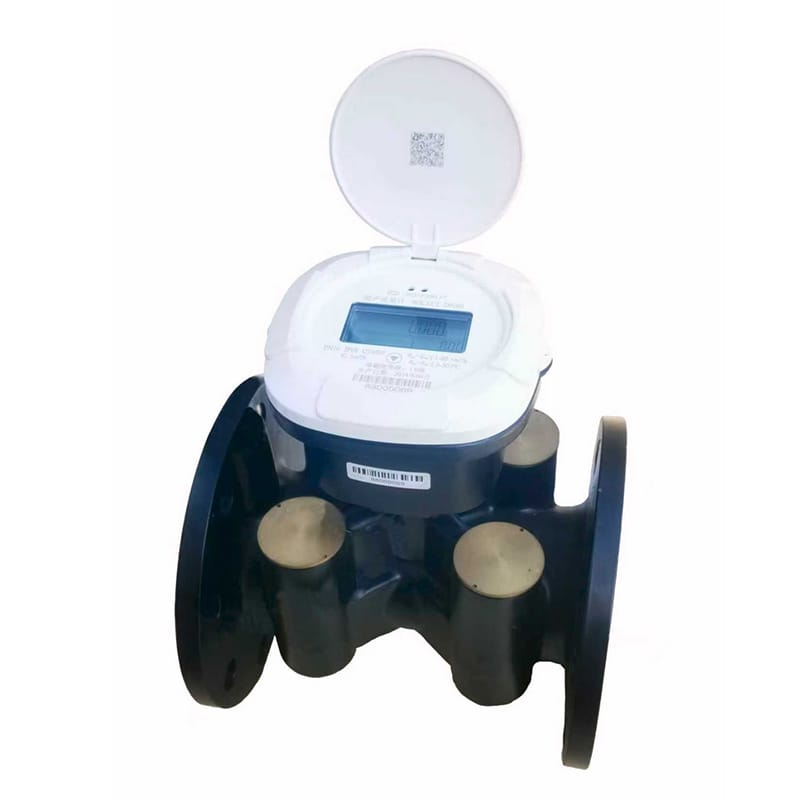
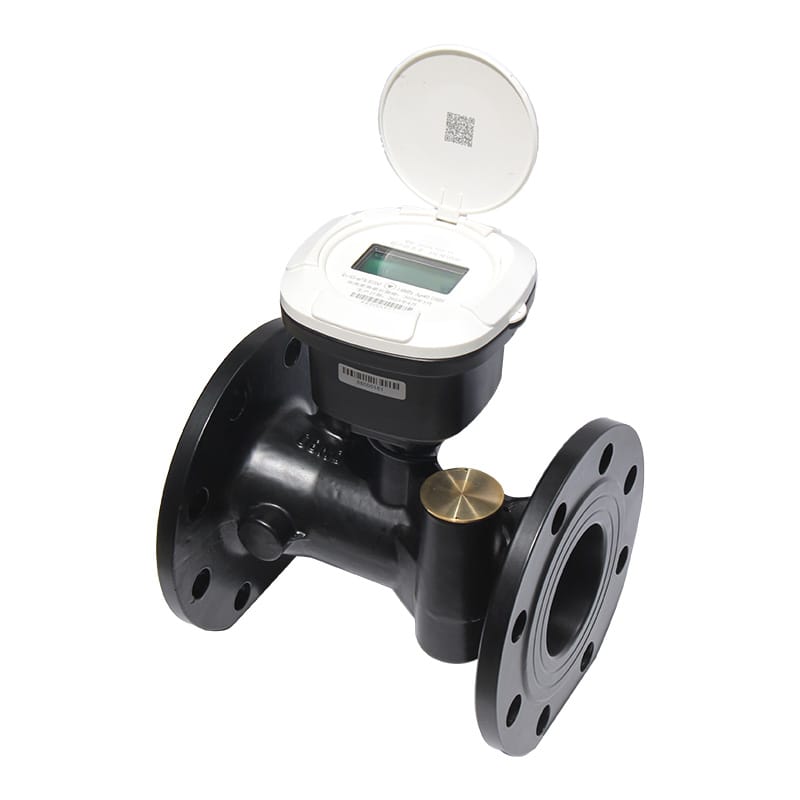
The meter body controls pressure integrity, hydraulic geometry and transducer alignment. Buyers should evaluate it as a metrological component, not only as a pipe fitting. For ultrasonic water meter body, begin with “Start With Wetted-Material Compatibility” and then “Match Pressure Rating to the System.” Together, “Start With Wetted-Material Compatibility” and “Match Pressure Rating to the System” define the ultrasonic water meter body evidence needed before “Examine the Internal Flow Path.”
After “Examine the Internal Flow Path,” the ultrasonic water meter body workflow continues to “Protect Transducer Alignment” and ends at “Audit Supplier Documentation.” The move from “Examine the Internal Flow Path” to “Audit Supplier Documentation” explains the ultrasonic water meter body logic behind this H1.
Start With Wetted-Material Compatibility
Identify water chemistry, disinfectants, temperature and local potable-water requirements. Request a clear wetted-material list for the body, seals, reflectors and sensor interfaces. Give “Start With Wetted-Material Compatibility” a dedicated ultrasonic water meter body acceptance test. Preserve “Start With Wetted-Material Compatibility” values and diagnostics for a repeatable “Start With Wetted-Material Compatibility” check.
- Verify identify water chemistry.
- Document temperature and local potable-water requirements.
- Compare request a clear wetted-material list for the body.
- Confirm reflectors and sensor interfaces.
Match Pressure Rating to the System
Use design pressure, transient risk and test pressure rather than normal gauge readings alone. Confirm that end connections and accessories carry compatible ratings. Treat “Match Pressure Rating to the System” as a complete ultrasonic water meter body decision. Recheck “Match Pressure Rating to the System” against ultrasonic water meter body pipework, controls, interfaces and service access.
- Verify use design pressure.
- Document transient risk and test pressure rather than normal gauge readings alone.
- Compare confirm that end connections and accessories carry compatible ratings.
Examine the Internal Flow Path
Look for abrupt steps, pockets or features that can collect debris and disturb the acoustic path. Hydraulic geometry should be consistent from unit to unit. Change one “Examine the Internal Flow Path” variable at a time during ultrasonic water meter body diagnosis. The “Examine the Internal Flow Path” baseline separates “Examine the Internal Flow Path” hardware, process and installation causes.
- Verify look for abrupt steps.
- Document pockets or features that can collect debris and disturb the acoustic path.
- Compare hydraulic geometry should be consistent from unit to unit.
Protect Transducer Alignment
The body must hold acoustic elements at the intended angle and distance under pressure and temperature changes. Manufacturing tolerances and assembly controls therefore matter. Close “Protect Transducer Alignment” with a named ultrasonic water meter body owner. For “Protect Transducer Alignment,” keep its photographs, configuration export and “Protect Transducer Alignment” comparison readings.
- Verify the body must hold acoustic elements at the intended angle and distance under pressure and temperature changes.
- Document manufacturing tolerances and assembly controls therefore matter.

Review Sealing and Leak Paths
Identify static and service seals, their material and how compression is controlled. A design that depends heavily on installer torque deserves additional assembly guidance. For “Review Sealing and Leak Paths,” the ultrasonic water meter body team ties assumptions to field evidence. Its “Review Sealing and Leak Paths” record names the source, unit and “Review Sealing and Leak Paths” exception owner.
- Verify identify static and service seals.
- Document their material and how compression is controlled.
- Compare a design that depends heavily on installer torque deserves additional assembly guidance.
Consider Mechanical Loading
Unsupported pipe, misaligned flanges and thermal expansion can load the casting or threaded ends. Provide pipe supports and avoid using the body to pull pipework into alignment. Use drawings and measurements to complete “Consider Mechanical Loading” in ultrasonic water meter body. A written “Consider Mechanical Loading” decision keeps installation and operations aligned.
- Verify unsupported pipe.
- Document misaligned flanges and thermal expansion can load the casting or threaded ends.
- Compare provide pipe supports and avoid using the body to pull pipework into alignment.
Plan for Deposits and Water Quality
Scale, sediment or biological growth may change the hydraulic section or acoustic transmission. Evaluate whether the geometry can be inspected and how cleaning would be managed. A plausible “Plan for Deposits and Water Quality” result can hide a ultrasonic water meter body error. Store “Plan for Deposits and Water Quality” limits, test conditions and exception ownership.
- Verify sediment or biological growth may change the hydraulic section or acoustic transmission.
- Document evaluate whether the geometry can be inspected and how cleaning would be managed.
Audit Supplier Documentation
Request dimensional drawings, material declarations, pressure-test controls and critical manufacturing checks. Samples should match the documented production configuration. Share “Audit Supplier Documentation” evidence with the ultrasonic water meter body stakeholders. If “Audit Supplier Documentation” misses its basis, revise the “Audit Supplier Documentation” selection and record why.
- Verify request dimensional drawings.
- Document material declarations.
- Compare pressure-test controls and critical manufacturing checks.
- Confirm samples should match the documented production configuration.
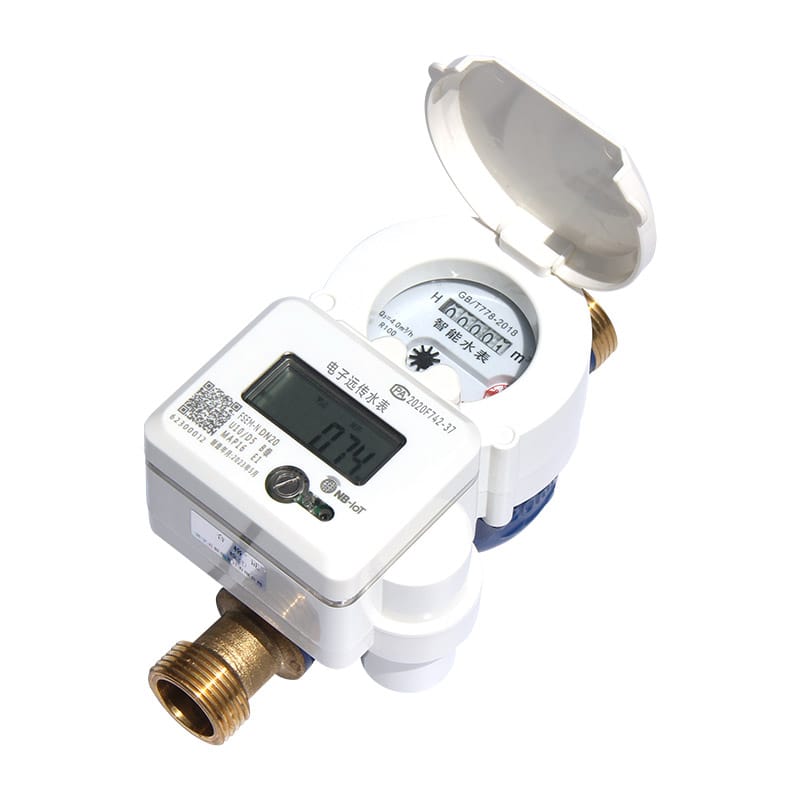
Start With Wetted-Material Compatibility Decision Table
| Decision | Evidence | Release condition |
|---|---|---|
| Start With Wetted-Material Compatibility | Identify water chemistry, disinfectants, temperature and local potable-water requirements | Release “Start With Wetted-Material Compatibility” only after its ultrasonic water meter body evidence is accepted |
| Match Pressure Rating to the System | Use design pressure, transient risk and test pressure rather than normal gauge readings alone | Release “Match Pressure Rating to the System” only after its ultrasonic water meter body evidence is accepted |
| Examine the Internal Flow Path | Look for abrupt steps, pockets or features that can collect debris and disturb the acoustic path | Release “Examine the Internal Flow Path” only after its ultrasonic water meter body evidence is accepted |
| Protect Transducer Alignment | The body must hold acoustic elements at the intended angle and distance under pressure and temperature changes | Release “Protect Transducer Alignment” only after its ultrasonic water meter body evidence is accepted |
| Review Sealing and Leak Paths | Identify static and service seals, their material and how compression is controlled | Release “Review Sealing and Leak Paths” only after its ultrasonic water meter body evidence is accepted |
Five Questions About “Audit Supplier Documentation”
Which “Start With Wetted-Material Compatibility” check comes first for ultrasonic water meter body?
Identify water chemistry, disinfectants, temperature and local potable-water requirements. Request a clear wetted-material list for the body, seals, reflectors and sensor interfaces.
Why does match pressure rating to the system affect ultrasonic water meter body?
Use design pressure, transient risk and test pressure rather than normal gauge readings alone. Confirm that end connections and accessories carry compatible ratings.
How should plan for deposits and water quality be verified?
Scale, sediment or biological growth may change the hydraulic section or acoustic transmission. Evaluate whether the geometry can be inspected and how cleaning would be managed.
When must the ultrasonic water meter body basis be reviewed?
Review ultrasonic water meter body when inputs to “Start With Wetted-Material Compatibility,” “Protect Transducer Alignment” or “Plan for Deposits and Water Quality” change.
Which details support “Match Pressure Rating to the System” in ultrasonic water meter body?
For ultrasonic water meter body, provide the inputs for “Start With Wetted-Material Compatibility,” the constraints from “Match Pressure Rating to the System” and the evidence expected under “Plan for Deposits and Water Quality.”
Before approving “Start With Wetted-Material Compatibility,” revisit its project assumptions. Identify water chemistry, disinfectants, temperature and local potable-water requirements. Request a clear wetted-material list for the body, seals, reflectors and sensor interfaces. Record the resulting “Start With Wetted-Material Compatibility” decision and any site-specific “Start With Wetted-Material Compatibility” exception.
Technical references for “Start With Wetted-Material Compatibility” include OIML R 49 for “Start With Wetted-Material Compatibility”, ISO 4064 for “Match Pressure Rating to the System”, NIST Weights and Measures for “Examine the Internal Flow Path”, EPA WaterSense for “Protect Transducer Alignment”. The project specification should name the applicable edition and local rules.
Dingjia options supporting “Match Pressure Rating to the System” include the ultrasonic water meter for “Start With Wetted-Material Compatibility”, pipeline network meter for “Match Pressure Rating to the System”, electronic remote meter for “Examine the Internal Flow Path”, contact the metering team for “Protect Transducer Alignment”. For “Match Pressure Rating to the System,” send operating conditions and interface requirements to the engineering team before selection. The inquiry should also assign responsibility for “Review Sealing and Leak Paths” and “Consider Mechanical Loading.”