Table of Contents
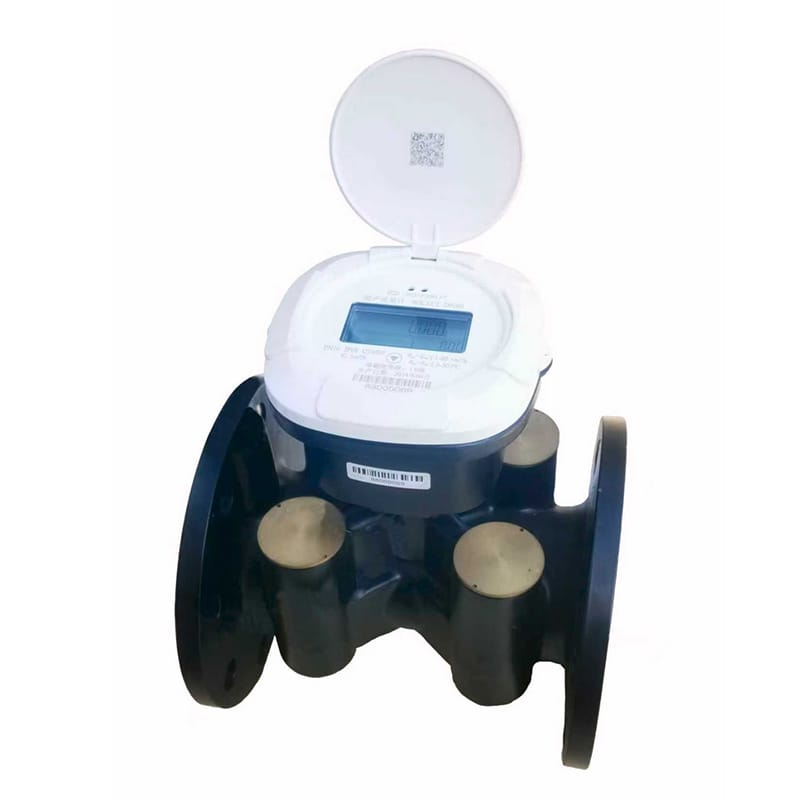
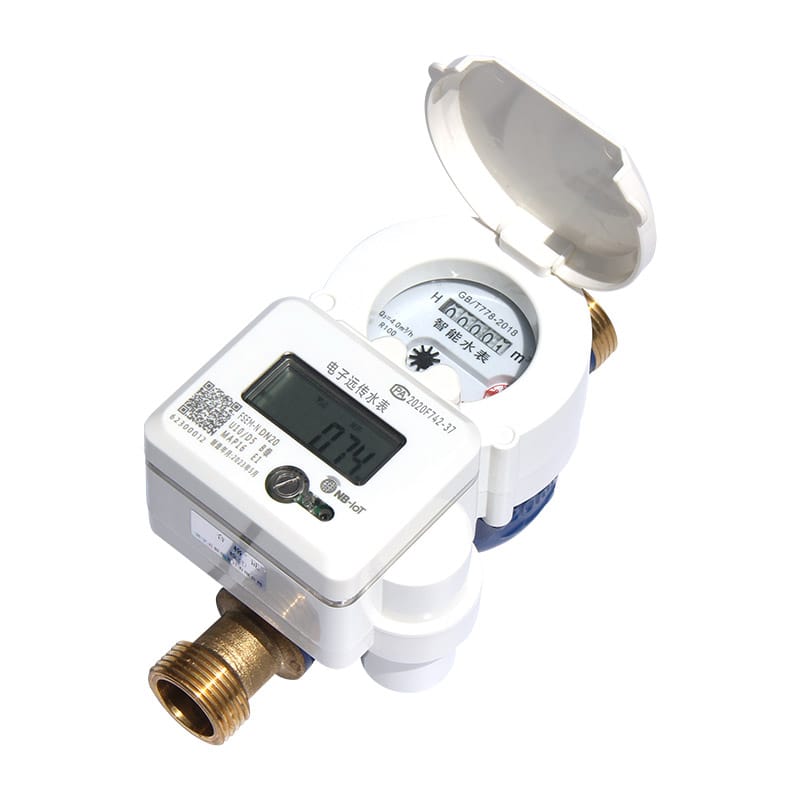
The correct size follows the real flow profile, not simply the pipe label. Low-demand performance, peak capacity and pressure loss must be evaluated together. For ultrasonic water meter sizing, begin with “Build a Flow Profile From Evidence” and then “Distinguish Pipe Diameter From Meter Size.” Together, “Build a Flow Profile From Evidence” and “Distinguish Pipe Diameter From Meter Size” define the ultrasonic water meter sizing evidence needed before “Check the Low-Flow Requirement.”
After “Check the Low-Flow Requirement,” the ultrasonic water meter sizing workflow continues to “Protect Capacity at Peak Demand” and ends at “Recheck the Choice Before Procurement.” The move from “Check the Low-Flow Requirement” to “Recheck the Choice Before Procurement” explains the ultrasonic water meter sizing logic behind this H1.
Build a Flow Profile From Evidence
Use interval data, fixture calculations, pump curves or logged operating records to identify minimum, typical and short-duration peak flow. Separate normal service from rare emergency demand. Use drawings and measurements to complete “Build a Flow Profile From Evidence” in ultrasonic water meter sizing. A written “Build a Flow Profile From Evidence” decision keeps installation and operations aligned.
- Verify use interval data.
- Document fixture calculations.
- Compare pump curves or logged operating records to identify minimum.
- Confirm typical and short-duration peak flow.
Distinguish Pipe Diameter From Meter Size
An existing pipe may be oversized for current demand. A reduced meter section can improve low-flow coverage when velocity, pressure loss, connections and local rules remain acceptable. A plausible “Distinguish Pipe Diameter From Meter Size” result can hide a ultrasonic water meter sizing error. Store “Distinguish Pipe Diameter From Meter Size” limits, test conditions and exception ownership.
- Verify an existing pipe may be oversized for current demand.
- Document a reduced meter section can improve low-flow coverage when velocity.
- Compare connections and local rules remain acceptable.
Check the Low-Flow Requirement
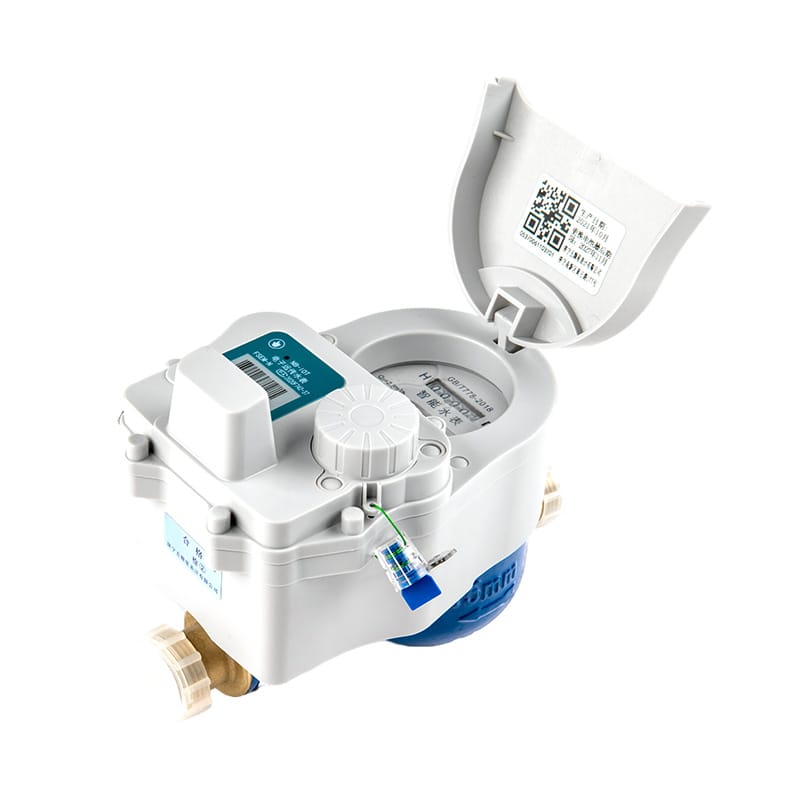
Determine the smallest sustained or intermittent flow that matters for billing, leakage or process monitoring. Compare it with the meter鈥檚 published operating region rather than its display resolution. Share “Check the Low-Flow Requirement” evidence with the ultrasonic water meter sizing stakeholders. If “Check the Low-Flow Requirement” misses its basis, revise the “Check the Low-Flow Requirement” selection and record why.
- Verify determine the smallest sustained or intermittent flow that matters for billing.
- Document leakage or process monitoring.
- Compare compare it with the meter鈥檚 published operating region rather than its display resolution.
Protect Capacity at Peak Demand
Confirm that expected peaks remain within the permitted overload duration and pressure-loss budget. Include fire, flushing or seasonal modes only when they actually pass through the meter. Give “Protect Capacity at Peak Demand” a dedicated ultrasonic water meter sizing acceptance test. Preserve “Protect Capacity at Peak Demand” values and diagnostics for a repeatable “Protect Capacity at Peak Demand” check.
- Verify confirm that expected peaks remain within the permitted overload duration and pressure-loss budget.
- Document flushing or seasonal modes only when they actually pass through the meter.
Evaluate Pressure Loss in Context
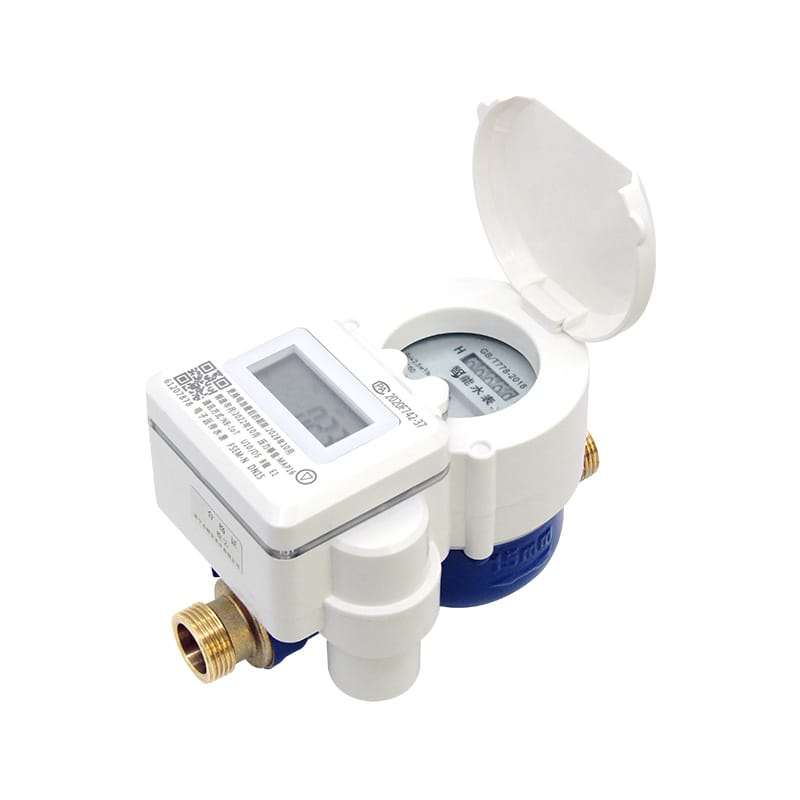
Calculate available pressure at the critical downstream user. Include meter loss with valves, strainers, fittings and elevation instead of treating it as an isolated catalogue value. Treat “Evaluate Pressure Loss in Context” as a complete ultrasonic water meter sizing decision. Recheck “Evaluate Pressure Loss in Context” against ultrasonic water meter sizing pipework, controls, interfaces and service access.
- Verify calculate available pressure at the critical downstream user.
- Document include meter loss with valves.
- Compare fittings and elevation instead of treating it as an isolated catalogue value.
Account for Water and Site Conditions
Temperature, suspended solids, air risk, pressure transients and installation orientation can affect selection. Specify environmental enclosure and communication power at the same time. Change one “Account for Water and Site Conditions” variable at a time during ultrasonic water meter sizing diagnosis. The “Account for Water and Site Conditions” baseline separates “Account for Water and Site Conditions” hardware, process and installation causes.
- Verify suspended solids.
- Document pressure transients and installation orientation can affect selection.
- Compare specify environmental enclosure and communication power at the same time.
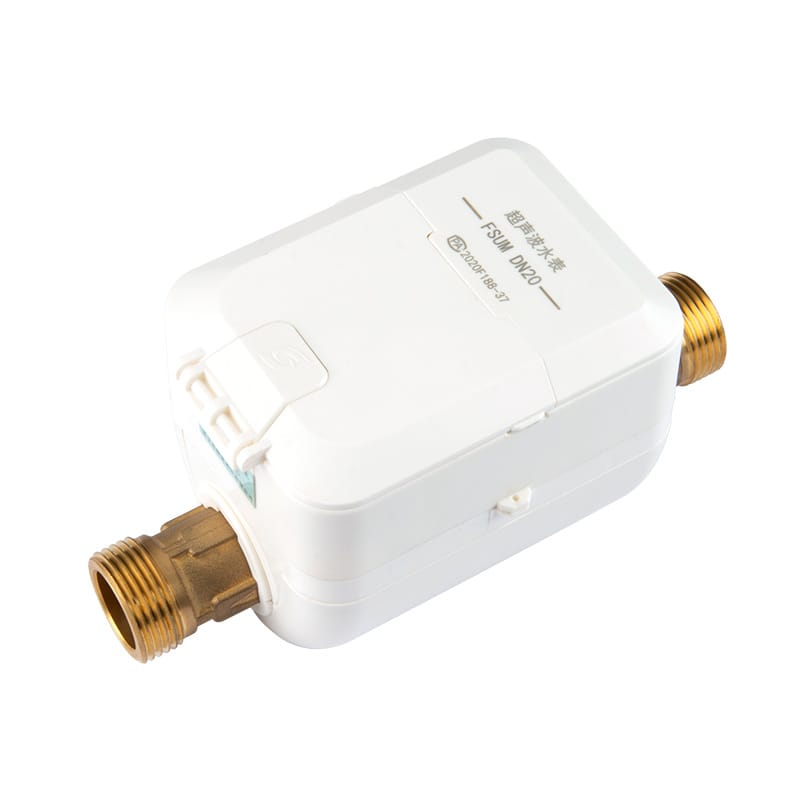
Compare Candidate Sizes Side by Side
Create a table showing low-flow coverage, normal velocity, peak margin, pressure loss and connection work. The preferred size should have a documented reason, not just familiarity. Close “Compare Candidate Sizes Side by Side” with a named ultrasonic water meter sizing owner. For “Compare Candidate Sizes Side by Side,” keep its photographs, configuration export and “Compare Candidate Sizes Side by Side” comparison readings.
- Verify create a table showing low-flow coverage.
- Document pressure loss and connection work.
- Compare the preferred size should have a documented reason.
- Confirm not just familiarity.
Recheck the Choice Before Procurement
Review the selected size against updated hydraulic calculations and future phases. Freeze the required range and interfaces in the purchase specification to avoid substitution by diameter alone. For “Recheck the Choice Before Procurement,” the ultrasonic water meter sizing team ties assumptions to field evidence. Its “Recheck the Choice Before Procurement” record names the source, unit and “Recheck the Choice Before Procurement” exception owner.
- Verify review the selected size against updated hydraulic calculations and future phases.
- Document freeze the required range and interfaces in the purchase specification to avoid substitution by diameter alone.
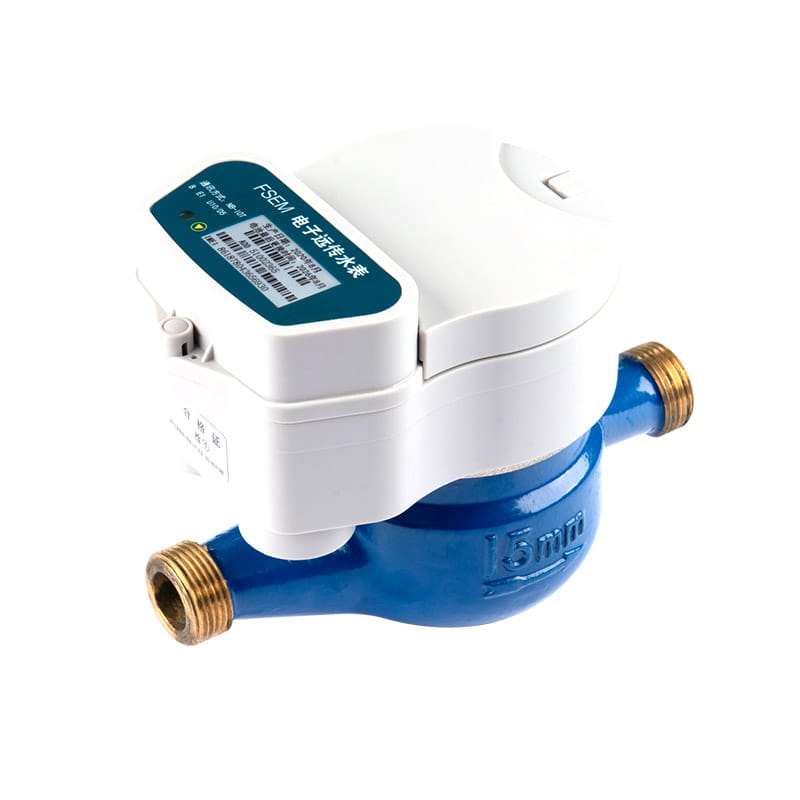
Build a Flow Profile From Evidence Decision Table
| Decision | Evidence | Release condition |
|---|---|---|
| Build a Flow Profile From Evidence | Use interval data, fixture calculations, pump curves or logged operating records to identify minimum, typical and short-duration peak flow | Release “Build a Flow Profile From Evidence” only after its ultrasonic water meter sizing evidence is accepted |
| Distinguish Pipe Diameter From Meter Size | An existing pipe may be oversized for current demand | Release “Distinguish Pipe Diameter From Meter Size” only after its ultrasonic water meter sizing evidence is accepted |
| Check the Low-Flow Requirement | Determine the smallest sustained or intermittent flow that matters for billing, leakage or process monitoring | Release “Check the Low-Flow Requirement” only after its ultrasonic water meter sizing evidence is accepted |
| Protect Capacity at Peak Demand | Confirm that expected peaks remain within the permitted overload duration and pressure-loss budget | Release “Protect Capacity at Peak Demand” only after its ultrasonic water meter sizing evidence is accepted |
| Evaluate Pressure Loss in Context | Calculate available pressure at the critical downstream user | Release “Evaluate Pressure Loss in Context” only after its ultrasonic water meter sizing evidence is accepted |
Five Questions About “Recheck the Choice Before Procurement”
Which “Build a Flow Profile From Evidence” check comes first for ultrasonic water meter sizing?
Use interval data, fixture calculations, pump curves or logged operating records to identify minimum, typical and short-duration peak flow. Separate normal service from rare emergency demand.
Why does distinguish pipe diameter from meter size affect ultrasonic water meter sizing?
An existing pipe may be oversized for current demand. A reduced meter section can improve low-flow coverage when velocity, pressure loss, connections and local rules remain acceptable.
How should compare candidate sizes side by side be verified?
Create a table showing low-flow coverage, normal velocity, peak margin, pressure loss and connection work. The preferred size should have a documented reason, not just familiarity.
When must the ultrasonic water meter sizing basis be reviewed?
Review ultrasonic water meter sizing when inputs to “Build a Flow Profile From Evidence,” “Protect Capacity at Peak Demand” or “Compare Candidate Sizes Side by Side” change.
Which details support “Distinguish Pipe Diameter From Meter Size” in ultrasonic water meter sizing?
For ultrasonic water meter sizing, provide the inputs for “Build a Flow Profile From Evidence,” the constraints from “Distinguish Pipe Diameter From Meter Size” and the evidence expected under “Compare Candidate Sizes Side by Side.”
Technical references for “Build a Flow Profile From Evidence” include EPA WaterSense for “Build a Flow Profile From Evidence”, OIML R 49 for “Distinguish Pipe Diameter From Meter Size”, ISO 4064 for “Check the Low-Flow Requirement”, NIST Weights and Measures for “Protect Capacity at Peak Demand”. The project specification should name the applicable edition and local rules.
Dingjia options supporting “Distinguish Pipe Diameter From Meter Size” include the contact the metering team for “Build a Flow Profile From Evidence”, ultrasonic water meter for “Distinguish Pipe Diameter From Meter Size”, pipeline network meter for “Check the Low-Flow Requirement”, electronic remote meter for “Protect Capacity at Peak Demand”. For “Distinguish Pipe Diameter From Meter Size,” send operating conditions and interface requirements to the engineering team before selection. The inquiry should also assign responsibility for “Evaluate Pressure Loss in Context” and “Account for Water and Site Conditions.”