Table of Contents
Thermal energy is obtained by integrating flow and the enthalpy difference between supply and return. Understanding each input makes implausible totals easier to diagnose. For heat meter calculation, begin with “Distinguish Power From Energy” and then “Follow the Measurement Chain.” Together, “Distinguish Power From Energy” and “Follow the Measurement Chain” define the heat meter calculation evidence needed before “Use the Correct Temperature Difference.”
After “Use the Correct Temperature Difference,” the heat meter calculation workflow continues to “Account for Density and Heat Capacity” and ends at “Investigate Disagreement Systematically.” The move from “Use the Correct Temperature Difference” to “Investigate Disagreement Systematically” explains the heat meter calculation logic behind this H1.
Distinguish Power From Energy
Power describes the current rate of heat transfer; energy accumulates that rate over time. A single power snapshot cannot validate a monthly total. Close “Distinguish Power From Energy” with a named heat meter calculation owner. For “Distinguish Power From Energy,” keep its photographs, configuration export and “Distinguish Power From Energy” comparison readings.
- Verify power describes the current rate of heat transfer; energy accumulates that rate over time.
- Document a single power snapshot cannot validate a monthly total.
Follow the Measurement Chain
The calculator receives volume or mass flow plus two temperatures, applies fluid properties and integrates the result. Trace each input when the answer looks wrong. For “Follow the Measurement Chain,” the heat meter calculation team ties assumptions to field evidence. Its “Follow the Measurement Chain” record names the source, unit and “Follow the Measurement Chain” exception owner.
- Verify the calculator receives volume or mass flow plus two temperatures.
- Document applies fluid properties and integrates the result.
- Compare trace each input when the answer looks wrong.
Use the Correct Temperature Difference
Keep supply-minus-return sign consistent with heating or cooling configuration. Swapped sensors can create negative or misclassified energy. Use drawings and measurements to complete “Use the Correct Temperature Difference” in heat meter calculation. A written “Use the Correct Temperature Difference” decision keeps installation and operations aligned.
- Verify keep supply-minus-return sign consistent with heating or cooling configuration.
- Document swapped sensors can create negative or misclassified energy.
Account for Density and Heat Capacity
These properties vary with temperature and glycol concentration. The configured fluid model should match the actual circulating medium. A plausible “Account for Density and Heat Capacity” result can hide a heat meter calculation error. Store “Account for Density and Heat Capacity” limits, test conditions and exception ownership.
- Verify these properties vary with temperature and glycol concentration.
- Document the configured fluid model should match the actual circulating medium.
Respect Units at Every Interface
Check litres versus cubic metres, seconds versus hours and joules versus kilowatt-hours. Scaling errors often survive because individual numbers still look plausible. Share “Respect Units at Every Interface” evidence with the heat meter calculation stakeholders. If “Respect Units at Every Interface” misses its basis, revise the “Respect Units at Every Interface” selection and record why.
- Verify check litres versus cubic metres.
- Document seconds versus hours and joules versus kilowatt-hours.
- Compare scaling errors often survive because individual numbers still look plausible.
Understand the Integration Interval
Short intervals follow rapid load changes but require sound sampling; long intervals can smooth transients. Totals should remain continuous through communication gaps. Give “Understand the Integration Interval” a dedicated heat meter calculation acceptance test. Preserve “Understand the Integration Interval” values and diagnostics for a repeatable “Understand the Integration Interval” check.
- Verify short intervals follow rapid load changes but require sound sampling; long intervals can smooth transients.
- Document totals should remain continuous through communication gaps.
Perform an Independent Reasonableness Check
Estimate power from observed flow and temperature difference, then compare order of magnitude with the meter and plant load. Treat “Perform an Independent Reasonableness Check” as a complete heat meter calculation decision. Recheck “Perform an Independent Reasonableness Check” against heat meter calculation pipework, controls, interfaces and service access.
- Verify estimate power from observed flow and temperature difference.
- Document then compare order of magnitude with the meter and plant load.
Investigate Disagreement Systematically
Separate flow error, temperature error, fluid setup, unit conversion and time integration. Change one assumption at a time and retain the original evidence. Change one “Investigate Disagreement Systematically” variable at a time during heat meter calculation diagnosis. The “Investigate Disagreement Systematically” baseline separates “Investigate Disagreement Systematically” hardware, process and installation causes.
- Verify separate flow error.
- Document temperature error.
- Compare unit conversion and time integration.
- Confirm change one assumption at a time and retain the original evidence.
Distinguish Power From Energy Decision Table
| Decision | Evidence | Release condition |
|---|---|---|
| Distinguish Power From Energy | Power describes the current rate of heat transfer; energy accumulates that rate over time | Release “Distinguish Power From Energy” only after its heat meter calculation evidence is accepted |
| Follow the Measurement Chain | The calculator receives volume or mass flow plus two temperatures, applies fluid properties and integrates the result | Release “Follow the Measurement Chain” only after its heat meter calculation evidence is accepted |
| Use the Correct Temperature Difference | Keep supply-minus-return sign consistent with heating or cooling configuration | Release “Use the Correct Temperature Difference” only after its heat meter calculation evidence is accepted |
| Account for Density and Heat Capacity | These properties vary with temperature and glycol concentration | Release “Account for Density and Heat Capacity” only after its heat meter calculation evidence is accepted |
| Respect Units at Every Interface | Check litres versus cubic metres, seconds versus hours and joules versus kilowatt-hours | Release “Respect Units at Every Interface” only after its heat meter calculation evidence is accepted |
Five Questions About “Investigate Disagreement Systematically”
Which “Distinguish Power From Energy” check comes first for heat meter calculation?
Power describes the current rate of heat transfer; energy accumulates that rate over time. A single power snapshot cannot validate a monthly total.
Why does follow the measurement chain affect heat meter calculation?
The calculator receives volume or mass flow plus two temperatures, applies fluid properties and integrates the result. Trace each input when the answer looks wrong.
How should perform an independent reasonableness check be verified?
Estimate power from observed flow and temperature difference, then compare order of magnitude with the meter and plant load.
When must the heat meter calculation basis be reviewed?
Review heat meter calculation when inputs to “Distinguish Power From Energy,” “Account for Density and Heat Capacity” or “Perform an Independent Reasonableness Check” change.
Which details support “Follow the Measurement Chain” in heat meter calculation?
For heat meter calculation, provide the inputs for “Distinguish Power From Energy,” the constraints from “Follow the Measurement Chain” and the evidence expected under “Perform an Independent Reasonableness Check.”
Before approving “Distinguish Power From Energy,” revisit its project assumptions. Power describes the current rate of heat transfer; energy accumulates that rate over time. A single power snapshot cannot validate a monthly total. Record the resulting “Distinguish Power From Energy” decision and any site-specific “Distinguish Power From Energy” exception.
Before approving “Follow the Measurement Chain,” revisit its project assumptions. The calculator receives volume or mass flow plus two temperatures, applies fluid properties and integrates the result. Trace each input when the answer looks wrong. Record the resulting “Follow the Measurement Chain” decision and any site-specific “Follow the Measurement Chain” exception.
Before approving “Use the Correct Temperature Difference,” revisit its project assumptions. Keep supply-minus-return sign consistent with heating or cooling configuration. Swapped sensors can create negative or misclassified energy. Record the resulting “Use the Correct Temperature Difference” decision and any site-specific “Use the Correct Temperature Difference” exception.
Technical references for “Distinguish Power From Energy” include EU Measuring Instruments Directive for “Distinguish Power From Energy”, CEN-CENELEC for “Follow the Measurement Chain”, ISO 50001 for “Use the Correct Temperature Difference”, OIML R 75 for “Account for Density and Heat Capacity”. The project specification should name the applicable edition and local rules.
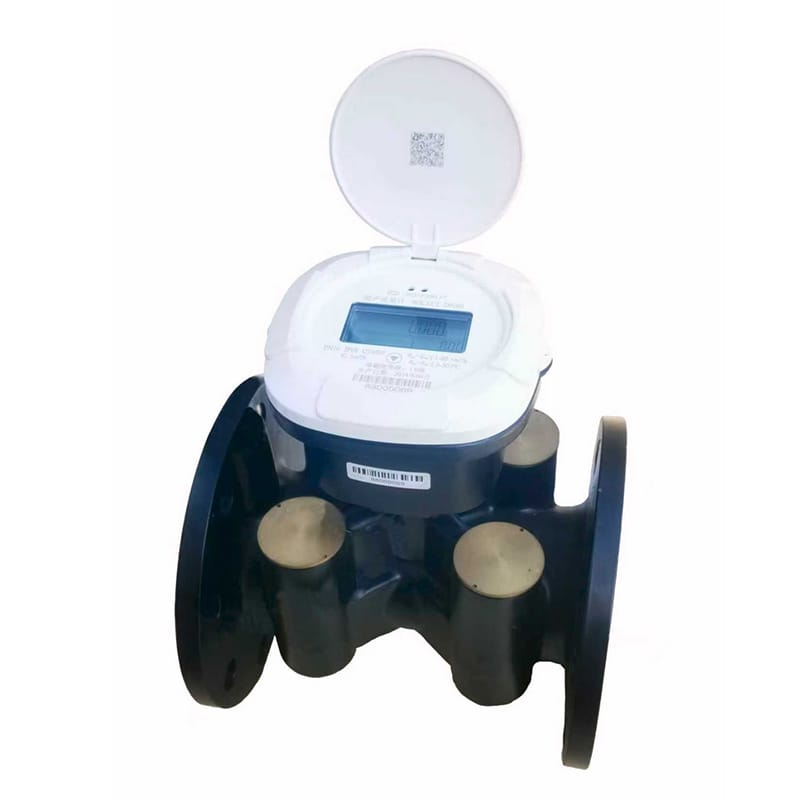
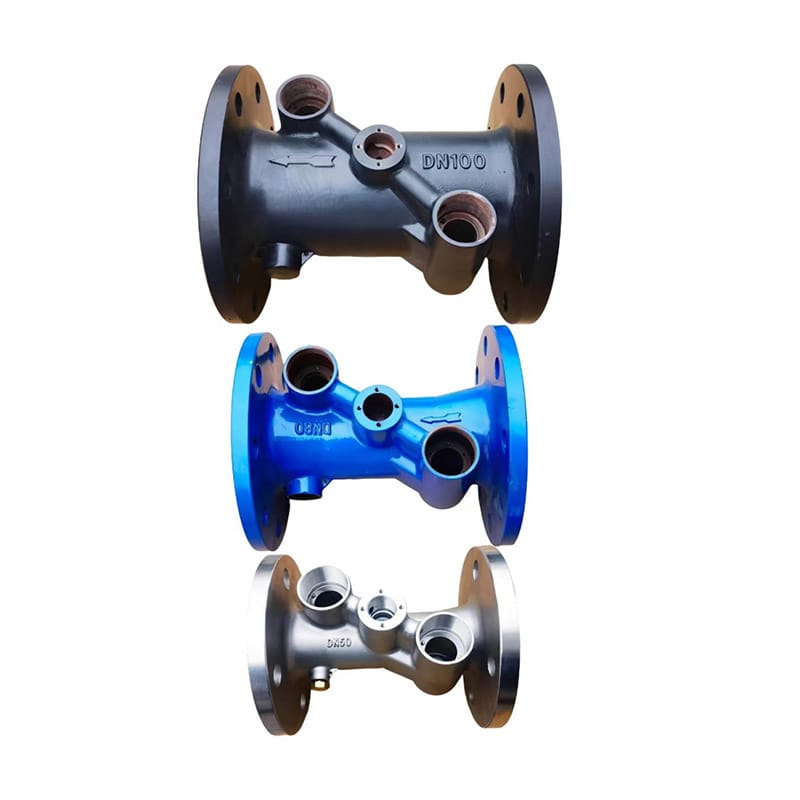
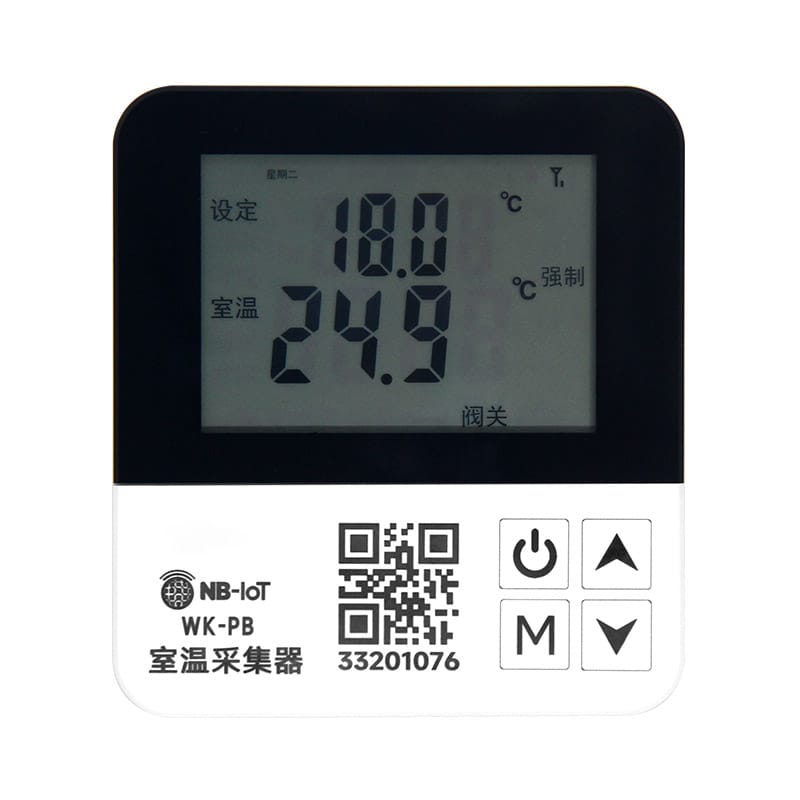
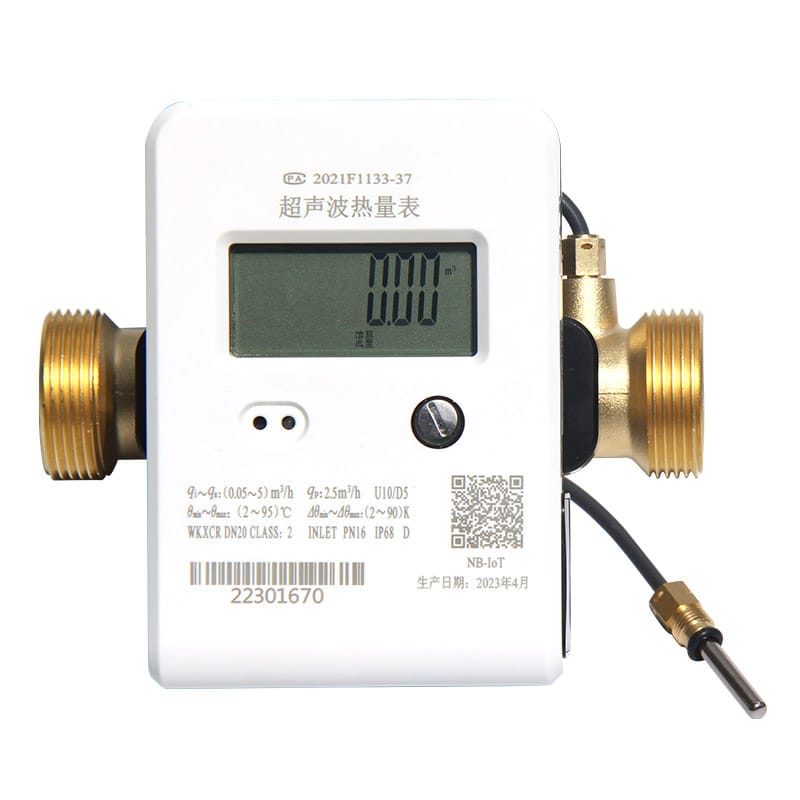
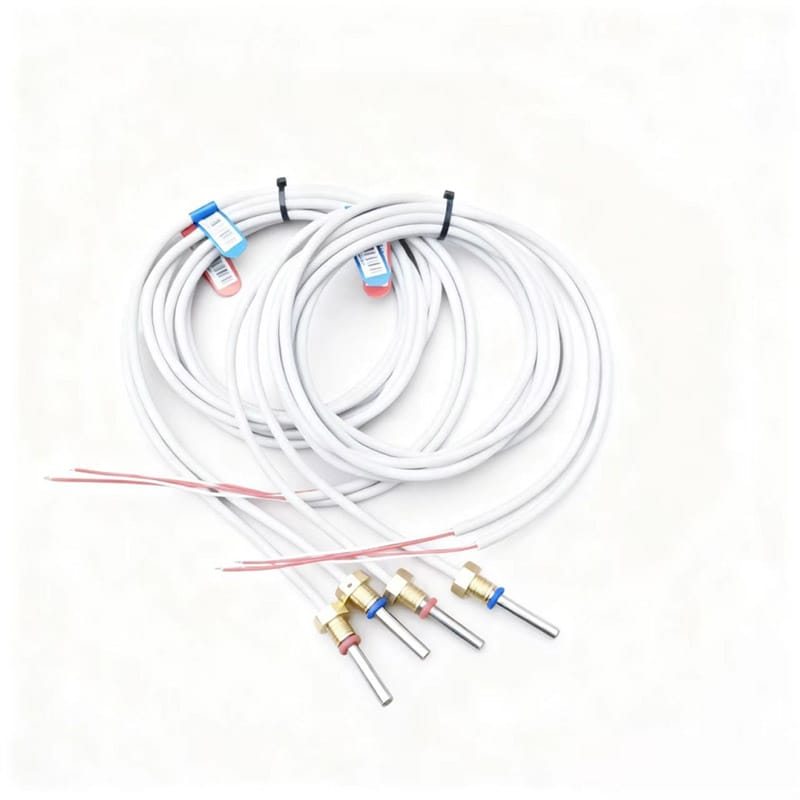
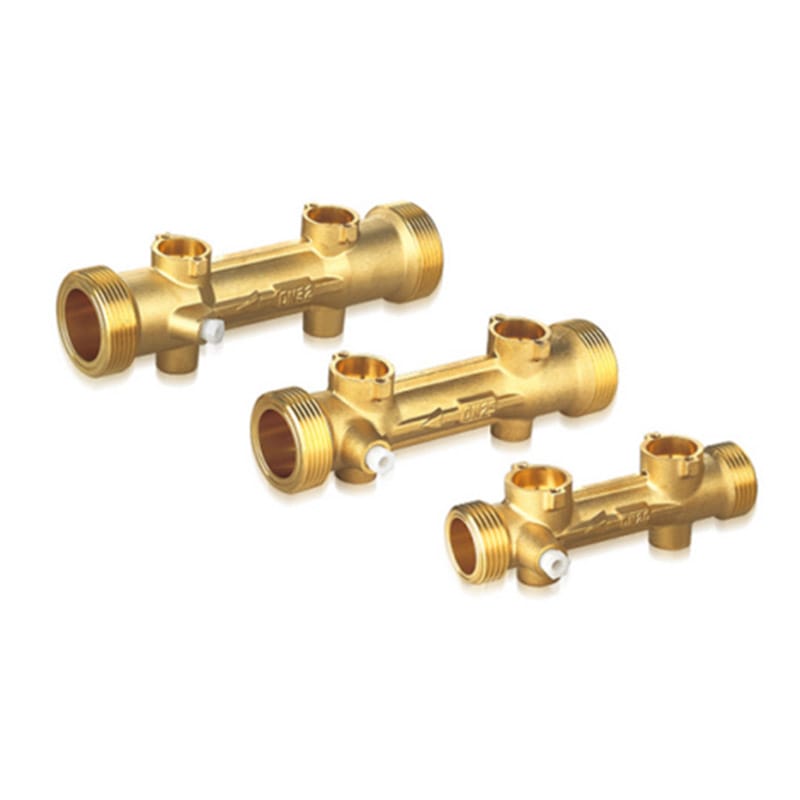
Dingjia options supporting “Follow the Measurement Chain” include the pipeline heat meter for “Distinguish Power From Energy”, matched temperature sensors for “Follow the Measurement Chain”, heat-meter base pipe for “Use the Correct Temperature Difference”, household heat meter for “Account for Density and Heat Capacity”. For “Follow the Measurement Chain,” send operating conditions and interface requirements to the engineering team before selection. The inquiry should also assign responsibility for “Respect Units at Every Interface” and “Understand the Integration Interval.”