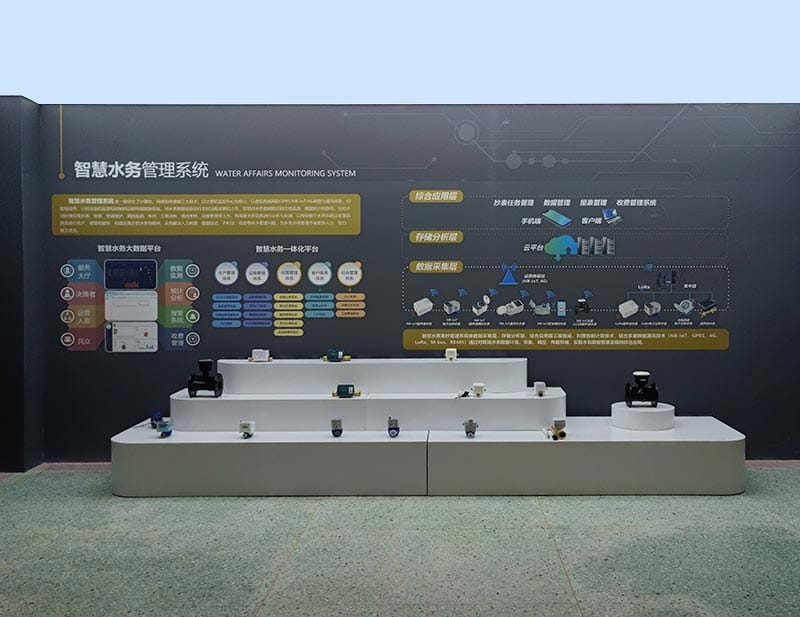
Table of Contents
Successful commissioning proves electrical health, unique addressing and correct telegram interpretation from the meter to the final application. For M-Bus water meter commissioning, begin with “Survey the Bus Before Connecting Devices” and then “Verify Bus Voltage at the Farthest Meter.” Together, “Survey the Bus Before Connecting Devices” and “Verify Bus Voltage at the Farthest Meter” define the M-Bus water meter commissioning evidence needed before “Discover and Assign Unique Addresses.”
After “Discover and Assign Unique Addresses,” the M-Bus water meter commissioning workflow continues to “Confirm Baud Rate and Polling Behavior” and ends at “Deliver an Address and Point Register.” The move from “Discover and Assign Unique Addresses” to “Deliver an Address and Point Register” explains the M-Bus water meter commissioning logic behind this H1.
Survey the Bus Before Connecting Devices
Document cable length, conductor size, branches, master capacity and expected unit loads. Measure for shorts or unintended earth connections before energizing. Treat “Survey the Bus Before Connecting Devices” as a complete M-Bus water meter commissioning decision. Recheck “Survey the Bus Before Connecting Devices” against M-Bus water meter commissioning pipework, controls, interfaces and service access.
- Verify document cable length.
- Document master capacity and expected unit loads.
- Compare measure for shorts or unintended earth connections before energizing.
Verify Bus Voltage at the Farthest Meter
Measure at the master and remote end under load. Excessive voltage drop can create intermittent communication that looks like an addressing fault. Change one “Verify Bus Voltage at the Farthest Meter” variable at a time during M-Bus water meter commissioning diagnosis. The “Verify Bus Voltage at the Farthest Meter” baseline separates “Verify Bus Voltage at the Farthest Meter” hardware, process and installation causes.
- Verify measure at the master and remote end under load.
- Document excessive voltage drop can create intermittent communication that looks like an addressing fault.
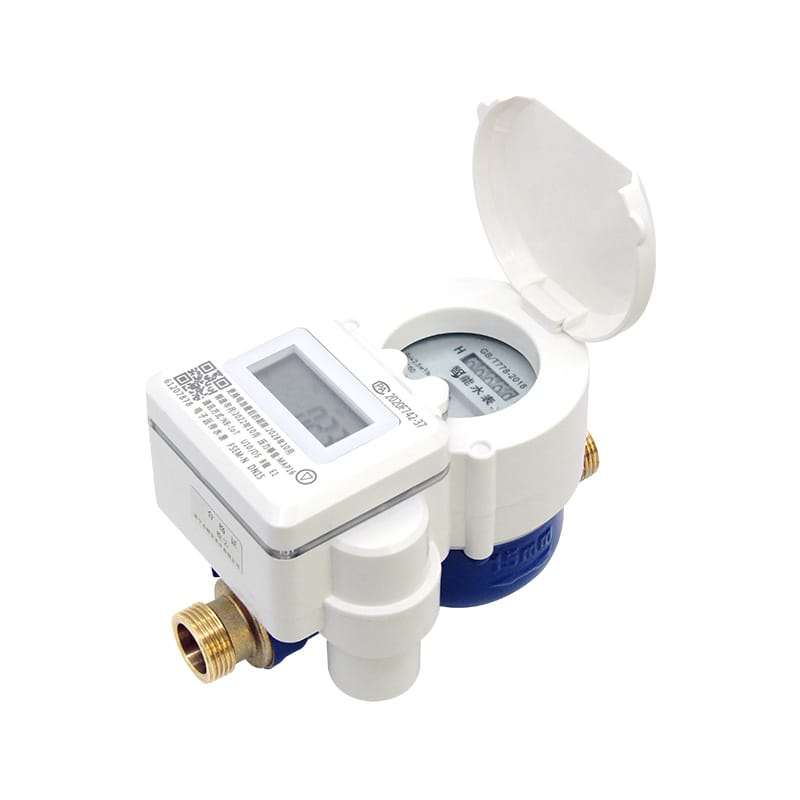
Discover and Assign Unique Addresses
Record primary and secondary identities, resolve duplicates and label each physical meter. Never rely on an unverified factory default in a multi-device network. Close “Discover and Assign Unique Addresses” with a named M-Bus water meter commissioning owner. For “Discover and Assign Unique Addresses,” keep its photographs, configuration export and “Discover and Assign Unique Addresses” comparison readings.
- Verify record primary and secondary identities.
- Document resolve duplicates and label each physical meter.
- Compare never rely on an unverified factory default in a multi-device network.
Confirm Baud Rate and Polling Behavior
Use settings supported by every device and allow adequate response time. Aggressive polling can reduce reliability without creating useful operational value. For “Confirm Baud Rate and Polling Behavior,” the M-Bus water meter commissioning team ties assumptions to field evidence. Its “Confirm Baud Rate and Polling Behavior” record names the source, unit and “Confirm Baud Rate and Polling Behavior” exception owner.
- Verify use settings supported by every device and allow adequate response time.
- Document aggressive polling can reduce reliability without creating useful operational value.
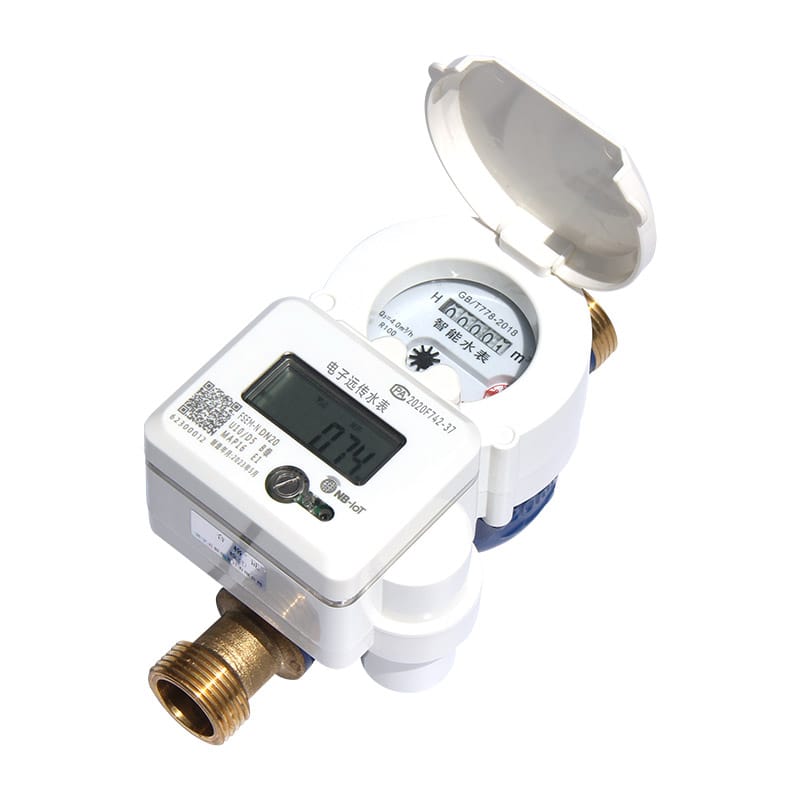
Decode Telegram Records Carefully
Map volume, flow, status and timestamps using each record鈥檚 unit and multiplier. Do not assume the first numeric field is the billing total. Use drawings and measurements to complete “Decode Telegram Records Carefully” in M-Bus water meter commissioning. A written “Decode Telegram Records Carefully” decision keeps installation and operations aligned.
- Verify status and timestamps using each record鈥檚 unit and multiplier.
- Document do not assume the first numeric field is the billing total.
Compare Remote Values With the Display
Check identity, total, instantaneous value and status at the same time. Allow for display rounding and telegram update timing when comparing. A plausible “Compare Remote Values With the Display” result can hide a M-Bus water meter commissioning error. Store “Compare Remote Values With the Display” limits, test conditions and exception ownership.
- Verify instantaneous value and status at the same time.
- Document allow for display rounding and telegram update timing when comparing.
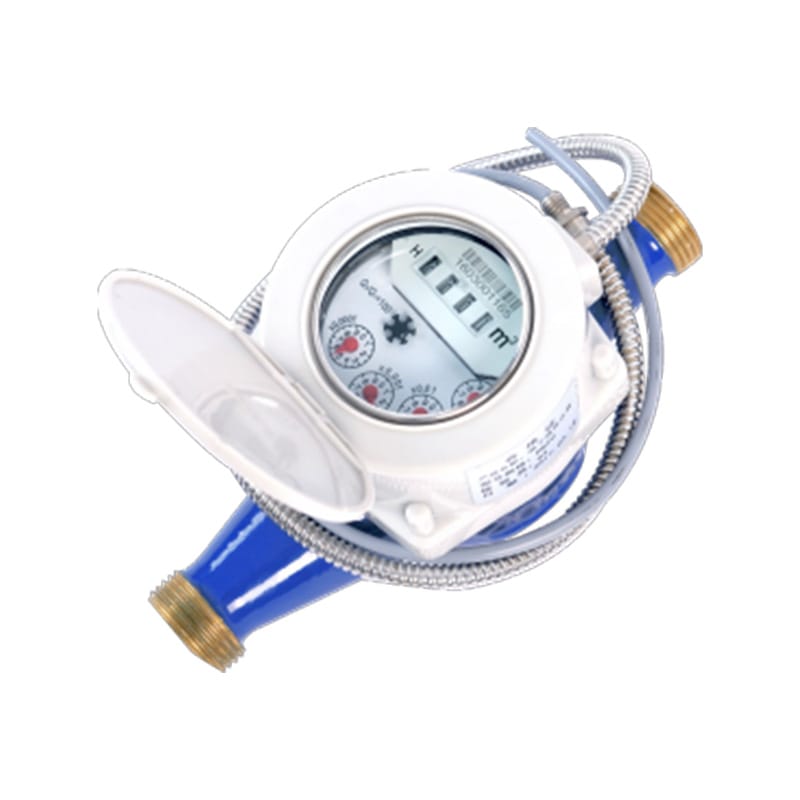
Test Fault and Recovery Conditions
Disconnect a branch, restart the master and restore power to confirm predictable recovery. Verify that the application distinguishes stale data from zero consumption. Share “Test Fault and Recovery Conditions” evidence with the M-Bus water meter commissioning stakeholders. If “Test Fault and Recovery Conditions” misses its basis, revise the “Test Fault and Recovery Conditions” selection and record why.
- Verify disconnect a branch.
- Document restart the master and restore power to confirm predictable recovery.
- Compare verify that the application distinguishes stale data from zero consumption.
Deliver an Address and Point Register
Handover cable drawings, device IDs, addresses, baud rate, polling interval, mapped records and screenshots of accepted values. Give “Deliver an Address and Point Register” a dedicated M-Bus water meter commissioning acceptance test. Preserve “Deliver an Address and Point Register” values and diagnostics for a repeatable “Deliver an Address and Point Register” check.
- Verify handover cable drawings.
- Document polling interval.
- Compare mapped records and screenshots of accepted values.
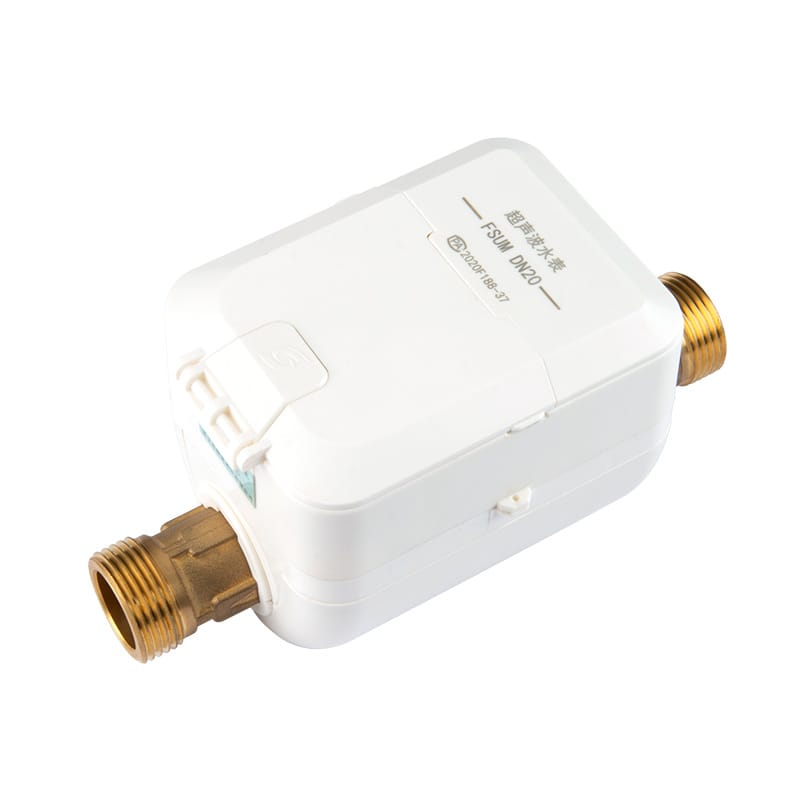
Survey the Bus Before Connecting Devices Decision Table
| Decision | Evidence | Release condition |
|---|---|---|
| Survey the Bus Before Connecting Devices | Document cable length, conductor size, branches, master capacity and expected unit loads | Release “Survey the Bus Before Connecting Devices” only after its M-Bus water meter commissioning evidence is accepted |
| Verify Bus Voltage at the Farthest Meter | Measure at the master and remote end under load | Release “Verify Bus Voltage at the Farthest Meter” only after its M-Bus water meter commissioning evidence is accepted |
| Discover and Assign Unique Addresses | Record primary and secondary identities, resolve duplicates and label each physical meter | Release “Discover and Assign Unique Addresses” only after its M-Bus water meter commissioning evidence is accepted |
| Confirm Baud Rate and Polling Behavior | Use settings supported by every device and allow adequate response time | Release “Confirm Baud Rate and Polling Behavior” only after its M-Bus water meter commissioning evidence is accepted |
| Decode Telegram Records Carefully | Map volume, flow, status and timestamps using each record鈥檚 unit and multiplier | Release “Decode Telegram Records Carefully” only after its M-Bus water meter commissioning evidence is accepted |
Five Questions About “Deliver an Address and Point Register”
Which “Survey the Bus Before Connecting Devices” check comes first for M-Bus water meter commissioning?
Document cable length, conductor size, branches, master capacity and expected unit loads. Measure for shorts or unintended earth connections before energizing.
Why does verify bus voltage at the farthest meter affect M-Bus water meter commissioning?
Measure at the master and remote end under load. Excessive voltage drop can create intermittent communication that looks like an addressing fault.
How should test fault and recovery conditions be verified?
Disconnect a branch, restart the master and restore power to confirm predictable recovery. Verify that the application distinguishes stale data from zero consumption.
When must the M-Bus water meter commissioning basis be reviewed?
Review M-Bus water meter commissioning when inputs to “Survey the Bus Before Connecting Devices,” “Confirm Baud Rate and Polling Behavior” or “Test Fault and Recovery Conditions” change.
Which details support “Verify Bus Voltage at the Farthest Meter” in M-Bus water meter commissioning?
For M-Bus water meter commissioning, provide the inputs for “Survey the Bus Before Connecting Devices,” the constraints from “Verify Bus Voltage at the Farthest Meter” and the evidence expected under “Test Fault and Recovery Conditions.”
Technical references for “Survey the Bus Before Connecting Devices” include NIST IoT Cybersecurity for “Survey the Bus Before Connecting Devices”, M-Bus for “Verify Bus Voltage at the Farthest Meter”, GSMA Mobile IoT for “Discover and Assign Unique Addresses”, LoRa Alliance for “Confirm Baud Rate and Polling Behavior”. The project specification should name the applicable edition and local rules.
Dingjia options supporting “Verify Bus Voltage at the Farthest Meter” include the discuss an integration for “Survey the Bus Before Connecting Devices”, NB-IoT and Bluetooth meter for “Verify Bus Voltage at the Farthest Meter”, remote valve-controlled meter for “Discover and Assign Unique Addresses”, electronic remote meter for “Confirm Baud Rate and Polling Behavior”. For “Verify Bus Voltage at the Farthest Meter,” send operating conditions and interface requirements to the engineering team before selection. The inquiry should also assign responsibility for “Decode Telegram Records Carefully” and “Compare Remote Values With the Display.”