
Table of Contents
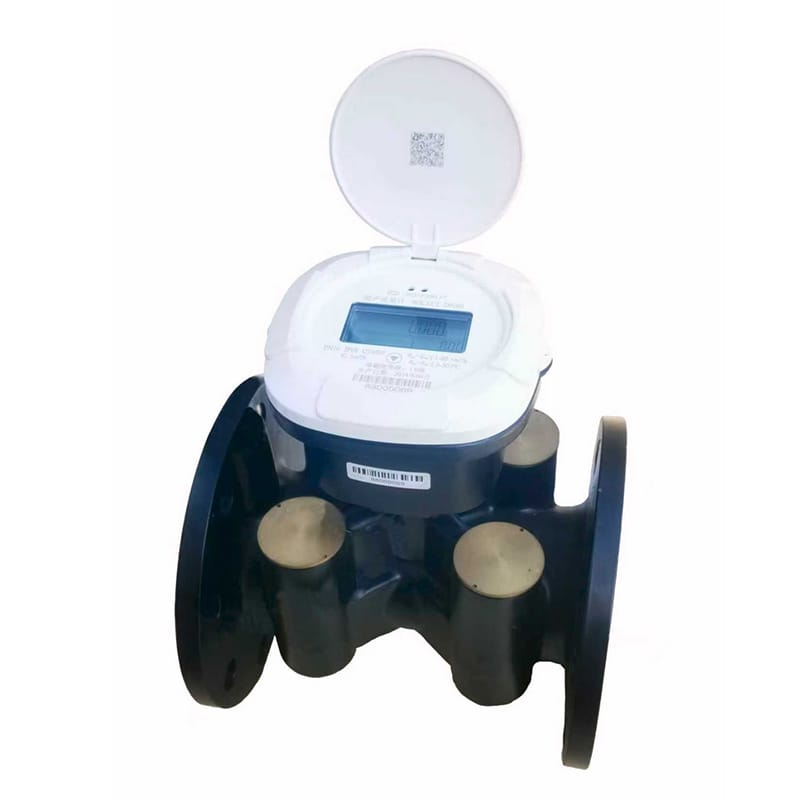
The useful distinction is operational: AMR collects readings with limited interaction, while AMI supports persistent two-way services. The choice should follow decisions, coverage and support capability. For AMI vs AMR water metering, begin with “Define What the Utility Must Do With Data” and then “Compare Collection Models.” Together, “Define What the Utility Must Do With Data” and “Compare Collection Models” define the AMI vs AMR water metering evidence needed before “Set a Realistic Data-Latency Requirement.”
After “Set a Realistic Data-Latency Requirement,” the AMI vs AMR water metering workflow continues to “Assess Coverage at Meter Locations” and ends at “Choose With a Weighted Decision Matrix.” The move from “Set a Realistic Data-Latency Requirement” to “Choose With a Weighted Decision Matrix” explains the AMI vs AMR water metering logic behind this H1.
Define What the Utility Must Do With Data
List billing frequency, leak alerts, service investigation, remote configuration and valve-control needs. Do not buy two-way capability without an operating process to use it. For “Define What the Utility Must Do With Data,” the AMI vs AMR water metering team ties assumptions to field evidence. Its “Define What the Utility Must Do With Data” record names the source, unit and “Define What the Utility Must Do With Data” exception owner.
- Verify list billing frequency.
- Document service investigation.
- Compare remote configuration and valve-control needs.
- Confirm do not buy two-way capability without an operating process to use it.
Compare Collection Models
Walk-by, drive-by, fixed-network and cellular architectures differ in labor, latency and dependency. Model the complete route from endpoint to billing or analytics. Use drawings and measurements to complete “Compare Collection Models” in AMI vs AMR water metering. A written “Compare Collection Models” decision keeps installation and operations aligned.
- Verify fixed-network and cellular architectures differ in labor.
- Document latency and dependency.
- Compare model the complete route from endpoint to billing or analytics.
Set a Realistic Data-Latency Requirement
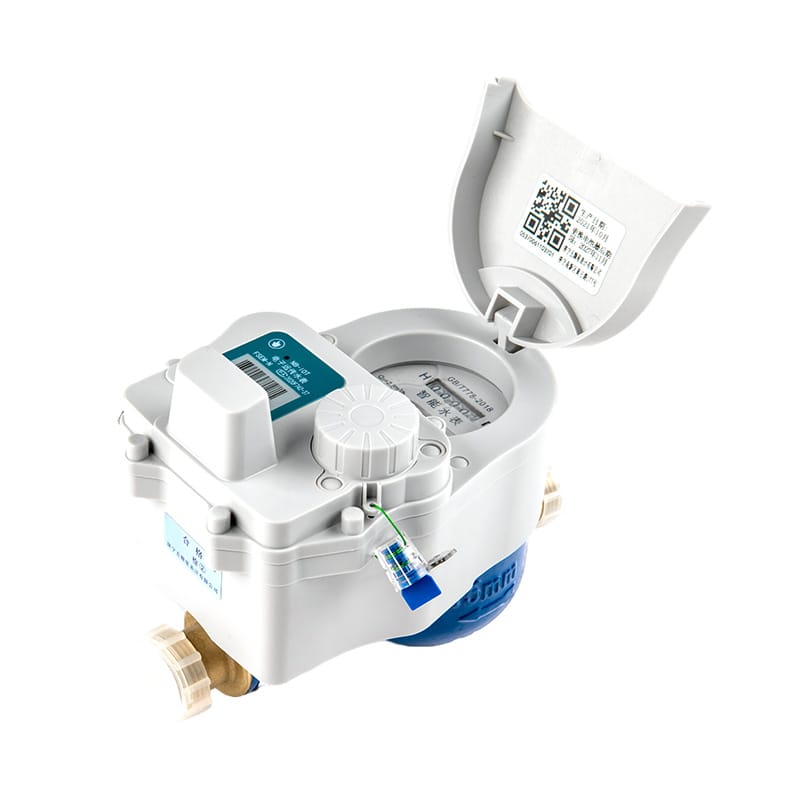
Monthly billing, daily exception reporting and near-real-time control need different infrastructure. Higher frequency adds storage, validation and response workload. A plausible “Set a Realistic Data-Latency Requirement” result can hide a AMI vs AMR water metering error. Store “Set a Realistic Data-Latency Requirement” limits, test conditions and exception ownership.
- Verify daily exception reporting and near-real-time control need different infrastructure.
- Document higher frequency adds storage.
- Compare validation and response workload.
Assess Coverage at Meter Locations
Basements, pits and dense buildings require representative surveys. A regional coverage map does not prove reliable endpoint communication. Share “Assess Coverage at Meter Locations” evidence with the AMI vs AMR water metering stakeholders. If “Assess Coverage at Meter Locations” misses its basis, revise the “Assess Coverage at Meter Locations” selection and record why.
- Verify pits and dense buildings require representative surveys.
- Document a regional coverage map does not prove reliable endpoint communication.
Plan Systems Integration
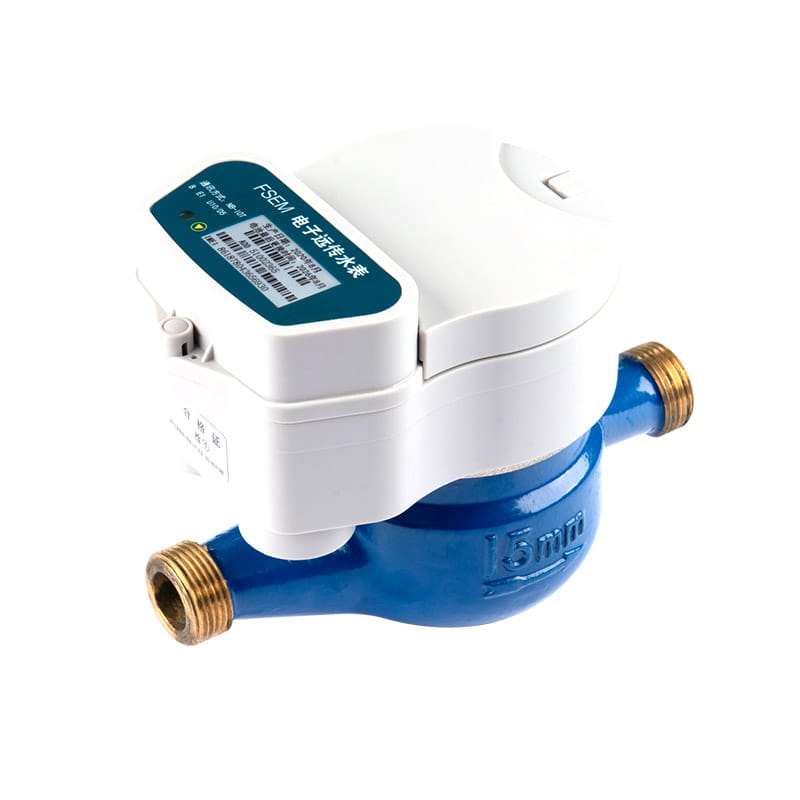
Define identifiers, units, timestamps, validation rules and interfaces to billing, GIS, work management and customer systems before selecting a head end. Give “Plan Systems Integration” a dedicated AMI vs AMR water metering acceptance test. Preserve “Plan Systems Integration” values and diagnostics for a repeatable “Plan Systems Integration” check.
- Verify define identifiers.
- Document validation rules and interfaces to billing.
- Compare work management and customer systems before selecting a head end.
Treat Cybersecurity as Lifecycle Work
Address device identity, access control, key management, software updates, logging and incident ownership. Security does not end at initial commissioning. Treat “Treat Cybersecurity as Lifecycle Work” as a complete AMI vs AMR water metering decision. Recheck “Treat Cybersecurity as Lifecycle Work” against AMI vs AMR water metering pipework, controls, interfaces and service access.
- Verify address device identity.
- Document software updates.
- Compare logging and incident ownership.
- Confirm security does not end at initial commissioning.
Model Field and Back-Office Operations
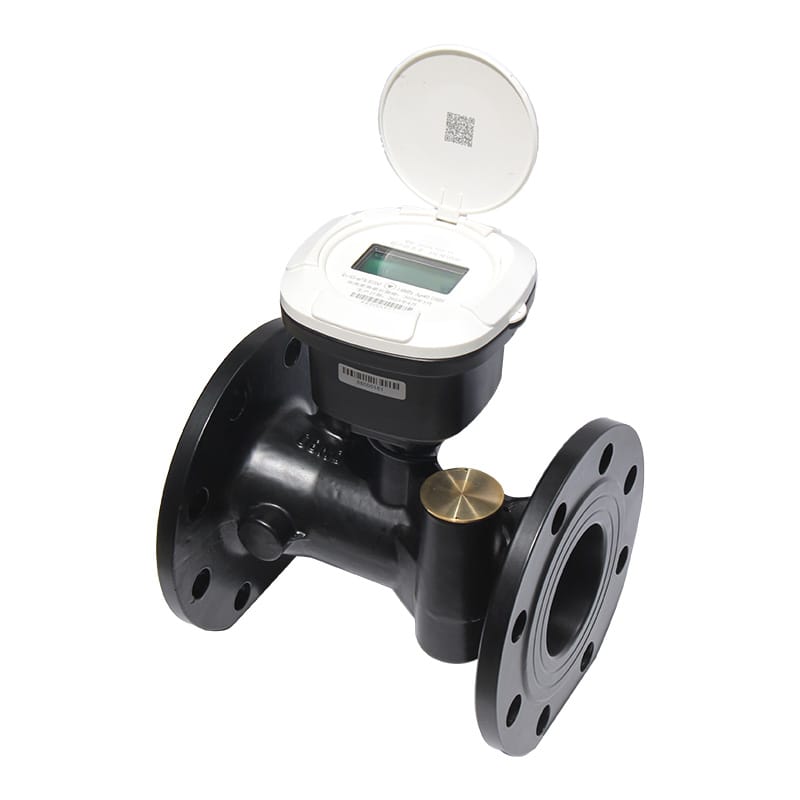
Include installation, exception handling, failed reads, battery service, data quality and customer support. Automation changes work rather than eliminating it. Change one “Model Field and Back-Office Operations” variable at a time during AMI vs AMR water metering diagnosis. The “Model Field and Back-Office Operations” baseline separates “Model Field and Back-Office Operations” hardware, process and installation causes.
- Verify include installation.
- Document exception handling.
- Compare data quality and customer support.
- Confirm automation changes work rather than eliminating it.
Choose With a Weighted Decision Matrix
Score required outcomes, coverage, integration, control, security and maintainability. Keep optional future features separate from essential day-one functions. Close “Choose With a Weighted Decision Matrix” with a named AMI vs AMR water metering owner. For “Choose With a Weighted Decision Matrix,” keep its photographs, configuration export and “Choose With a Weighted Decision Matrix” comparison readings.
- Verify score required outcomes.
- Document security and maintainability.
- Compare keep optional future features separate from essential day-one functions.
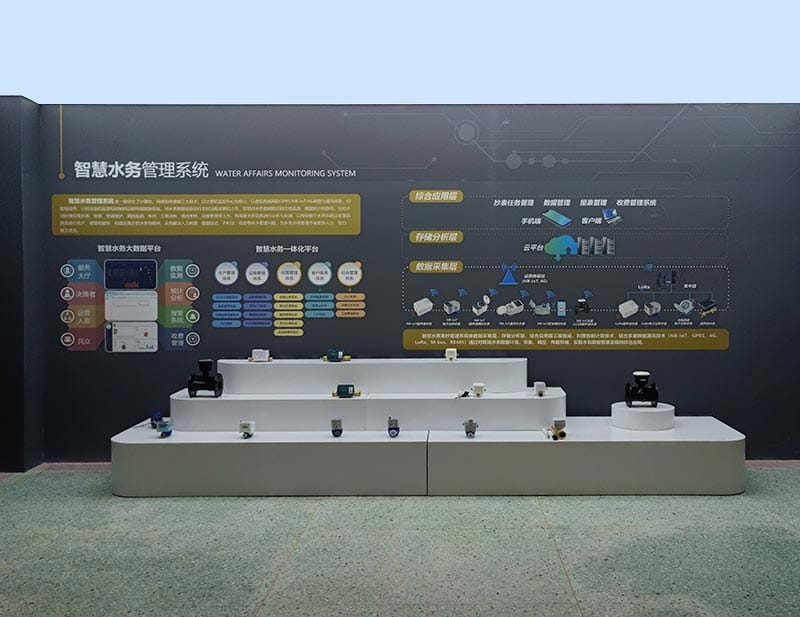
Define What the Utility Must Do With Data Decision Table
| Decision | Evidence | Release condition |
|---|---|---|
| Define What the Utility Must Do With Data | List billing frequency, leak alerts, service investigation, remote configuration and valve-control needs | Release “Define What the Utility Must Do With Data” only after its AMI vs AMR water metering evidence is accepted |
| Compare Collection Models | Walk-by, drive-by, fixed-network and cellular architectures differ in labor, latency and dependency | Release “Compare Collection Models” only after its AMI vs AMR water metering evidence is accepted |
| Set a Realistic Data-Latency Requirement | Monthly billing, daily exception reporting and near-real-time control need different infrastructure | Release “Set a Realistic Data-Latency Requirement” only after its AMI vs AMR water metering evidence is accepted |
| Assess Coverage at Meter Locations | Basements, pits and dense buildings require representative surveys | Release “Assess Coverage at Meter Locations” only after its AMI vs AMR water metering evidence is accepted |
| Plan Systems Integration | Define identifiers, units, timestamps, validation rules and interfaces to billing, GIS, work management and customer systems before selecting a head end | Release “Plan Systems Integration” only after its AMI vs AMR water metering evidence is accepted |
Five Questions About “Choose With a Weighted Decision Matrix”
Which “Define What the Utility Must Do With Data” check comes first for AMI vs AMR water metering?
List billing frequency, leak alerts, service investigation, remote configuration and valve-control needs. Do not buy two-way capability without an operating process to use it.
Why does compare collection models affect AMI vs AMR water metering?
Walk-by, drive-by, fixed-network and cellular architectures differ in labor, latency and dependency. Model the complete route from endpoint to billing or analytics.
How should model field and back-office operations be verified?
Include installation, exception handling, failed reads, battery service, data quality and customer support. Automation changes work rather than eliminating it.
When must the AMI vs AMR water metering basis be reviewed?
Review AMI vs AMR water metering when inputs to “Define What the Utility Must Do With Data,” “Assess Coverage at Meter Locations” or “Model Field and Back-Office Operations” change.
Which details support “Compare Collection Models” in AMI vs AMR water metering?
For AMI vs AMR water metering, provide the inputs for “Define What the Utility Must Do With Data,” the constraints from “Compare Collection Models” and the evidence expected under “Model Field and Back-Office Operations.”
Before approving “Define What the Utility Must Do With Data,” revisit its project assumptions. List billing frequency, leak alerts, service investigation, remote configuration and valve-control needs. Do not buy two-way capability without an operating process to use it. Record the resulting “Define What the Utility Must Do With Data” decision and any site-specific “Define What the Utility Must Do With Data” exception.
Technical references for “Define What the Utility Must Do With Data” include M-Bus for “Define What the Utility Must Do With Data”, GSMA Mobile IoT for “Compare Collection Models”, LoRa Alliance for “Set a Realistic Data-Latency Requirement”, NIST IoT Cybersecurity for “Assess Coverage at Meter Locations”. The project specification should name the applicable edition and local rules.
Dingjia options supporting “Compare Collection Models” include the NB-IoT and Bluetooth meter for “Define What the Utility Must Do With Data”, remote valve-controlled meter for “Compare Collection Models”, electronic remote meter for “Set a Realistic Data-Latency Requirement”, discuss an integration for “Assess Coverage at Meter Locations”. For “Compare Collection Models,” send operating conditions and interface requirements to the engineering team before selection. The inquiry should also assign responsibility for “Plan Systems Integration” and “Treat Cybersecurity as Lifecycle Work.”