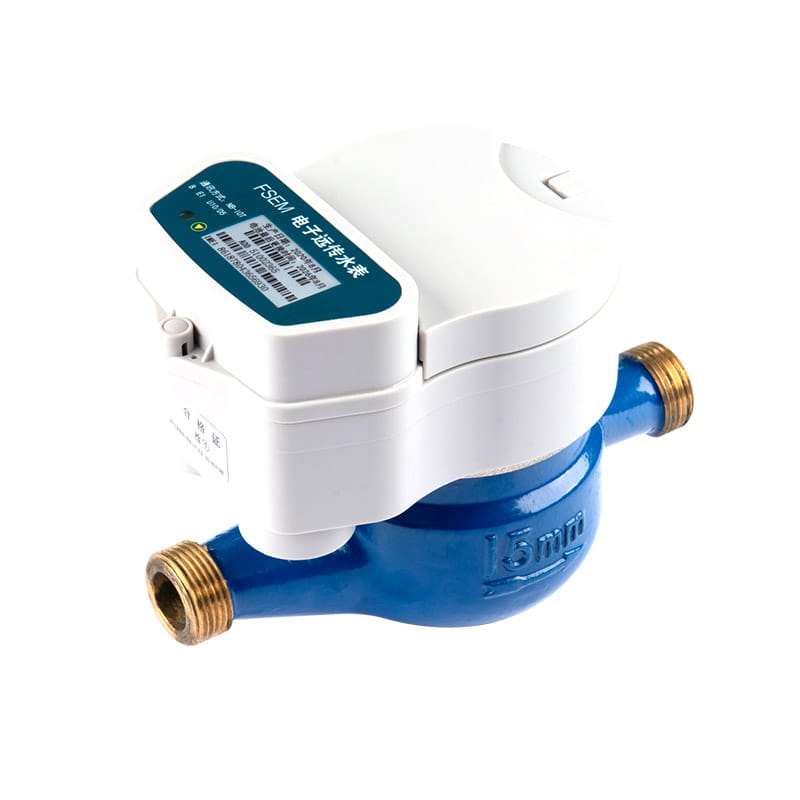
Water utilities, real estate developers, industrial parks, and smart city contractors are paying more attention to water metering accuracy than ever before. A traditional meter may be enough for simple consumption recording, but modern water networks need more than a number on a dial. They need stable measurement, remote reading compatibility, low maintenance demand, and reliable data for long-term operation.
That is why the ultrasonic water meter has become an important choice for smart water management projects.
Unlike mechanical meters, an ultrasonic water meter measures water flow by using ultrasonic signals instead of rotating parts. This design helps reduce wear, improves sensitivity at low flow, and makes the meter more suitable for digital water management. For B2B buyers, the real question is not simply whether the meter can measure water. The better question is whether it can support accurate billing, remote reading, leak analysis, and smart network management over years of operation.
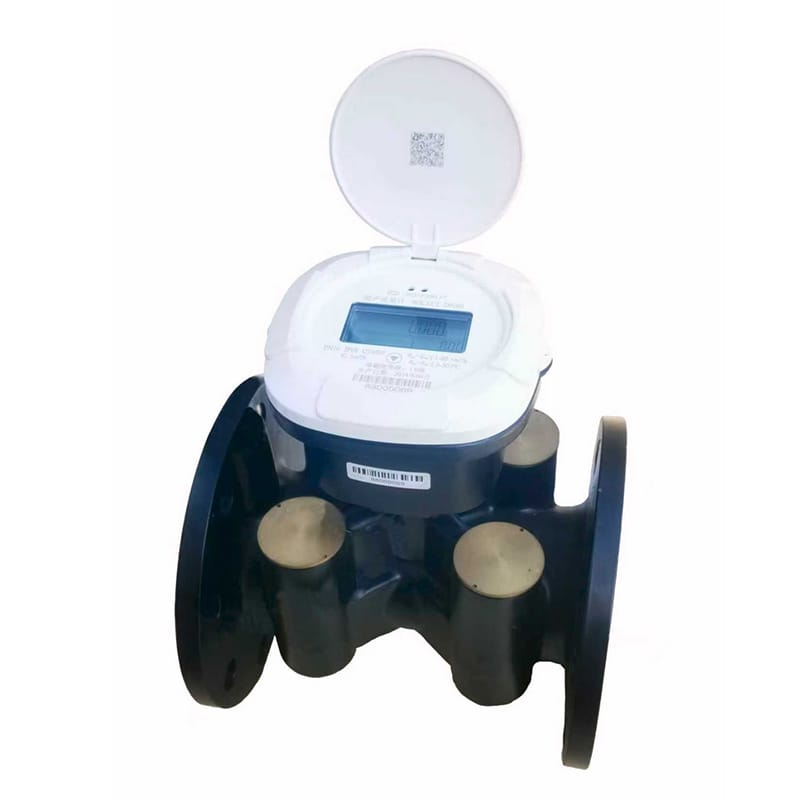
Dingjia provides different smart water metering products, including the ultrasonic water meter, pipeline network ultrasonic water meter, and other water meter solutions for residential, commercial, and utility projects.
Table of Contents
What Is an Ultrasonic Water Meter?
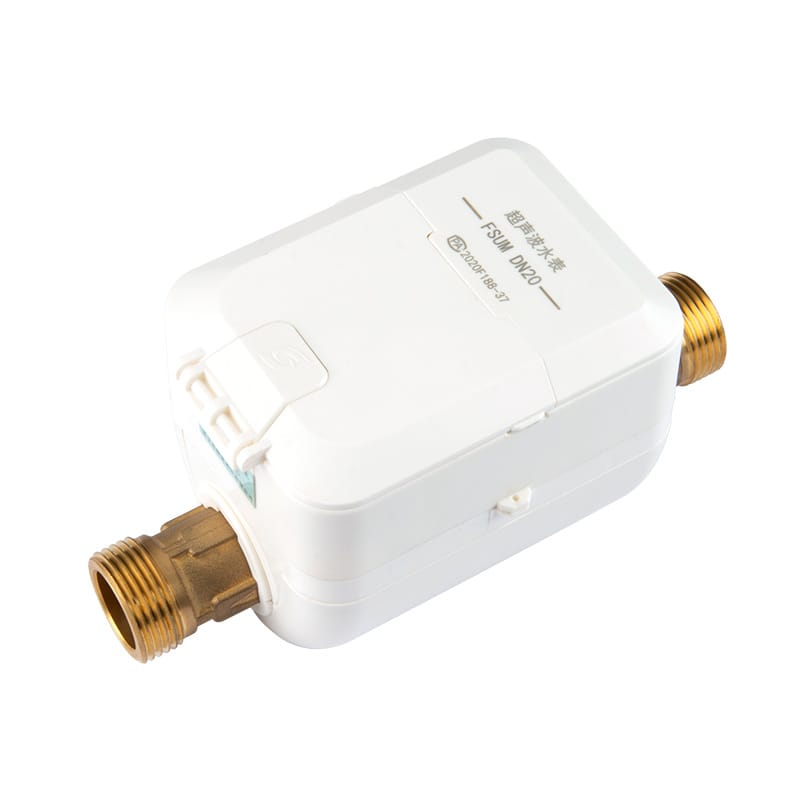
An ultrasonic water meter is a flow measurement device that uses ultrasonic waves to measure the velocity of water passing through a pipe. The meter calculates flow based on the time difference between ultrasonic signals traveling with and against the water flow.
In simple terms, when water moves through the measuring channel, it changes how fast ultrasonic signals travel between sensors. The meter uses this change to calculate flow rate and total water consumption.
This measuring method is widely known as ultrasonic flow measurement. The basic principle is also explained in the field of ultrasonic flow meters, where ultrasonic signals are used to determine flow velocity without relying on mechanical rotation.
For water utilities and engineering projects, the biggest advantage is that there are no moving parts inside the flow channel. This helps reduce mechanical wear and supports stable measurement over long service periods.
Why Ultrasonic Water Meters Are Becoming Popular
Water networks are becoming more digital. Utilities want better data. Property managers want easier billing. Industrial users want consumption visibility. Smart city projects want connected infrastructure.
An ultrasonic water meter supports these needs because it can provide accurate measurement and connect with remote reading systems.
Compared with conventional water meters, ultrasonic models are often selected for projects that require:
Remote reading
Low starting flow
Reduced mechanical wear
Stable long-term operation
Bidirectional measurement options
Digital data output
Lower maintenance pressure
Better compatibility with smart platforms
For projects where meter reading is difficult, such as underground chambers, pipe wells, high-rise buildings, rural supply networks, and scattered users, ultrasonic metering can greatly improve operational efficiency.
How an Ultrasonic Water Meter Works
The core working principle of an ultrasonic water meter is based on signal transmission time. The meter sends ultrasonic pulses through the water. When water flows in one direction, the signal traveling with the flow moves slightly faster than the signal traveling against the flow.
The meter detects this time difference and calculates water velocity. After that, it combines velocity with the pipe section area to calculate flow rate and total volume.
Transit-Time Measurement
Transit-time measurement is commonly used in clean water applications. It compares the travel time of ultrasonic signals in both directions. This method is suitable for water supply, residential metering, commercial buildings, and municipal water systems.
No Mechanical Impeller
Traditional mechanical meters often depend on an impeller or moving component. Over time, impurities, scale, wear, or low-flow conditions may affect performance. Ultrasonic meters avoid this issue because the measuring process does not depend on mechanical rotation.
Electronic Data Processing
An ultrasonic water meter usually includes an electronic calculator or processing module. This allows the meter to store data, support communication interfaces, and integrate with remote reading systems.
Ultrasonic Water Meter vs Mechanical Water Meter
Both ultrasonic and mechanical water meters can measure water consumption, but they are designed for different project expectations.
| Comparison Point | Ultrasonic Water Meter | Mechanical Water Meter |
|---|---|---|
| Measuring principle | Ultrasonic signal measurement | Mechanical rotation |
| Moving parts | No moving parts in the flow channel | Usually includes moving parts |
| Low-flow sensitivity | Generally stronger | May be limited by mechanical start flow |
| Wear resistance | Less affected by mechanical wear | Wear may affect long-term accuracy |
| Pressure loss | Usually lower | Usually higher |
| Data output | Better suited for smart metering | Depends on added modules |
| Maintenance demand | Lower in suitable conditions | Higher when impurities or wear appear |
| Best application | Smart water networks, utilities, AMI projects, buildings | Basic water consumption recording |
Mechanical meters can still be used in simple applications. However, for smart water management, ultrasonic meters provide stronger long-term value because they combine accurate measurement with digital system compatibility.
Key Benefits of Ultrasonic Water Meters for Utilities
Water utilities and project contractors often choose ultrasonic water meters because they can solve several practical management problems.
Better Low-Flow Measurement
Low-flow measurement is important because water use does not always happen at high flow rates. Small leaks, nighttime consumption, and low user demand may all occur at low flow.
If the meter cannot detect low flow accurately, consumption may be missed. An ultrasonic water meter with a low start flow can help improve measurement sensitivity and billing fairness.
No Moving Parts
The absence of moving parts reduces mechanical wear. This is useful for long-term projects where maintenance access is difficult or costly.
Remote Reading Compatibility
Many ultrasonic water meters support communication methods such as M-Bus, RS485, LoRa, NB-IoT, infrared, or pulse output. This makes them suitable for smart metering and AMI projects.
Stable Data for Water Management
Smart water systems depend on data. Ultrasonic meters can provide consumption records that support billing, leakage analysis, user behavior monitoring, and network operation review.
Suitable for Harsh Installation Environments
Water meters are often installed in wet, dusty, underground, or hard-to-access spaces. A meter with strong sealing and protection design is important for long-term reliability.
Where Ultrasonic Water Meters Are Used
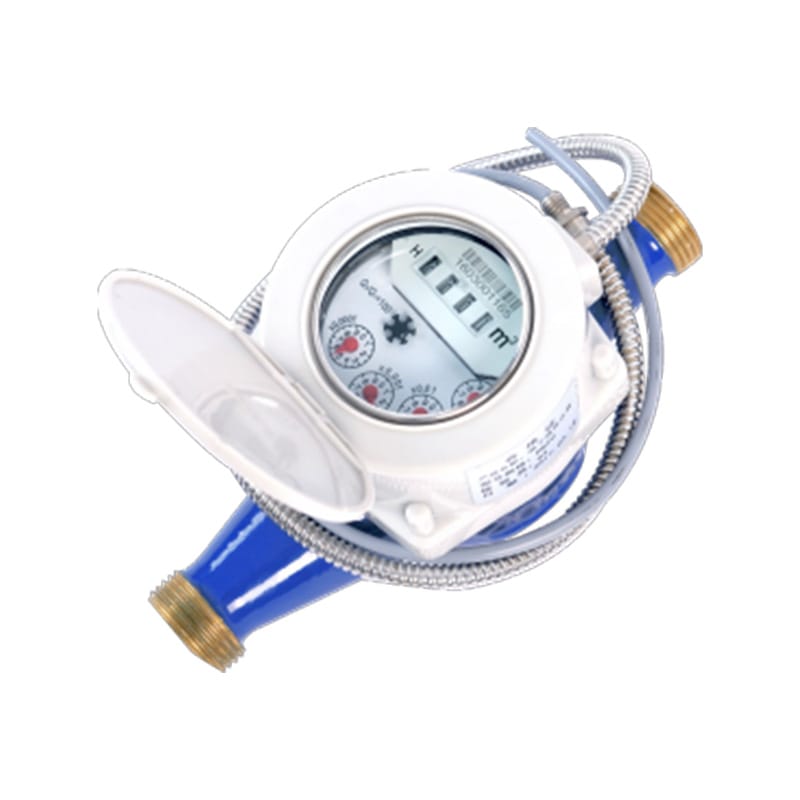
An ultrasonic water meter can be used in many water management scenarios. The correct model depends on pipe size, flow range, communication needs, and installation environment.
Residential Buildings
In apartment buildings and residential communities, ultrasonic water meters support accurate user billing and remote reading. They are useful in projects where manual reading is inefficient or where property managers want centralized data collection.
Commercial Facilities
Hotels, schools, hospitals, shopping centers, and office buildings often need water consumption data by building, floor, tenant, or functional area. Ultrasonic meters help facility managers understand usage patterns and improve water management.
Municipal Water Supply
Utilities can use ultrasonic water meters for user metering, district metering, branch network monitoring, and smart water platform data collection.
Industrial Parks
Industrial parks may have multiple users and complex water demand. Ultrasonic water meters can help operators allocate consumption, monitor abnormal use, and manage internal billing more clearly.
Pipeline Network Monitoring
For larger pipelines and network-level measurement, Dingjia’s pipeline network ultrasonic water meter is suitable for applications requiring larger diameter options, bidirectional measurement, remote communication, and stable long-term monitoring.
How to Choose the Right Ultrasonic Water Meter
Choosing an ultrasonic water meter should be based on the project’s actual working conditions, not only the pipe diameter.
Confirm Pipe Diameter and Flow Range
Pipe diameter is important, but actual flow conditions are more important. Buyers should confirm minimum flow, common operating flow, and peak flow.
A meter that is too large may not perform well at low flow. A meter that is too small may increase pressure loss or overload risk.
Check Accuracy Requirements
Accuracy affects billing confidence and project acceptance. Water meter performance is often evaluated according to recognized standards such as ISO 4064, which covers requirements for cold potable water and hot water meters.
For utility projects, buyers should confirm the required accuracy class, flow range, test documentation, and local acceptance requirements before ordering.
Select the Right Communication Method
The best communication method depends on the project environment.
M-Bus is often used in building systems.
RS485 is suitable for wired industrial or engineering applications.
LoRa is useful for low-power wireless local networks.
NB-IoT is suitable for wide-area remote reading.
Infrared is often used for local reading and maintenance.
Before selecting a meter, buyers should confirm the platform, data upload frequency, network coverage, and integration requirements.
Evaluate Protection Level
Meters installed in pipe wells, underground chambers, or humid environments need good sealing. IP68 protection is especially important in wet or submerged-risk locations.
Review Power Supply and Battery Life
Battery-powered ultrasonic meters must support long-term operation. Buyers should check battery design, power consumption, reporting frequency, and data protection during power interruption.
Match the Meter to the Application
A household water meter, a commercial water meter, and a pipeline network meter have different design priorities. The right meter should match flow capacity, installation space, communication method, and data management needs.
Ultrasonic Water Meter and Remote Reading Systems
Remote reading is one of the strongest reasons buyers choose ultrasonic water meters.
In a traditional system, operators must visit the site to read meters manually. This creates delayed data, labor cost, and possible reading errors. With remote reading, water consumption data can be collected automatically and sent to a management platform.
Remote reading can support:
Monthly billing
Daily consumption monitoring
Abnormal usage alerts
Leakage analysis
User account management
Water loss comparison
Maintenance planning
The U.S. EPA explains that advanced metering infrastructure can help provide more frequent water use data and support leak identification. This makes advanced metering infrastructure an important direction for modern water management.
For buyers planning a smart water project, the meter should not be evaluated alone. It should be evaluated as part of a full data system that includes communication, platform connection, data storage, and maintenance workflow.
Why Low Start Flow Matters
Low start flow is one of the most important performance indicators for an ultrasonic water meter.
In real water systems, not all consumption happens at high flow. Small leaks, dripping taps, slow nighttime use, and low-demand users may create very small flows. If the meter cannot detect these flows, water consumption may be missed.
For utilities, missed low flow can affect revenue and water loss analysis. For property managers, it can affect billing fairness. For users, it can create unclear consumption records.
An ultrasonic water meter with strong low-flow sensitivity can help capture small usage more effectively. This is especially important in residential projects, commercial buildings, and utility networks where leakage detection is part of the management goal.
Installation Factors That Affect Meter Performance
Even a high-quality ultrasonic water meter can perform poorly if installation conditions are not suitable.
Before installation, project teams should check:
Flow direction
Pipe alignment
Available installation space
Valve position
Pipe vibration
Air bubbles
Water quality
Cable protection
Signal coverage
Maintenance access
Avoid Air Accumulation
Air bubbles can affect ultrasonic signal transmission. The meter should be installed in a position where the pipe remains full of water.
Follow Flow Direction
The meter must be installed according to the marked flow direction unless the model supports bidirectional measurement and the system is designed for it.
Check Communication Signal
For wireless remote reading, signal testing should be completed before large-scale deployment. Basement meter rooms, underground chambers, and metal cabinets may affect communication performance.
Plan Maintenance Access
Even low-maintenance meters may need inspection. Installation should allow future access for reading, testing, replacement, or communication troubleshooting.
Common Mistakes Buyers Should Avoid
Many project problems come from early selection mistakes. Avoiding these mistakes can reduce installation problems and long-term maintenance risk.
Choosing Only by Price
A water meter is part of the billing and management system. Selecting only by low cost may lead to poor accuracy, weak communication, short battery life, or difficult maintenance.
Ignoring Low-Flow Performance
Low-flow sensitivity directly affects small consumption and leakage visibility. Buyers should not only compare maximum flow.
Forgetting Platform Compatibility
A meter may support remote reading, but it must match the project’s data platform and communication protocol.
Overlooking Water Quality
Water quality, sediment, and pipe conditions can affect long-term performance. The meter should be selected according to the actual site conditions.
Not Testing Before Batch Deployment
For large projects, sample testing and field communication testing are important before full installation.
What Makes a Reliable Ultrasonic Water Meter Supplier
A reliable supplier should provide more than a product list. For B2B projects, technical support, testing ability, stable production, and communication guidance are all important.
A strong ultrasonic water meter supplier should offer:
Clear technical specifications
Stable manufacturing capacity
Communication protocol support
Meter testing capability
Project selection guidance
Installation documentation
After-sales support
Customization options for project needs
Dingjia focuses on smart metering products and system solutions, covering ultrasonic water meters, heat meters, flow meters, intelligent valves, and accessories. Buyers can browse the full smart metering product range or contact the Dingjia team through the contact page for model selection support.
Buyer Checklist Before Ordering
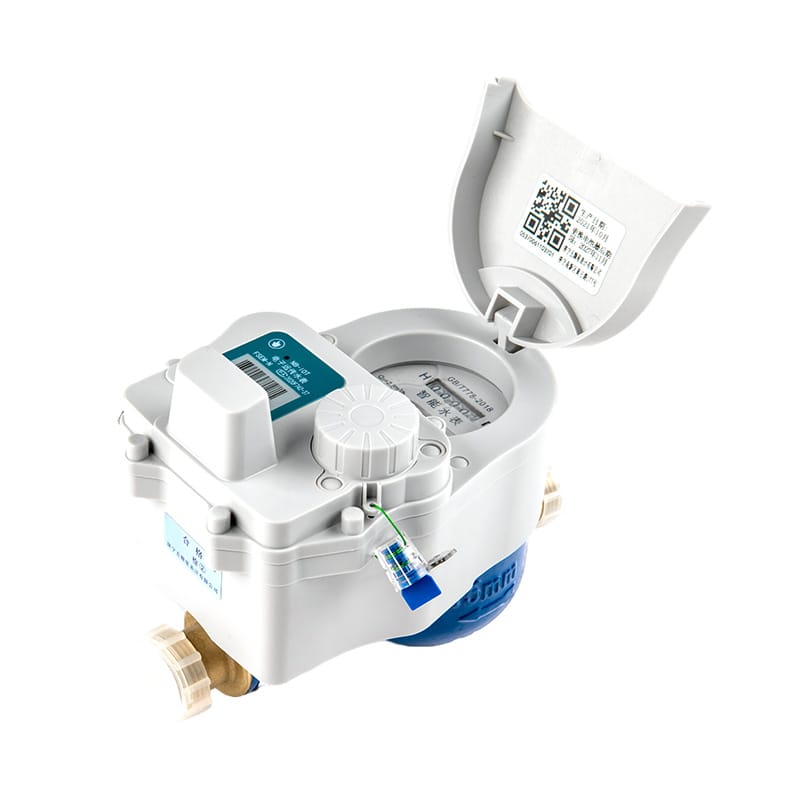
Before confirming an ultrasonic water meter order, buyers should prepare the following information:
| Selection Item | What to Confirm |
| Application | Residential, commercial, utility, industrial, or pipeline network |
| Pipe diameter | DN size and connection type |
| Flow range | Minimum, common, and maximum flow |
| Accuracy requirement | Project standard and acceptance criteria |
| Communication | M-Bus, RS485, LoRa, NB-IoT, infrared, or pulse |
| Protection level | Indoor, outdoor, underground, humid, or submerged-risk environment |
| Power supply | Battery life and replacement method |
| Installation condition | Straight pipe, space, signal, and maintenance access |
| Data requirement | Remote reading, historical records, alerts, and platform integration |
| Supplier support | Documentation, testing, customization, and technical service |
This checklist helps buyers communicate clearly with suppliers and avoid product mismatch.
FAQ
What is an ultrasonic water meter used for?
An ultrasonic water meter is used to measure water consumption in residential, commercial, municipal, and industrial water systems. It is especially suitable for smart water projects that require accurate measurement and remote reading.
Is an ultrasonic water meter more accurate than a mechanical meter?
An ultrasonic water meter can provide strong accuracy and low-flow sensitivity because it does not rely on moving parts. Actual performance depends on the meter design, installation condition, water quality, and project requirements.
Can ultrasonic water meters support remote reading?
Yes. Many ultrasonic water meters support remote reading through communication methods such as M-Bus, RS485, LoRa, NB-IoT, infrared, or pulse output, depending on the model.
Where should an ultrasonic water meter be installed?
It should be installed in a pipe section where the pipe remains full of water, flow direction is correct, vibration is limited, and maintenance access is available.
How do I choose the right ultrasonic water meter?
You should confirm pipe diameter, flow range, accuracy requirement, communication method, protection level, installation environment, power supply, and platform compatibility before choosing a model.
Conclusion
An ultrasonic water meter is a practical choice for modern water management because it combines accurate measurement, no moving parts, low-flow sensitivity, and remote reading compatibility.
For residential buildings, it supports fair billing and easier meter reading. For commercial facilities, it helps facility managers understand water consumption. For utilities, it provides valuable data for smart water networks, water loss management, and AMI deployment. For pipeline networks, larger ultrasonic meters can support branch monitoring and network-level measurement.
The best result comes from selecting the right meter for the real application. Buyers should evaluate flow range, communication method, protection level, installation environment, data needs, and supplier support before making a decision.
Dingjia provides ultrasonic water meters and smart metering solutions for different water management projects. For technical selection support, visit the ultrasonic water meter product page or contact Dingjia to discuss your project requirements.