Table of Contents
Introduction
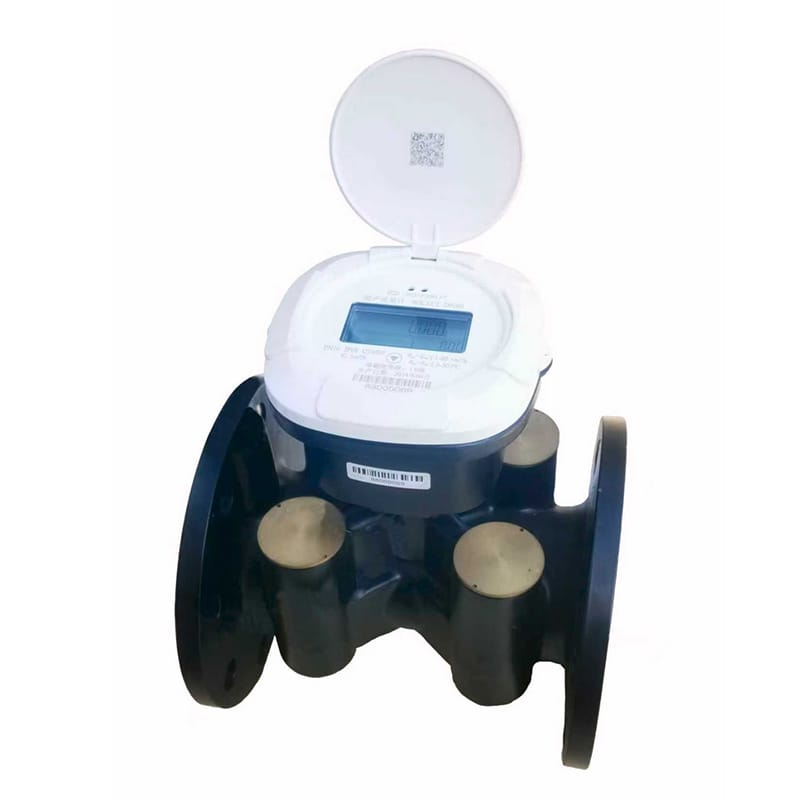
Ultrasonic water flow meters have become an essential tool in modern water measurement and management. These devices use ultrasonic waves to accurately measure the flow of water in pipelines without the need for mechanical parts, making them highly reliable and low-maintenance. As a manufacturer, we focus on producing high-quality ultrasonic water flow meters that cater to industrial, commercial, and municipal applications.
The advantages of ultrasonic water flow meters include high precision, non-intrusive installation, and long-term reliability. They are widely used in water treatment plants, industrial water systems, HVAC systems, irrigation projects, and even large pipelines. By offering both clamp-on and inline designs, manufacturers can provide solutions that meet diverse customer needs.
Working Principle of Ultrasonic Water Flow Meters
Ultrasonic water flow meters operate based on the propagation of sound waves through a liquid. There are two main types:
Transit-Time Ultrasonic Flow Measurement:
This method uses two transducers placed on opposite sides of the pipe. One transducer sends an ultrasonic pulse downstream, while the other sends one upstream. The difference in transit time between the two pulses correlates directly with the flow velocity. This method is highly accurate for clean liquids and is commonly used in industrial applications.
Doppler Ultrasonic Flow Measurement:
Doppler meters measure the frequency shift of ultrasonic waves reflected off particles or bubbles in the water. This type is suitable for fluids with suspended solids or aeration, providing reliable measurement in less-than-ideal conditions.
Clamp-On vs Inline Installation:
Clamp-on ultrasonic flow meters attach externally to the pipe, making them easy to install without disrupting the system. Inline meters are inserted into the pipe and are ideal for applications requiring continuous monitoring and higher accuracy. Manufacturers often offer both options to provide flexibility for different industries.
Key Features of High-Quality Ultrasonic Water Flow Meters
High-quality ultrasonic water flow meters offer features that ensure precision, durability, and ease of use. These include:
- Measurement accuracy typically within ±0.5% of reading
- Wide flow range and adaptability to different pipe sizes
- Temperature and pressure tolerance suitable for industrial systems
- Digital outputs such as 4-20 mA, Modbus, or pulse signals
- Battery-powered and portable options for field use
- Low maintenance due to no moving parts
These features make ultrasonic flow meters ideal for applications where reliability and precision are critical.
Applications Across Industries
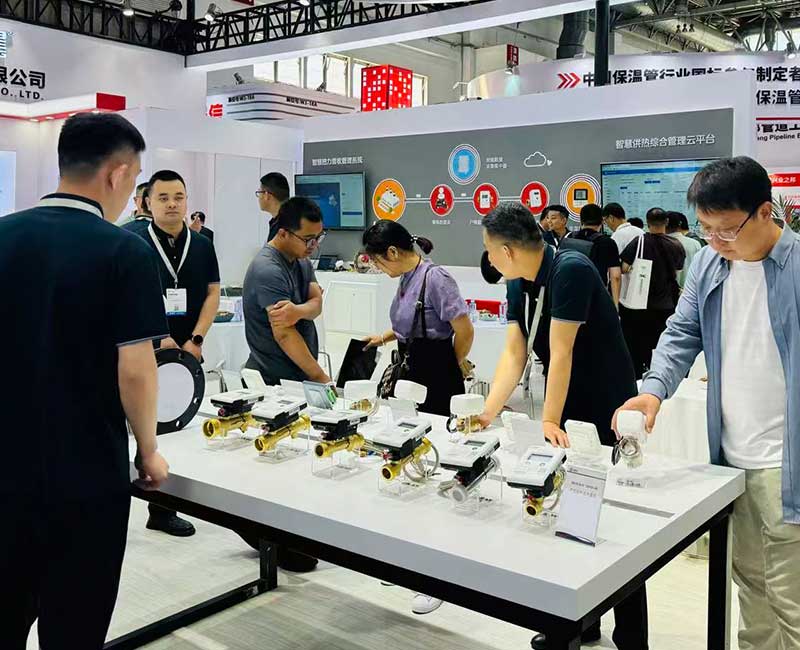
Ultrasonic water flow meters are versatile and serve multiple industries. Some common applications include:
Water Treatment Plants: Accurate measurement of influent and effluent flows ensures process efficiency and compliance with environmental standards.
Industrial Water Systems: Flow monitoring in manufacturing processes, cooling systems, and chemical handling reduces waste and improves energy efficiency.
HVAC and Cooling Systems: Ultrasonic meters provide precise monitoring of water flow in heating and cooling circuits, optimizing system performance.
Irrigation and Agriculture: These meters ensure uniform water distribution, supporting crop health and resource efficiency.
When selecting an ultrasonic water flow meter, it is essential to match the meter type with the specific application to achieve the best performance.
Comparison With Other Flow Meters
| Feature | Ultrasonic Flow Meter | Mechanical Flow Meter | Electromagnetic Flow Meter |
|---|---|---|---|
| Accuracy | ±0.5% | ±1-3% | ±0.5-1% |
| Moving Parts | None | Yes | None |
| Maintenance | Low | High | Medium |
| Installation | Non-intrusive (clamp-on) | Requires pipeline cut-in | Requires conductive fluid |
| Suitable for Large Pipes | Yes | Limited | Yes |
| Best Use Case | Industrial & municipal | Small pipes & general use | Industrial & chemical fluids |
Ultrasonic meters outperform mechanical meters in accuracy, maintenance, and adaptability. Compared to electromagnetic meters, ultrasonic meters offer non-intrusive installation options and are ideal for both large and small pipe diameters.
Installation and Calibration Tips
Proper installation is critical to ensure the accuracy of ultrasonic water flow meters. Key considerations include:
- Selecting the correct transducer type and placement
- Ensuring proper pipe straight lengths upstream and downstream of the meter
- Avoiding air bubbles and turbulent flow near the measurement point
Calibration should be performed according to manufacturer guidelines. Regular inspection and maintenance, even for non-intrusive meters, help maintain precision and extend service life.
Troubleshooting and Maintenance
Common issues with ultrasonic water flow meters include signal loss, erratic readings, or interference from pipe materials. Manufacturers provide guidelines to address these issues:
- Verify transducer alignment and contact
- Check for any obstruction or buildup on the pipe surface
- Ensure the fluid meets the meter’s recommended conditions (temperature, pressure, conductivity)
Routine maintenance is minimal but crucial for maintaining measurement accuracy over time. Providing professional technical support enhances customer satisfaction and builds trust in the product.
How to Choose the Right Ultrasonic Water Flow Meter
When selecting an ultrasonic water flow meter, consider the following factors:
- Flow Range and Pipe Diameter: Choose a meter that accommodates your system size.
- Accuracy Requirements: Higher-precision meters are essential for billing or process control.
- Installation Method: Clamp-on meters for non-intrusive use; inline meters for continuous monitoring.
- Additional Features: Digital display, data logging, and connectivity options improve usability.
- Budget and Long-Term Cost: Evaluate initial cost versus maintenance and operational efficiency.
Combining these considerations with your specific application ensures optimal performance. Popular options include clamp-on ultrasonic flow meters for easy installation and portable ultrasonic water flow meters for field inspections.
Advantages of Purchasing Directly From a Manufacturer
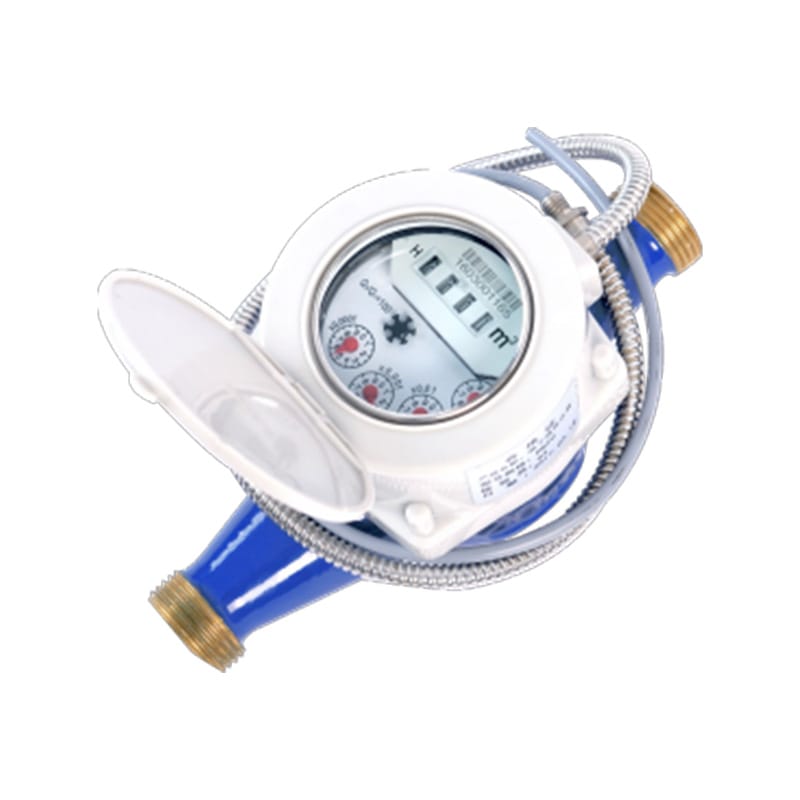
Buying directly from a manufacturer provides several benefits:
- Customization options for specific industrial needs
- Access to expert technical support and installation guidance
- Assurance of genuine, high-quality components
- Competitive pricing for bulk or OEM orders
Manufacturers like us offer reliable ultrasonic water flow meters designed to meet strict industrial standards, providing long-term accuracy and durability.
Conclusion
Ultrasonic water flow meters are an essential tool for accurate, reliable, and low-maintenance water flow measurement across multiple industries. Their high precision, non-intrusive installation, and versatility make them ideal for water treatment plants, industrial water systems, HVAC, and irrigation.
As a manufacturer, we focus on producing high-quality ultrasonic water flow meters, including clamp-on, inline, and portable designs, tailored to diverse customer needs. Choosing the right meter and ensuring proper installation and maintenance guarantees optimal performance and efficiency. For businesses looking to improve water measurement and management, investing in a professional ultrasonic water flow meter is a decision that delivers long-term value and reliability.
FAQ
Q1: What is an ultrasonic water flow meter?
A: An ultrasonic water flow meter is a device that measures water flow using ultrasonic sound waves. It is non-intrusive, highly accurate, and suitable for industrial and municipal water systems.
Q2: How does a clamp-on ultrasonic water flow meter work?
A: A clamp-on ultrasonic water flow meter attaches externally to a pipe and measures flow using transit-time ultrasonic pulses. It avoids cutting into pipes and allows easy installation.
Q3: What are the advantages of using an ultrasonic water flow meter?
A: Advantages include high precision, non-contact measurement, low maintenance, and adaptability for large and small pipes, making it ideal for industrial, irrigation, and HVAC applications.
Q4: Can ultrasonic water flow meters measure dirty or wastewater?
A: Yes, Doppler-type ultrasonic flow meters are designed to measure fluids with suspended solids, making them suitable for wastewater and irrigation systems.
Q5: How do I choose the right ultrasonic water flow meter for my system?
A: Consider pipe diameter, flow range, accuracy requirements, installation type (clamp-on or inline), and additional features like digital display or data logging. High accuracy ultrasonic water flow meters are recommended for precise industrial applications.