Table of Contents
What is an Electric Control Valve?
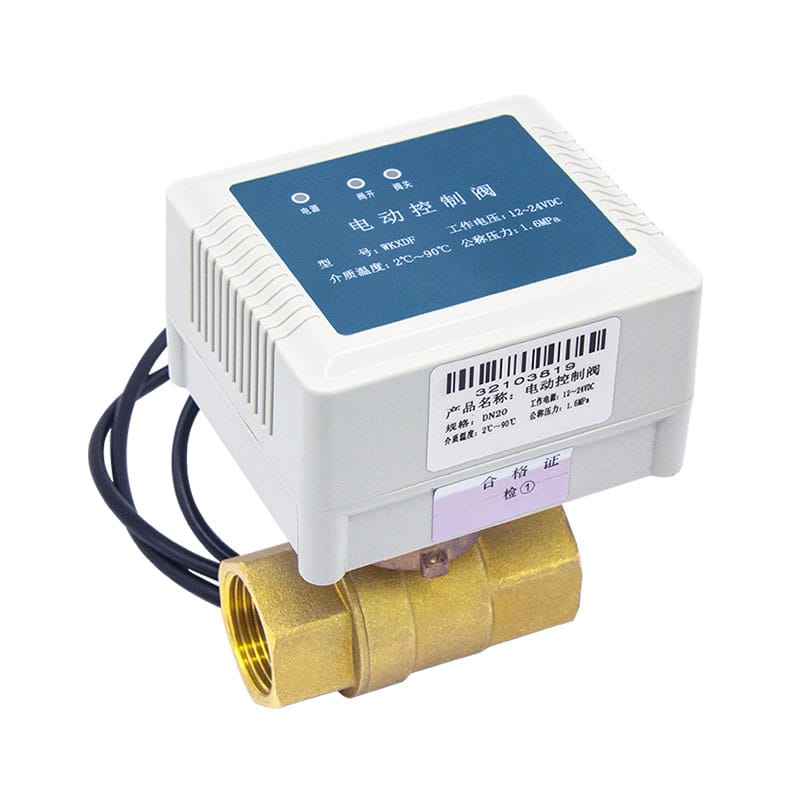
An electric control valve is a critical component in modern industrial automation systems. It regulates the flow of fluids such as water, gas, and chemicals through pipelines by converting electrical signals into precise mechanical movement. Unlike manual or pneumatic valves, electric control valves provide high precision, quick response, and seamless integration with automated control systems.
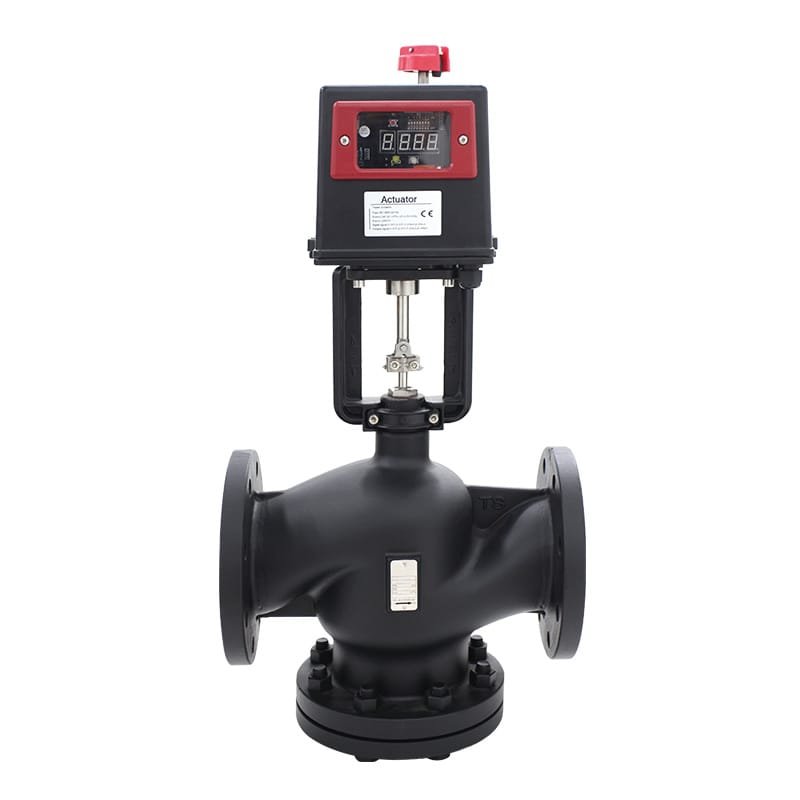
Key components of an electric control valve include the valve body, electric actuator, positioner, and control interface. The actuator receives electrical signals—often 4–20 mA or digital commands from a PLC—and adjusts the valve opening accordingly. This ensures accurate flow control, temperature regulation, or pressure maintenance in industrial processes.
As a manufacturer of electric control valves, we design each unit for reliability and performance, using durable materials such as stainless steel, carbon steel, or corrosion-resistant alloys suitable for demanding industrial environments.
Types of Electric Control Valves
Electric control valves are available in several types, each optimized for specific applications:
- On-Off Electric Control Valves: These valves are designed for simple open-and-close operations and are commonly used in HVAC systems or water treatment plants.
- Modulating Electric Control Valves: These provide precise flow adjustment and are ideal for processes requiring continuous regulation, such as chemical dosing or temperature control.
- Electric Actuator Valves: Combining the actuator and valve in one unit, these valves are widely used in industrial automation for high-speed and accurate positioning.
- High-Performance Industrial Electric Control Valves: Designed for extreme temperatures, high pressures, or corrosive fluids, these valves meet stringent industrial standards and are customizable for specific processes.
Common Applications of Electric Control Valves
Electric control valves are highly versatile and play a key role in multiple industries. Typical applications include:
- Industrial Automation: Precise flow and pressure control in production lines.
- HVAC Systems: Regulating heating, cooling, and ventilation efficiency.
- Water Treatment Plants: Accurate chemical dosing and flow management.
- Chemical and Pharmaceutical Processes: Maintaining exact temperature, pressure, and flow rates.
- Oil & Gas Industry: Controlling crude, refined products, and gas flow with high safety standards.
How to Select the Right Electric Control Valve
Choosing the correct electric control valve is critical for system efficiency and longevity. Consider the following factors:
- Flow Requirements and Pressure Rating: Ensure the valve can handle the maximum flow and pressure of your system.
- Material Compatibility: Match the valve body and sealing materials with the type of fluid. Stainless steel and corrosion-resistant alloys are preferred for aggressive media.
- Signal Type: Confirm compatibility with control signals such as analog 4–20 mA, digital, or PLC protocols.
- Environmental Factors: Take temperature, humidity, and potential exposure to corrosive substances into account.
Installation and Commissioning Tips
Proper installation is essential to achieve optimal performance:
- Orientation and Mounting: Ensure the valve is mounted according to the manufacturer’s specifications.
- Electrical Connections: Follow precise wiring standards for actuator and control systems.
- Initial Calibration: Test valve response to control signals and adjust positioners as needed.
- Safety Precautions: Always isolate the system before installation and wear appropriate protective equipment.
Maintenance and Troubleshooting
Routine maintenance extends the life of electric control valves and prevents downtime. Key maintenance practices include:
- Inspect valve components regularly for wear or corrosion.
- Clean and lubricate moving parts according to manufacturer guidelines.
- Check actuator performance and signal accuracy.
- Address common problems such as valve sticking, leakage, or actuator failure promptly.
Example Maintenance Schedule Table:
| Component | Recommended Maintenance Frequency | Key Actions |
|---|---|---|
| Valve Body | Every 6 months | Inspect for corrosion, clean debris |
| Electric Actuator | Every 3 months | Lubricate, check signal response |
| Positioner | Every 6 months | Calibrate, verify accuracy |
| Seals and Packing | Every 12 months | Replace worn or damaged parts |
Benefits of Using Our Electric Control Valves
As a manufacturer, we provide electric control valves that combine precision, durability, and efficiency:
- High Precision and Efficiency: Accurate flow control reduces waste and enhances system stability.
- Durable Materials: Valves are built to withstand high pressures, temperatures, and corrosive fluids.
- Customizable Solutions: We offer tailored designs for HVAC, industrial automation, water treatment, and chemical industries.
- Energy Savings: Efficient operation reduces operational costs and environmental impact.
Electric Control Valve vs Pneumatic and Manual Valves
When comparing valve types:
| Feature | Electric Control Valve | Pneumatic Valve | Manual Valve |
|---|---|---|---|
| Control Precision | High | Medium | Low |
| Automation Compatibility | Excellent | Good | None |
| Maintenance Frequency | Moderate | High | Low |
| Response Time | Fast | Medium | Slow |
| Suitable Applications | HVAC, Industrial | Industrial, HVAC | Simple flow control |
Electric control valves outperform pneumatic and manual valves in accuracy, automation integration, and long-term efficiency, making them ideal for modern industrial systems.
Future Trends in Electric Control Valves
The industry is evolving towards smarter, more energy-efficient solutions:
- Integration with IoT and Smart Manufacturing: Valves can now provide real-time performance data for predictive maintenance.
- Energy-Efficient Actuators: Reducing power consumption while maintaining precise control.
- Advanced Monitoring: Sensors detect early signs of wear, enabling preventive action before failures occur.
Conclusion
Electric control valves are indispensable in modern industrial automation, HVAC, and water treatment systems. Selecting the right valve, installing it correctly, and maintaining it properly ensures system efficiency, safety, and longevity.
As a manufacturer of high-quality electric control valves, we provide durable, customizable, and precise solutions tailored to your industry needs. Explore our range of industrial electric control valves and consult our technical team to find the best solution for your process.
FAQ
Q1: What is an electric control valve used for?
A: Electric control valves are used to regulate the flow, pressure, or temperature of fluids in industrial systems, HVAC, water treatment, and chemical processes. They provide precise control compared to manual or pneumatic valves.
Q2: How does an electric control valve work?
A: It uses an electric actuator to adjust the valve opening based on control signals from a PLC or control system. This allows accurate modulation of fluid flow for automated industrial processes.
Q3: What are the main types of electric control valves?
A: The main types include on-off valves, modulating valves, and electric actuator valves. High-performance industrial electric control valves are designed for extreme conditions or corrosive fluids.
Q4: How do I choose the right electric control valve for my system?
A: Consider flow rate, pressure rating, material compatibility, signal type, and environmental factors such as temperature and corrosive exposure. Custom solutions are available for specific industrial applications.
Q5: How can I maintain an electric control valve to ensure long-term performance?
A: Regular inspection, cleaning, lubrication, actuator testing, and timely replacement of seals or worn components help maintain optimal performance and extend valve lifespan.