
Table of Contents
As a leading ultrasonic flow meter manufacturer, we understand the critical role accurate flow measurement plays in industrial processes. Ultrasonic flow meters are widely used across industries for their precision, reliability, and versatility. This guide provides a comprehensive overview of ultrasonic flow meters, their advantages, applications, installation tips, and how to choose the right manufacturer for your industrial needs.
Understanding Ultrasonic Flow Meters
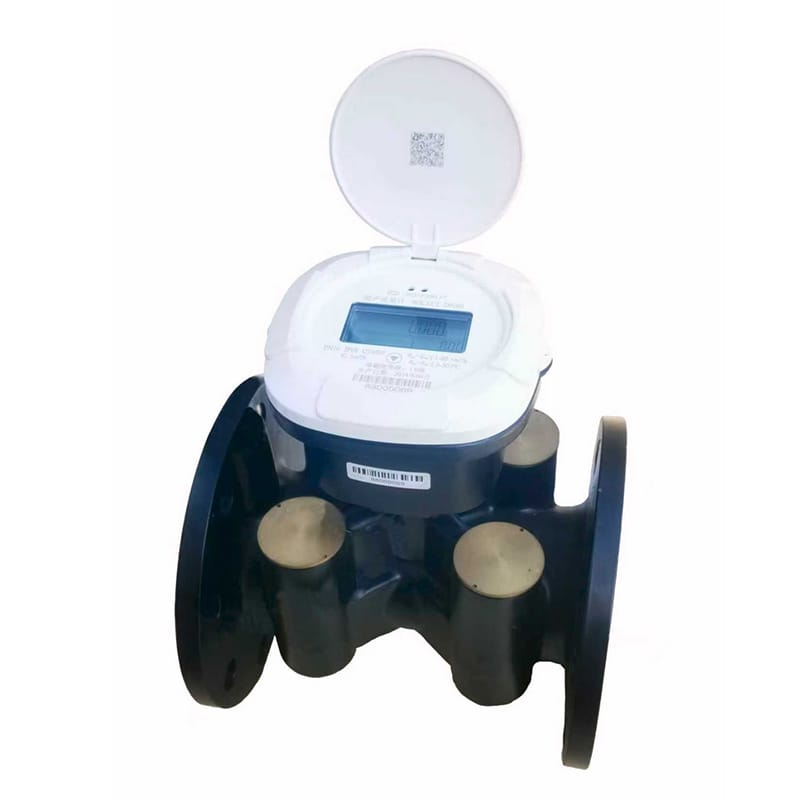
What is an Ultrasonic Flow Meter?
An ultrasonic flow meter is a device that measures the velocity of liquid or gas flow using ultrasonic waves. Unlike traditional mechanical meters, it does not rely on moving parts, which significantly reduces maintenance requirements and improves measurement accuracy.
How Ultrasonic Flow Meters Work
Ultrasonic flow meters operate based on two main technologies: transit-time and Doppler. Transit-time meters measure the difference in the time it takes for ultrasonic pulses to travel upstream and downstream in a pipe, while Doppler meters detect the frequency shift caused by particles or bubbles in the fluid. Both technologies offer high precision and are suitable for various industrial applications.
Types of Ultrasonic Flow Meters
There are several types of ultrasonic flow meters, each suited for specific applications:
- Transit-time flow meters: Ideal for clean liquids.
- Doppler flow meters: Suitable for liquids with suspended solids or gas bubbles.
- Clamp-on ultrasonic meters: Installed externally without cutting pipes, perfect for retrofitting.
- In-line ultrasonic meters: Installed directly into the pipeline for permanent measurement.
Advantages of Ultrasonic Flow Meters
High Accuracy and Reliability
Ultrasonic flow meters provide precise flow measurement with accuracy often exceeding ±0.5%, making them suitable for chemical dosing, water treatment, and energy management.
Non-Intrusive Measurement Benefits
Clamp-on ultrasonic meters do not require cutting the pipeline, which eliminates the risk of leaks and reduces installation time. Non-intrusive measurement is especially valuable in industries where downtime is costly.
Cost-Effective Maintenance
With no moving parts, ultrasonic flow meters require minimal maintenance. Reduced mechanical wear and lower calibration needs lead to significant cost savings over time.
Applications of Ultrasonic Flow Meters
Water and Wastewater Treatment
Ultrasonic flow meters are commonly used in municipal water supply and wastewater management, ensuring precise flow monitoring for regulatory compliance.
Chemical and Petrochemical Industries
In chemical plants, accurate flow measurement is essential for dosing, mixing, and monitoring hazardous liquids. Ultrasonic meters provide reliable performance in aggressive fluids.
Food and Beverage Processing
Hygienic clamp-on ultrasonic flow meters enable flow monitoring in food and beverage pipelines without contaminating the product.
HVAC and Energy Management
Flow meters are widely used in energy monitoring, cooling, and heating systems to optimize efficiency and reduce energy consumption.
How to Choose the Right Ultrasonic Flow Meter
Factors to Consider
When selecting an ultrasonic flow meter, consider the following factors:
| Factor | Importance | Notes |
|---|---|---|
| Flow Range | Critical | Ensure the meter covers minimum and maximum flow rates |
| Pipe Size | High | Compatible with your existing pipeline diameter |
| Fluid Type | High | Consider viscosity, conductivity, and presence of solids |
| Accuracy | Medium | Choose meters with suitable tolerance for your process |
| Installation Type | Medium | In-line or clamp-on based on accessibility and downtime tolerance |
Accuracy and Measurement Requirements
Different industries have specific accuracy needs. For instance, water treatment requires precise low-flow measurement, while chemical dosing might need high-resolution measurement over a narrow range.
Comparing Different Manufacturers
Choosing a reliable ultrasonic flow meter manufacturer ensures product quality, long-term support, and access to OEM customization options. Look for certified manufacturers with experience in industrial applications.
Why Buy from a Trusted Ultrasonic Flow Meter Manufacturer
Quality Assurance and Certification
As an experienced manufacturer, we implement rigorous quality control and provide international certifications to ensure that every meter meets industrial standards.
Customization and OEM Options
We offer tailored solutions for specific industrial needs, including specialized pipe sizes, communication protocols, and high-accuracy requirements.
After-Sales Support and Maintenance
Reliable manufacturers provide technical support, troubleshooting guidance, and maintenance services to ensure long-term meter performance.
Installation and Maintenance Tips
Proper Installation Guidelines
Correct installation is critical for accurate readings. Ensure proper alignment, avoid air pockets, and follow manufacturer guidelines for clamp-on or in-line setups.
Common Maintenance Practices
Even with minimal maintenance, regular cleaning of sensor surfaces and periodic calibration checks are recommended.
Avoiding Measurement Errors
Factors like pipe vibrations, fluid turbulence, or incorrect transducer placement can lead to inaccuracies. Professional installation and calibration prevent common errors.
Ultrasonic Flow Meter vs Other Flow Meters
Electromagnetic Flow Meter Comparison
Electromagnetic flow meters require conductive liquids, while ultrasonic meters can measure both conductive and non-conductive fluids without direct contact.
Mechanical and Turbine Flow Meter Comparison
Mechanical meters wear out over time and need frequent calibration, whereas ultrasonic meters maintain accuracy for longer periods with no moving parts.
Why Ultrasonic Flow Meters Are Preferred in Industry
The combination of accuracy, low maintenance, non-intrusive installation, and adaptability makes ultrasonic flow meters the preferred choice for industrial applications.
Cost and ROI Considerations
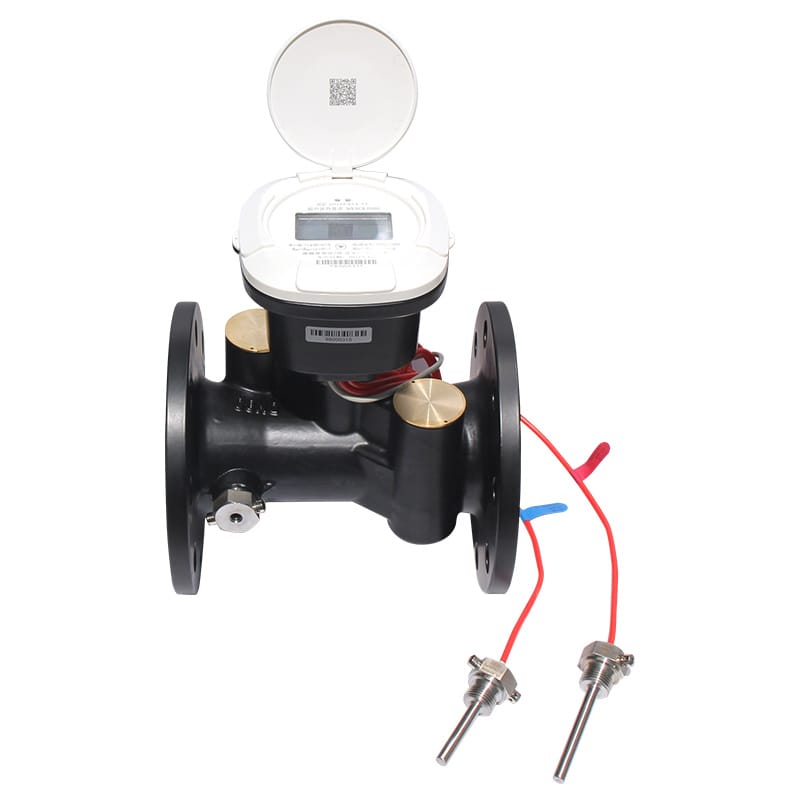
Pricing Factors for Ultrasonic Flow Meters
The price depends on type, accuracy, pipe size, and optional features like digital output or remote monitoring.
Long-Term Savings and Efficiency Gains
Investing in a high-quality ultrasonic flow meter reduces downtime, lowers maintenance costs, and ensures precise monitoring, leading to measurable ROI.
Choosing the Right Manufacturer for Maximum ROI
Partnering with a trusted ultrasonic flow meter manufacturer ensures long-term reliability, quality support, and reduced operational risks.
Conclusion
Choosing the right ultrasonic flow meter manufacturer is critical for ensuring accurate, reliable, and cost-effective flow measurement in industrial applications. By selecting a trusted manufacturer with customization options, quality assurance, and long-term support, businesses can achieve optimal performance, reduce downtime, and maximize ROI. As a leading industrial ultrasonic flow meter manufacturer, we provide high-quality solutions tailored to your process needs, ensuring your operations remain efficient and precise.
FAQ
Can ultrasonic flow meters measure all types of fluids?
Yes, ultrasonic flow meters can measure liquids and gases, but the type of meter (transit-time or Doppler) should match fluid properties.
How often should calibration be performed?
Calibration frequency depends on the application, but annual calibration is recommended for industrial processes.
Are clamp-on meters as accurate as in-line meters?
Clamp-on meters provide excellent accuracy for most applications, though in-line meters may offer slightly higher precision for high-accuracy industrial requirements.