Table of Contents
A useful test bench must produce stable, repeatable evidence at the meter鈥檚 low, transitional and continuous flow regions while keeping fixtures, timing and data capture under control. For ultrasonic water meter test bench, begin with “Translate the Test Scope Into Capacity” and then “Design a Stable Hydraulic Circuit.” Together, “Translate the Test Scope Into Capacity” and “Design a Stable Hydraulic Circuit” define the ultrasonic water meter test bench evidence needed before “Choose the Reference Around Uncertainty.”
After “Choose the Reference Around Uncertainty,” the ultrasonic water meter test bench workflow continues to “Make Fixtures Repeatable” and ends at “Maintain a Bench Control Plan.” The move from “Choose the Reference Around Uncertainty” to “Maintain a Bench Control Plan” explains the ultrasonic water meter test bench logic behind this H1.
Translate the Test Scope Into Capacity
List meter sizes, connection standards, pressure classes, target flow range, test water temperature and simultaneous test positions. This prevents a pump or reference device from being selected around only the easiest point. Change one “Translate the Test Scope Into Capacity” variable at a time during ultrasonic water meter test bench diagnosis. The “Translate the Test Scope Into Capacity” baseline separates “Translate the Test Scope Into Capacity” hardware, process and installation causes.
- Verify list meter sizes.
- Document connection standards.
- Compare pressure classes.
- Confirm target flow range.
Design a Stable Hydraulic Circuit
Provide a reservoir, pump control, isolation, air removal, temperature monitoring and sufficient settling volume. The circuit should change flow without creating cavitation or long pressure oscillations. Close “Design a Stable Hydraulic Circuit” with a named ultrasonic water meter test bench owner. For “Design a Stable Hydraulic Circuit,” keep its photographs, configuration export and “Design a Stable Hydraulic Circuit” comparison readings.
- Verify provide a reservoir.
- Document temperature monitoring and sufficient settling volume.
- Compare the circuit should change flow without creating cavitation or long pressure oscillations.
Choose the Reference Around Uncertainty
Assess weighing systems, calibrated tanks and master meters against the intended test quantity and flow range. Reference resolution at the lowest point often sets the bench limit. For “Choose the Reference Around Uncertainty,” the ultrasonic water meter test bench team ties assumptions to field evidence. Its “Choose the Reference Around Uncertainty” record names the source, unit and “Choose the Reference Around Uncertainty” exception owner.
- Verify assess weighing systems.
- Document calibrated tanks and master meters against the intended test quantity and flow range.
- Compare reference resolution at the lowest point often sets the bench limit.
Make Fixtures Repeatable
Use aligned, leak-tight clamping that does not twist the meter body. Define gasket position, tightening method and upstream adapters so operator technique does not change the velocity profile. Use drawings and measurements to complete “Make Fixtures Repeatable” in ultrasonic water meter test bench. A written “Make Fixtures Repeatable” decision keeps installation and operations aligned.
- Verify leak-tight clamping that does not twist the meter body.
- Document define gasket position.
- Compare tightening method and upstream adapters so operator technique does not change the velocity profile.
Synchronize Data Acquisition
Capture the reference start and stop with the meter output using a documented trigger method. Account for pulse value, display resolution, communication latency and totalizer rollover. A plausible “Synchronize Data Acquisition” result can hide a ultrasonic water meter test bench error. Store “Synchronize Data Acquisition” limits, test conditions and exception ownership.
- Verify capture the reference start and stop with the meter output using a documented trigger method.
- Document account for pulse value.
- Compare display resolution.
- Confirm communication latency and totalizer rollover.
Control Low-Flow Testing
Allow extra stabilization time, prevent unnoticed leakage and select a sufficient test volume. At very low flow, a small valve bypass or dripping fixture can dominate the result. Share “Control Low-Flow Testing” evidence with the ultrasonic water meter test bench stakeholders. If “Control Low-Flow Testing” misses its basis, revise the “Control Low-Flow Testing” selection and record why.
- Verify allow extra stabilization time.
- Document prevent unnoticed leakage and select a sufficient test volume.
- Compare at very low flow.
- Confirm a small valve bypass or dripping fixture can dominate the result.

Validate the Bench Before Production Use
Run repeatability studies, reference checks and intercomparisons where practical. Challenge alarm logic and data calculations with known inputs before relying on automated reports. Give “Validate the Bench Before Production Use” a dedicated ultrasonic water meter test bench acceptance test. Preserve “Validate the Bench Before Production Use” values and diagnostics for a repeatable “Validate the Bench Before Production Use” check.
- Verify run repeatability studies.
- Document reference checks and intercomparisons where practical.
- Compare challenge alarm logic and data calculations with known inputs before relying on automated reports.
Maintain a Bench Control Plan
Schedule reference calibration, leak tests, temperature checks, software verification and control-chart review. Record maintenance that could alter the hydraulic or timing behavior. Treat “Maintain a Bench Control Plan” as a complete ultrasonic water meter test bench decision. Recheck “Maintain a Bench Control Plan” against ultrasonic water meter test bench pipework, controls, interfaces and service access.
- Verify schedule reference calibration.
- Document temperature checks.
- Compare software verification and control-chart review.
- Confirm record maintenance that could alter the hydraulic or timing behavior.
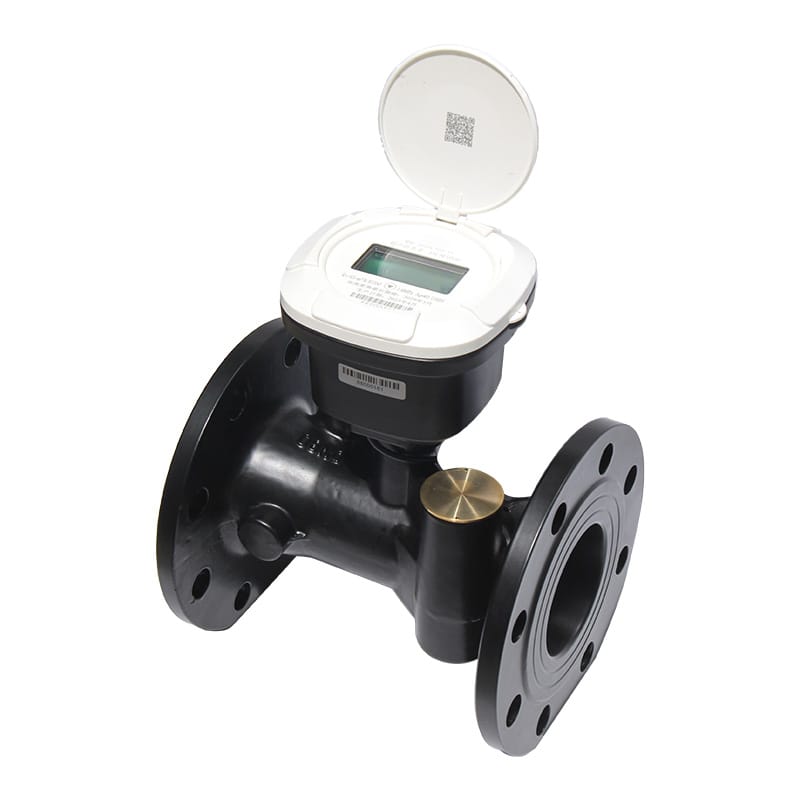
Translate the Test Scope Into Capacity Decision Table
| Decision | Evidence | Release condition |
|---|---|---|
| Translate the Test Scope Into Capacity | List meter sizes, connection standards, pressure classes, target flow range, test water temperature and simultaneous test positions | Release “Translate the Test Scope Into Capacity” only after its ultrasonic water meter test bench evidence is accepted |
| Design a Stable Hydraulic Circuit | Provide a reservoir, pump control, isolation, air removal, temperature monitoring and sufficient settling volume | Release “Design a Stable Hydraulic Circuit” only after its ultrasonic water meter test bench evidence is accepted |
| Choose the Reference Around Uncertainty | Assess weighing systems, calibrated tanks and master meters against the intended test quantity and flow range | Release “Choose the Reference Around Uncertainty” only after its ultrasonic water meter test bench evidence is accepted |
| Make Fixtures Repeatable | Use aligned, leak-tight clamping that does not twist the meter body | Release “Make Fixtures Repeatable” only after its ultrasonic water meter test bench evidence is accepted |
| Synchronize Data Acquisition | Capture the reference start and stop with the meter output using a documented trigger method | Release “Synchronize Data Acquisition” only after its ultrasonic water meter test bench evidence is accepted |
Five Questions About “Maintain a Bench Control Plan”
Which “Translate the Test Scope Into Capacity” check comes first for ultrasonic water meter test bench?
List meter sizes, connection standards, pressure classes, target flow range, test water temperature and simultaneous test positions. This prevents a pump or reference device from being selected around only the easiest point.
Why does design a stable hydraulic circuit affect ultrasonic water meter test bench?
Provide a reservoir, pump control, isolation, air removal, temperature monitoring and sufficient settling volume. The circuit should change flow without creating cavitation or long pressure oscillations.
How should validate the bench before production use be verified?
Run repeatability studies, reference checks and intercomparisons where practical. Challenge alarm logic and data calculations with known inputs before relying on automated reports.
When must the ultrasonic water meter test bench basis be reviewed?
Review ultrasonic water meter test bench when inputs to “Translate the Test Scope Into Capacity,” “Make Fixtures Repeatable” or “Validate the Bench Before Production Use” change.
Which details support “Design a Stable Hydraulic Circuit” in ultrasonic water meter test bench?
For ultrasonic water meter test bench, provide the inputs for “Translate the Test Scope Into Capacity,” the constraints from “Design a Stable Hydraulic Circuit” and the evidence expected under “Validate the Bench Before Production Use.”
Technical references for “Translate the Test Scope Into Capacity” include NIST Weights and Measures for “Translate the Test Scope Into Capacity”, EPA WaterSense for “Design a Stable Hydraulic Circuit”, OIML R 49 for “Choose the Reference Around Uncertainty”, ISO 4064 for “Make Fixtures Repeatable”. The project specification should name the applicable edition and local rules.
Dingjia options supporting “Design a Stable Hydraulic Circuit” include the electronic remote meter for “Translate the Test Scope Into Capacity”, contact the metering team for “Design a Stable Hydraulic Circuit”, ultrasonic water meter for “Choose the Reference Around Uncertainty”, pipeline network meter for “Make Fixtures Repeatable”. For “Design a Stable Hydraulic Circuit,” send operating conditions and interface requirements to the engineering team before selection. The inquiry should also assign responsibility for “Synchronize Data Acquisition” and “Control Low-Flow Testing.”