
Table of Contents
Validation should preserve raw readings while classifying missing, duplicated, implausible and estimated values. The goal is trustworthy decisions with a visible audit trail. For water meter data validation, begin with “Establish Meter Identity and Time Rules” and then “Separate Missing Data From Zero Use.” Together, “Establish Meter Identity and Time Rules” and “Separate Missing Data From Zero Use” define the water meter data validation evidence needed before “Check Register Continuity.”
After “Check Register Continuity,” the water meter data validation workflow continues to “Apply Range and Rate-of-Change Tests” and ends at “Monitor Validation Performance.” The move from “Check Register Continuity” to “Monitor Validation Performance” explains the water meter data validation logic behind this H1.
Establish Meter Identity and Time Rules
Use a stable asset identifier, synchronized timestamps and an explicit timezone. Resolve duplicate devices and out-of-order records before applying consumption logic. Share “Establish Meter Identity and Time Rules” evidence with the water meter data validation stakeholders. If “Establish Meter Identity and Time Rules” misses its basis, revise the “Establish Meter Identity and Time Rules” selection and record why.
- Verify use a stable asset identifier.
- Document synchronized timestamps and an explicit timezone.
- Compare resolve duplicate devices and out-of-order records before applying consumption logic.
Separate Missing Data From Zero Use
A zero register change can be legitimate; an absent telegram is not. Store communication status and reading status as different fields. Give “Separate Missing Data From Zero Use” a dedicated water meter data validation acceptance test. Preserve “Separate Missing Data From Zero Use” values and diagnostics for a repeatable “Separate Missing Data From Zero Use” check.
- Verify a zero register change can be legitimate; an absent telegram is not.
- Document store communication status and reading status as different fields.
Check Register Continuity
Detect negative movement, rollover, reset and meter replacement. Compare serial number and installation events before treating a drop as reverse consumption. Treat “Check Register Continuity” as a complete water meter data validation decision. Recheck “Check Register Continuity” against water meter data validation pipework, controls, interfaces and service access.
- Verify detect negative movement.
- Document reset and meter replacement.
- Compare compare serial number and installation events before treating a drop as reverse consumption.
Apply Range and Rate-of-Change Tests
Use meter size and account context to flag impossible totals or spikes. Avoid one universal threshold across residential, commercial and network meters. Change one “Apply Range and Rate-of-Change Tests” variable at a time during water meter data validation diagnosis. The “Apply Range and Rate-of-Change Tests” baseline separates “Apply Range and Rate-of-Change Tests” hardware, process and installation causes.
- Verify use meter size and account context to flag impossible totals or spikes.
- Document avoid one universal threshold across residential.
- Compare commercial and network meters.
Use Status Flags and Diagnostics
Battery, reverse-flow, dry-pipe and tamper flags provide context. Preserve the original flag code as well as the normalized business interpretation. Close “Use Status Flags and Diagnostics” with a named water meter data validation owner. For “Use Status Flags and Diagnostics,” keep its photographs, configuration export and “Use Status Flags and Diagnostics” comparison readings.
- Verify dry-pipe and tamper flags provide context.
- Document preserve the original flag code as well as the normalized business interpretation.
Design Estimation as a Controlled Process
Label estimated values, record the method and retain the raw gap. Recalculate when a later actual reading closes the interval. For “Design Estimation as a Controlled Process,” the water meter data validation team ties assumptions to field evidence. Its “Design Estimation as a Controlled Process” record names the source, unit and “Design Estimation as a Controlled Process” exception owner.
- Verify label estimated values.
- Document record the method and retain the raw gap.
- Compare recalculate when a later actual reading closes the interval.
Prevent Duplicate Billing Events
Define idempotent ingestion and unique reading keys. Retransmitted packets should improve delivery reliability without counting consumption twice. Use drawings and measurements to complete “Prevent Duplicate Billing Events” in water meter data validation. A written “Prevent Duplicate Billing Events” decision keeps installation and operations aligned.
- Verify define idempotent ingestion and unique reading keys.
- Document retransmitted packets should improve delivery reliability without counting consumption twice.
Monitor Validation Performance
Track missing-read rate, estimated volume, exception age and repeated device faults. Review rules when valid operating patterns are consistently rejected. A plausible “Monitor Validation Performance” result can hide a water meter data validation error. Store “Monitor Validation Performance” limits, test conditions and exception ownership.
- Verify track missing-read rate.
- Document estimated volume.
- Compare exception age and repeated device faults.
- Confirm review rules when valid operating patterns are consistently rejected.
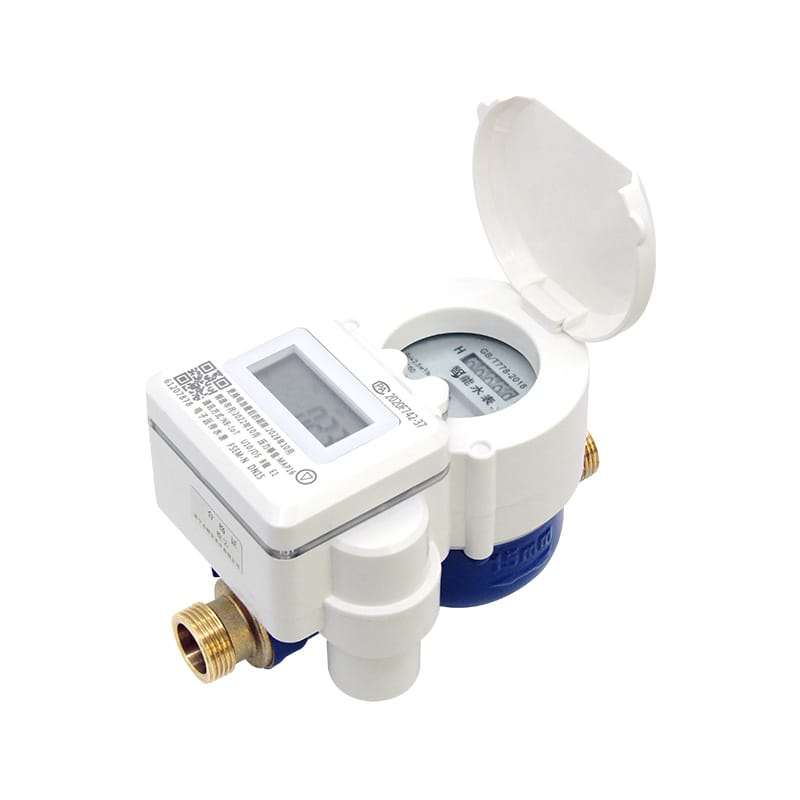
Establish Meter Identity and Time Rules Decision Table
| Decision | Evidence | Release condition |
|---|---|---|
| Establish Meter Identity and Time Rules | Use a stable asset identifier, synchronized timestamps and an explicit timezone | Release “Establish Meter Identity and Time Rules” only after its water meter data validation evidence is accepted |
| Separate Missing Data From Zero Use | A zero register change can be legitimate; an absent telegram is not | Release “Separate Missing Data From Zero Use” only after its water meter data validation evidence is accepted |
| Check Register Continuity | Detect negative movement, rollover, reset and meter replacement | Release “Check Register Continuity” only after its water meter data validation evidence is accepted |
| Apply Range and Rate-of-Change Tests | Use meter size and account context to flag impossible totals or spikes | Release “Apply Range and Rate-of-Change Tests” only after its water meter data validation evidence is accepted |
| Use Status Flags and Diagnostics | Battery, reverse-flow, dry-pipe and tamper flags provide context | Release “Use Status Flags and Diagnostics” only after its water meter data validation evidence is accepted |
Five Questions About “Monitor Validation Performance”
Which “Establish Meter Identity and Time Rules” check comes first for water meter data validation?
Use a stable asset identifier, synchronized timestamps and an explicit timezone. Resolve duplicate devices and out-of-order records before applying consumption logic.
Why does separate missing data from zero use affect water meter data validation?
A zero register change can be legitimate; an absent telegram is not. Store communication status and reading status as different fields.
How should prevent duplicate billing events be verified?
Define idempotent ingestion and unique reading keys. Retransmitted packets should improve delivery reliability without counting consumption twice.
When must the water meter data validation basis be reviewed?
Review water meter data validation when inputs to “Establish Meter Identity and Time Rules,” “Apply Range and Rate-of-Change Tests” or “Prevent Duplicate Billing Events” change.
Which details support “Separate Missing Data From Zero Use” in water meter data validation?
For water meter data validation, provide the inputs for “Establish Meter Identity and Time Rules,” the constraints from “Separate Missing Data From Zero Use” and the evidence expected under “Prevent Duplicate Billing Events.”
Before approving “Establish Meter Identity and Time Rules,” revisit its project assumptions. Use a stable asset identifier, synchronized timestamps and an explicit timezone. Resolve duplicate devices and out-of-order records before applying consumption logic. Record the resulting “Establish Meter Identity and Time Rules” decision and any site-specific “Establish Meter Identity and Time Rules” exception.
Before approving “Separate Missing Data From Zero Use,” revisit its project assumptions. A zero register change can be legitimate; an absent telegram is not. Store communication status and reading status as different fields. Record the resulting “Separate Missing Data From Zero Use” decision and any site-specific “Separate Missing Data From Zero Use” exception.
Technical references for “Establish Meter Identity and Time Rules” include GSMA Mobile IoT for “Establish Meter Identity and Time Rules”, LoRa Alliance for “Separate Missing Data From Zero Use”, NIST IoT Cybersecurity for “Check Register Continuity”, M-Bus for “Apply Range and Rate-of-Change Tests”. The project specification should name the applicable edition and local rules.
Dingjia options supporting “Separate Missing Data From Zero Use” include the remote valve-controlled meter for “Establish Meter Identity and Time Rules”, electronic remote meter for “Separate Missing Data From Zero Use”, discuss an integration for “Check Register Continuity”, NB-IoT and Bluetooth meter for “Apply Range and Rate-of-Change Tests”. For “Separate Missing Data From Zero Use,” send operating conditions and interface requirements to the engineering team before selection. The inquiry should also assign responsibility for “Use Status Flags and Diagnostics” and “Design Estimation as a Controlled Process.”