Water metering has shifted from a basic measurement function to a critical part of infrastructure intelligence. In both industrial systems and municipal networks, operators are now expected to track consumption with higher precision, detect losses earlier, and integrate data into centralized platforms.
That shift is exactly where ultrasonic technology has become more relevant.
Instead of relying on mechanical movement, ultrasonic water meters use signal-based measurement. This change sounds simple, but in practice it removes several long-standing limitations in traditional metering systems—especially in large-scale utility and industrial environments.
What follows is a practical breakdown of how ultrasonic water meters are actually used, what matters when selecting them, and why they are increasingly specified in modern water projects.
Table of Contents
How Ultrasonic Measurement Actually Changes Water Metering
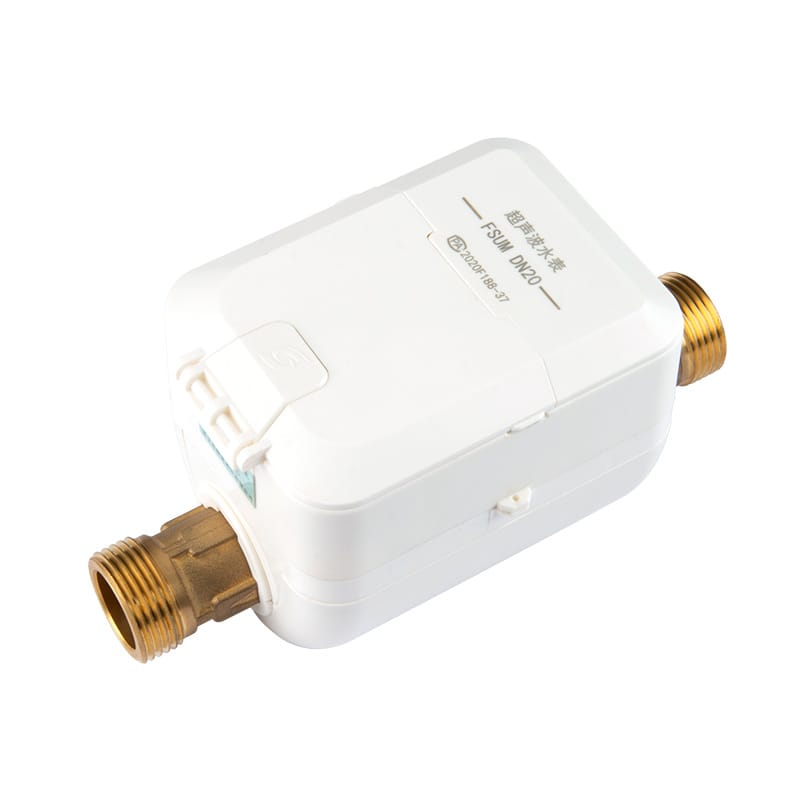
Most conventional meters depend on internal moving parts. Over time, those parts are exposed to friction, sediment, and gradual wear. In real field conditions, that usually leads to drifting accuracy and increasing maintenance requirements.
Ultrasonic systems take a different approach.
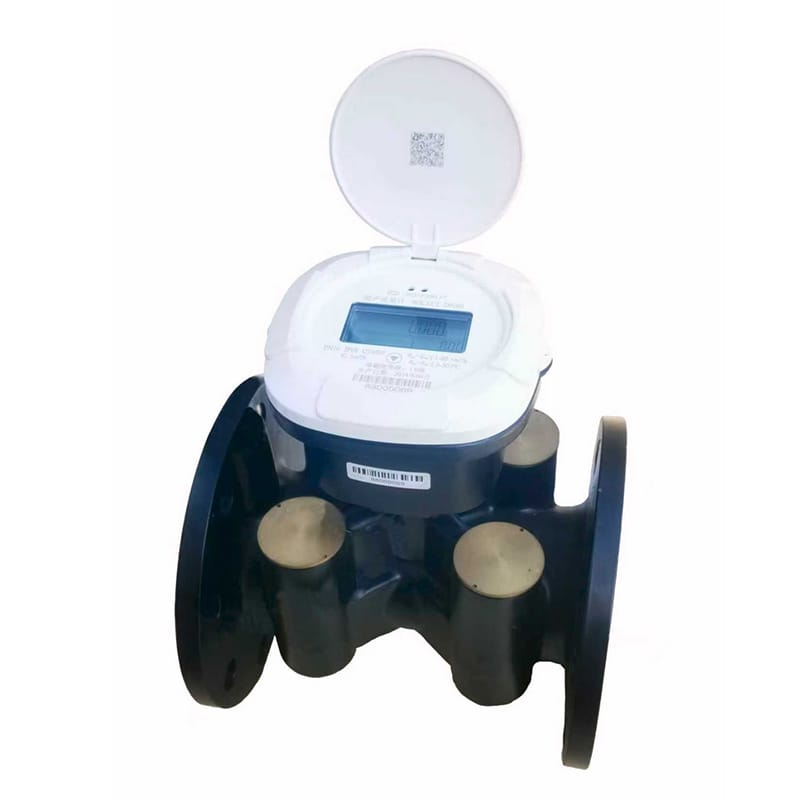
They send acoustic signals through the water stream and calculate flow based on transmission time differences. Because the measurement is based on signal behavior rather than mechanical rotation, the system remains stable even when operating conditions vary.
A practical outcome of this design is that performance is less affected by:
- Low flow instability
- Particulate presence in water
- Long-term mechanical degradation
- Pressure-related measurement deviation
For utility operators, this changes how the entire metering network behaves over time. Instead of correcting for wear, the focus shifts to monitoring real consumption data.
Where Ultrasonic Water Meters Fit In Real Infrastructure
In real projects, ultrasonic water meters are not deployed just because they are “more advanced.” They are selected because they solve specific operational problems.
In municipal systems, the most common use case is distribution monitoring. Water authorities use metering points across districts to understand how water moves through the network. Once data is available at that level, it becomes possible to identify abnormal consumption patterns and isolate potential leakage zones.
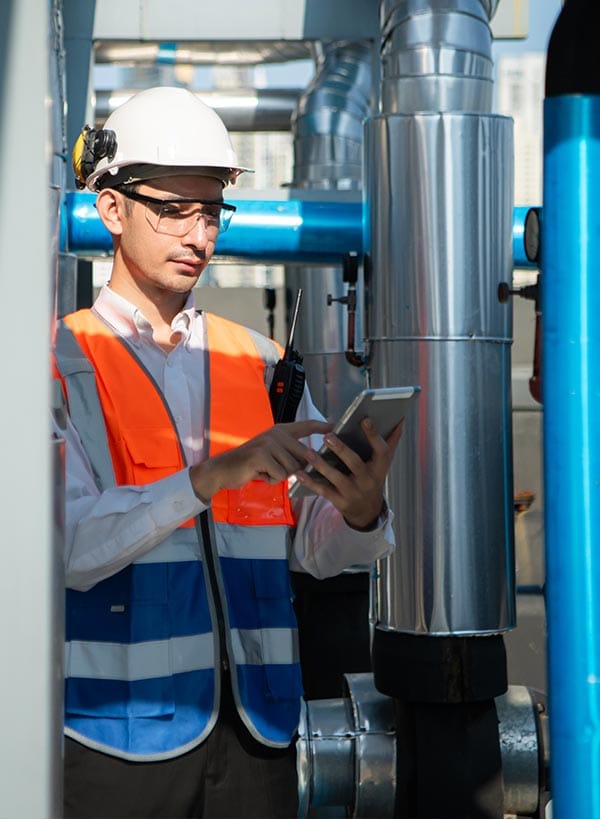
In industrial environments, the logic is slightly different. The focus is on control and efficiency. Facilities with high water usage typically install ultrasonic meters at process-level points rather than only at entry points. This allows operators to understand where water is actually consumed, rather than relying on total supply figures.
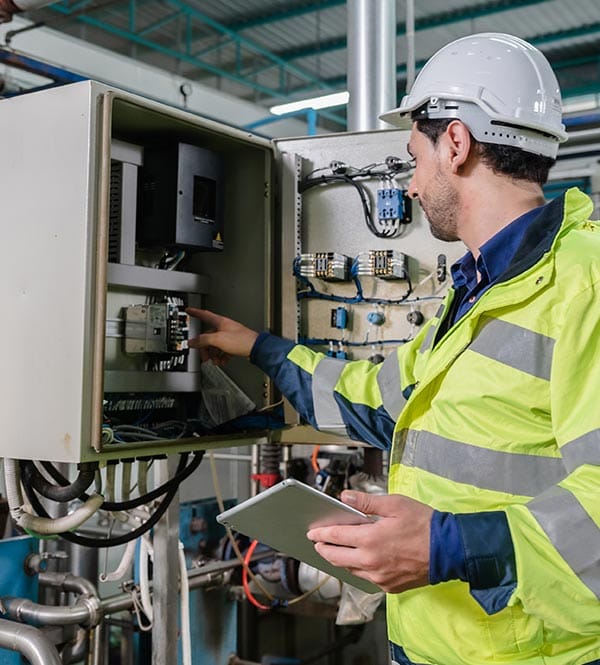
What makes ultrasonic meters particularly suitable for both environments is their compatibility with digital systems. Once connected to AMR or AMI platforms, the meter becomes part of a continuous data stream rather than a standalone device.
What Actually Defines A “Best Ultrasonic Water Meter”
The phrase “best ultrasonic water meter” is often used loosely online, but in engineering and procurement contexts, the definition is more specific.
It usually comes down to a combination of measurable factors:
- Stability of accuracy over long operating cycles
- Ability to perform at low and fluctuating flow rates
- Resistance to environmental and installation variation
- Compatibility with communication systems used in utilities
- Structural reliability under long-term pipeline pressure conditions
One point often overlooked is consistency rather than peak performance. In real municipal networks, a meter that maintains stable readings over years is more valuable than one that performs well only under ideal calibration conditions.
Industrial Use Is Less About Measurement And More About Control
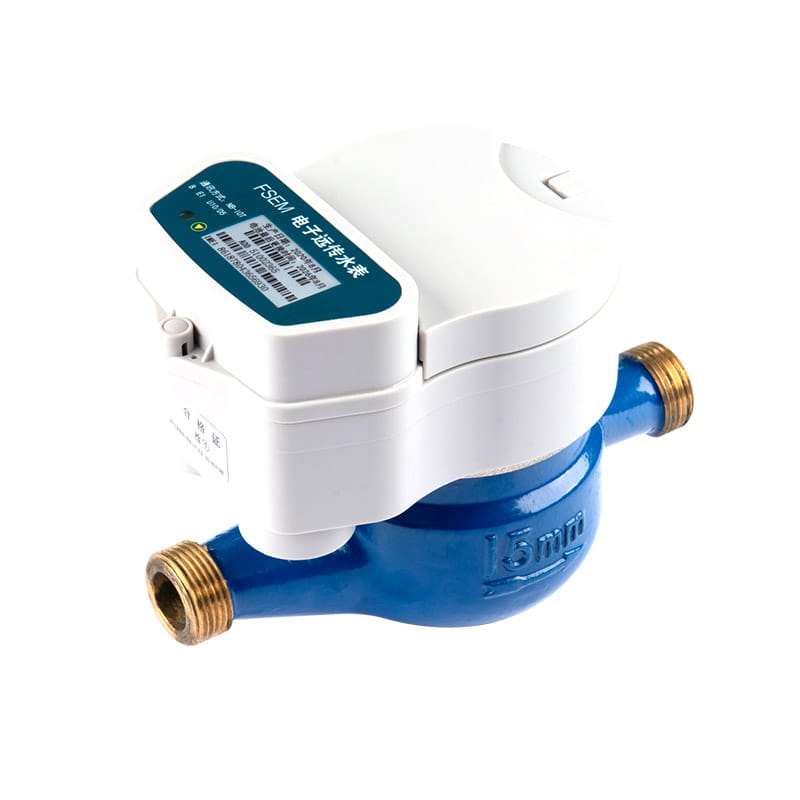
In industrial applications, water metering is rarely isolated from process control systems.
For example, in manufacturing environments, water is often part of cooling, cleaning, or production cycles. If measurement is inaccurate or delayed, it affects downstream planning and resource allocation.
Ultrasonic meters are increasingly used because they allow continuous monitoring without interrupting flow or introducing additional resistance into the pipeline.
In practice, this enables:
- More precise process balancing
- Better identification of abnormal consumption spikes
- Reduced dependency on manual readings
- Integration into automated control systems
The value is not just in measuring water—it is in making consumption visible at system level.
Municipal Deployment: Where Accuracy Becomes Financial Infrastructure
In municipal water systems, measurement accuracy is directly linked to revenue assurance and resource planning.
When multiple districts are connected through large pipeline networks, small measurement errors can accumulate into significant discrepancies at system scale.
Ultrasonic meters reduce this uncertainty by maintaining stable readings over time and supporting remote data acquisition.
In many modern deployments, meters are now part of broader smart city frameworks. This means data is not only collected but also analyzed alongside pressure, flow distribution, and historical consumption patterns.
The result is a more responsive water management system that can adjust based on real conditions rather than static estimates.
Selection Decisions Usually Fail At The Communication Layer
One of the most common issues in ultrasonic meter deployment is not related to measurement accuracy, but system integration.
A meter may perform well in isolation but fail to communicate effectively with the existing infrastructure.
This is why communication compatibility has become a core selection factor.
In modern projects, ultrasonic meters are often required to support multiple transmission methods such as remote reading systems and IoT-based networks. Without this layer, data remains underutilized.
From a procurement perspective, this is where many specifications now focus: not just the meter itself, but how it connects to the wider system.
Manufacturing Consistency Matters More Than Specification Sheets
From a production standpoint, ultrasonic water meters depend heavily on sensor consistency and calibration control.
Small variations in transducer performance can lead to noticeable differences in field accuracy. This is why serious manufacturing processes typically include multi-stage calibration and pressure testing before release.
Another important factor is enclosure integrity. Since many installations occur in underground or outdoor environments, sealing quality and long-term environmental resistance directly influence service life.
In real-world terms, buyers often discover that field performance depends less on theoretical specifications and more on production consistency.
Installation Is Where Most Performance Issues Actually Begin
Even high-precision meters can underperform if installation conditions are not properly handled.
Flow stability is highly dependent on pipeline conditions around the meter. If turbulence exists near the installation point, measurement consistency can be affected.
In practice, issues often come from:
- Incorrect placement in pipeline layout
- Inconsistent upstream flow conditions
- Air pockets trapped in the system
- Improper communication setup after installation
These are not design problems—they are field implementation problems. But they directly affect perceived product performance.
Market Direction Is Clearly Moving Toward Data-Driven Water Systems

Across global water infrastructure projects, a clear transition is underway.
Mechanical measurement is gradually being replaced by digital monitoring systems that prioritize data visibility. Ultrasonic technology fits naturally into this shift because it is already designed around electronic signal processing rather than mechanical movement.
The most visible trend is integration. Water meters are no longer standalone devices. They are becoming nodes in larger monitoring networks that combine flow, pressure, and consumption analytics.
As infrastructure continues to modernize, this direction is expected to strengthen rather than slow down.
Conclusion
Ultrasonic water meters are no longer positioned as an alternative technology. In many industrial and municipal projects, they are becoming the default specification for new installations.
The reason is not a single feature but the combination of measurement stability, system compatibility, and long-term operational predictability.
For manufacturers, the focus has shifted toward delivering consistent performance under real operating conditions and ensuring seamless integration into digital water management systems.
As water networks continue to evolve toward connected infrastructure, ultrasonic metering will remain one of the core technologies supporting that transition.
FAQ
Q1: What is an ultrasonic water meter used for?
It is used to measure water flow in industrial and municipal pipelines with high accuracy, especially in smart water management systems and district metering applications.
Q2: How does an ultrasonic water meter measure flow?
It uses ultrasonic signal transmission between sensors. The time difference of sound waves traveling with and against the flow is used to calculate water velocity and volume.
Q3: Why are ultrasonic water meters better than mechanical meters?
They have no moving parts, which reduces wear and improves long-term accuracy, stability, and maintenance efficiency compared to mechanical meters.
Q4: Can ultrasonic water meters be used in smart water systems?
Yes. They are widely integrated into AMR/AMI systems, supporting remote reading, real-time monitoring, and digital water network management.
Q5: What factors should be considered when selecting an ultrasonic water meter?
Key factors include accuracy level, pipe size compatibility, communication protocol support, environmental protection rating, and long-term measurement stability.